Does Resistance Indicate Malposition? A Standardized Comparison of Pedicle Screw Placement
Sascha Kurz, Benjamin Fischer, Janine Schultze, Florian Metzner, Toni Wendler, Christoph-Eckhard Heyde, Stefan Schleifenbaum

TL;DR
This study investigates whether mechanical resistance during pedicle screw insertion can detect malpositioning, finding that it is generally unreliable for real-time detection.
Contribution
The study provides empirical evidence that torque measurements during screw insertion are not reliable indicators of malpositioning in spinal surgeries.
Findings
Malpositioned screw trajectories showed no significant difference in peak torque compared to correct trajectories during tapping and insertion.
The only significant difference was found between correct and superolateral malposition during drilling (p=0.038).
Torque-based resistance is not a reliable real-time indicator of pedicle screw malposition under standardized conditions.
Abstract
Pedicle screw malpositioning remains a frequent complication, with reported rates from 2% to 15%, often leading to revision surgeries. Analyzing mechanical resistance and torque encountered during screw insertion has been implicated as a promising approach for real-time detection. Five fresh-frozen human thoracolumbar spine specimens were utilized in this study. Using 3D-printed templates, correct trajectories were systematically compared against four defined malpositions (medial, lateral, superior, superolateral), with offsets ranging from 2.0 mm to 3.5 mm. Drilling, tapping, and insertion phases were conducted at a constant speed and defined feed force. Contrary to the anticipated behavior, malpositioned trajectories showed no statistically significant difference in peak torque compared to correct trajectories across all phases (e.g., tapping p=0.944, r=0.01; insertion p=0.693,…
Genes, proteins, chemicals, diseases, species, mutations and cell lines named across the full text — each resolved to its canonical identifier and authoritative record.
Click any figure to enlarge with its caption.
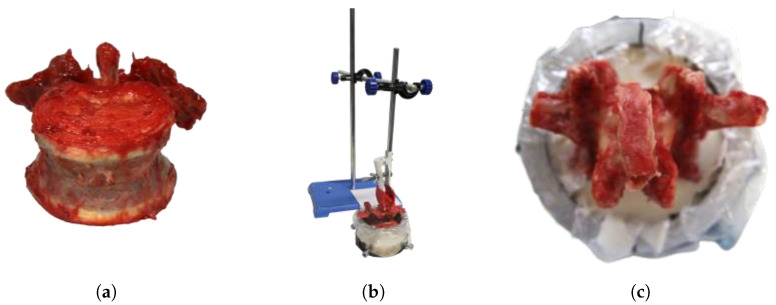 Figure 1
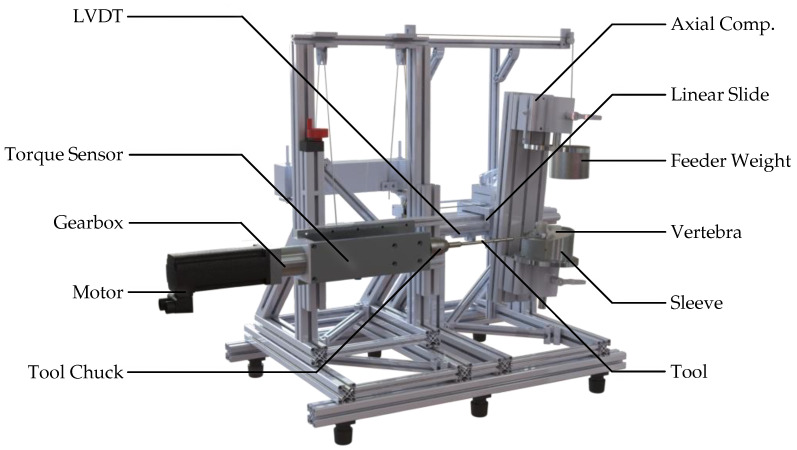 Figure 2
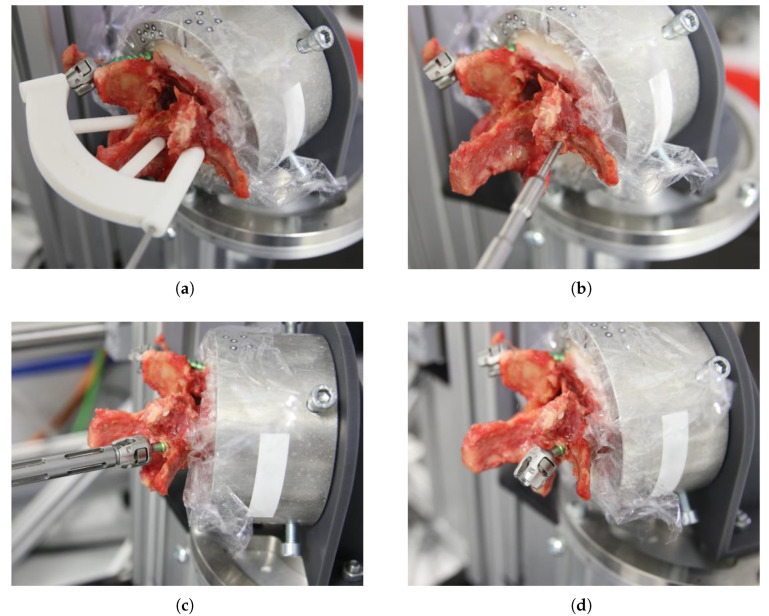 Figure 3
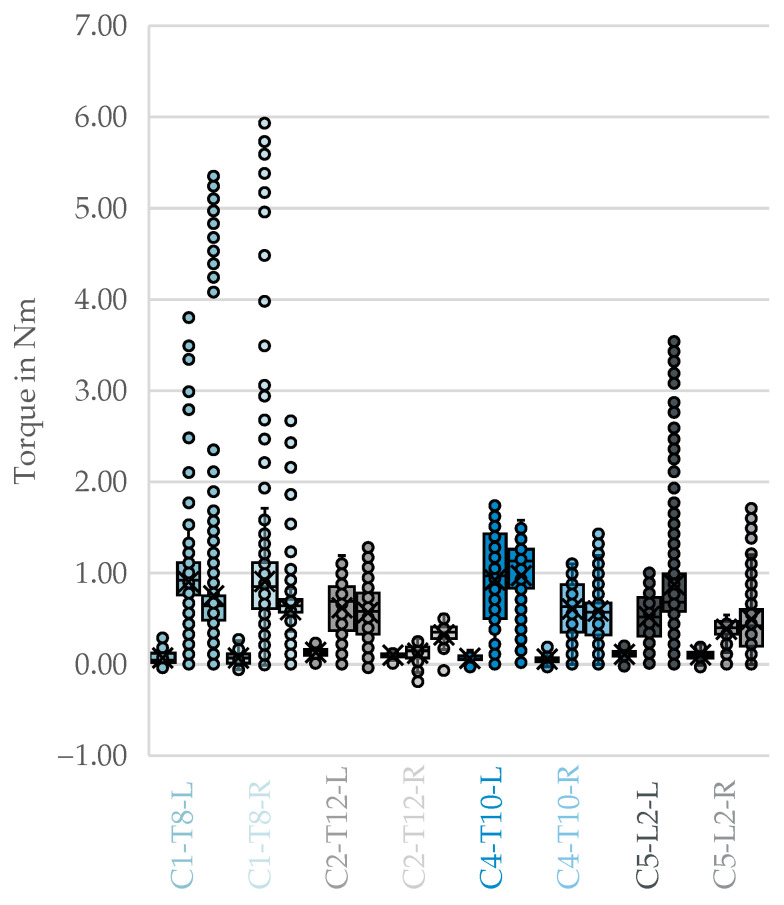 Figure 4
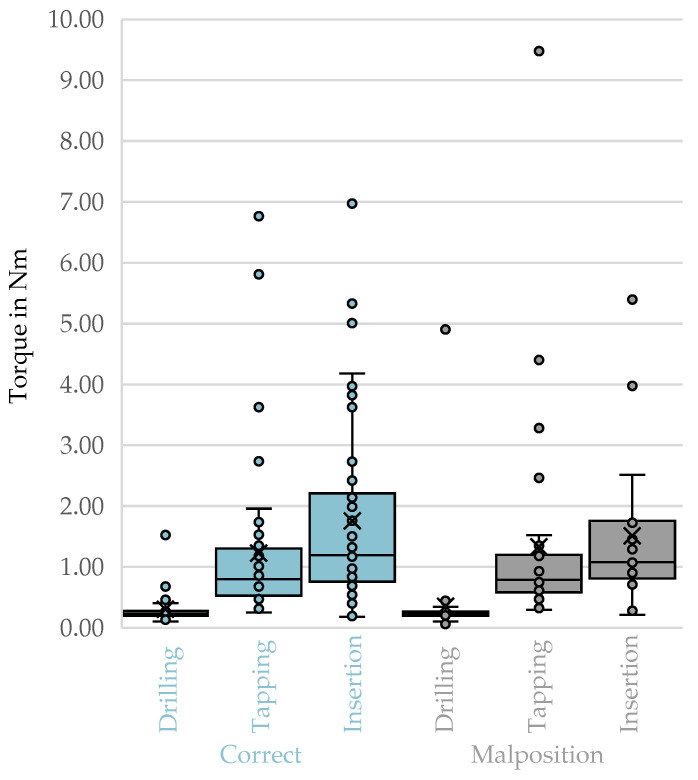 Figure 5
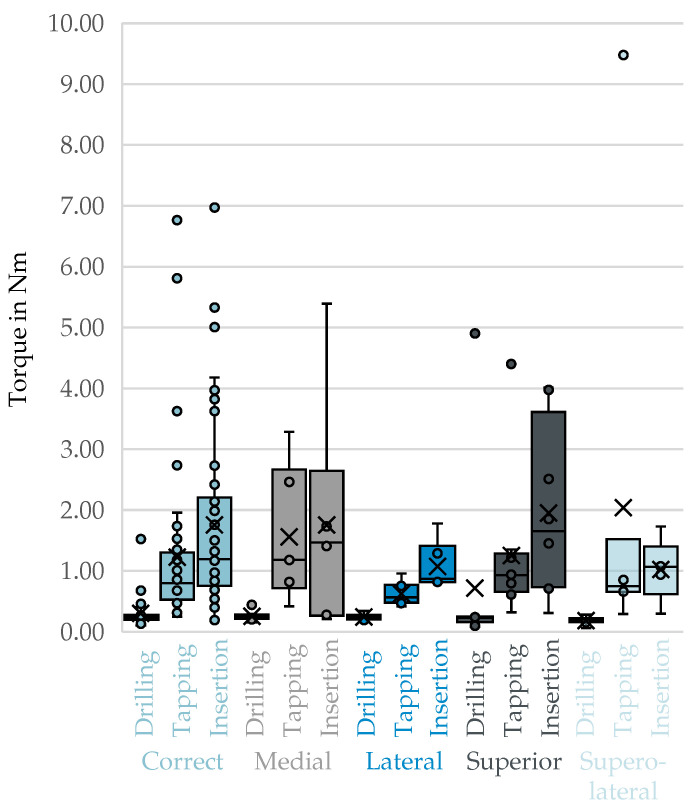 Figure 6
Peer Reviews
No public reviews on file for this paper yet. If you reviewed it on a platform where reviews are public (OpenReview, ICLR, NeurIPS, ICML), you can paste yours below so the community can read it here.
Videos
No videos yet. Explain this paper in a talk, walkthrough, or lecture? Add one.
Taxonomy
TopicsSpinal Fractures and Fixation Techniques · Spine and Intervertebral Disc Pathology · Scoliosis diagnosis and treatment