First Evidence of Anti-Plasmodium vivax (Plasmodiidae): Activity of the Essential Oil and 6-Ishwarone Isolated from Piper alatipetiolatum Yunck. (Piperaceae)
Glenda Quaresma Ramos, Renata Galvão de Azevedo, André Correa de Oliveira, Maria Luiza Lima da Costa, Felipe Moura Araujo da Silva, Ingrity Suelen Costa Sá, Gisely Cardoso de Melo, Stefanie Costa Pinto Lopes, Gemilson Soares Pontes, Sergio Massayoshi Nunomura

TL;DR
Researchers found that an essential oil and a compound from a plant in the Brazilian Amazon can effectively fight Plasmodium vivax, a malaria-causing parasite, without harming human cells.
Contribution
This is the first evidence of anti-Plasmodium vivax activity from Piper alatipetiolatum essential oil and 6-ishwarone.
Findings
Piper alatipetiolatum essential oil and 6-ishwarone inhibited Plasmodium vivax with IC50 values of 9.25 µg/mL and 3.93 µg/mL, respectively.
6-ishwarone selectively bound to dihydrofolate reductase (DHFR) with strong interactions and favorable drug-like properties.
The compounds showed no cytotoxic effects on mammalian cells and exhibited good bioavailability and low toxicity risks.
Abstract
Background/Objectives: In the Brazilian Amazon, which accounts for over 99% of national malaria cases, 34,260 cases were reported as of August 2025, predominantly caused by Plasmodium vivax, responsible for 86.69% of the infections. The increasing resistance of the parasite to conventional therapies highlights the urgent need for novel control strategies, with essential oils and plant-derived substances emerging as promising alternatives. Methods: In this context, we evaluated the anti-Plasmodium potential of Piper alatipetiolatum essential oil and its major constituent 6-ishwarone against P. vivax, including cytotoxicity in Vero and PBMCs, molecular docking on dihydrofolate reductase (DHFR) and lactate dehydrogenase (LDH), and in silico pharmacokinetic profiling. Results: Both the oil and 6-ishwarone inhibited P. vivax dose-dependently (2.1 ± 1 to 100%), with IC50 values of 9.25 µg/mL…
Genes, proteins, chemicals, diseases, species, mutations and cell lines named across the full text — each resolved to its canonical identifier and authoritative record.
Click any figure to enlarge with its caption.
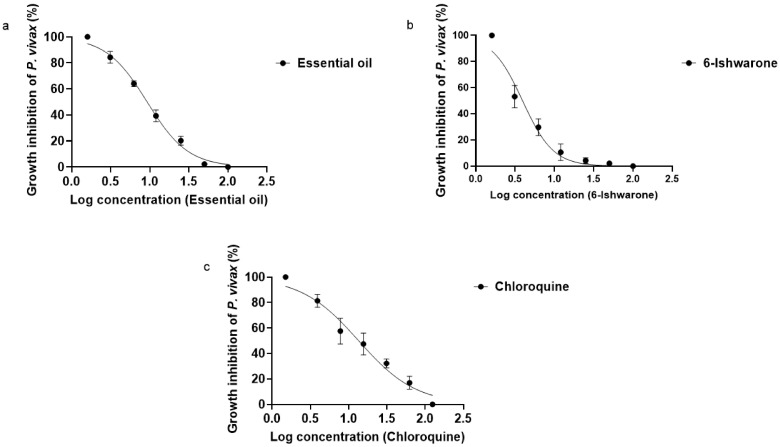 Figure 1
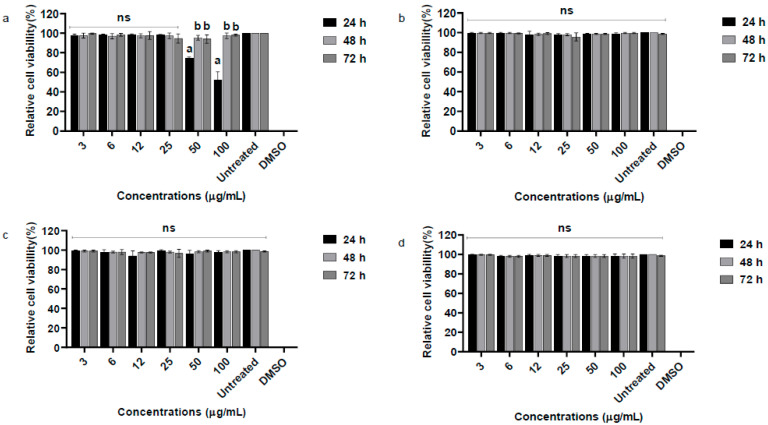 Figure 2
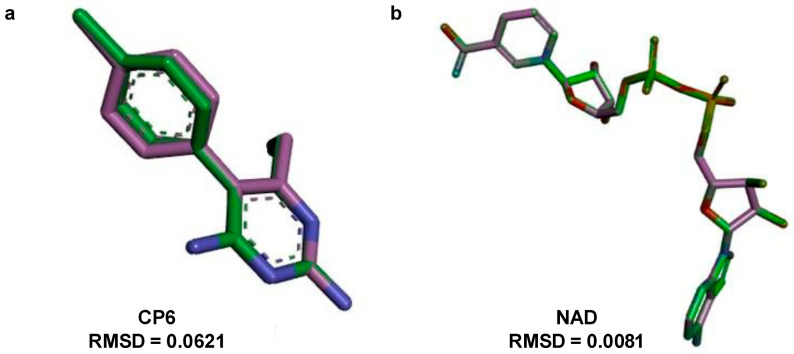 Figure 3
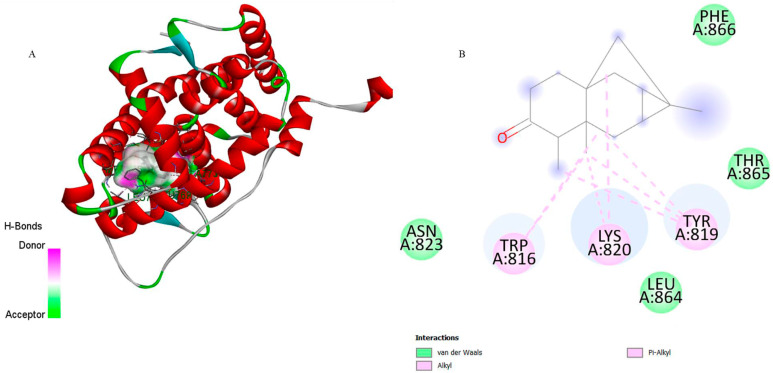 Figure 4
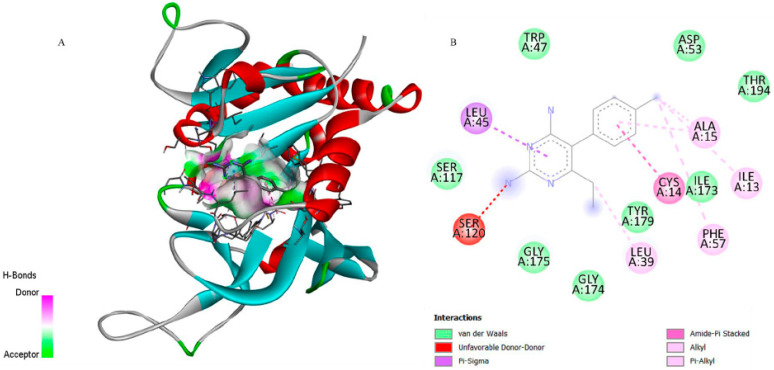 Figure 5
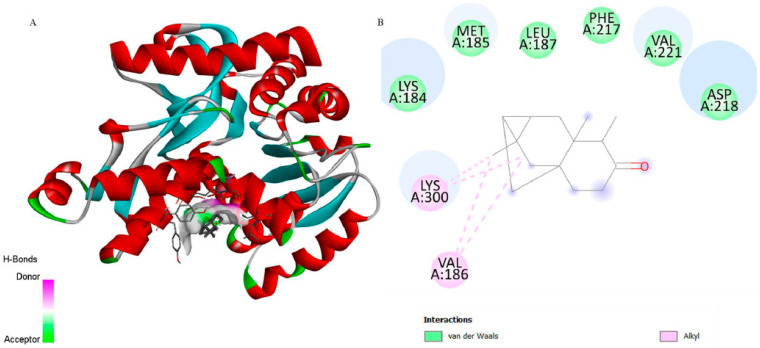 Figure 6
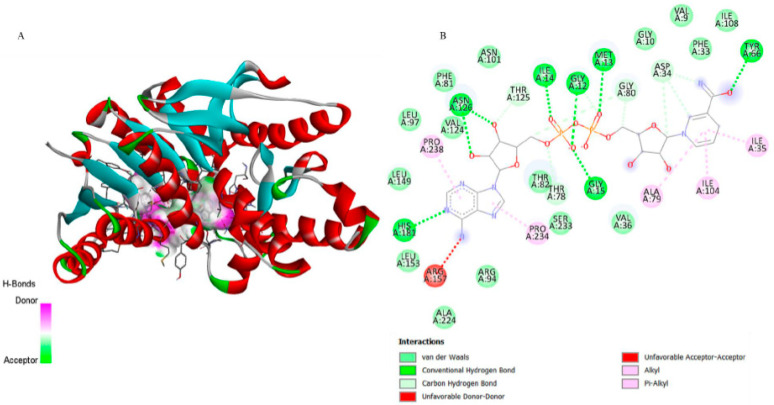 Figure 7
Peer Reviews
No public reviews on file for this paper yet. If you reviewed it on a platform where reviews are public (OpenReview, ICLR, NeurIPS, ICML), you can paste yours below so the community can read it here.
Videos
No videos yet. Explain this paper in a talk, walkthrough, or lecture? Add one.
Taxonomy
TopicsPiperaceae Chemical and Biological Studies · Malaria Research and Control · Traditional and Medicinal Uses of Annonaceae