Expression of Dystroglycanopathy-Related Enzymes, POMGNT2 and POMGNT1, in the Mammalian Retina and 661W Cone-like Cell Line
Cristina Quereda, Violeta Gómez-Vicente, Mercedes Palmero, José Martín-Nieto

TL;DR
This study investigates the expression and localization of POMGNT2 and POMGNT1 enzymes in mammalian retinas and a photoreceptor cell line.
Contribution
The study is the first to report the expression patterns and subcellular localization of POMGNT2 and POMGNT1 in retinal tissues and 661W cells.
Findings
POMGNT2 is expressed in the neural retina of multiple mammalian species and localizes to ER/Golgi and nuclei.
POMGNT1 is found in the Golgi complex of retinas and 661W cells.
Both enzymes are present in nuclear structures like PML bodies and Cajal bodies in 661W cells.
Abstract
Background. Dystroglycanopathies (DGPs) constitute a set of recessive, neuromuscular congenital dystrophies that result from impaired glycosylation of dystroglycan (DG). These disorders typically course with CNS alterations, which, alongside gradual muscular dystrophy, may include brain malformations, intellectual disability and a panoply of ocular defects. In this process, the protein products of 22 genes, collectively dubbed DGP-associated genes, directly or indirectly participate sequentially along a complex, branched biosynthetic pathway. POMGNT2 and POMGNT1 are two enzymes whose catalytic activity consists of transferring the same substrate, a molecule of N-acetylglucosamine (GlcNAc) to a common substrate, the O-mannosylated α subunit of DG. Despite their presumptive role in retinal homeostasis, there are currently no reports describing their expression pattern or function in this…
Genes, proteins, chemicals, diseases, species, mutations and cell lines named across the full text — each resolved to its canonical identifier and authoritative record.
Click any figure to enlarge with its caption.
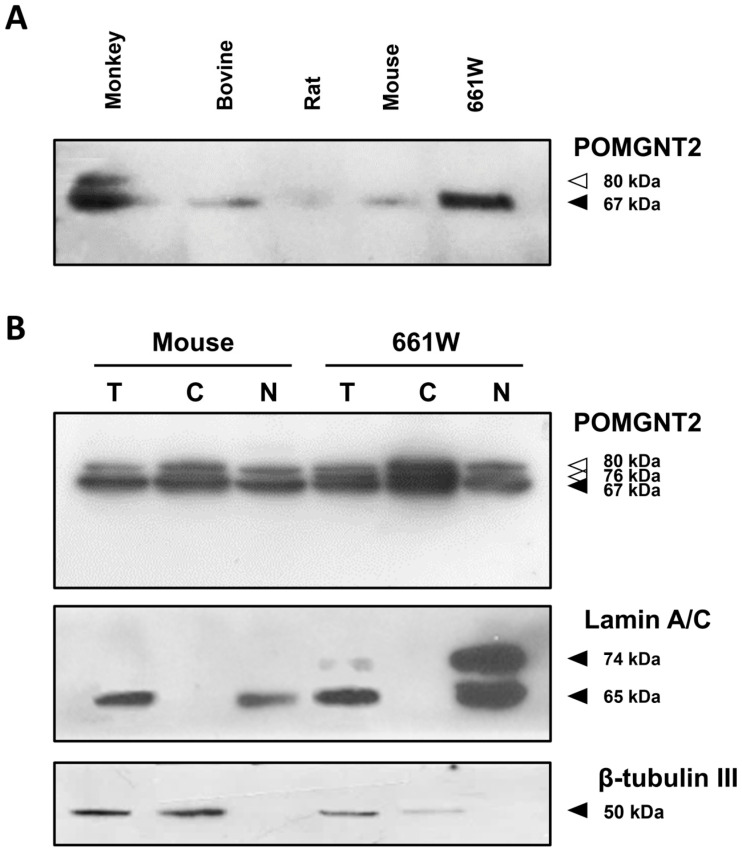 Figure 1
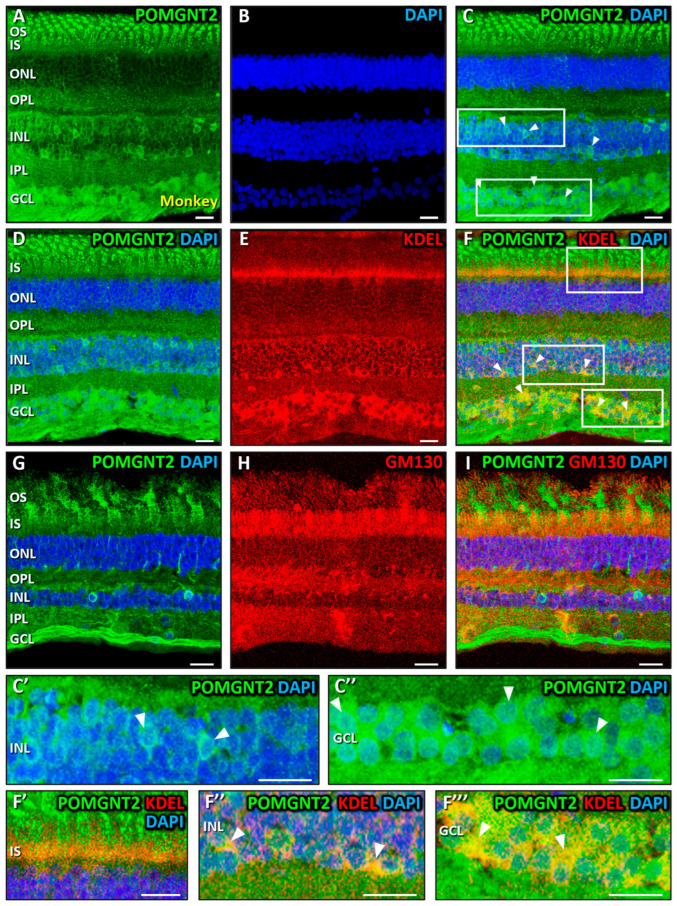 Figure 2
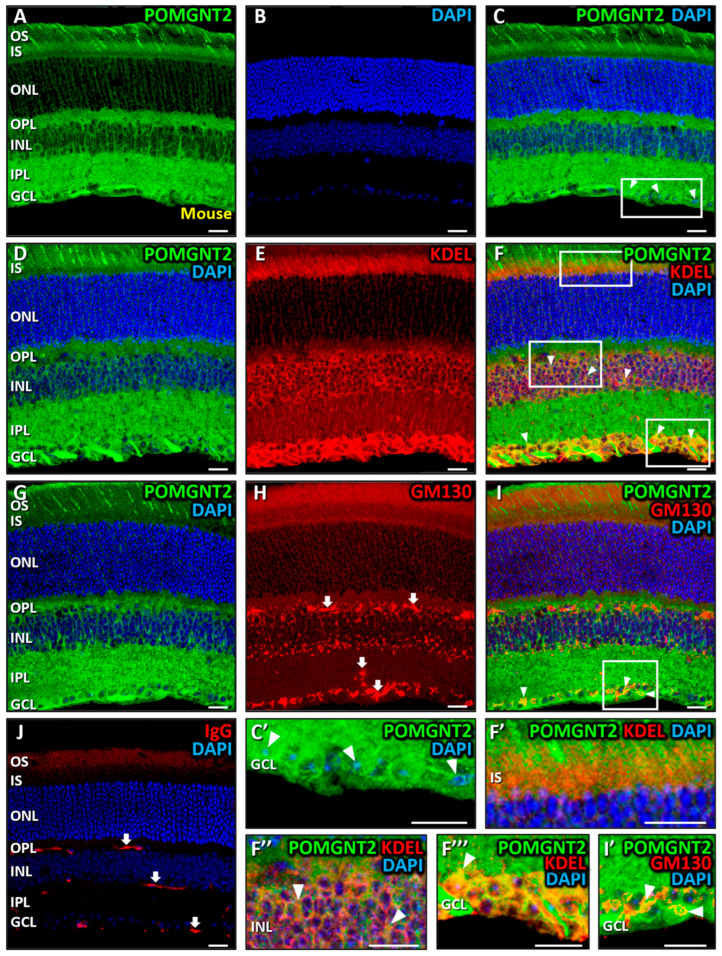 Figure 3
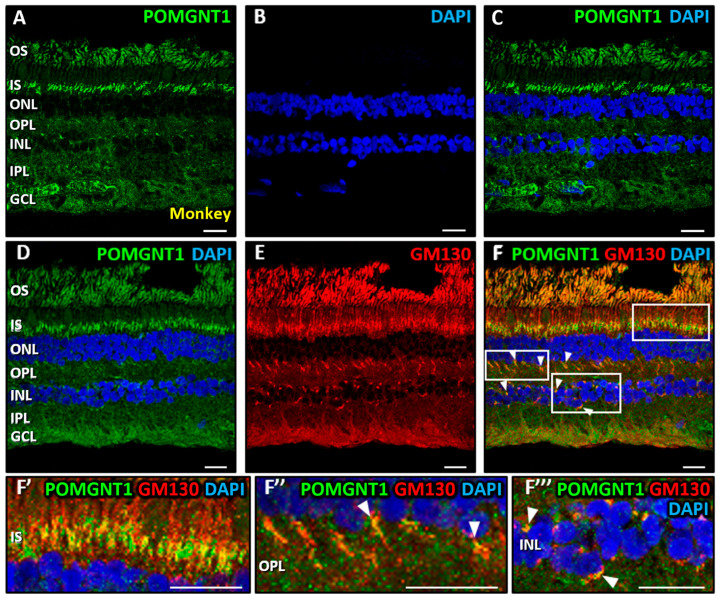 Figure 4
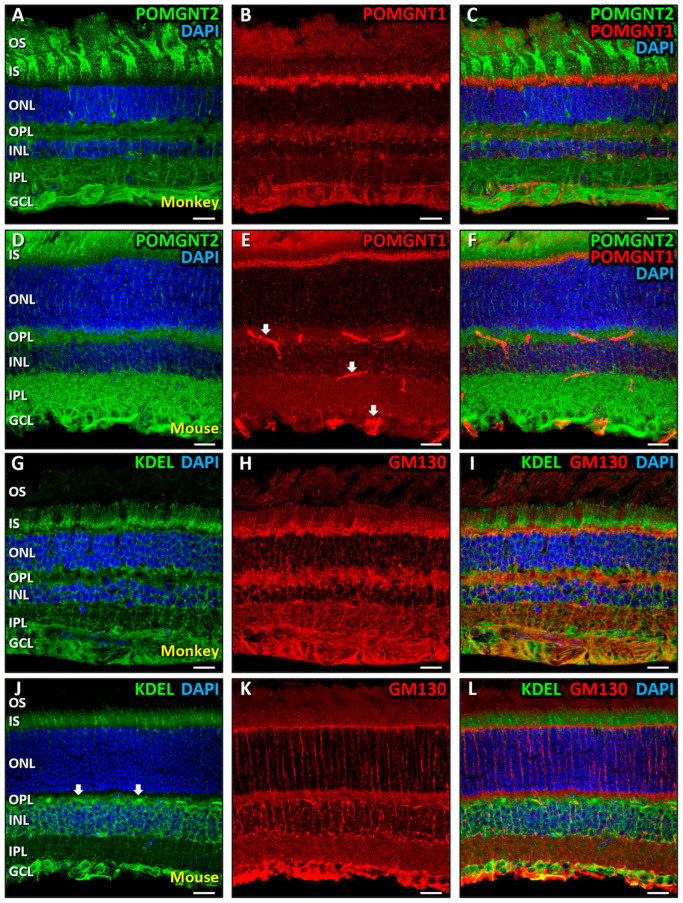 Figure 5
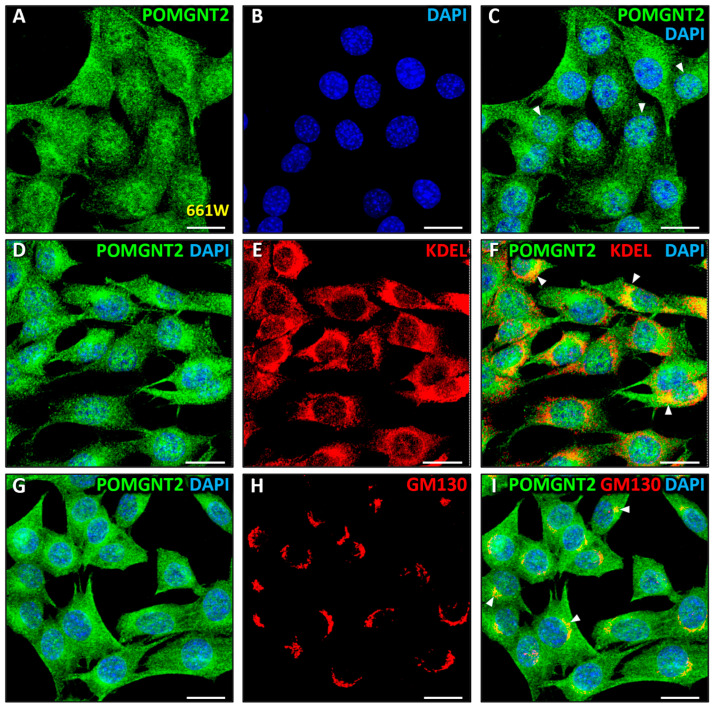 Figure 6
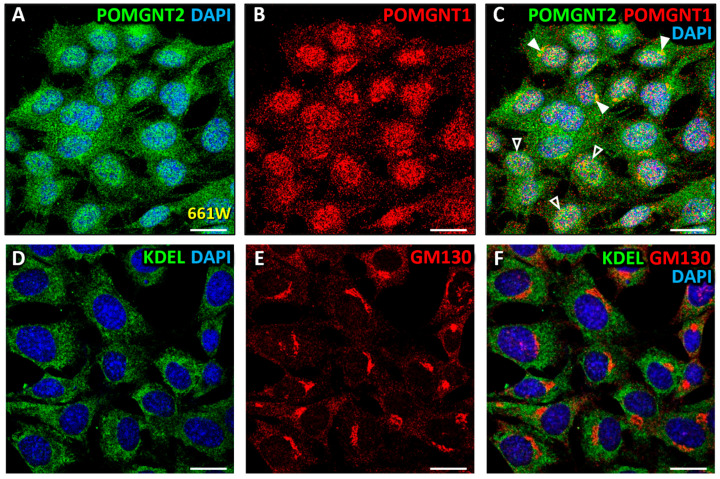 Figure 7
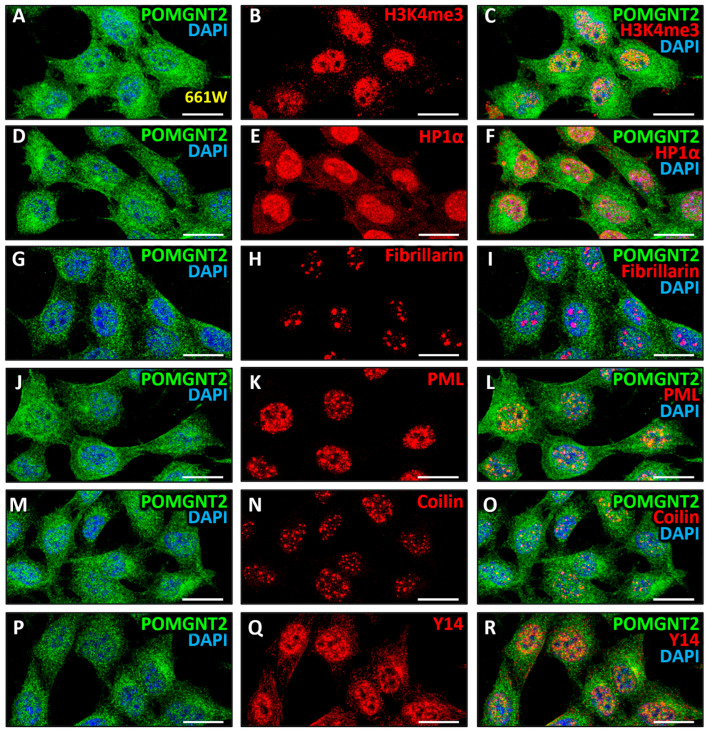 Figure 8
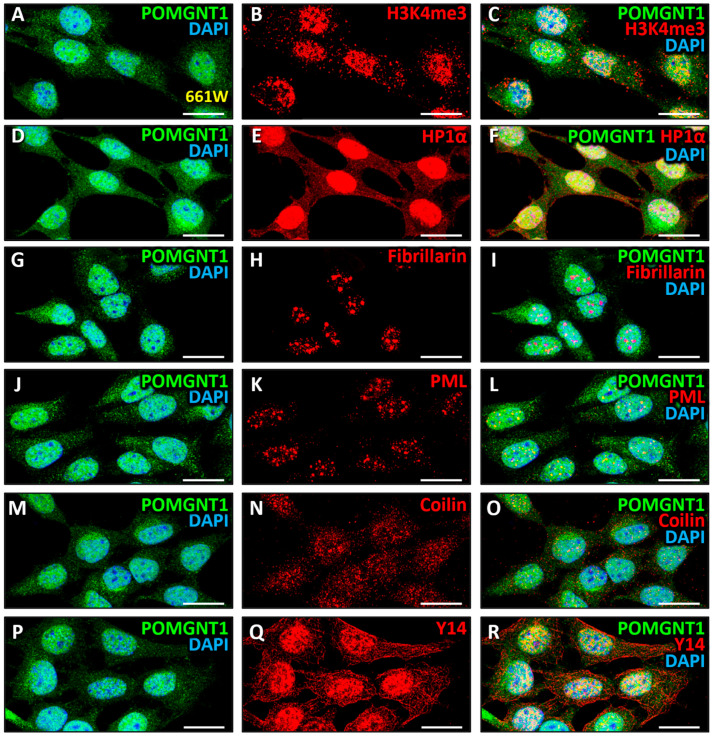 Figure 9
Peer Reviews
No public reviews on file for this paper yet. If you reviewed it on a platform where reviews are public (OpenReview, ICLR, NeurIPS, ICML), you can paste yours below so the community can read it here.
Videos
No videos yet. Explain this paper in a talk, walkthrough, or lecture? Add one.
Taxonomy
TopicsMuscle Physiology and Disorders · GDF15 and Related Biomarkers · Bone and Dental Protein Studies