Investigation of Attenuation Correction Methods for Dual-Gated Single Photon Emission Computed Tomography (DG-SPECT)
Noor M. Rasel, Christina Xing, Shiwei Zhou, Yongyi Yang, Michael A. King, Mingwu Jin

TL;DR
This paper compares two attenuation correction methods for dual-gated SPECT imaging to improve motion artifact reduction in heart scans.
Contribution
The study introduces and evaluates a motion-matched attenuation correction method for dual-gated SPECT imaging.
Findings
4D-RMC (MAC) improved average relative RMSE by up to 5.42% compared to 4D-RMC (AAC).
4D-RMC methods outperformed traditional 4D reconstruction without RMC in lesion detection.
AAC may be sufficient for clinical use, but MAC needs further testing with realistic patient data.
Abstract
Background: Cardiac-respiratory dual gating in SPECT (DG-SPECT) is an emergent technique for alleviating motion blurring artifacts in myocardial perfusion imaging (MPI) due to both cardiac and respiratory motions. Moreover, the attenuation artifact may arise from the spatial mismatch between the sequential SPECT and CT attenuation scans due to the dual gating of SPECT data and non-gating CT images. Objectives: This study adapts a four-dimensional (4D) cardiac SPECT reconstruction with post-reconstruction respiratory motion correction (4D-RMC) for dual-gated SPECT. In theory, a respiratory motion-matched attenuation correction (MAC) method is expected to yield more accurate reconstruction results than the conventional motion-averaged attenuation correction (AAC) method. However, its potential benefit is not clear in the presence of practical imaging artifacts in DG-SPECT. In this study,…
Genes, proteins, chemicals, diseases, species, mutations and cell lines named across the full text — each resolved to its canonical identifier and authoritative record.
Click any figure to enlarge with its caption.
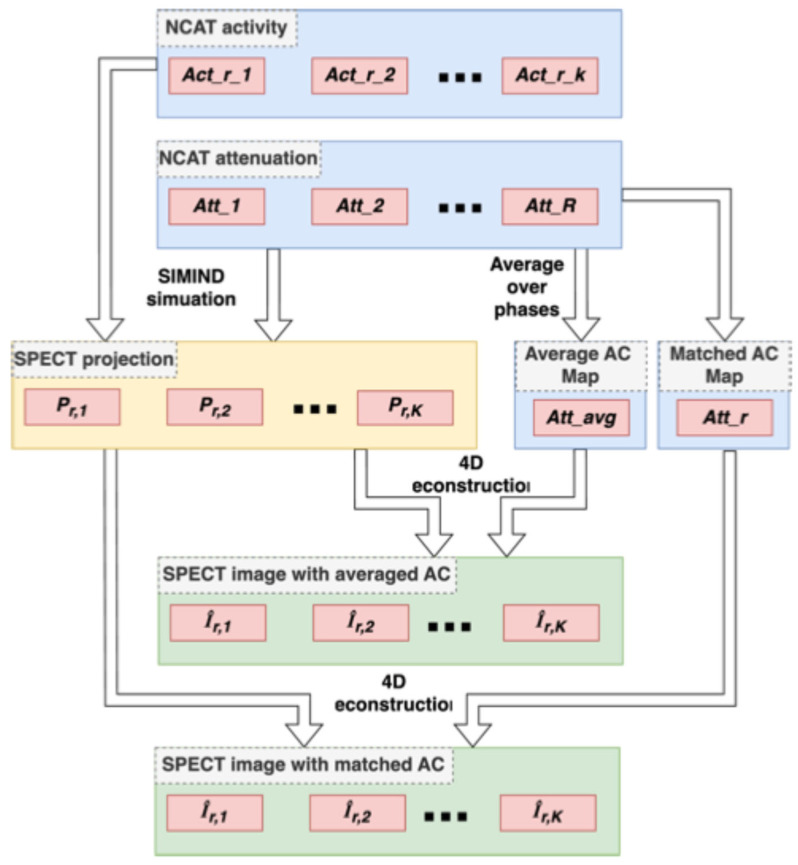 Figure 1
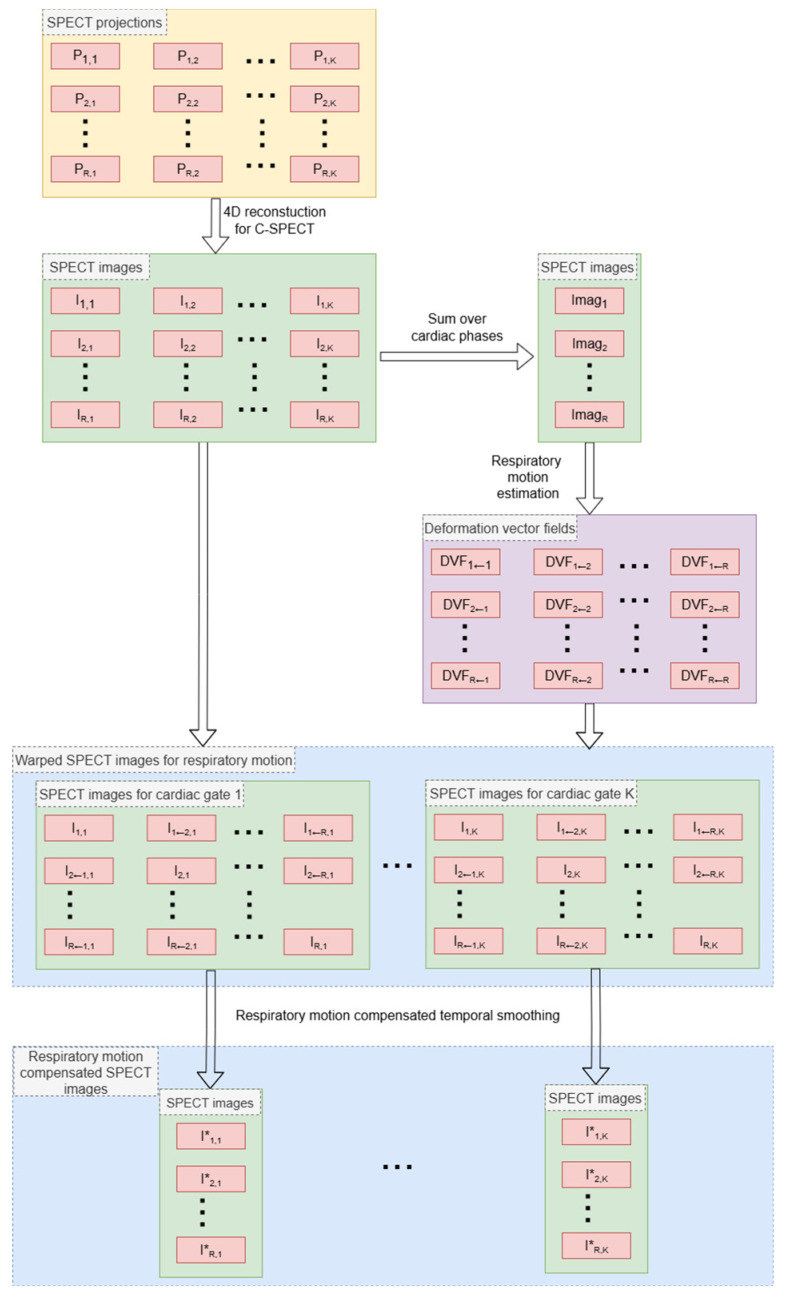 Figure 2
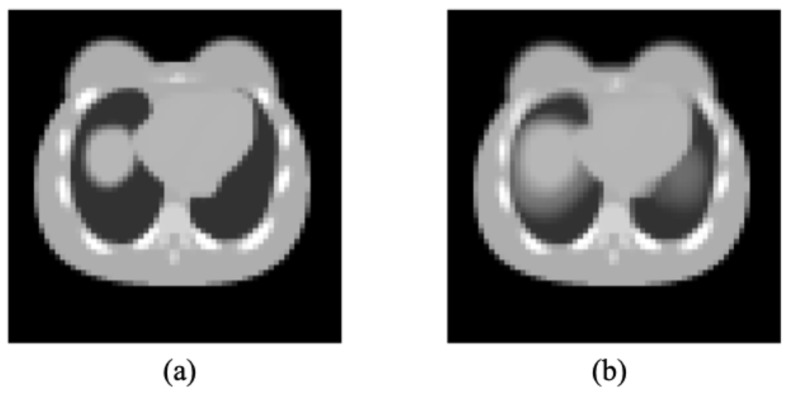 Figure 3
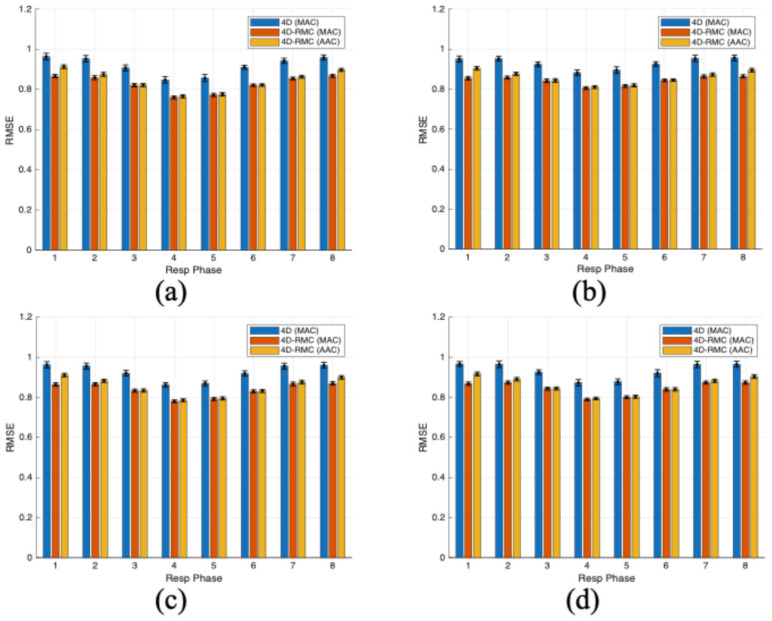 Figure 4
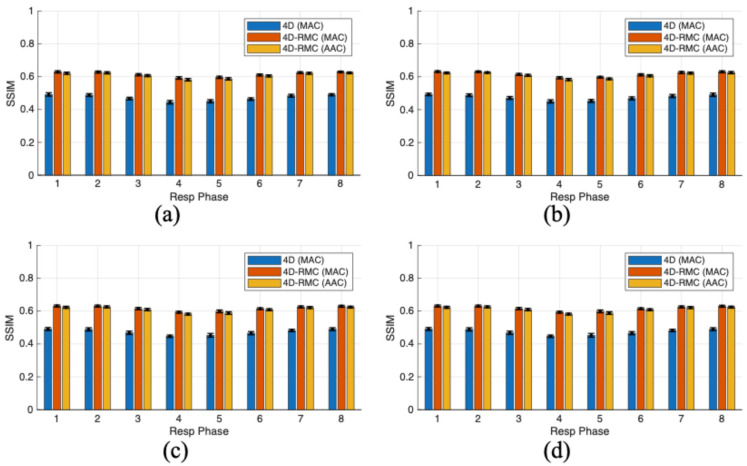 Figure 5
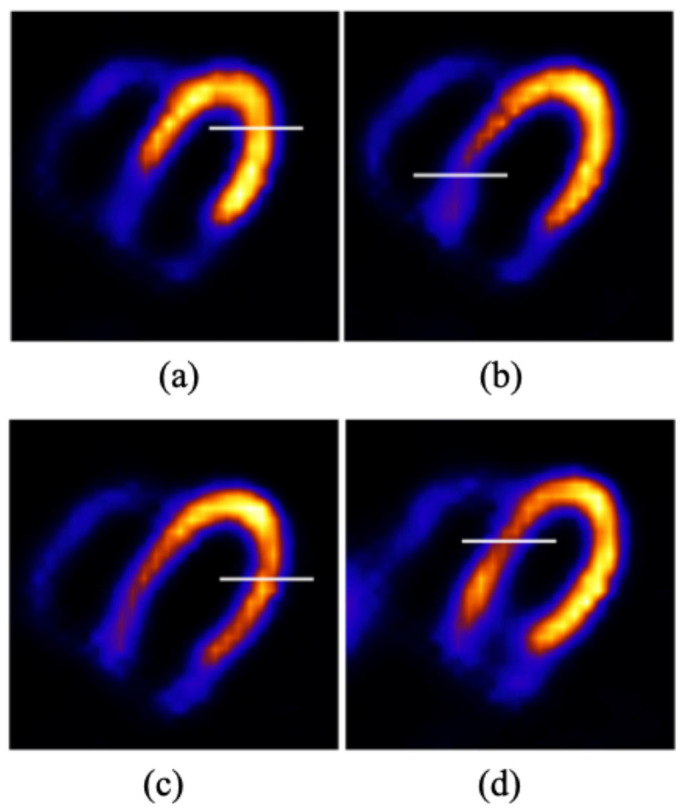 Figure 6
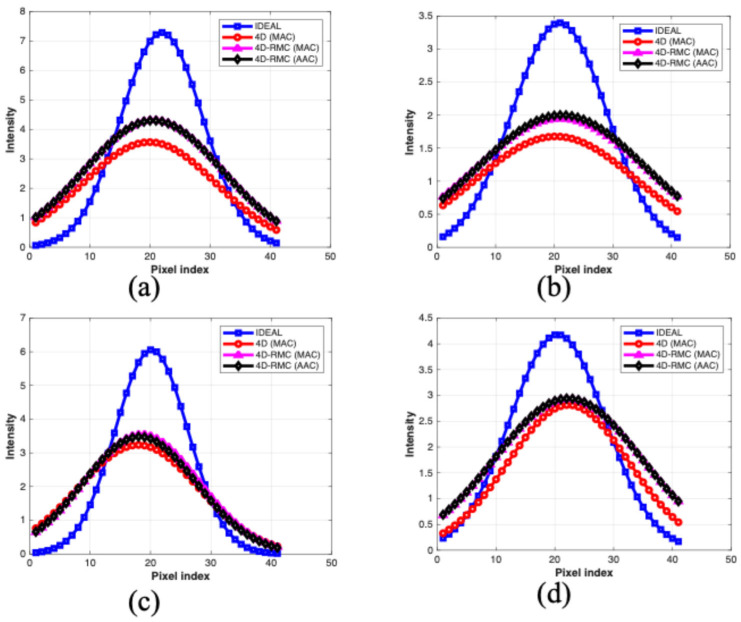 Figure 7
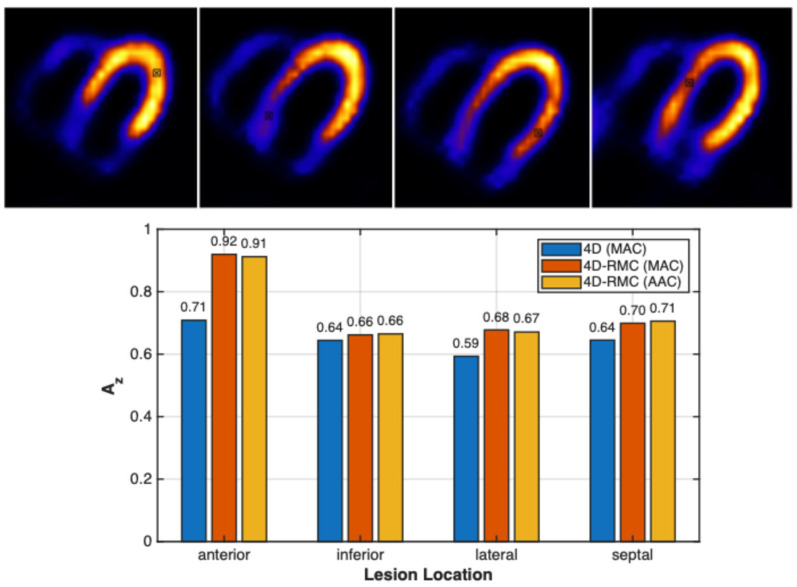 Figure 8
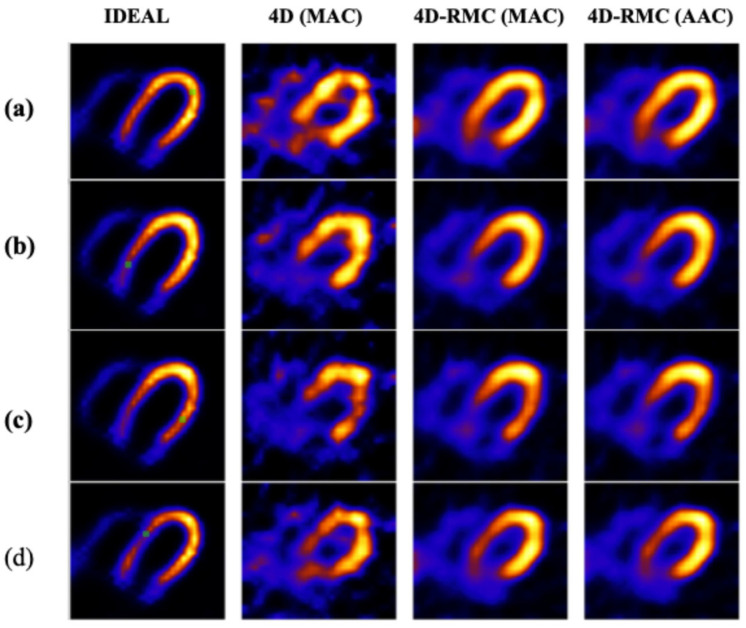 Figure 9
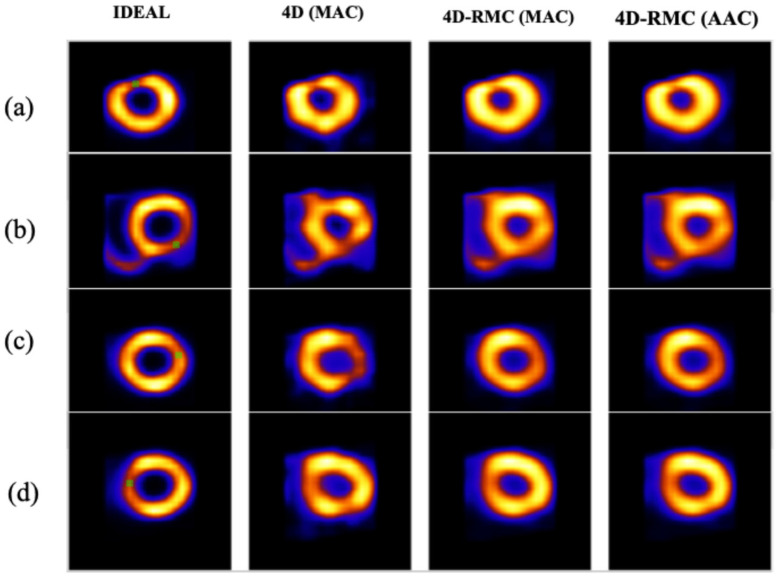 Figure 10
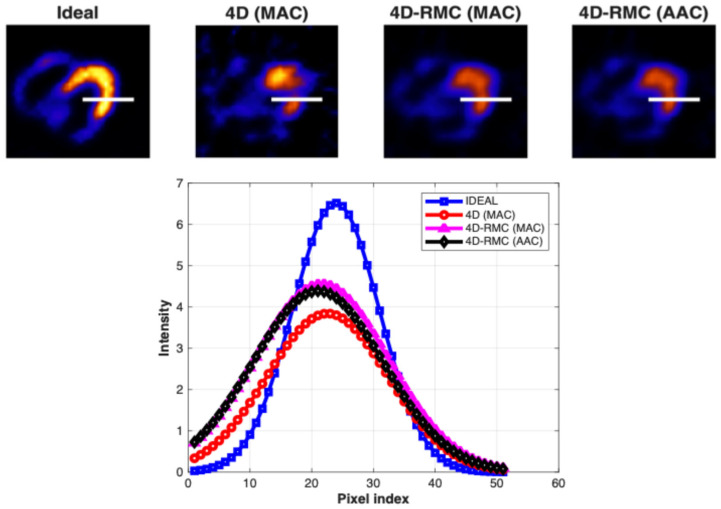 Figure 11
Peer Reviews
No public reviews on file for this paper yet. If you reviewed it on a platform where reviews are public (OpenReview, ICLR, NeurIPS, ICML), you can paste yours below so the community can read it here.
Videos
No videos yet. Explain this paper in a talk, walkthrough, or lecture? Add one.
Taxonomy
TopicsMedical Imaging Techniques and Applications · Cardiac Imaging and Diagnostics · Digital Radiography and Breast Imaging