A Sampling Method Considering Body Size for Detecting the Associated Microbes in Plankton Populations: A Case Study, Using the Bloom-Forming Cyanobacteria, Microcystis
Lizhou Lin, Nanqin Gan, Licheng Huang, Lirong Song, Liang Zhao

TL;DR
This study introduces a new sampling method to better detect microbes associated with tiny aquatic organisms like cyanobacteria, improving accuracy and reducing errors in population-level analysis.
Contribution
The paper proposes group analysis as a novel sampling method to reduce bias and improve accuracy in quantifying associated microbes in microplankton populations.
Findings
Group analysis reduces sampling bias and improves accuracy when comparing microplankton populations.
Increasing the number of individuals per group minimizes the impact of detection limits.
Group analysis is more suitable than simple random sampling when only relative ratios can be measured.
Abstract
It is challenging to accurately measure the microbes living in close association with tiny aquatic organisms. This is because many laboratory methods can only detect the relative amounts of microbes compared to their host, not the absolute number. If the host’s size affects this relative amount, simply testing random individuals may yield misleading results about the whole population. In this study, we simulated a dataset based on a globally widespread phytoplankton to test a different approach called group analysis. This method tests individuals in groups rather than individually. We found that this approach greatly improves accuracy and reduces errors, especially when analyzing groups with many individuals per group. This method also facilitates comparison of different populations and makes it easier to detect microbes present in very small numbers. Our findings offer a practical way…
Genes, proteins, chemicals, diseases, species, mutations and cell lines named across the full text — each resolved to its canonical identifier and authoritative record.
Click any figure to enlarge with its caption.
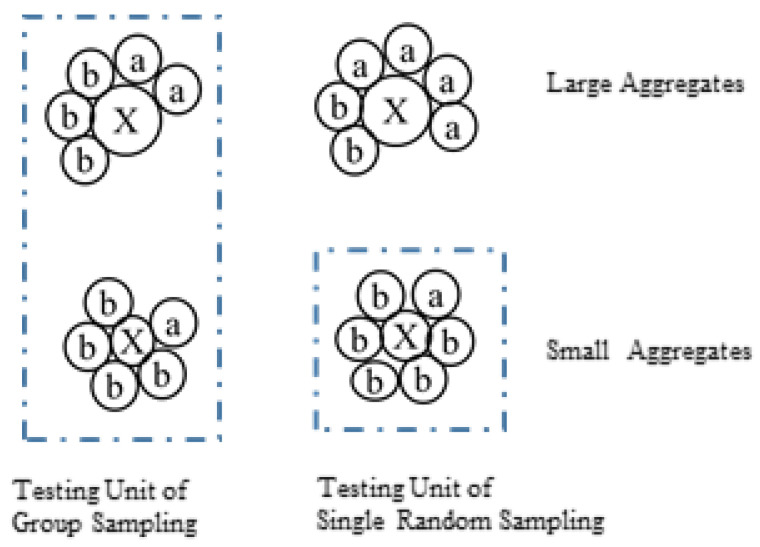 Figure 1
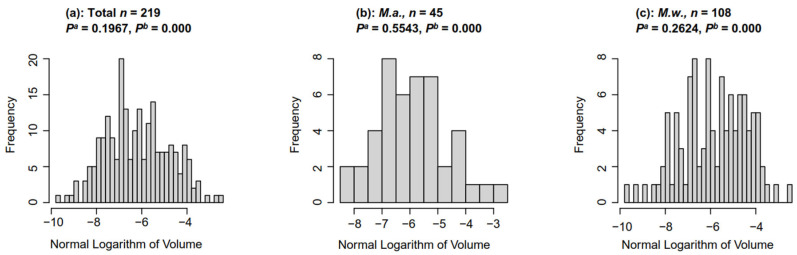 Figure 2
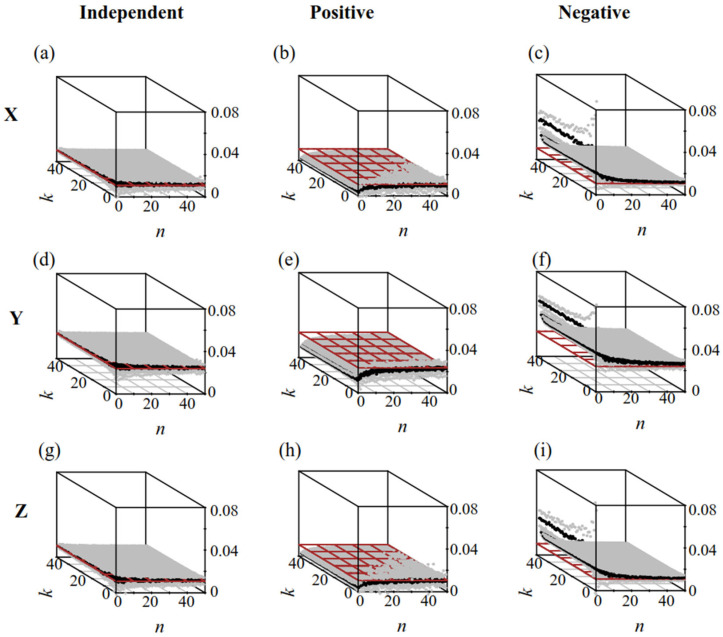 Figure 3
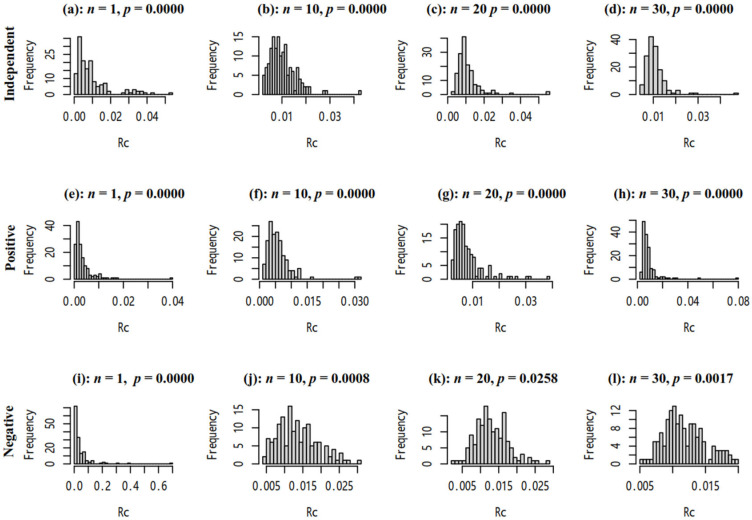 Figure 4
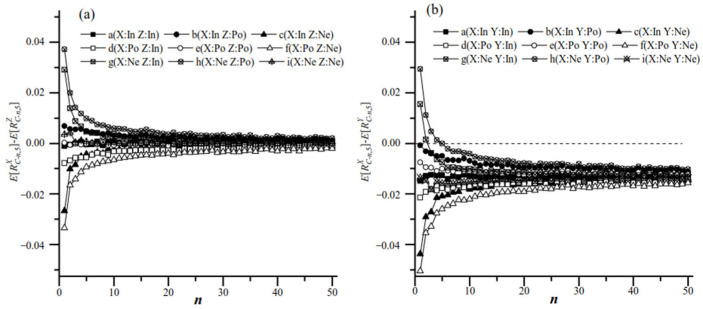 Figure 5
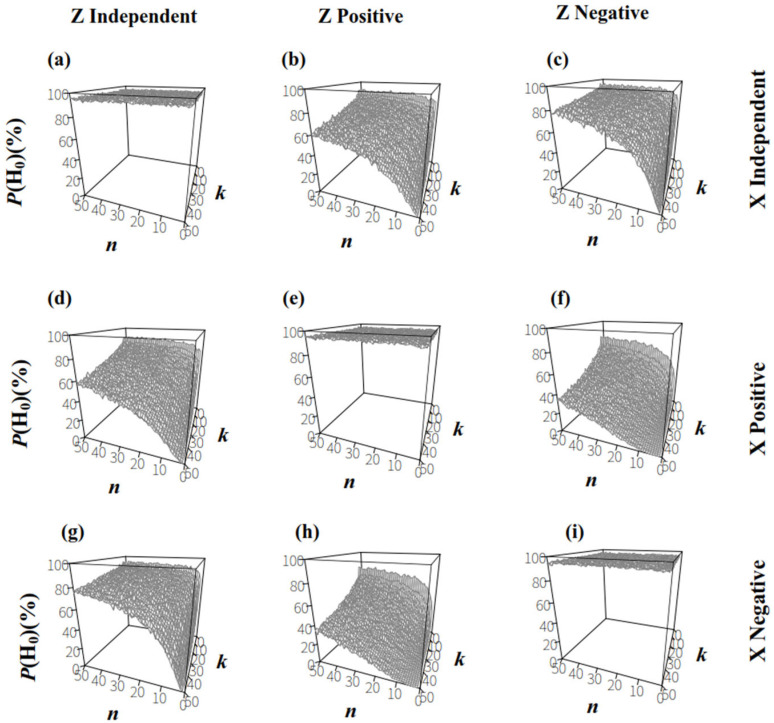 Figure 6
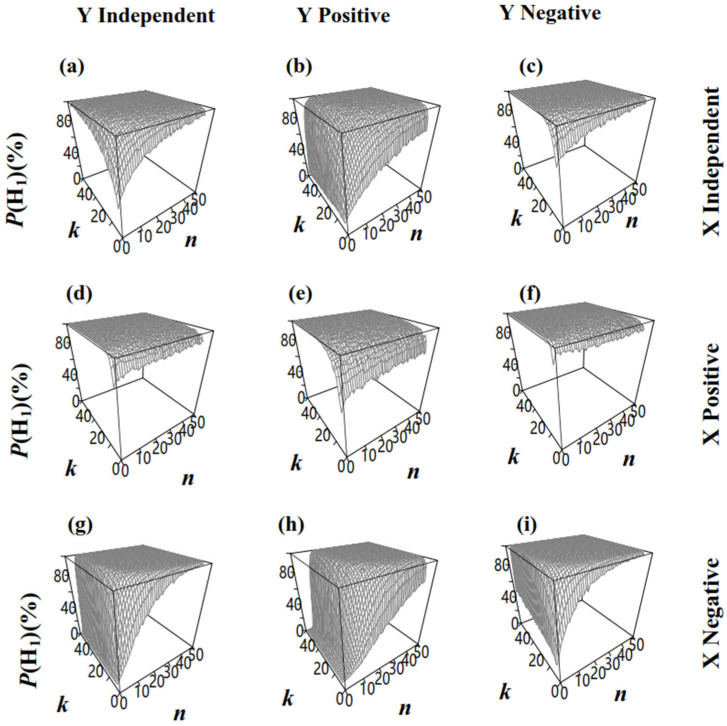 Figure 7
Peer Reviews
No public reviews on file for this paper yet. If you reviewed it on a platform where reviews are public (OpenReview, ICLR, NeurIPS, ICML), you can paste yours below so the community can read it here.
Videos
No videos yet. Explain this paper in a talk, walkthrough, or lecture? Add one.
Taxonomy
TopicsMicrobial Community Ecology and Physiology