Within- and Between-Subject Analyses of the Effects of Chronic Xylazine on Negative Phototaxis in Two Planarian Species
Tom Byrne

TL;DR
This study explores how chronic xylazine exposure affects light-avoiding behavior in two species of planarians, finding species-specific responses.
Contribution
The study introduces planarians as a model for chronic xylazine effects and identifies interspecies behavioral differences.
Findings
Chronic xylazine impaired negative phototaxis in Schmidtea mediterranea but not in Girardia tigrina.
Behavioral effects in S. mediterranea reversed when xylazine exposure ceased.
S. mediterranea showed greater susceptibility to xylazine compared to G. tigrina in a between-group design.
Abstract
Xylazine, an adulterant found frequently in illicit fentanyl, has been implicated in causing several adverse effects in human recreational users, including skin lesions and complications in the treatment of opiate overdose. Despite these public health concerns, the literature on the basic behavioral effects of xylazine is limited. Recent research has demonstrated that planarians show potential as an emerging and practical animal model for studying the behavioral effects of acute xylazine exposure. The goal of the current investigation was to evaluate the behavioral effects of chronic xylazine administration on negative phototaxis in two planarian species: Girardia tigrina and Schmidtea mediterranea. Three experiments were conducted. Overall, 10 µM of chronic xylazine exposure, arranged according to a multiple-baseline design, impaired negative phototaxis in S. mediterranea but not G.…
Genes, proteins, chemicals, diseases, species, mutations and cell lines named across the full text — each resolved to its canonical identifier and authoritative record.
Click any figure to enlarge with its caption.
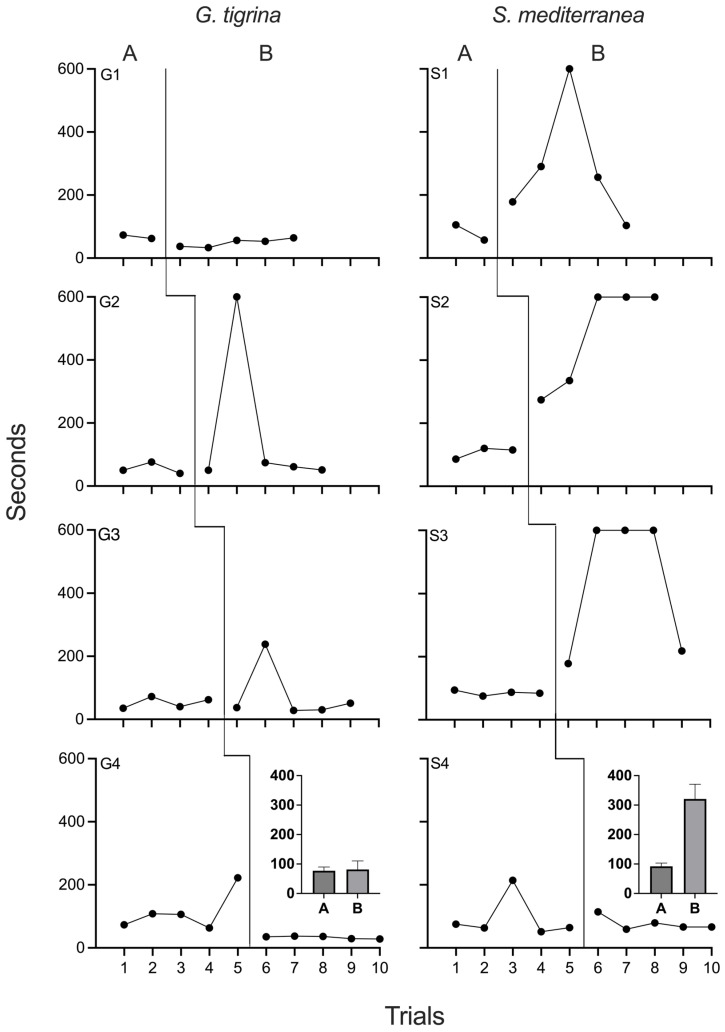 Figure 1
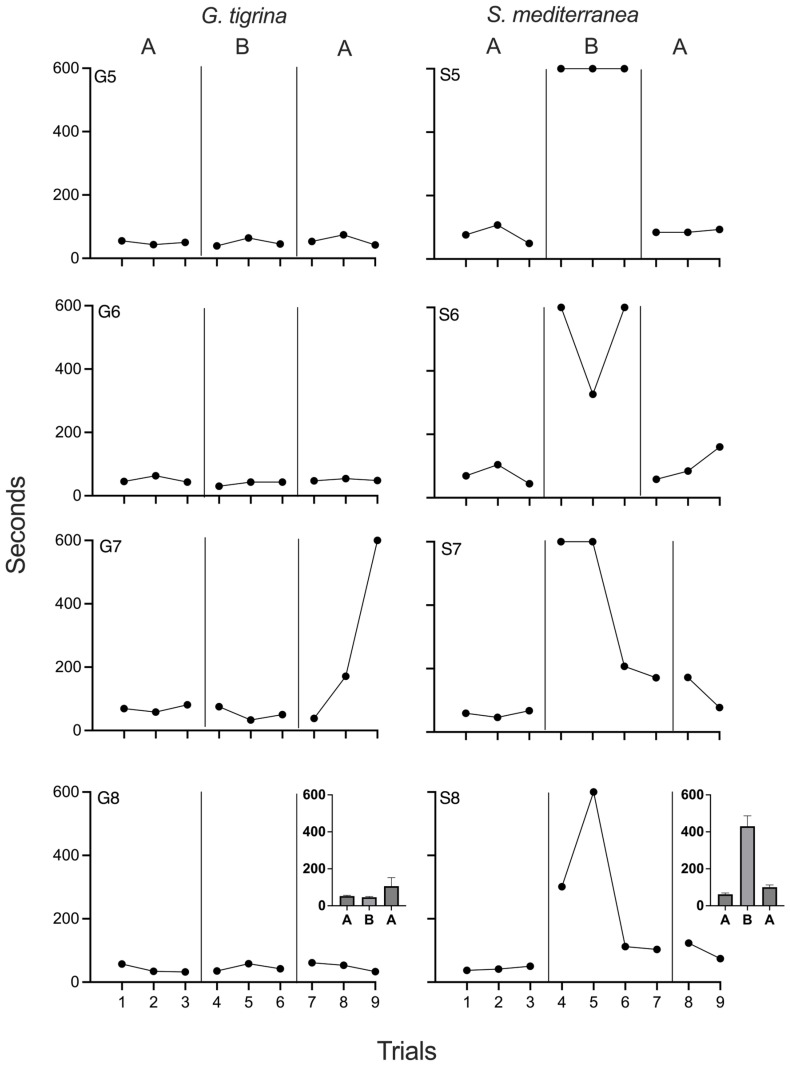 Figure 2
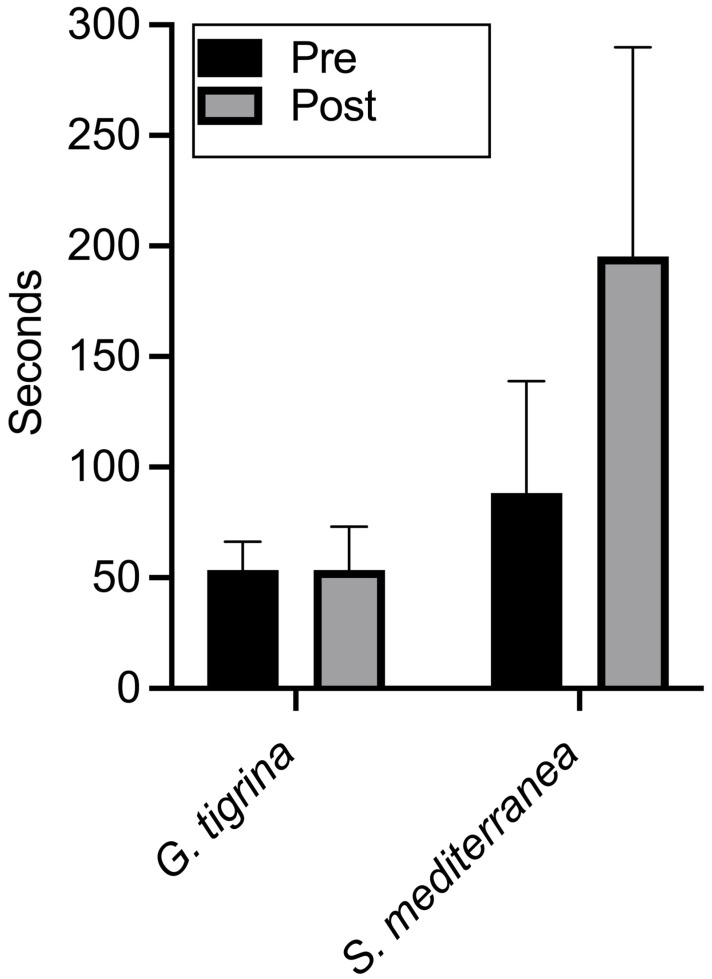 Figure 3
Peer Reviews
No public reviews on file for this paper yet. If you reviewed it on a platform where reviews are public (OpenReview, ICLR, NeurIPS, ICML), you can paste yours below so the community can read it here.
Videos
No videos yet. Explain this paper in a talk, walkthrough, or lecture? Add one.
Taxonomy
TopicsPlanarian Biology and Electrostimulation · Cephalopods and Marine Biology · Parasitic Diseases Research and Treatment