Molluscs from South America to the World: Who and Where Are They?
Gustavo Darrigran, Ignacio Agudo-Padrón, Pedro Báez, Carlos Eduardo Belz, Franz Cardoso, Alvar Carranza, Gonzalo A. Collado, Modesto Correoso, María Gabriela Cuezzo, Alejandra A. Fabres, Monica A. Fernandez, Suzete R. Gomes, Diego E. Gutierrez Gregoric, Sergio Letelier

TL;DR
This paper compiles information on 29 South American mollusc species introduced globally, highlighting their spread due to globalization and environmental changes.
Contribution
The study provides a comprehensive reference on South American invasive molluscs and their global introductions, linking them to climate change and trade.
Findings
Most introductions are linked to globalization and increased trade.
Source regions of these species also received non-native species from Europe and Asia.
Introduced regions face climate change and urbanization impacts.
Abstract
While the threat of climate change increases, biodiversity is also being affected by another problem, the introduction of non-native species that are resistant to environmental disturbances. Some of these non-native species can become invasive and have negative impacts on native ecosystems, public health, and the economy. In this context, society, government, and the academic community—each according to its role—must manage such species, which is a process involving prevention, detection, and control. In this work, the researchers who compose eMIAS (South American Invasive Mollusks Specialists) focus on compiling a reference work for the 29 mollusc species that are native to South America and that have been introduced to other continents. Among those 29 species, 10 are marine, 10 are freshwater, and 9 are terrestrial. These introductions, over the past five decades, have been…
Genes, proteins, chemicals, diseases, species, mutations and cell lines named across the full text — each resolved to its canonical identifier and authoritative record.
Click any figure to enlarge with its caption.
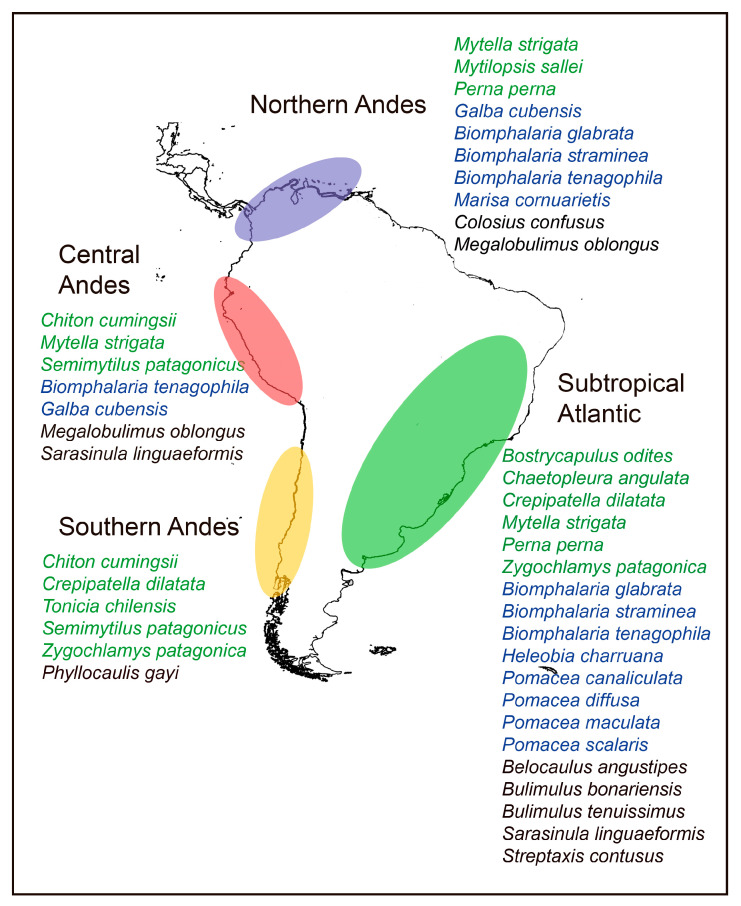 Figure 1
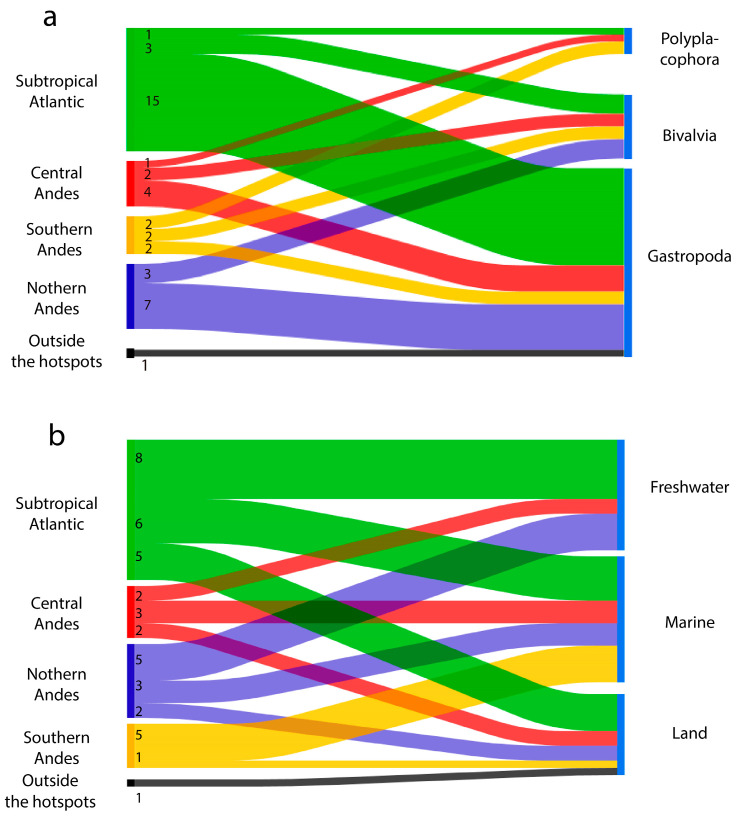 Figure 2
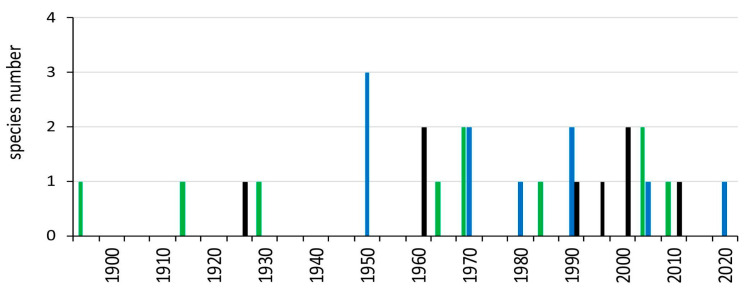 Figure 3
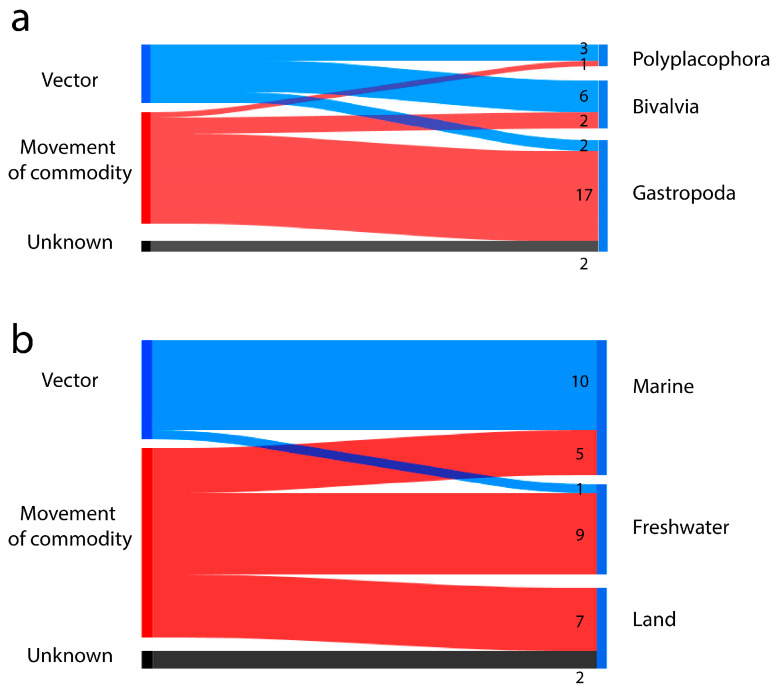 Figure 4
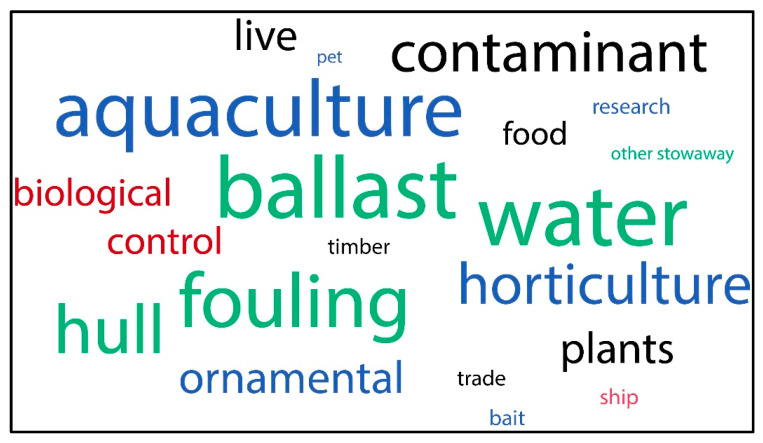 Figure 5
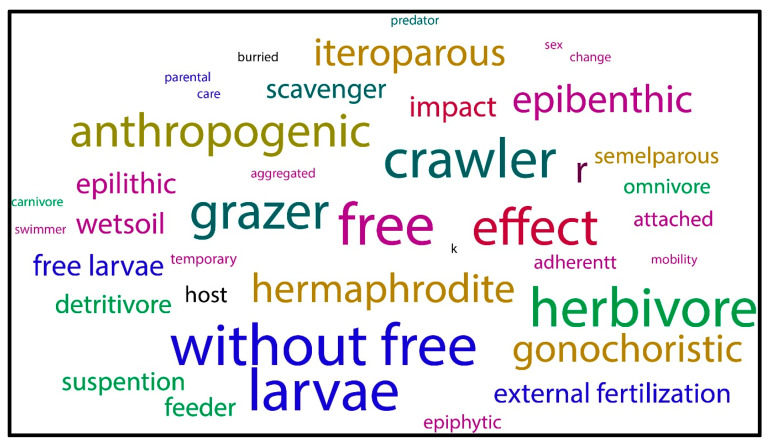 Figure 6
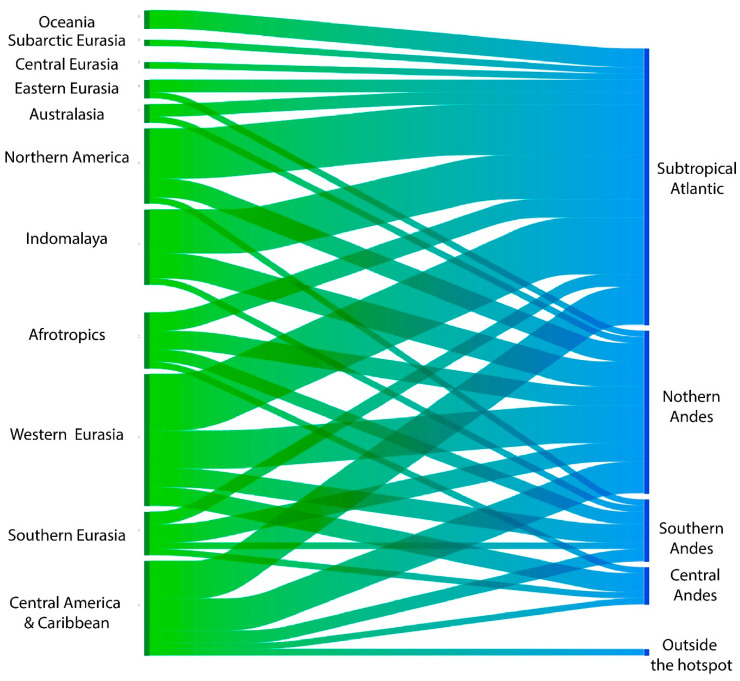 Figure 7
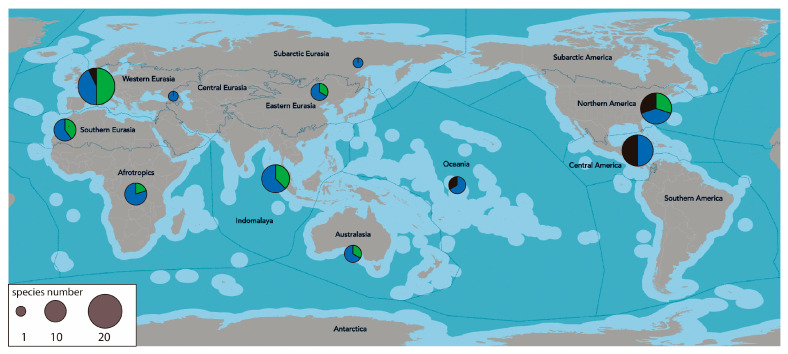 Figure 8
Peer Reviews
No public reviews on file for this paper yet. If you reviewed it on a platform where reviews are public (OpenReview, ICLR, NeurIPS, ICML), you can paste yours below so the community can read it here.
Videos
No videos yet. Explain this paper in a talk, walkthrough, or lecture? Add one.
Taxonomy
TopicsAquatic Invertebrate Ecology and Behavior · Mollusks and Parasites Studies · Marine Ecology and Invasive Species