Identification of SNP Markers in the Glutamate Dehydrogenase (GDH) and Aspartate Aminotransferase 2 (AST2) Associated with Ammonia Nitrogen Tolerance in Penaeus monodon
Yangyang Ding, Jinsong Chen, Song Jiang, Qibin Yang, Yundong Li, Jianhua Huang, Lishi Yang, Jianzhi Shi, Yebing Yu, Shigui Jiang, Falin Zhou

TL;DR
This study identifies genetic markers in black tiger shrimp linked to ammonia tolerance, which can help improve breeding for better survival in high-density aquaculture.
Contribution
The study discovers specific SNPs in GDH and AST2 genes associated with ammonia nitrogen tolerance in black tiger shrimp.
Findings
Two SNPs, PmGDH-1227 and PmAST2-132, show significant differences between ammonia-resistant and susceptible shrimp.
PmGDH and PmAST2 are evolutionarily conserved but show divergence in selective pressure in invertebrates.
Three haplotypes were found to have significantly different distributions between resistant and susceptible shrimp.
Abstract
Black tiger shrimp is a major farmed shrimp species in the world, which is negatively impacted by high ammonia nitrogen levels in high-density aquaculture. This study investigated the genetic basis of ammonia tolerance, focusing on two conserved genes (glutamate dehydrogenase and aspartate aminotransferase 2) involved in ammonia metabolism. Single nucleotide polymorphisms (SNPs) in these two genes were identified, genotyped and analyzed in different shrimp populations. Two specific SNPs (PmGDH-1227 and PmAST2-132) showed a significant distribution difference between ammonia-susceptible and ammonia-resistant shrimp. This study intuitively represented the interaction of PmGDH and PmAST2 to ammonia nitrogen and developed SNP markers linked to ammonia tolerance in these two genes from black tiger shrimp, providing valuable tools for molecular marker-assisted breeding programs to develop new…
Genes, proteins, chemicals, diseases, species, mutations and cell lines named across the full text — each resolved to its canonical identifier and authoritative record.
Click any figure to enlarge with its caption.
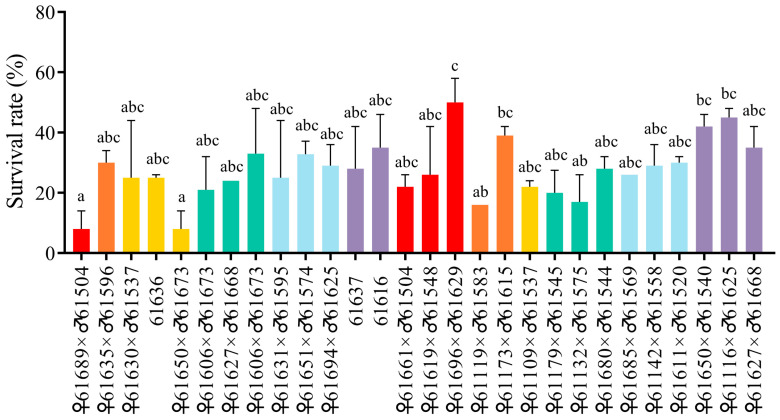 Figure 1
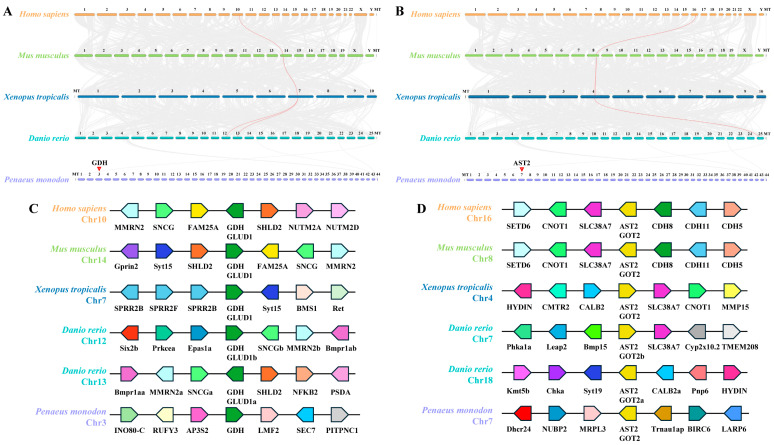 Figure 2
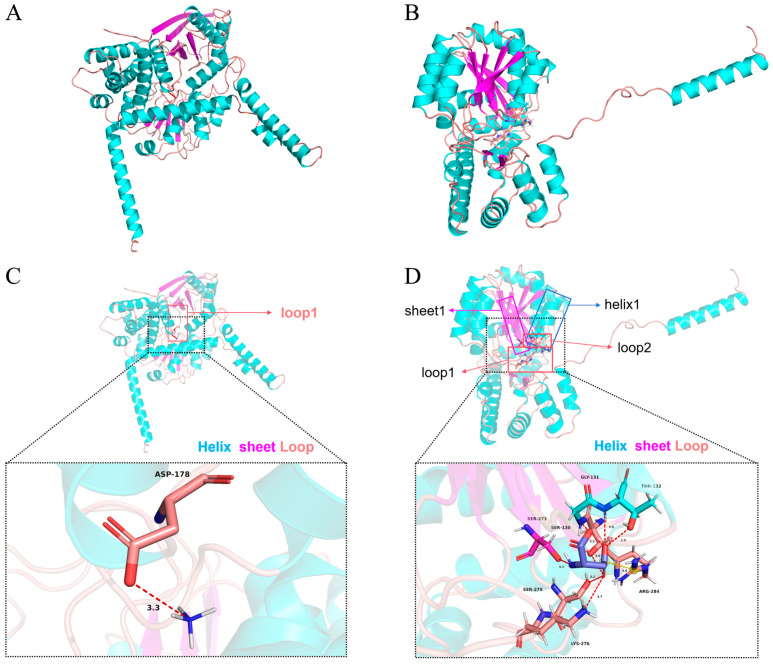 Figure 3
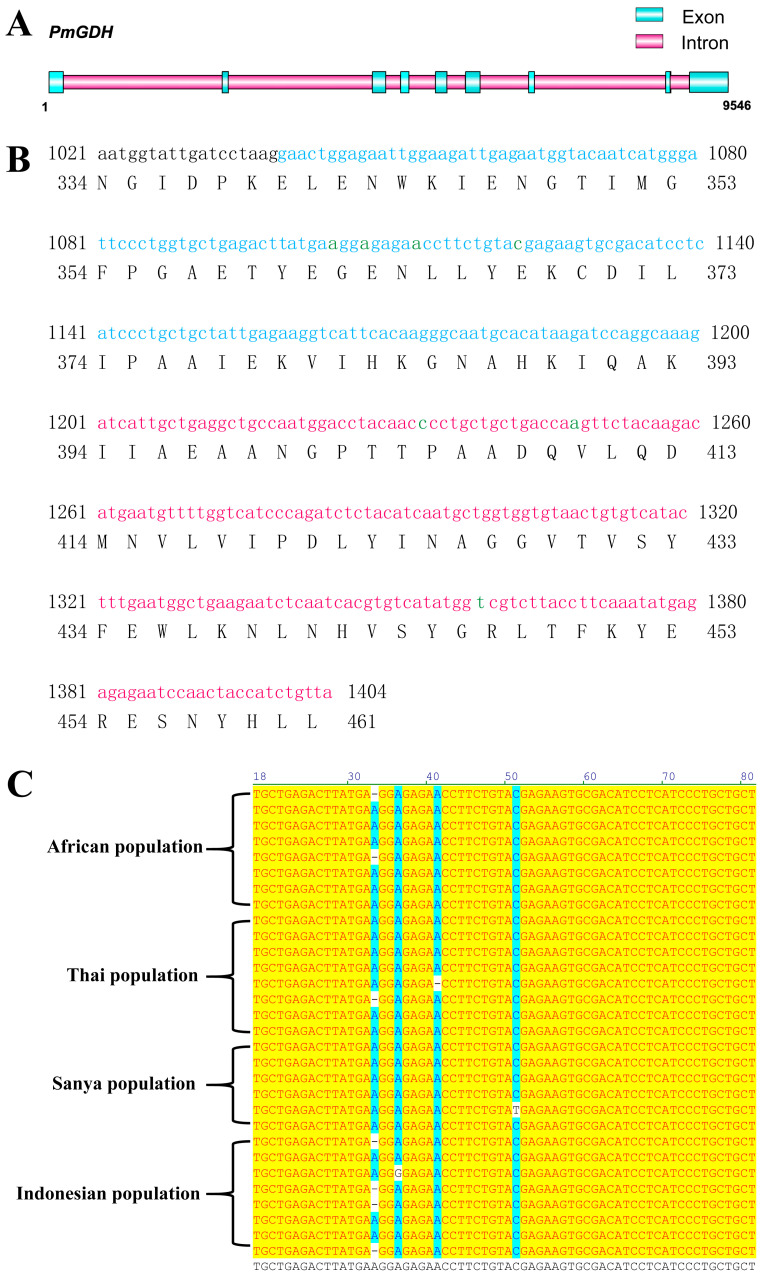 Figure 4
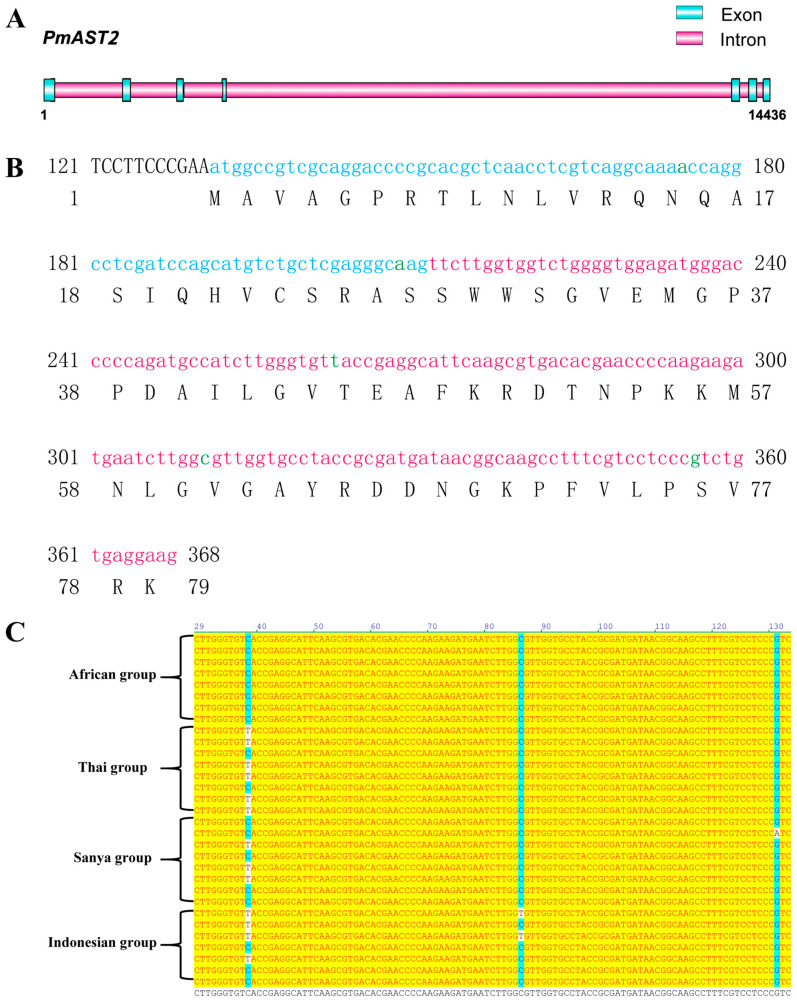 Figure 5
Peer Reviews
No public reviews on file for this paper yet. If you reviewed it on a platform where reviews are public (OpenReview, ICLR, NeurIPS, ICML), you can paste yours below so the community can read it here.
Videos
No videos yet. Explain this paper in a talk, walkthrough, or lecture? Add one.
Taxonomy
TopicsCrustacean biology and ecology · Invertebrate Immune Response Mechanisms · Neurobiology and Insect Physiology Research