Directed Experimental Adaptive Evolution of Osmoregulation in Fungal Pathogen Magnaporthe oryzae Is Independent of Glycerol Metabolism-Associated Genes
Katharina Bersching, Christiane Grünewald, Stefan Jacob

TL;DR
This study explores how the rice blast fungus adapts to osmotic stress through experimental evolution, revealing that glycerol metabolism is not the main driver of this adaptation.
Contribution
The study shows that osmoregulation in fungal suppressor strains evolved independently of glycerol metabolism-associated genes.
Findings
Two suppressor types emerged from HOG pathway mutants: reversible and irreversible.
Both suppressor types produce glycerol instead of arabitol as a stress response.
Glycerol metabolism genes are not the main drivers of adaptive evolution in these mutants.
Abstract
The world’s population is rising rapidly, and a major problem is global food security. Magnaporthe oryzae is placed first on a list of the world’s top ten plant pathogens with the highest scientific and economic importance since it causes blast, which is the most devastating disease of cultivated rice—the major food source for more than half of the world’s population. In this study, we demonstrate directed experimental adaptive evolution in this fungus and give insights into this evolutionary phenomenon with regard to the molecular mechanisms behind it. These results will help us better understand the molecular basis of evolutionary events of the rice blast fungus and may open the door to developing new strategies for plant protection and food security in the future. In addition, our study is a valuable contribution to the basic research area of signaling mechanisms in filamentous…
Genes, proteins, chemicals, diseases, species, mutations and cell lines named across the full text — each resolved to its canonical identifier and authoritative record.
Click any figure to enlarge with its caption.
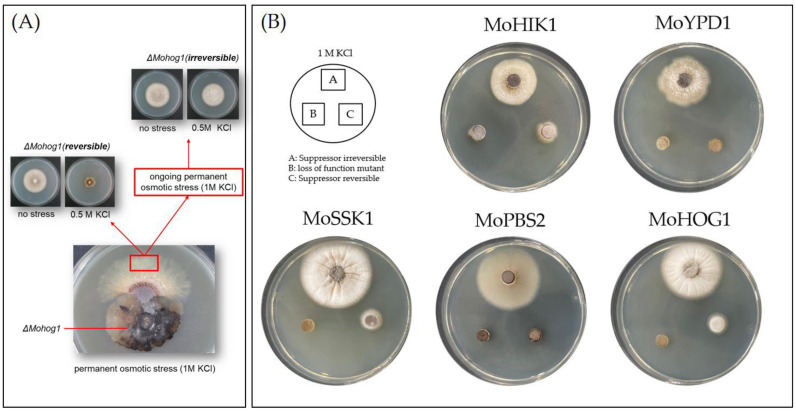 Figure 1
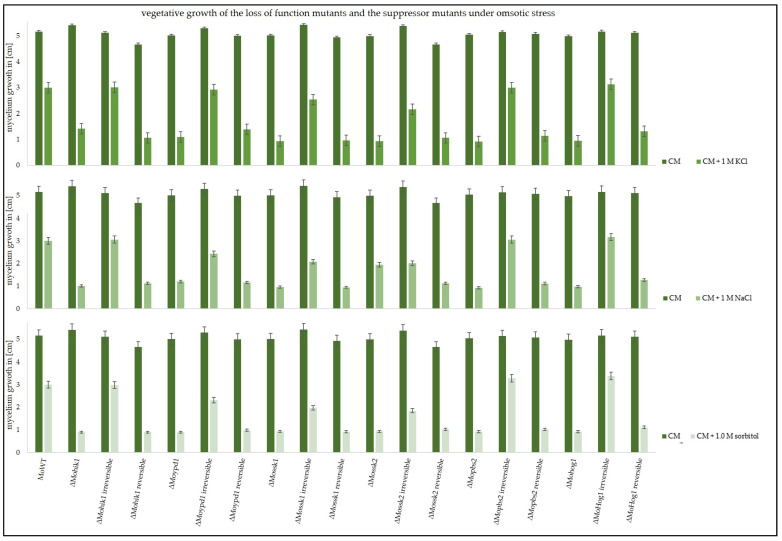 Figure 2
 Figure 3
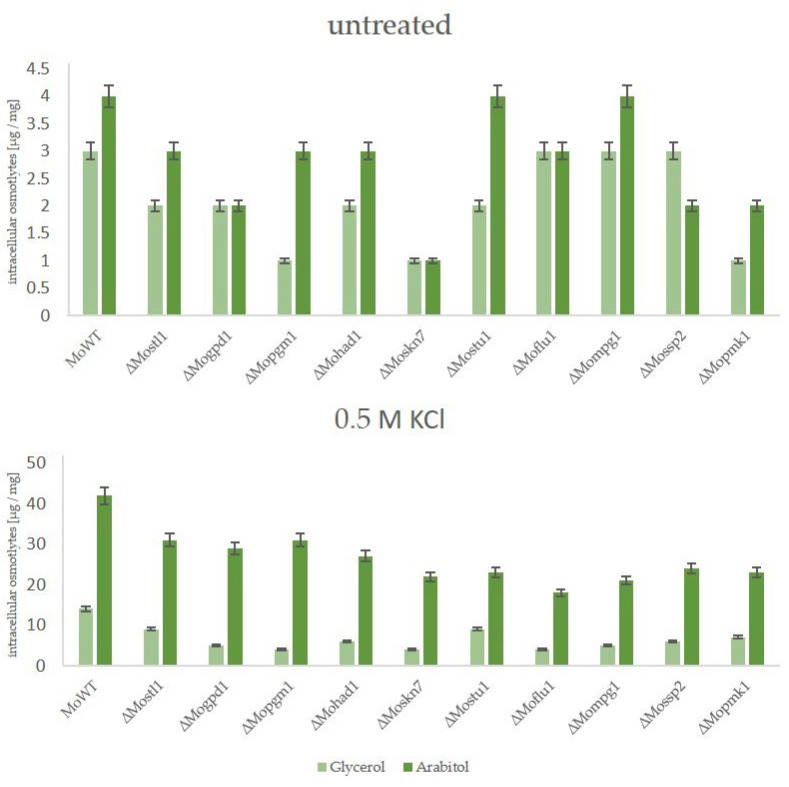 Figure 4
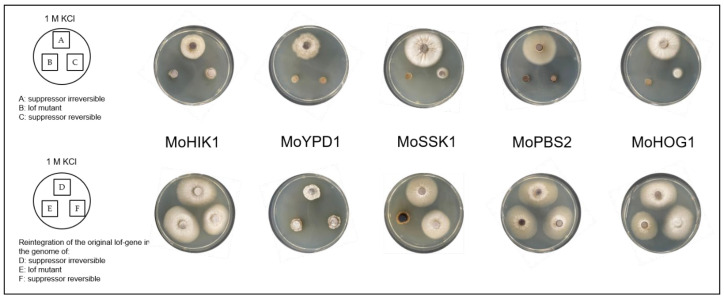 Figure 5
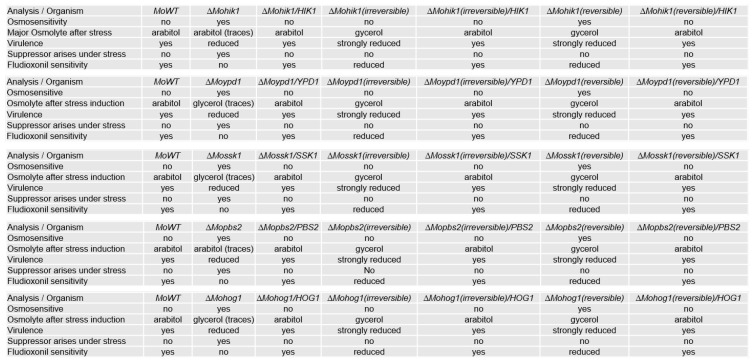 Figure 6
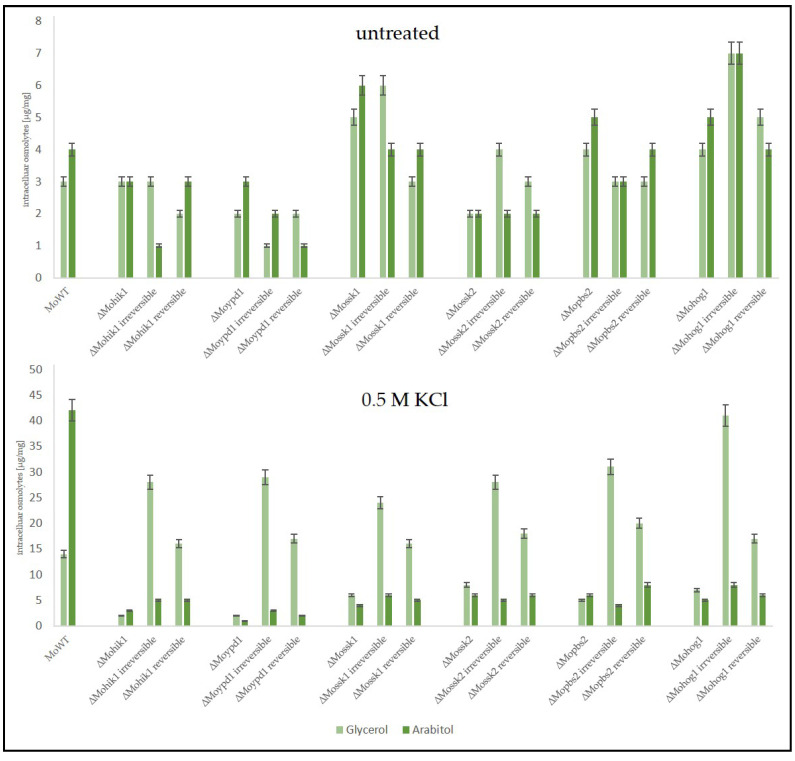 Figure 7
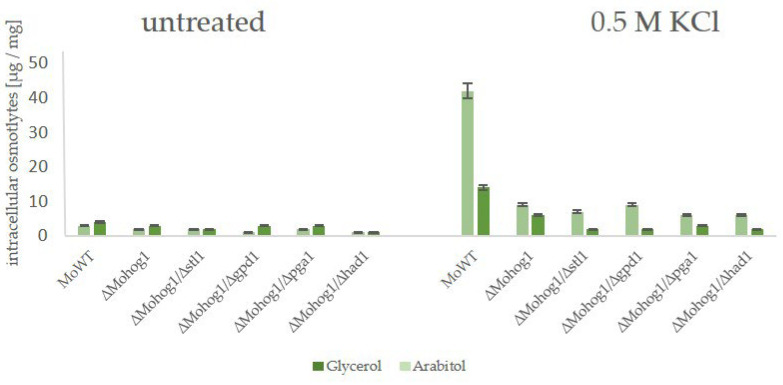 Figure 8
Peer Reviews
No public reviews on file for this paper yet. If you reviewed it on a platform where reviews are public (OpenReview, ICLR, NeurIPS, ICML), you can paste yours below so the community can read it here.
Videos
No videos yet. Explain this paper in a talk, walkthrough, or lecture? Add one.
Taxonomy
TopicsFungal and yeast genetics research · Plant-Microbe Interactions and Immunity · Microbial Natural Products and Biosynthesis