Metabolome and Metagenome Signatures Underlying the Differential Resistance of Percocypris pingi, Crucian Carp, and Yellow Catfish to Ichthyophthirius multifiliis Infection
Yi Liu, Jiang Xie, Yang He, Qingchao Shi, Quan Gong, Weihong Zhao, Chuanjie Qin, Chuang Zhou

TL;DR
This study shows that a fish species called Percocypris pingi is highly resistant to a parasitic disease due to high antioxidants and a unique skin microbiome.
Contribution
The study reveals a synergistic role of antioxidants and microbiome in disease resistance in fish.
Findings
Percocypris pingi has significantly higher levels of glutathione and other antioxidants compared to susceptible fish species.
The skin microbiome of P. pingi is more diverse and lacks parasitic bacteria found in susceptible species.
The microbiome of P. pingi is enriched in fundamental metabolic pathways, while susceptible species show disease-related pathways.
Abstract
Some fish species are naturally more resistant to the parasitic disease “white spot” caused by Ichthyophthirius multifiliis, which is a major problem in fish farming. To understand why, we studied three fish species: the resistant Percocypris pingi and the more susceptible crucian carp and yellow catfish. We discovered that the skin of the resistant P. pingi has a unique combination of features. It contains very high levels of protective antioxidant molecules, especially glutathione, which was dozens of times more abundant than in the other species. At the same time, the community of microbes on its skin is different and more diverse, notably lacking certain parasitic bacteria that are common on the susceptible fish. We conclude that the remarkable disease resistance of P. pingi is due to this powerful one-two punch: a strong antioxidant system working together with a protective skin…
Genes, proteins, chemicals, diseases, species, mutations and cell lines named across the full text — each resolved to its canonical identifier and authoritative record.
Click any figure to enlarge with its caption.
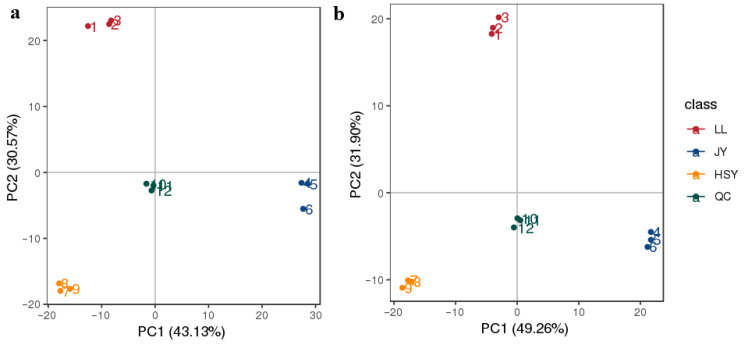 Figure 1
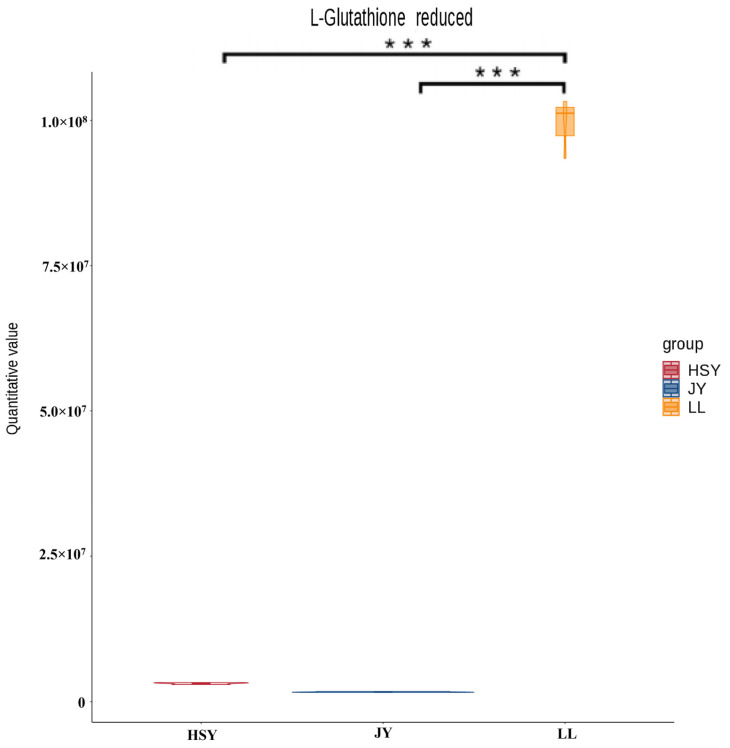 Figure 2
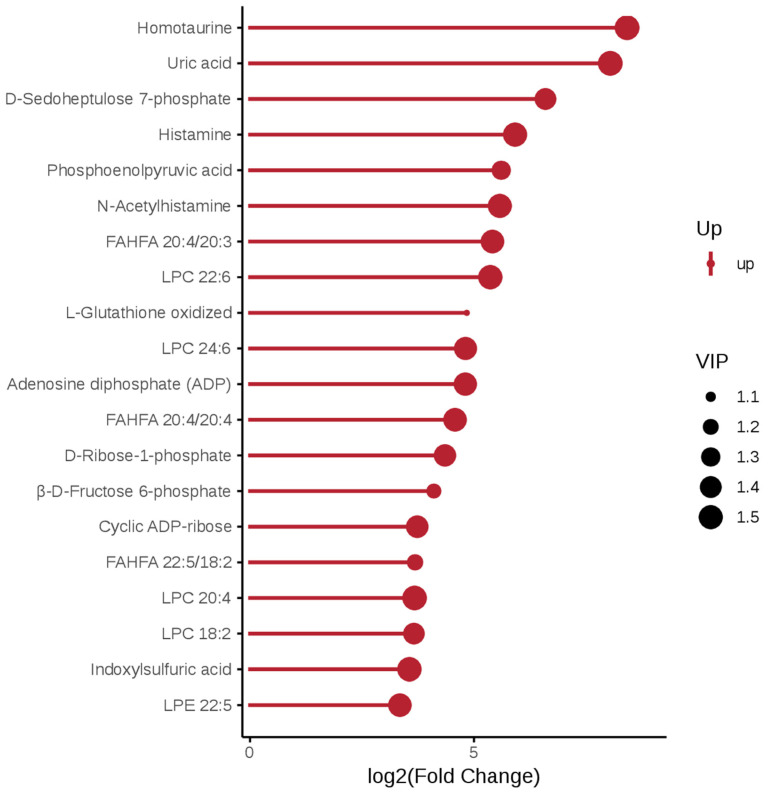 Figure 3
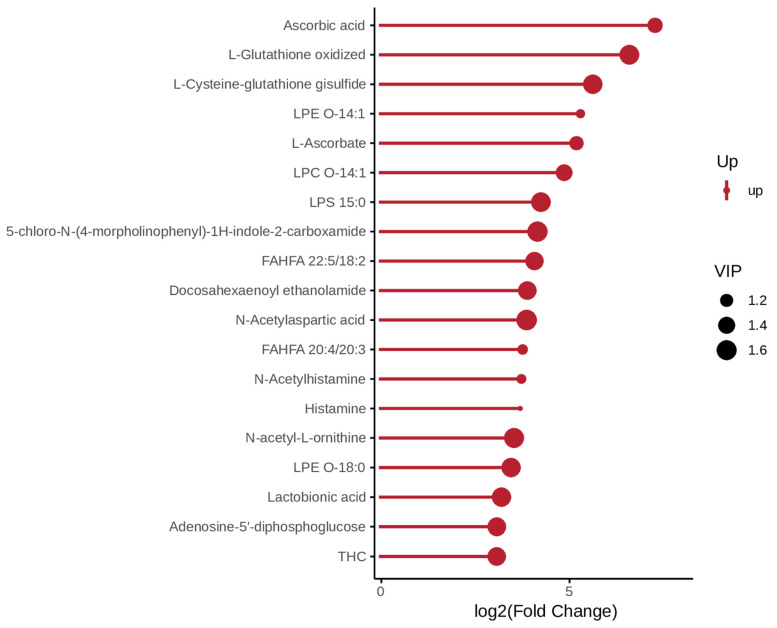 Figure 4
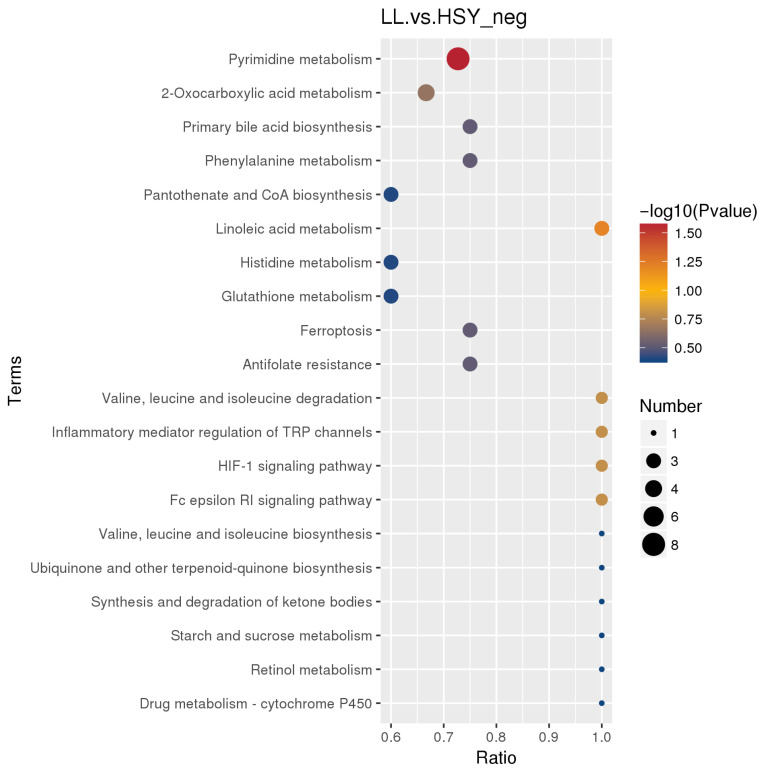 Figure 5
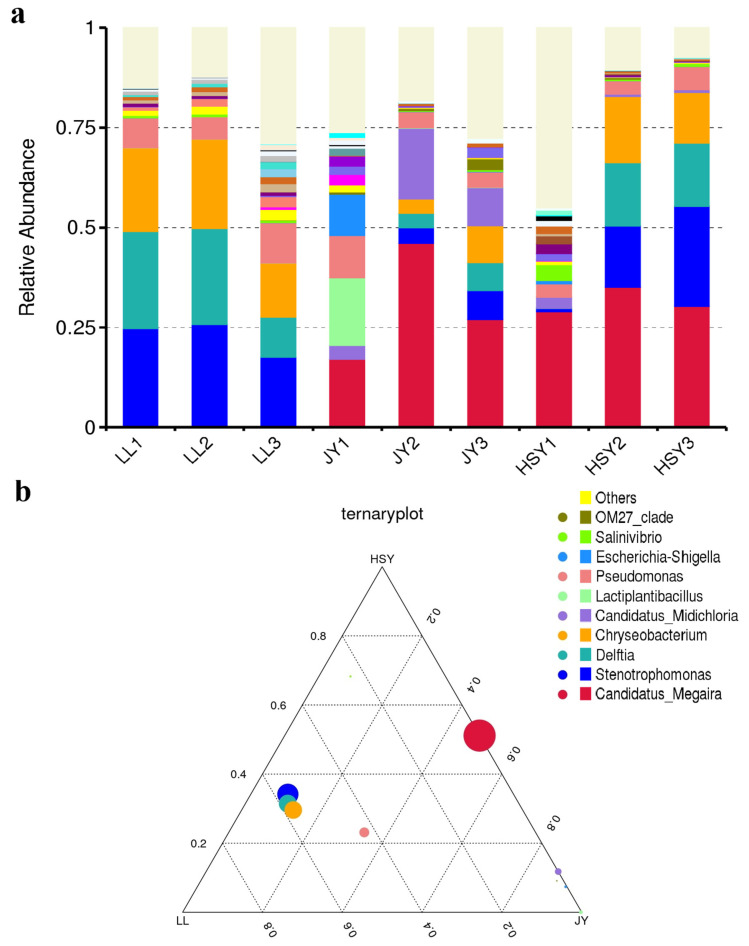 Figure 6
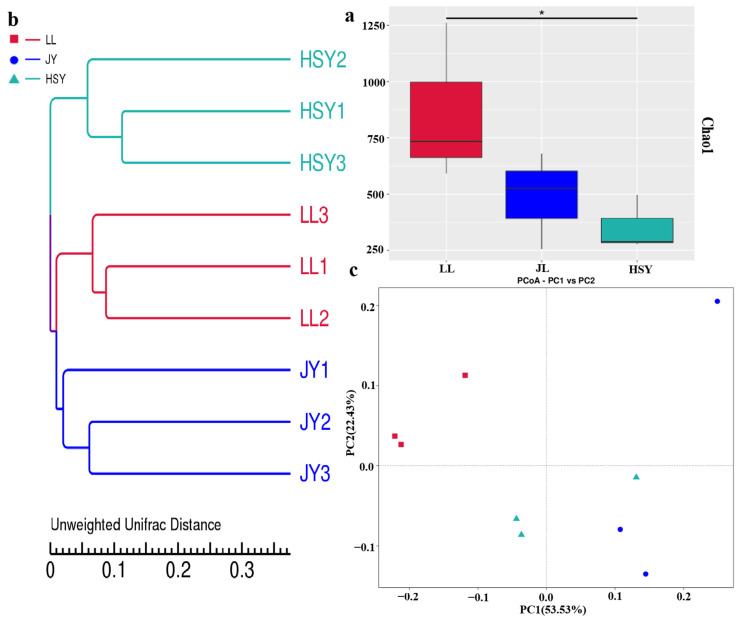 Figure 7
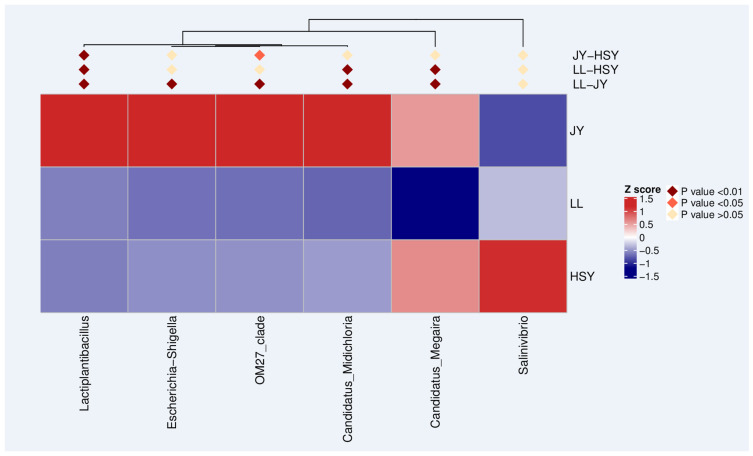 Figure 8
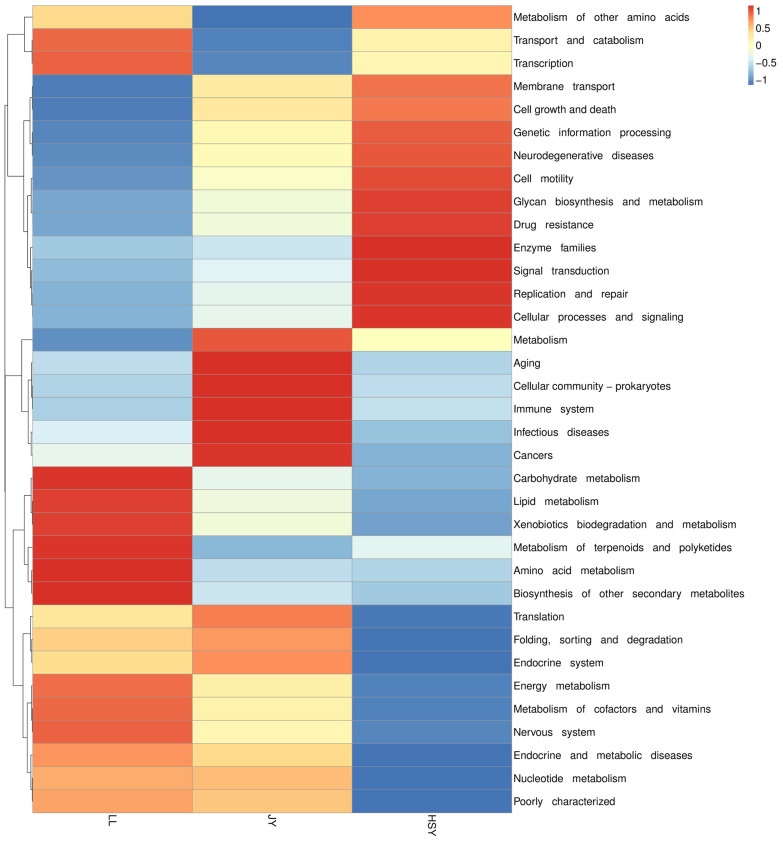 Figure 9
Peer Reviews
No public reviews on file for this paper yet. If you reviewed it on a platform where reviews are public (OpenReview, ICLR, NeurIPS, ICML), you can paste yours below so the community can read it here.
Videos
No videos yet. Explain this paper in a talk, walkthrough, or lecture? Add one.
Taxonomy
TopicsAquaculture disease management and microbiota · Invertebrate Immune Response Mechanisms · Myxozoan Parasites in Aquatic Species