Long Non-Coding RNAs Contribute to Glucose Starvation-Induced Dedifferentiation in Lung Adenocarcinoma
Aparamita Pandey, Pasquale Saggese, Adriana Soto, Estefany Gomez, Martín Alcaraz, Claudio Scafoglio

TL;DR
This study shows that glucose starvation in lung cancer cells causes changes in RNA methylation, which helps cancer cells become more aggressive.
Contribution
The study reveals that RNA methylation of lncRNAs like LINC00662 is a new mechanism in glucose starvation-induced dedifferentiation.
Findings
Glucose restriction causes hypermethylation of specific long non-coding RNAs due to reduced FTO activity.
LINC00662 is essential for recruiting EZH2 to gene promoters under low glucose conditions.
RNA methylation of lncRNAs acts as a parallel mechanism to histone methylation in starvation-induced dedifferentiation.
Abstract
Nutrient deprivation causes dedifferentiation in solid tumors, driving an aggressive phenotype. We previously showed that glucose starvation-induced dedifferentiation is driven by epigenetic changes induced by a deficit of alpha-ketoglutarate (α-KG). Deficient activity of α-KG-dependent histone demethylases leads to unbalanced hypermethylation of histone 3 on lysine 27 (H3K27) by methyltransferase EZH2. H3K27 hypermethylation is a key mechanism of starvation-induced dedifferentiation. Here, we investigate a new aspect of this mechanism and show that epitranscriptomic changes are also induced by glucose restriction. Specifically, hypermethylation of select long non-coding RNAs leads to their upregulation under glucose deprivation as a consequence of reduced activity of the RNA demethylase FTO. We identified LINC00662 as an lncRNA required for EZH2 recruitment to target gene promoters…
Genes, proteins, chemicals, diseases, species, mutations and cell lines named across the full text — each resolved to its canonical identifier and authoritative record.
Click any figure to enlarge with its caption.
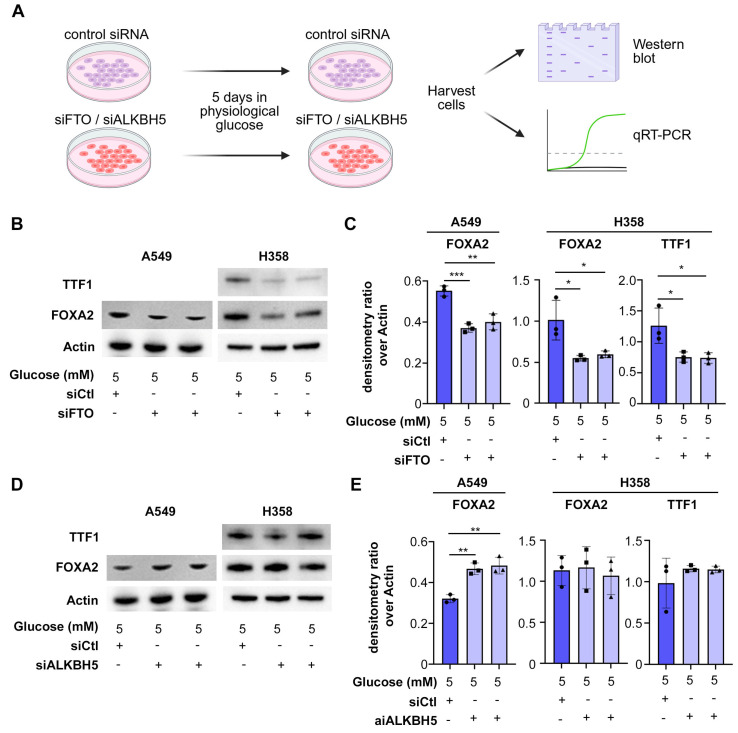 Figure 1
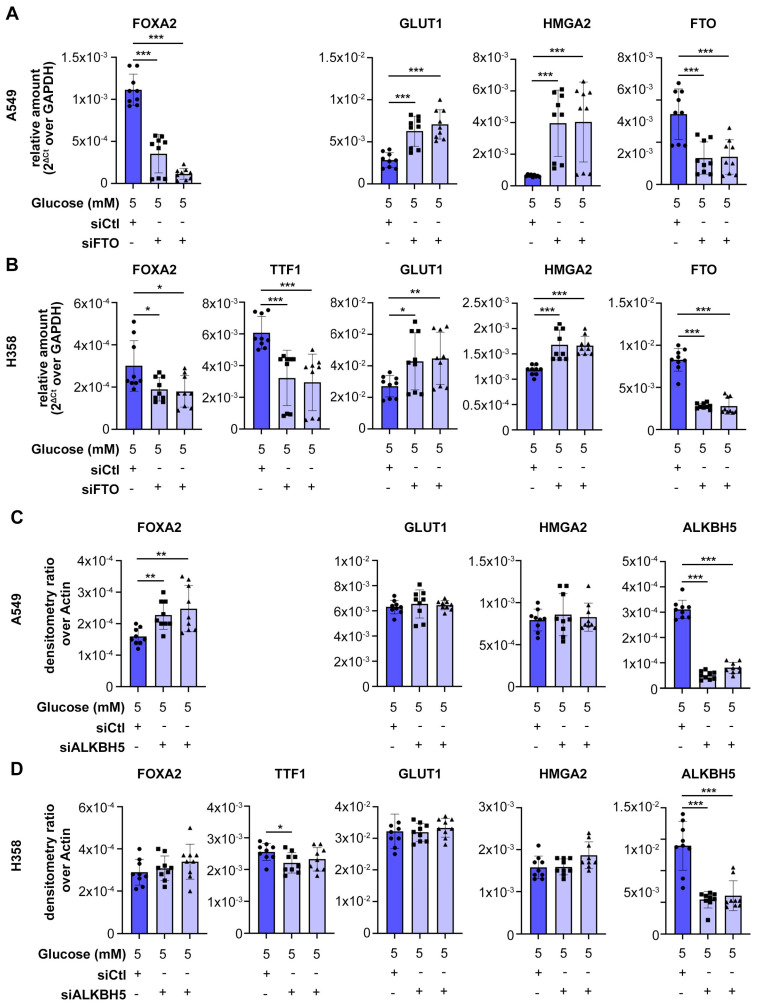 Figure 2
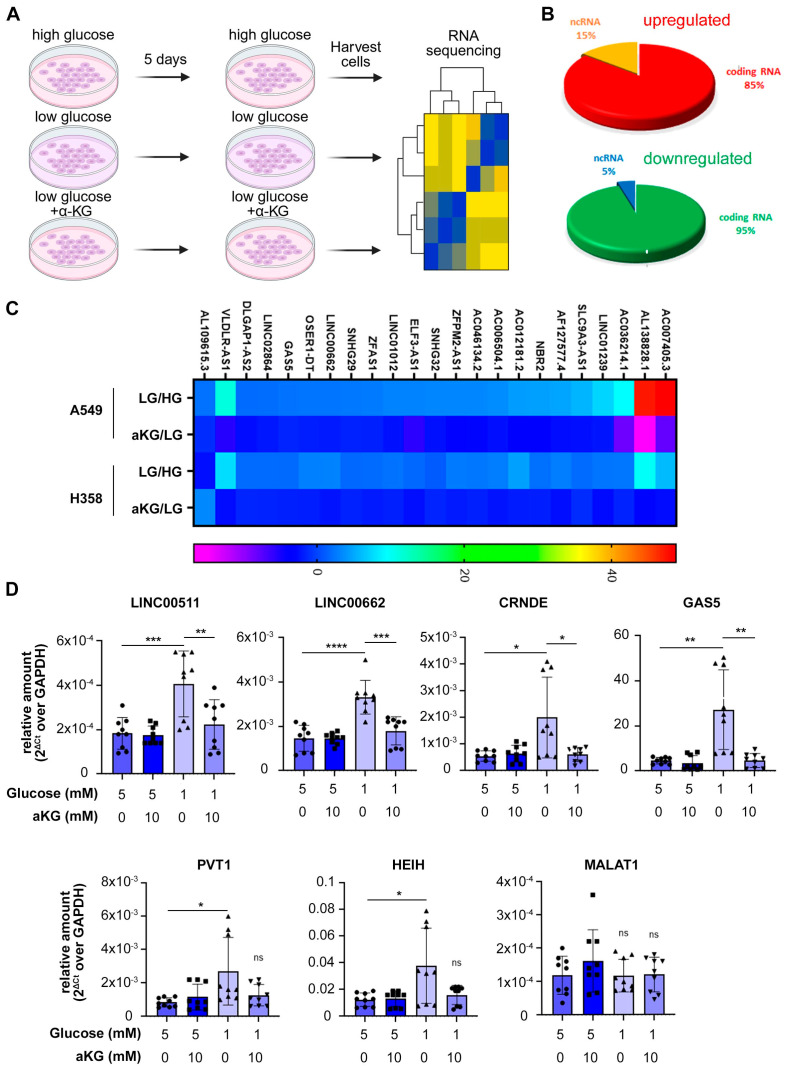 Figure 3
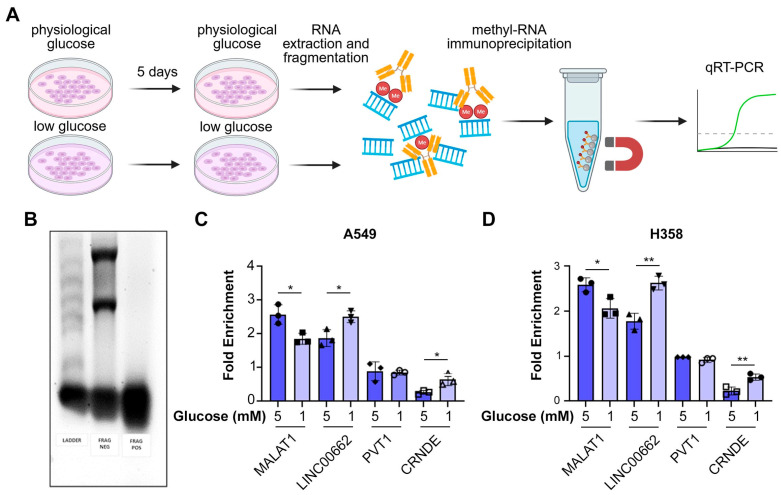 Figure 4
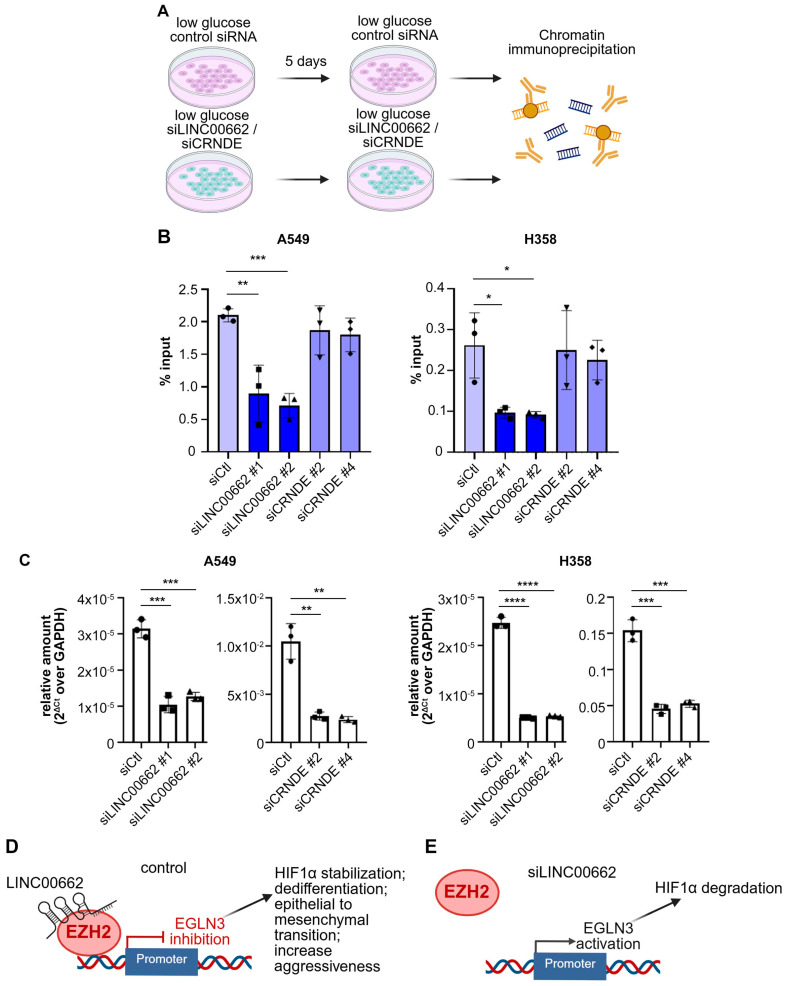 Figure 5
Peer Reviews
No public reviews on file for this paper yet. If you reviewed it on a platform where reviews are public (OpenReview, ICLR, NeurIPS, ICML), you can paste yours below so the community can read it here.
Videos
No videos yet. Explain this paper in a talk, walkthrough, or lecture? Add one.
Taxonomy
TopicsCancer-related molecular mechanisms research · RNA modifications and cancer · Cholangiocarcinoma and Gallbladder Cancer Studies