Photoperiod and Circadian Regulation in Plants: A Review of Insights from In Vitro Studies
Adriely Sá Menezes do Nascimento, Juliane Maciel Henschel, Sérgio Heitor Sousa Felipe, Antonia Alice Costa Rodrigues, Fábio Afonso Mazzei Moura de Assis Figueiredo, Tiago Massi Ferraz, Fabrício de Oliveira Reis, Thais Roseli Corrêa, Diego Silva Batista

TL;DR
This paper reviews how in vitro studies help understand how plants use light cycles and internal clocks to adapt their growth and development.
Contribution
The paper emphasizes the novel use of in vitro culture techniques to study photoperiod and circadian regulation in plants.
Findings
In vitro systems allow precise study of how photoperiod affects plant processes like photosynthesis and flowering.
Combining in vitro culture with photoperiod studies reveals how plants adapt to environmental changes.
This approach can improve plant propagation and natural compound production for sustainable agriculture.
Abstract
Plants rely on internal “biological clocks” to coordinate their growth and development with daily and seasonal changes in light, known as the photoperiod. This review explores how plant tissue culture (growing plants under controlled laboratory conditions) can help scientists better understand how light cycles influence plant rhythms and behavior. By analyzing studies from the scientific literature, the authors show that changes in photoperiod affect not only basic plant processes, such as photosynthesis and metabolism, but also important developmental events like flowering, tuber formation, and growth. The in vitro system allows researchers to study these effects with great precision, helping to reveal how plants adapt to environmental variations. The findings highlight that combining in vitro culture techniques with studies on photoperiod and circadian regulation provides powerful…
Genes, proteins, chemicals, diseases, species, mutations and cell lines named across the full text — each resolved to its canonical identifier and authoritative record.
Click any figure to enlarge with its caption.
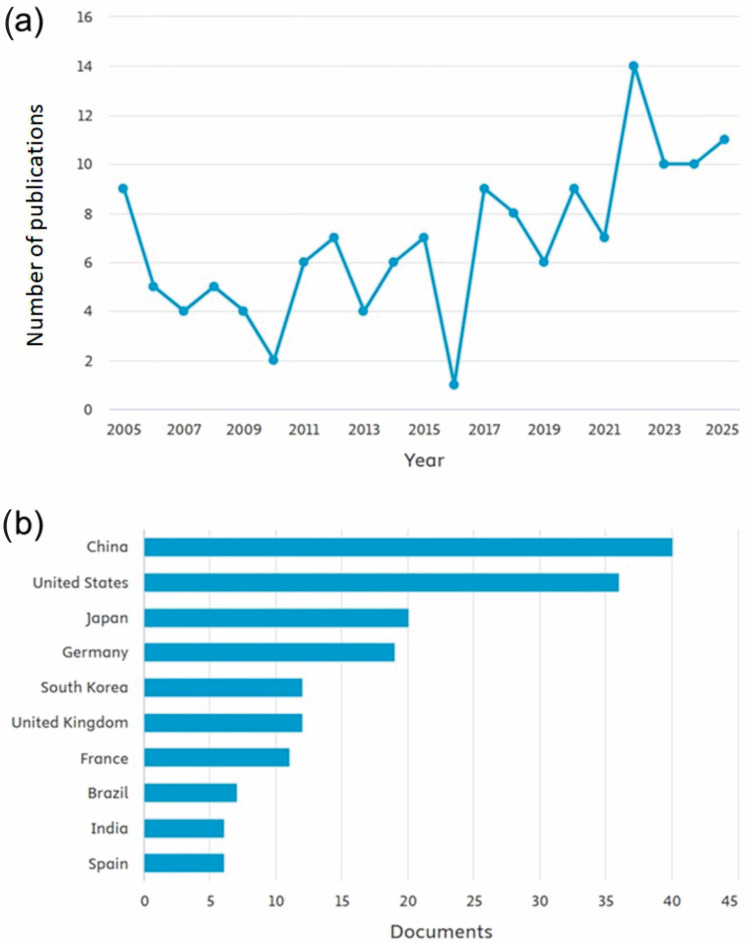 Figure 1
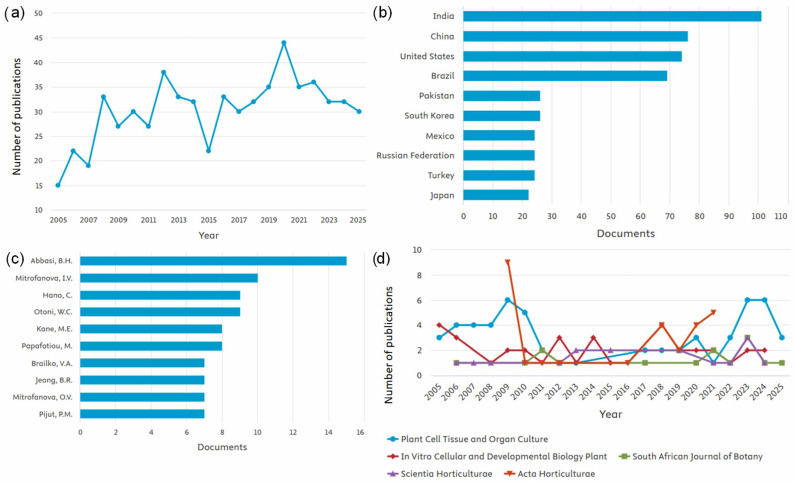 Figure 2
Peer Reviews
No public reviews on file for this paper yet. If you reviewed it on a platform where reviews are public (OpenReview, ICLR, NeurIPS, ICML), you can paste yours below so the community can read it here.
Videos
No videos yet. Explain this paper in a talk, walkthrough, or lecture? Add one.
Taxonomy
TopicsPlant Molecular Biology Research · Circadian rhythm and melatonin · Light effects on plants