Evaluation of Stereopsis Performance, Gaze Direction and Pupil Diameter in Post-COVID Syndrome Using Machine Learning
Thomas S. Knauer, Christian Y. Mardin, Jürgen Rech, Georg Michelson, Andreas Stog, Julia Zott, Fritz Steußloff, Moritz Güttes, Helena Sarmiento, Miriam Ilgner, Marie Jakobi, Bettina Hohberger, Julia Schottenhamml

TL;DR
This study uses machine learning to assess how well virtual reality eye-tracking features can distinguish people with post-COVID syndrome from healthy individuals.
Contribution
The study identifies that pupil diameter features, particularly the index of pupillary activity, are most effective in distinguishing post-COVID syndrome patients.
Findings
Pupil diameter features achieved the highest AUROC of 0.73 in distinguishing PCS patients from healthy controls.
The index of pupillary activity (IPA) was the most predictive single feature.
More difficult tests within the VR-OTS system showed higher predictive performance.
Abstract
Background/Objectives: Post-COVID syndrome (PCS) encompasses symptoms that persist for at least 12 weeks after the onset of a COVID-19 infection and cannot be explained by other causes. The most common symptoms are fatigue, cognitive impairments, and physical limitations. The objective diagnosis of PCS is still challenging, as specific biomarkers are lacking. One possibility to measure cognitive impairment is the virtual-reality-oculomotor-test-system (VR-OTS, Talkingeyes & More, Germany). It shows stereoscopic stimuli in a VR-environment to the test person. While working on the visual tasks, many features are recorded. These features can be categorized into three groups: stereopsis performance, gaze direction, and pupil diameter. The aim of this study was to investigate which of these three feature groups is best to distinguish patients with PCS from a healthy control group. Methods:…
Genes, proteins, chemicals, diseases, species, mutations and cell lines named across the full text — each resolved to its canonical identifier and authoritative record.
Click any figure to enlarge with its caption.
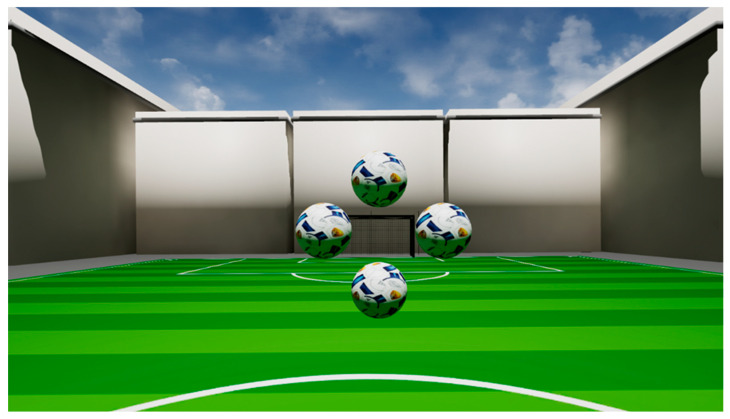 Figure 1
Peer Reviews
No public reviews on file for this paper yet. If you reviewed it on a platform where reviews are public (OpenReview, ICLR, NeurIPS, ICML), you can paste yours below so the community can read it here.
Videos
No videos yet. Explain this paper in a talk, walkthrough, or lecture? Add one.
Taxonomy
TopicsRetinal and Optic Conditions · Long-Term Effects of COVID-19 · Vestibular and auditory disorders