Predicting Ecological Risks of Alexandrium spp. Under Climate Change: An Ensemble Modeling Approach
Ru Lan, Luning Li, Rongchang Chen, Yi Huang, Cong Zhao, Nini Wang

TL;DR
This study predicts how climate change will shift harmful algal blooms caused by Alexandrium spp. in Chinese coastal waters, emphasizing the role of salinity and temperature.
Contribution
The study introduces an ensemble modeling approach to predict Alexandrium spp. bloom risks under climate change scenarios in Chinese coastal waters.
Findings
Salinity is the most important factor controlling Alexandrium spp. presence, while temperature influences bloom timing and location.
Future climate change is expected to shift high-risk areas for blooms southward, especially under high-emission scenarios.
Ensemble models outperformed single models in predicting Alexandrium spp. distribution (AUC = 0.998, TSS = 0.977, Kappa = 0.978).
Abstract
Harmful algal blooms (HABs) caused by Alexandrium spp. are a growing threat to marine ecosystems, fisheries, and human health. This study used computer-based ensemble models to predict where these algae might occur in Chinese coastal waters now and in the future under climate change. We found that salinity is the most important factor controlling their presence, while temperature influences when and where blooms may happen. At present, the highest-risk areas are in Bohai Bay, the Yangtze River estuary, and along the Fujian and Guangdong coasts. In the future, suitable habitats are expected to shift southward, especially under high-emission scenarios, with new risk zones emerging in the South China Sea. These findings suggest that climate change will restructure regional bloom risks and highlight the need for proactive monitoring and management to protect fisheries and public health.…
Genes, proteins, chemicals, diseases, species, mutations and cell lines named across the full text — each resolved to its canonical identifier and authoritative record.
Click any figure to enlarge with its caption.
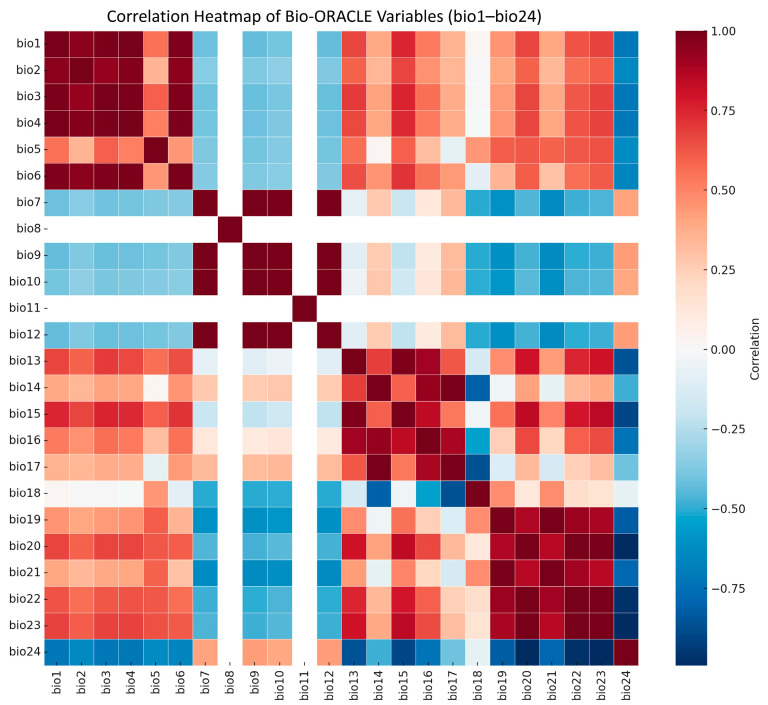 Figure 1
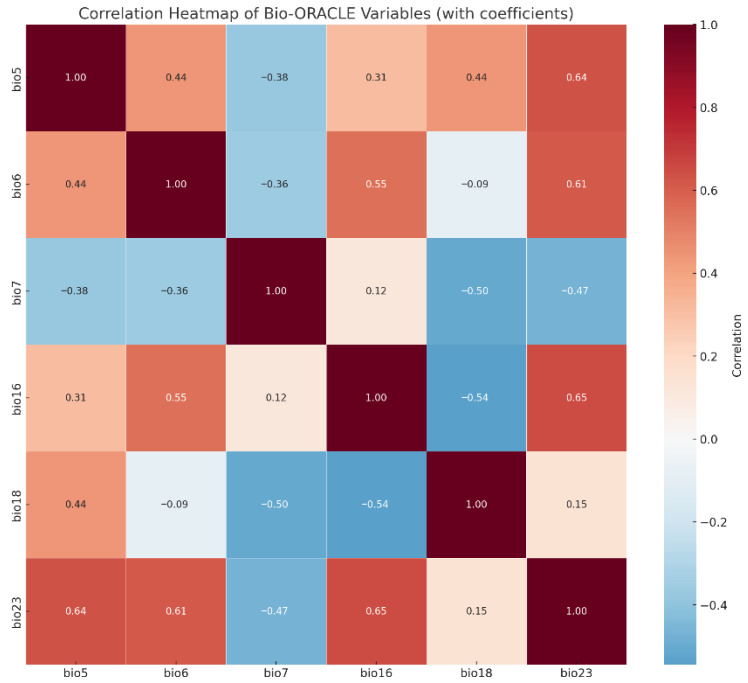 Figure 2
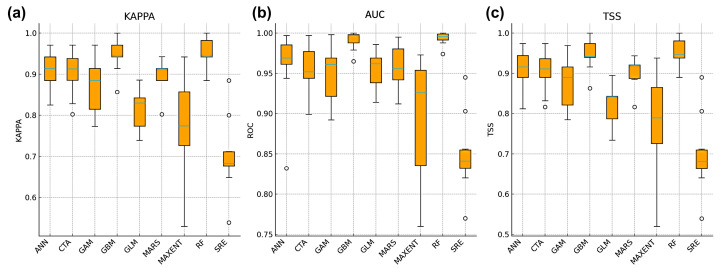 Figure 3
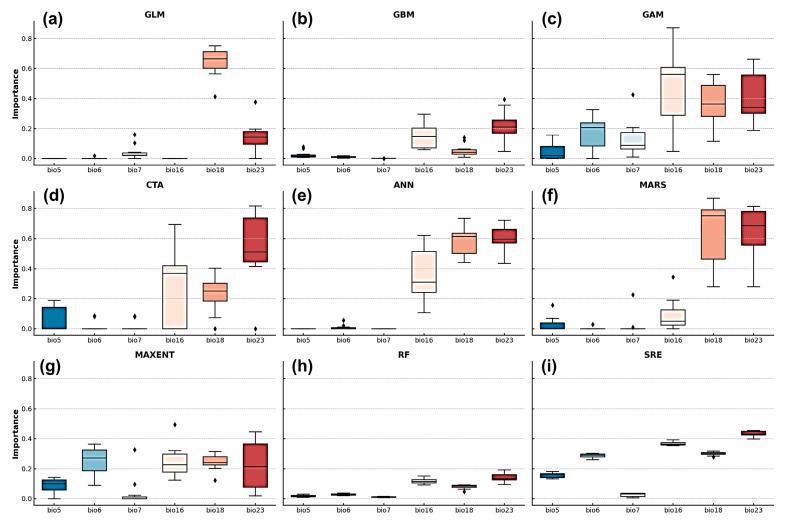 Figure 4
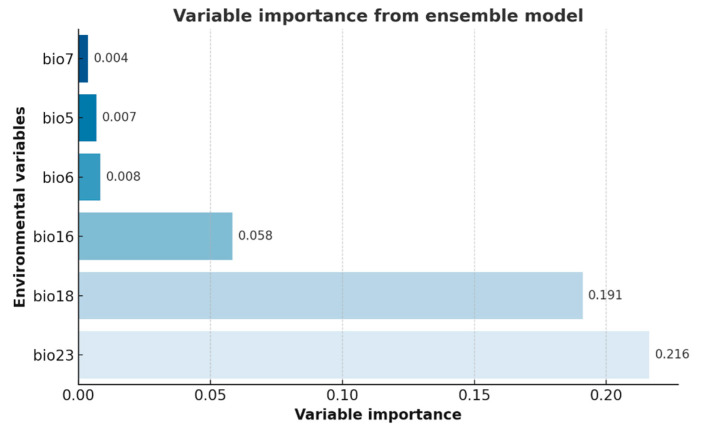 Figure 5
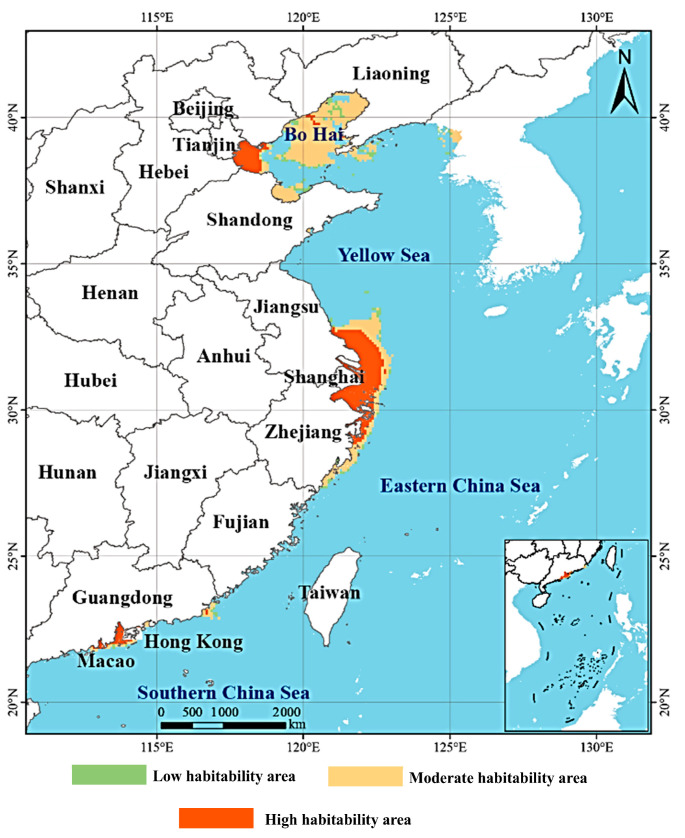 Figure 6
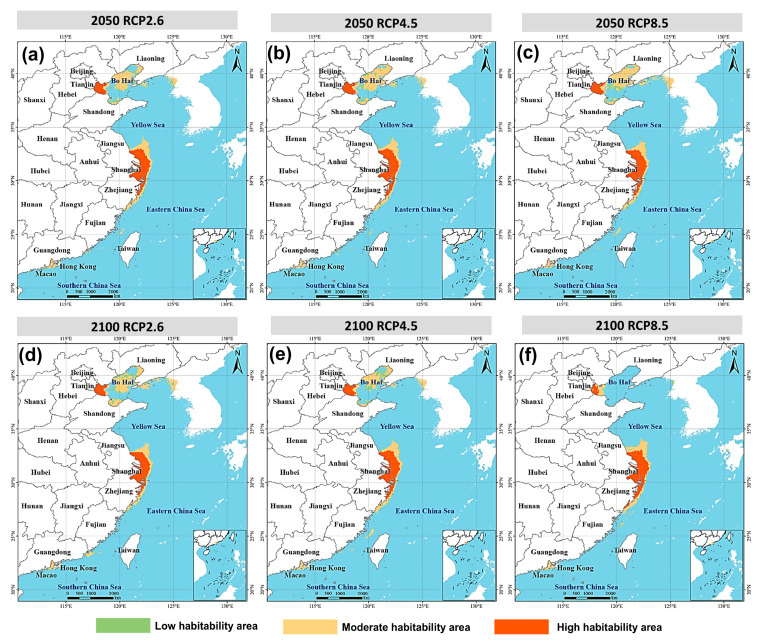 Figure 7
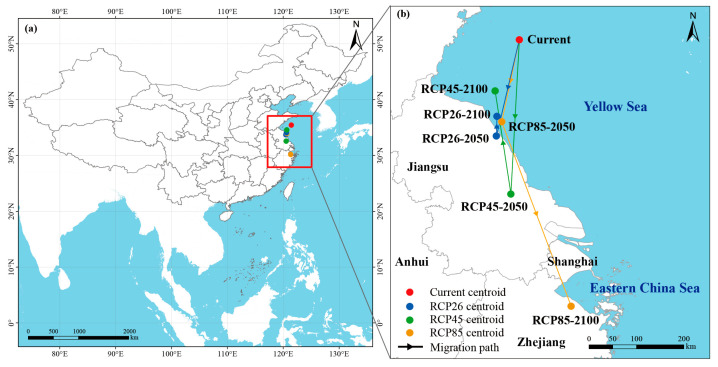 Figure 8
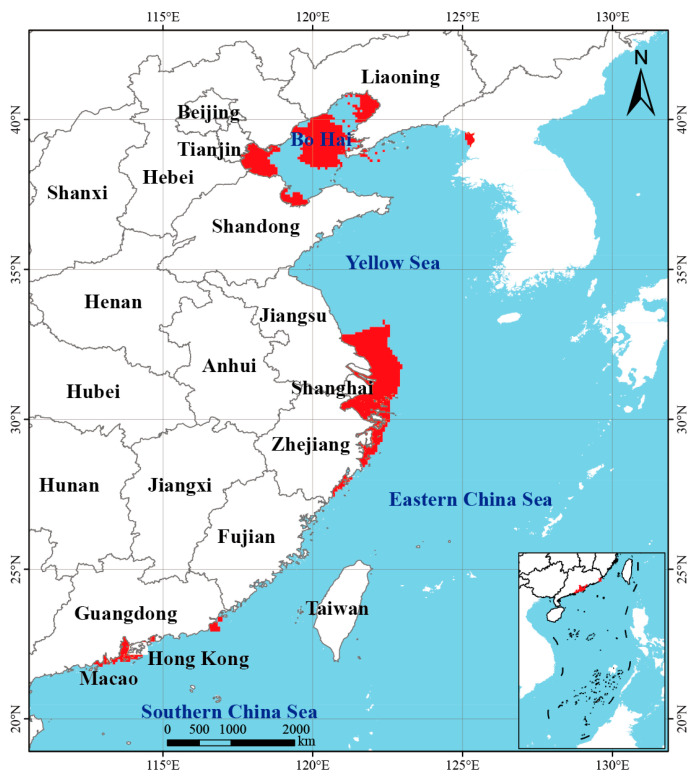 Figure 9
Peer Reviews
No public reviews on file for this paper yet. If you reviewed it on a platform where reviews are public (OpenReview, ICLR, NeurIPS, ICML), you can paste yours below so the community can read it here.
Videos
No videos yet. Explain this paper in a talk, walkthrough, or lecture? Add one.
Taxonomy
TopicsMarine and coastal ecosystems · Marine Toxins and Detection Methods · Aquatic Ecosystems and Phytoplankton Dynamics