Notable Differences in Clinical Features and Inflammatory Gene Expression Between Genital Lichen Sclerosus and Lichen Planus
Patrick Poffet, Veronika Baghin, Fabienne Fröhlich, Irina Banzola, Julia Laube, Mark Mellett, Lucie Heinzerling, Barbara Meier-Schiesser

TL;DR
This study compares genital lichen sclerosus and lichen planus, finding differences in age, gender, comorbidities, and inflammatory gene expression patterns.
Contribution
The study identifies distinct inflammatory gene profiles and clinical features between genital lichen sclerosus and lichen planus.
Findings
LS patients were older, predominantly female, and more likely to have metabolic syndrome compared to Lpg patients.
LS showed upregulated CCL27 and MARCO, while Lpg exhibited IL-1 pathway activation and B-cell markers.
The findings reveal distinct immunological profiles that could guide targeted therapies for each condition.
Abstract
Background/Objectives: Genital lichen sclerosus (LS) and lichen planus genitalis (Lpg) are chronic inflammatory dermatoses with overlapping clinical features but incompletely understood pathogenesis. Current therapies are largely symptomatic. Methods: To clarify underlying mechanisms and identify therapeutic targets, we retrospectively analyzed 174 patients (142 LS and 32 Lpg). Clinical features and comorbidities were compared, and gene expression profiling of 730 inflammation-related genes was performed on lesional tissue from LS and Lpg patients and healthy controls using NanoString technology. Selected findings were validated by immunohistochemistry. Results: LS patients were older and predominantly female and more frequently had metabolic syndrome. On the molecular level, LS showed a generally lower inflammatory gene expression profile than Lpg. Nevertheless, LS was characterized by…
Genes, proteins, chemicals, diseases, species, mutations and cell lines named across the full text — each resolved to its canonical identifier and authoritative record.
Click any figure to enlarge with its caption.
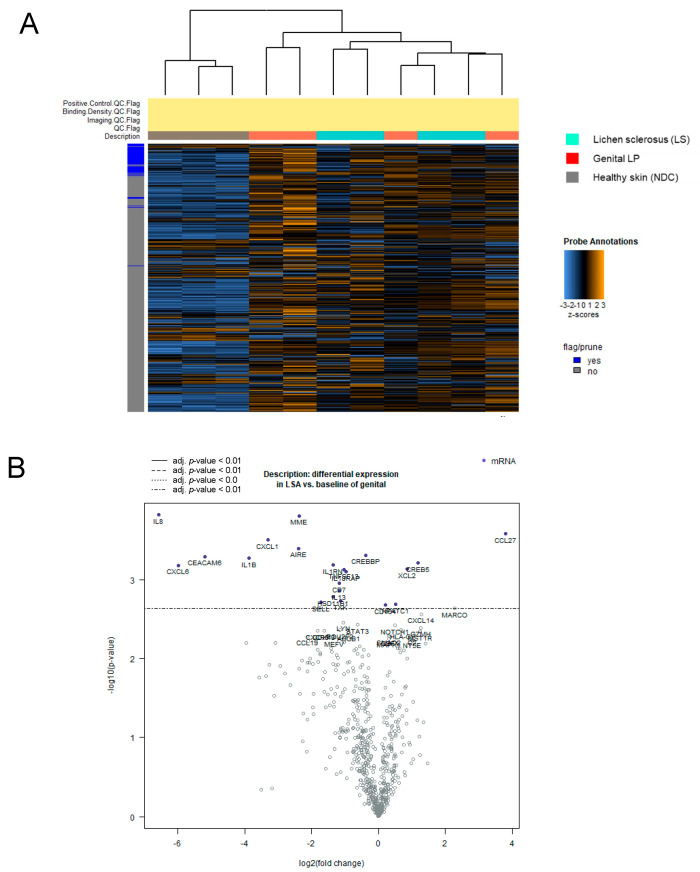 Figure 1
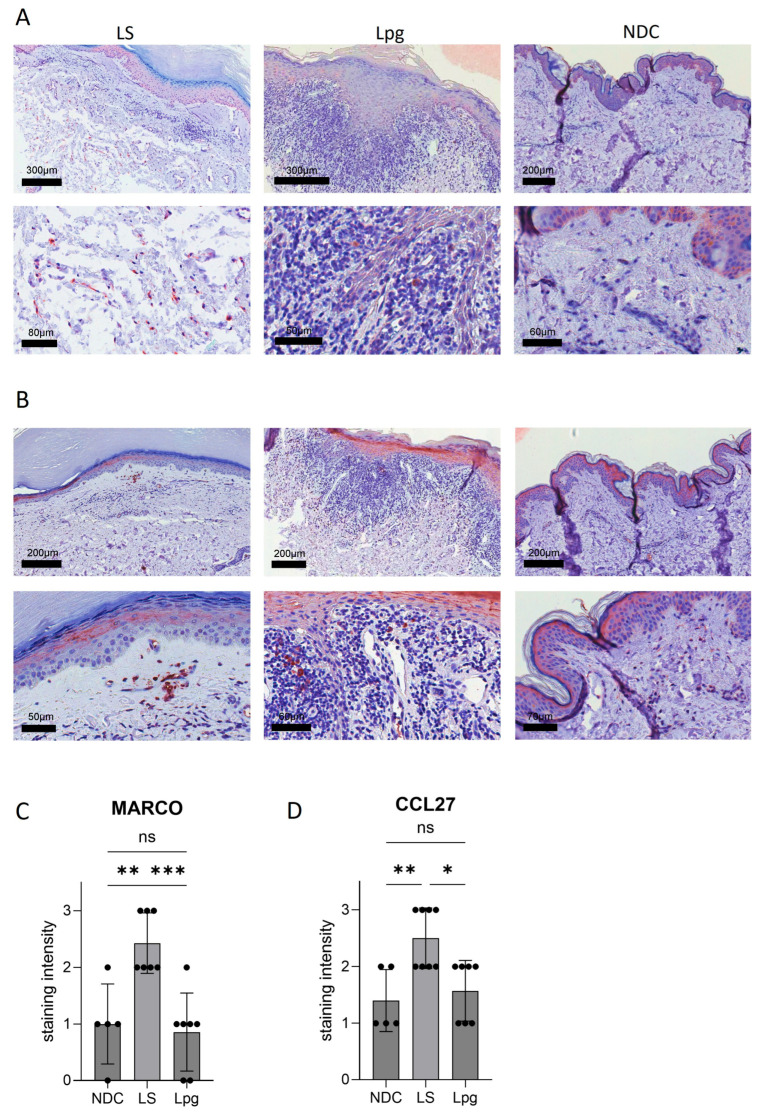 Figure 2
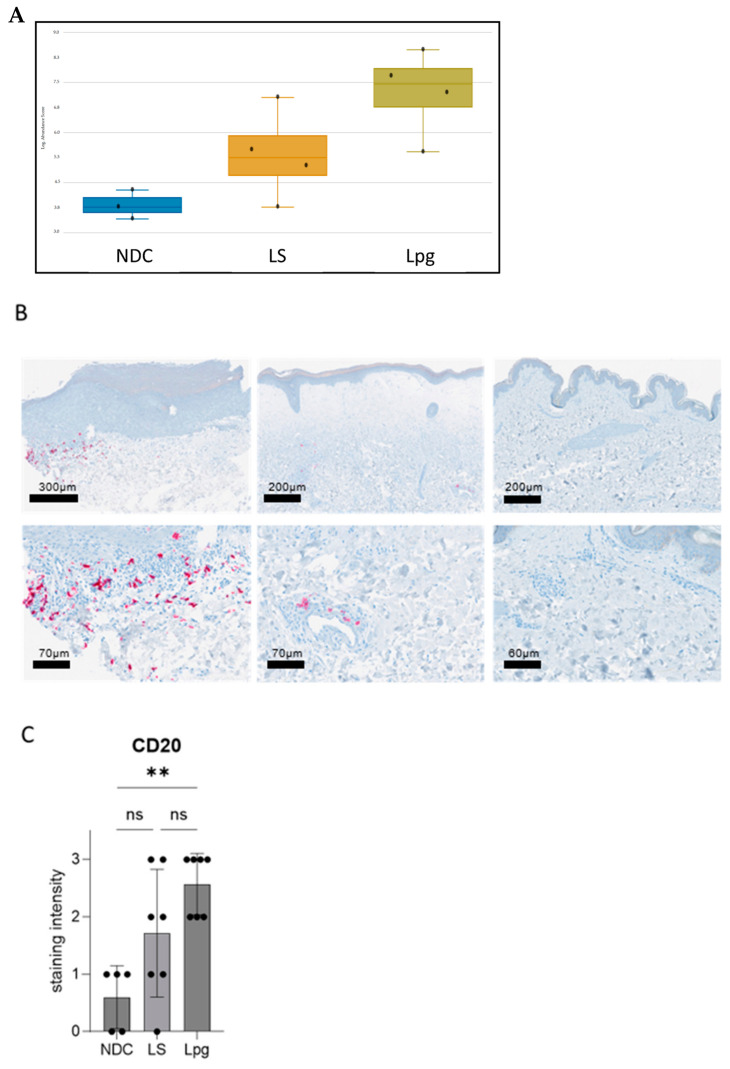 Figure 3
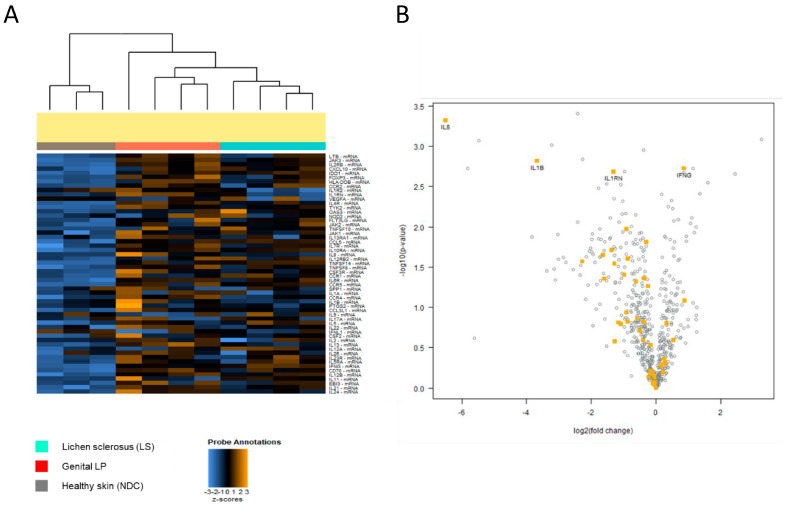 Figure 4
Peer Reviews
No public reviews on file for this paper yet. If you reviewed it on a platform where reviews are public (OpenReview, ICLR, NeurIPS, ICML), you can paste yours below so the community can read it here.
Videos
No videos yet. Explain this paper in a talk, walkthrough, or lecture? Add one.
Taxonomy
TopicsGenital Health and Disease · Oral Health Pathology and Treatment · Urological Disorders and Treatments