Comprehensive Analysis of the Putative Substratome of FAM20C, the Master Serine Kinase of the Secretory Pathway
Luca Cesaro, Francesca Noventa, Trinidad De Los Angeles Cordero, Barbara Molon, Valentina Bosello Travain, Maria Cristina Aspromonte, Mauro Salvi

TL;DR
This study identifies a large set of proteins phosphorylated by FAM20C, a key kinase in the secretory pathway, and shows its role in important biological processes like blood clotting and immunity.
Contribution
The study provides the most comprehensive FAM20C substratome to date, revealing new substrates and biological functions.
Findings
FAM20C phosphorylates 443 phosphosites across 256 proteins, with 77% previously unlinked to FAM20C.
FAM20C is strongly associated with collagen fibril organization, complement activation, and blood coagulation.
The FAM20C consensus sequence is distinct from other acidophilic kinases, confirming its unique role in the secretory pathway.
Abstract
FAM20C, previously known as Golgi casein kinase (GCK), is a serine/threonine kinase localized to the Golgi apparatus and classified within the acidophilic kinase family. Its phosphorylation motif is characterized by a glutamic acid residue at the +2 position relative to the target site. Before its molecular identity was established, analysis of a limited number of phosphosites in secreted proteins showed that around 70% matched the GCK consensus sequence, suggesting that GCK is the principal kinase for secreted proteins. Following the identification of GCK as FAM20C, the generation of FAM20C knockout cell lines and phosphoproteomic data confirmed its role: approximately 80% of serine/threonine phosphosites in the secretome of two different human cell lines were shown to depend on FAM20C. In this study, comparative analysis of in vitro phosphorylation datasets from a broad panel of…
Genes, proteins, chemicals, diseases, species, mutations and cell lines named across the full text — each resolved to its canonical identifier and authoritative record.
Click any figure to enlarge with its caption.
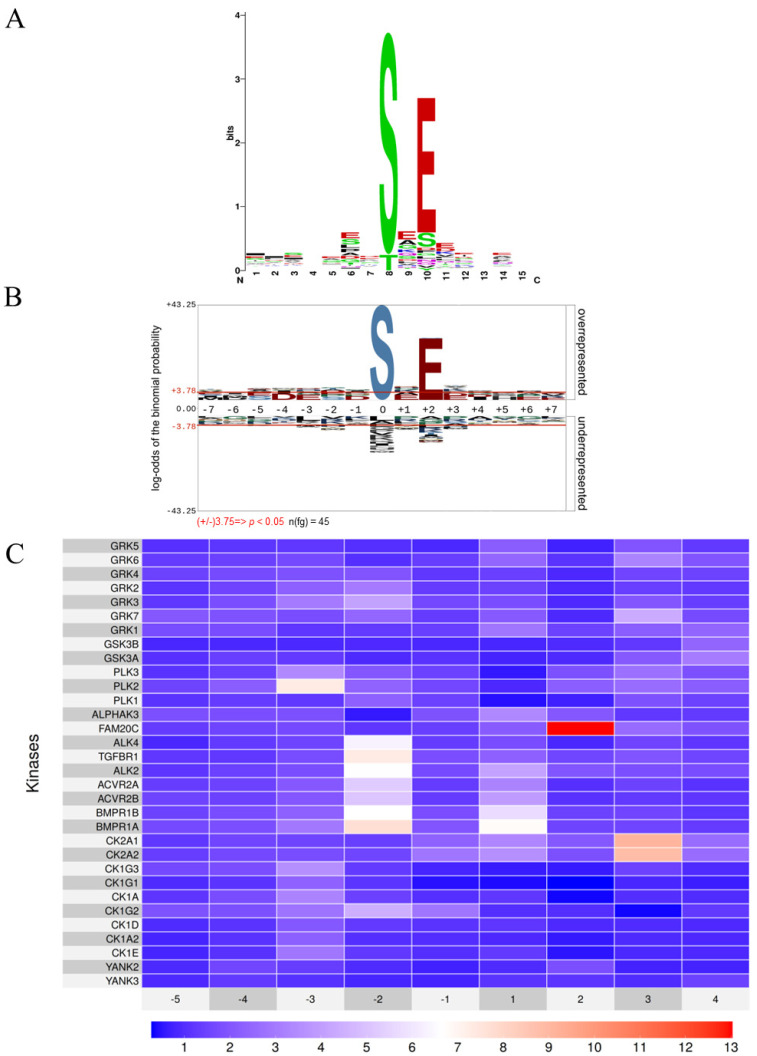 Figure 1
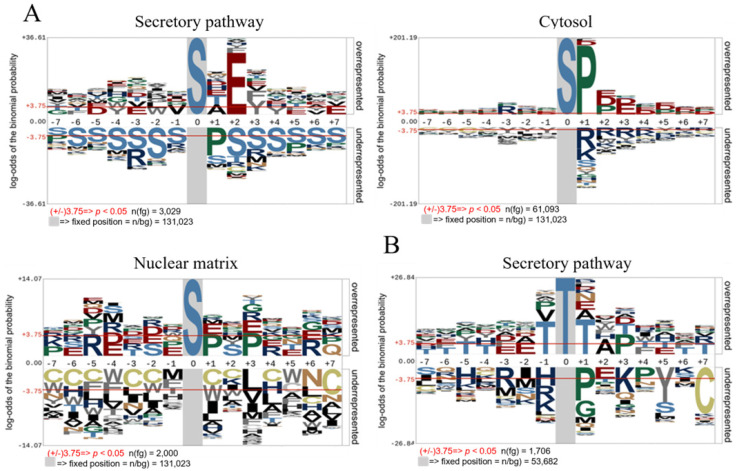 Figure 2
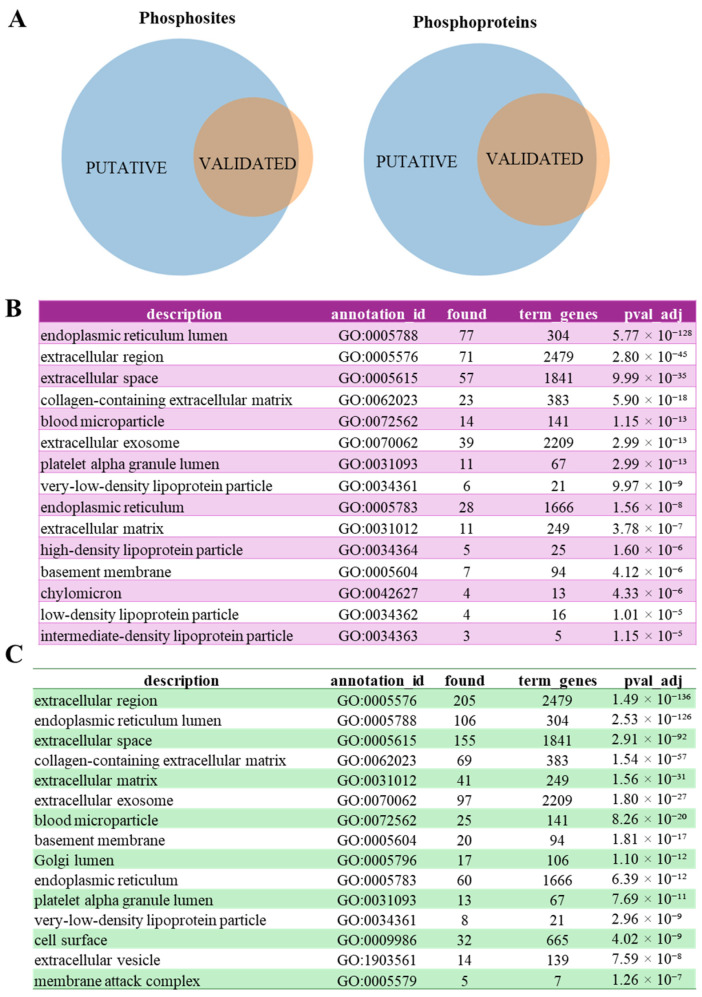 Figure 3
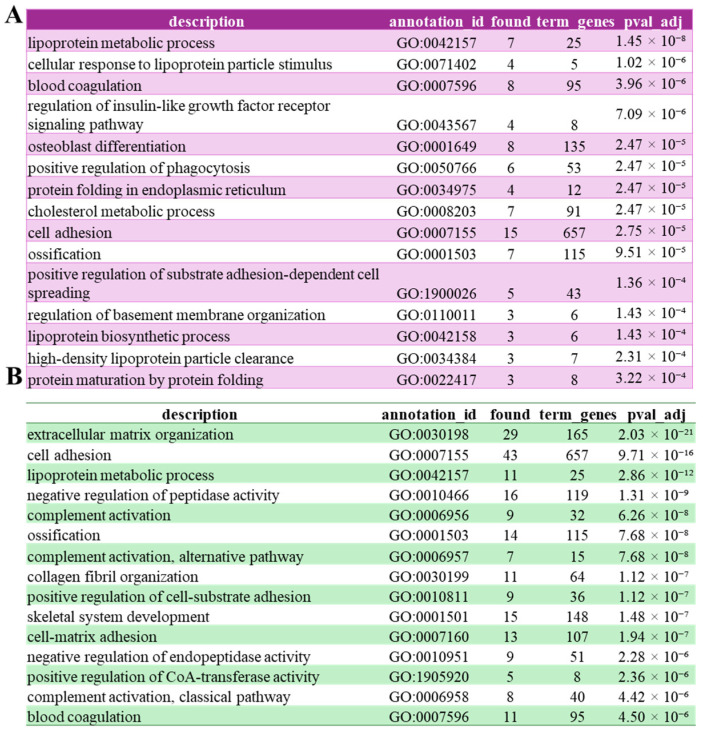 Figure 4
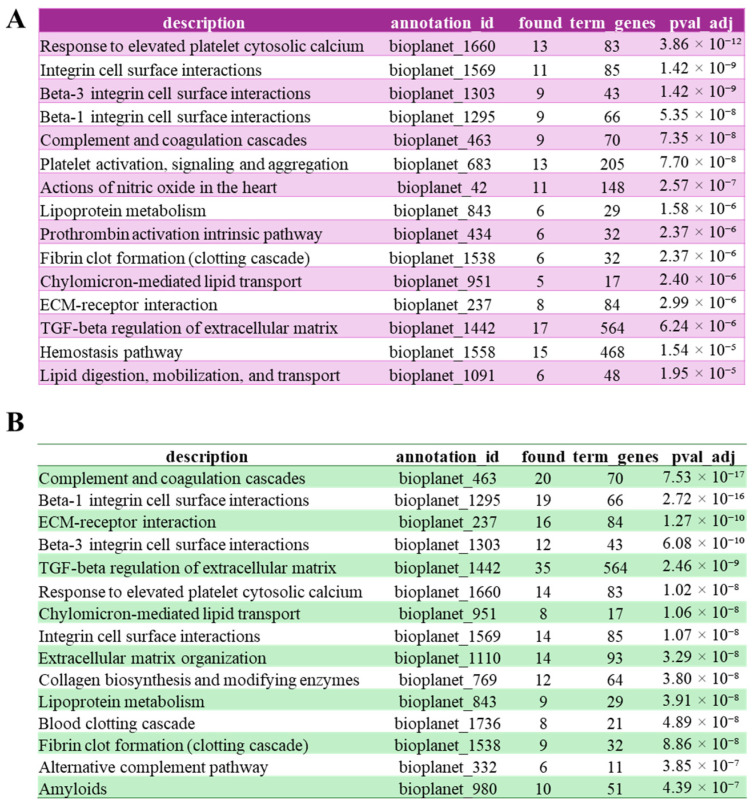 Figure 5
Peer Reviews
No public reviews on file for this paper yet. If you reviewed it on a platform where reviews are public (OpenReview, ICLR, NeurIPS, ICML), you can paste yours below so the community can read it here.
Videos
No videos yet. Explain this paper in a talk, walkthrough, or lecture? Add one.
Taxonomy
TopicsCellular transport and secretion · Studies on Chitinases and Chitosanases · Glycosylation and Glycoproteins Research