Learning from Nature: Bio-Inspired Designs and Strategies for Efficient On-Earth and Off-Earth Ventilation Systems
Ulfa Riani, Noune Melkoumian, David Harvey, Rini Akmeliawati

TL;DR
This paper explores how natural structures like ant nests and termite mounds can inspire better ventilation systems for buildings and space habitats.
Contribution
The study provides a comprehensive overview and analysis of bio-inspired ventilation strategies for both Earth and off-Earth environments.
Findings
Bio-inspired designs can improve air distribution and energy efficiency in ventilation systems.
Natural structures offer adaptable strategies for fluctuating environmental conditions.
Research trends show growing interest in applying these strategies to space habitats and underground mines.
Abstract
Efficient ventilation systems are of paramount importance for maintaining optimal air quality in indoor and enclosed environments, both on Earth and in space. Such environments include buildings, space habitats, international space station crew quarters, tunnels, underground mines and other structures. However, conventional ventilation systems encounter various challenges, including uneven air distribution, energy inefficiency, noise, and limited adaptability to fluctuating environmental conditions. Concurrently, a multitude of organisms in nature have demonstrated the capacity to construct structures that can facilitate efficient air exchange and heat regulation. Illustrative examples of such structures include ant nests, termite mounds and prairie dog burrows. The present study explores, analyses and summarizes the mechanisms, structures and strategies found in nature that can inspire…
Genes, proteins, chemicals, diseases, species, mutations and cell lines named across the full text — each resolved to its canonical identifier and authoritative record.
Click any figure to enlarge with its caption.
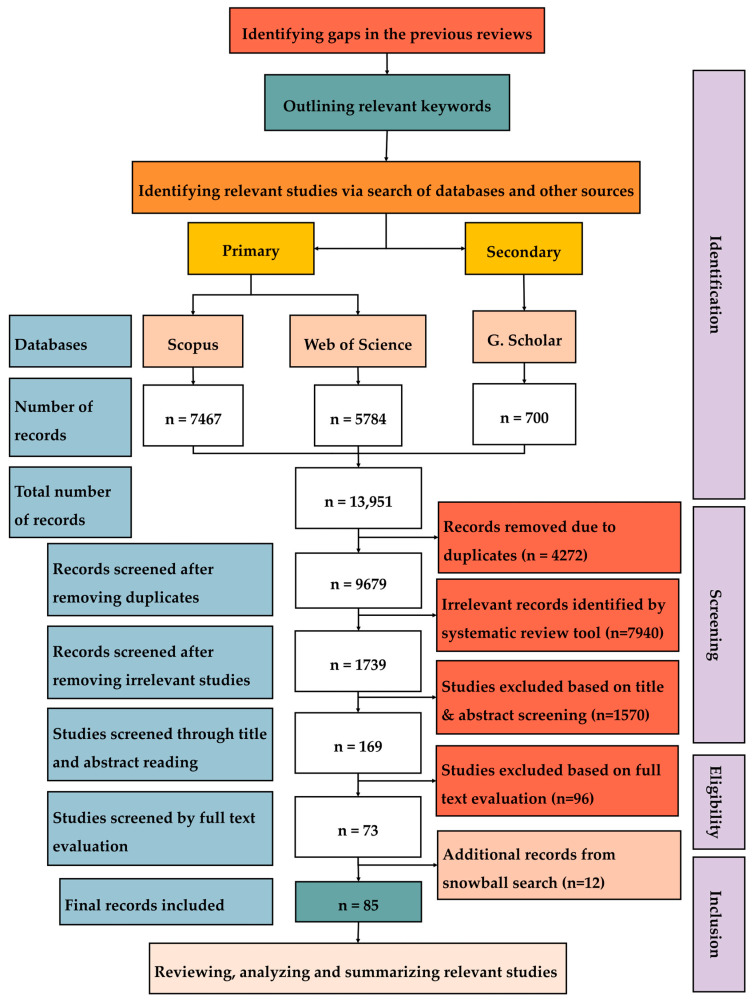 Figure 1
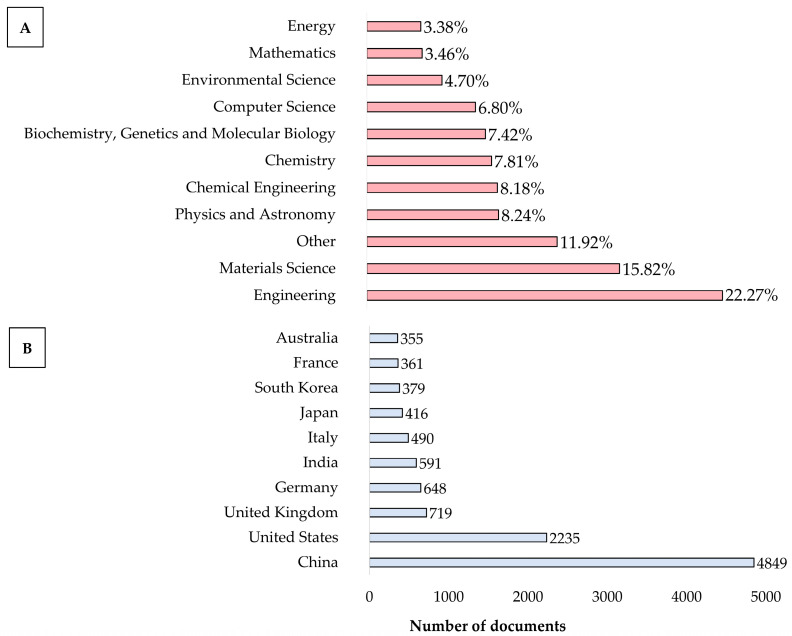 Figure 2
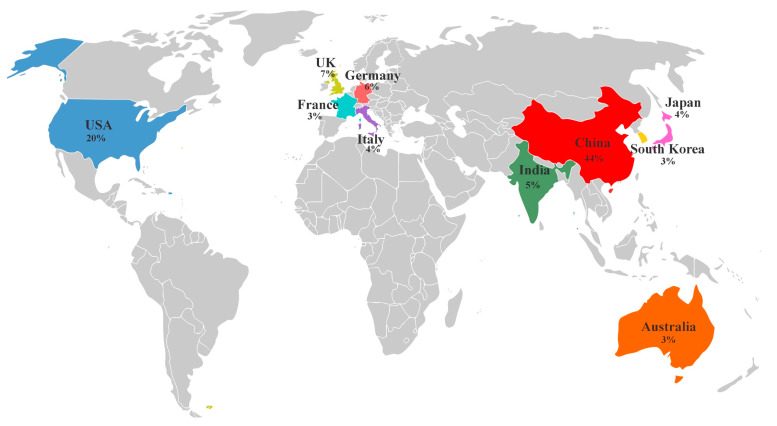 Figure 3
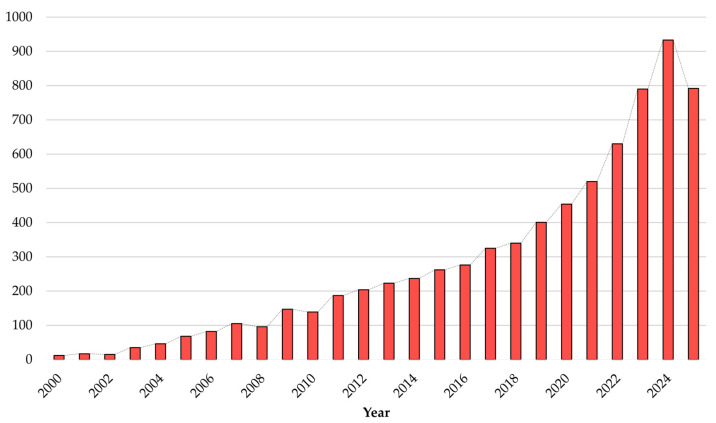 Figure 4
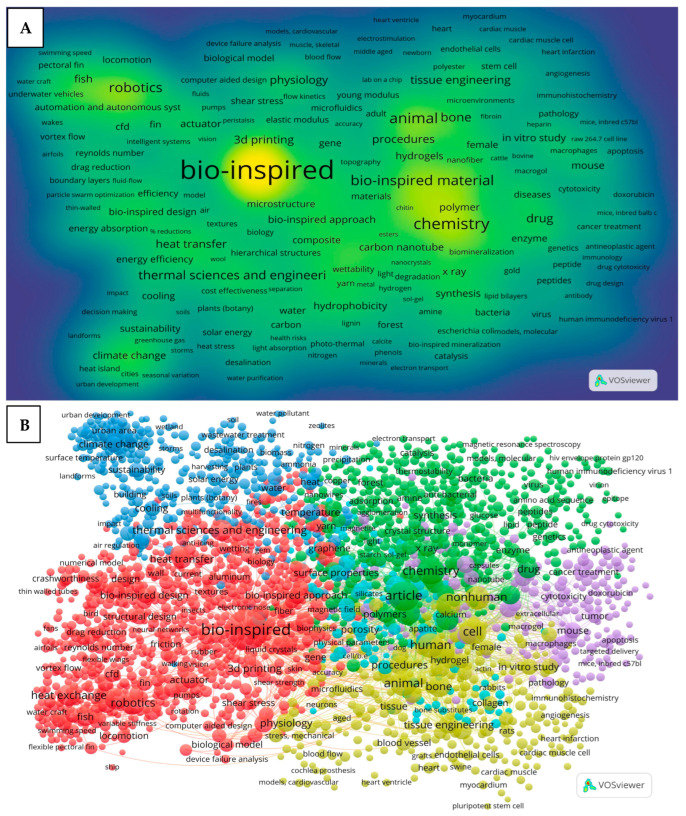 Figure 5
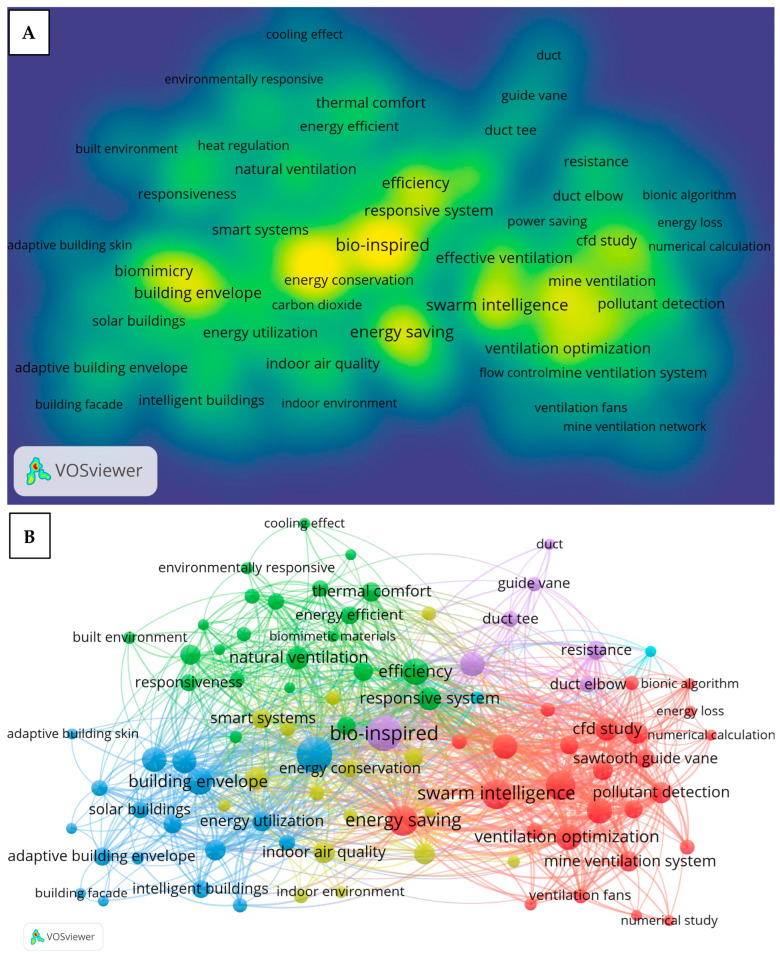 Figure 6
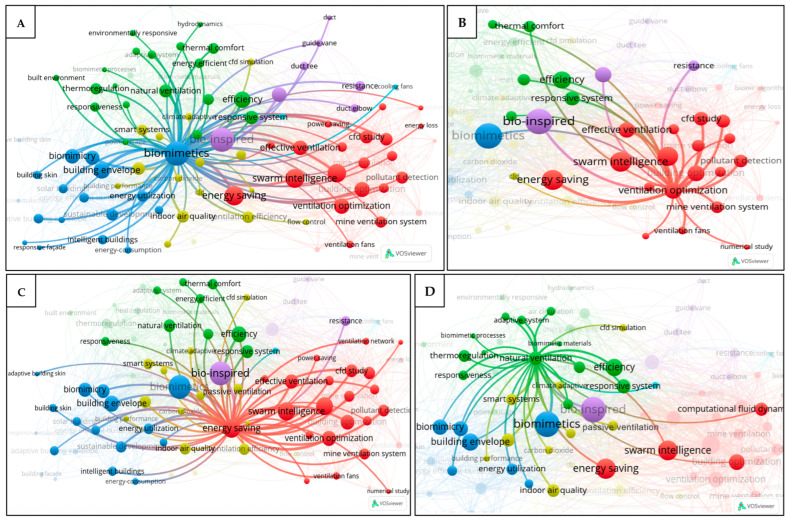 Figure 7
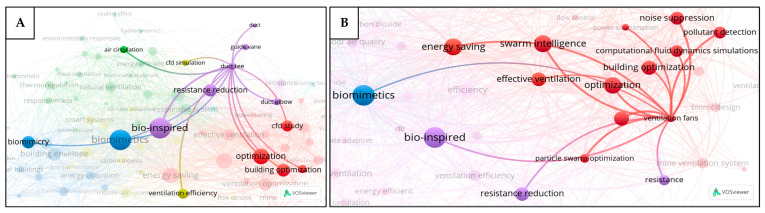 Figure 8
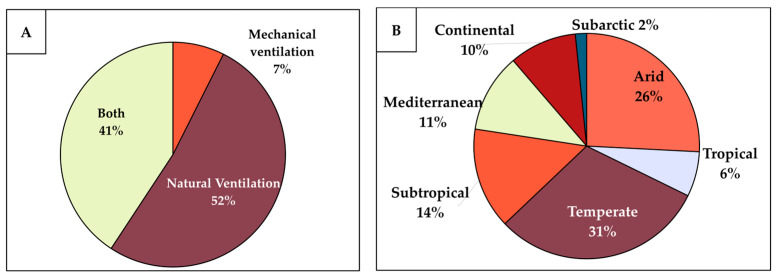 Figure 9
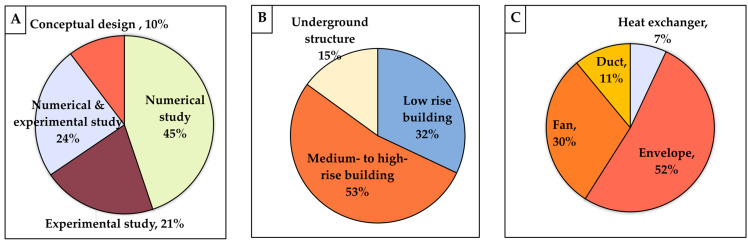 Figure 10
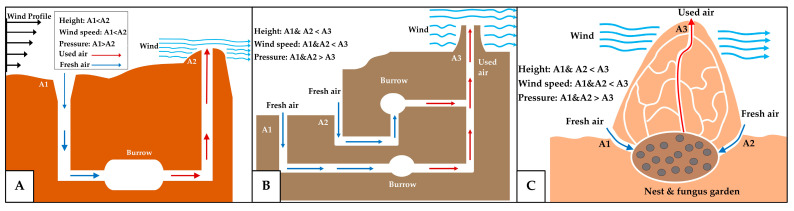 Figure 11
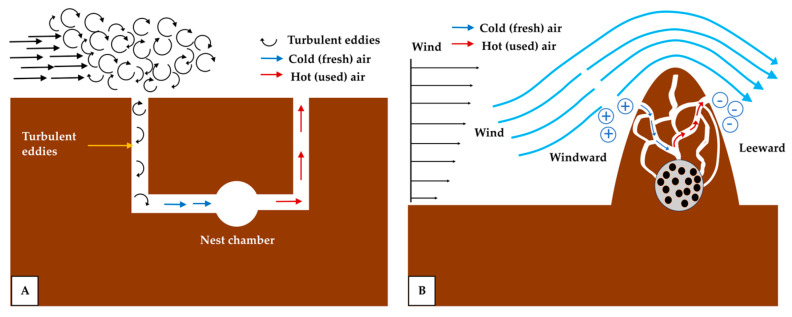 Figure 12
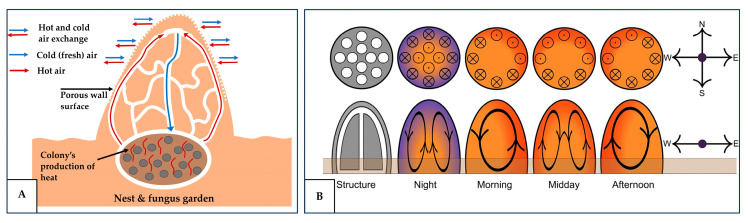 Figure 13
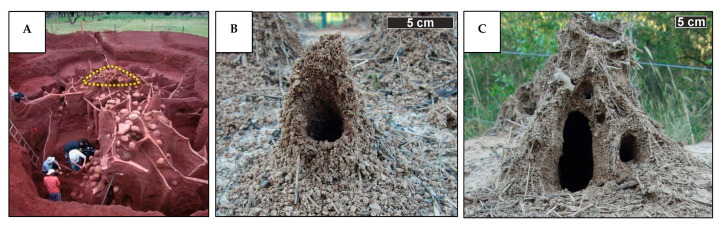 Figure 14
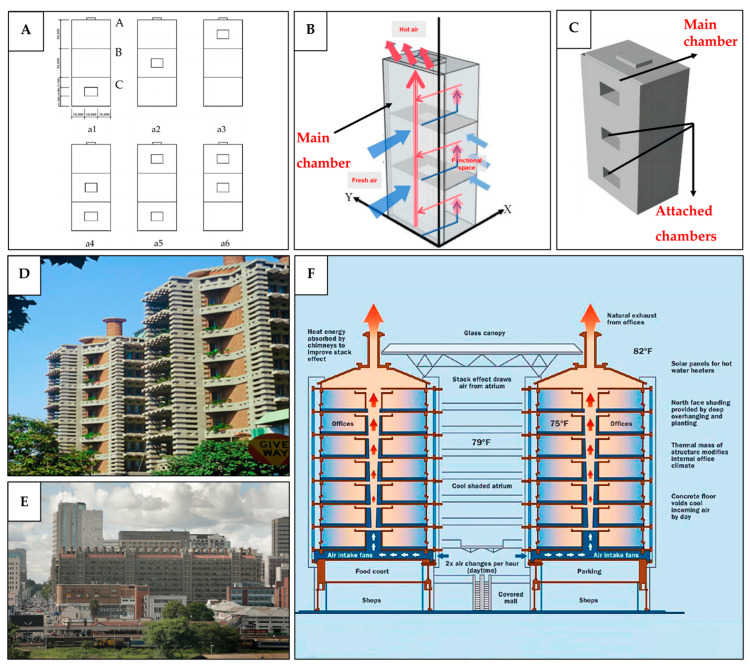 Figure 15
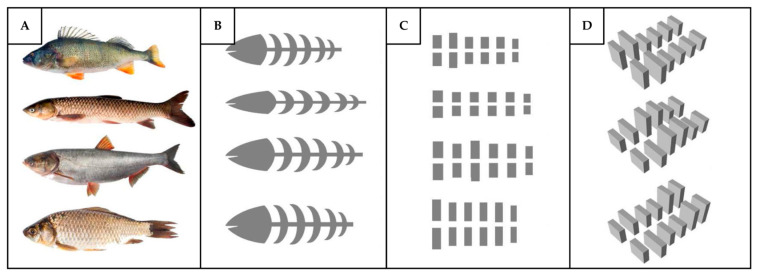 Figure 16
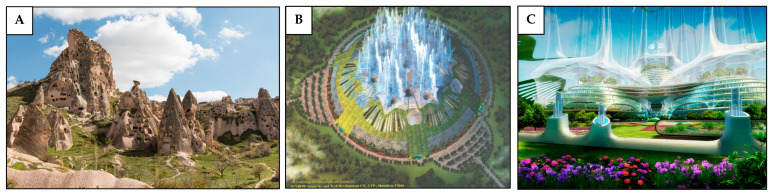 Figure 17
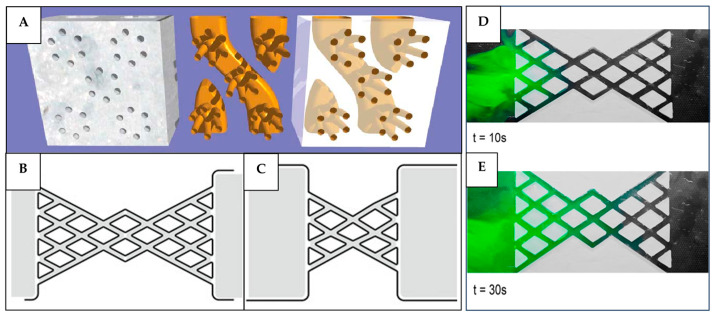 Figure 18
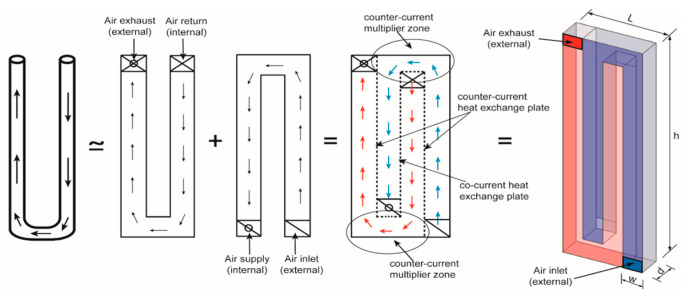 Figure 19
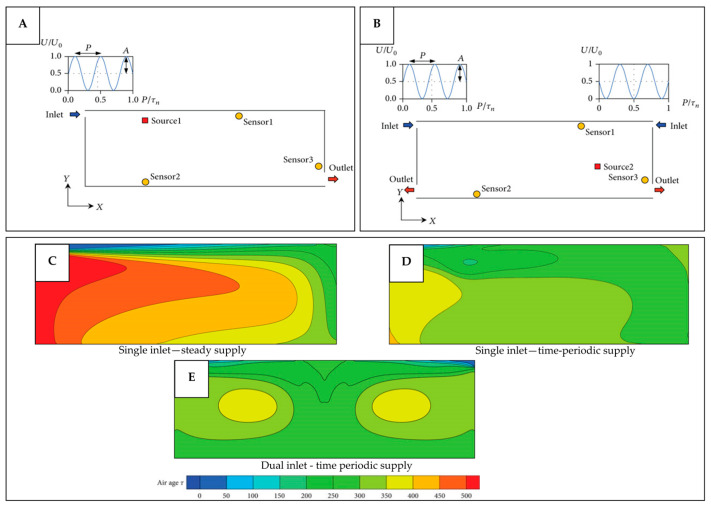 Figure 20
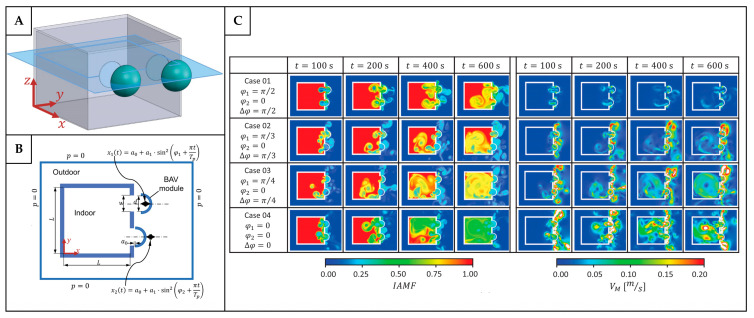 Figure 21
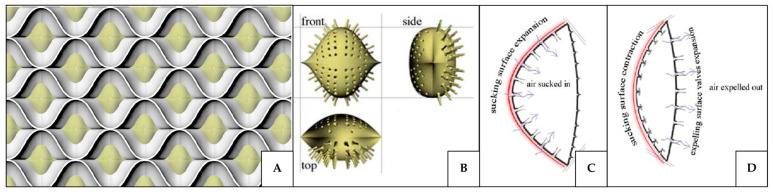 Figure 22
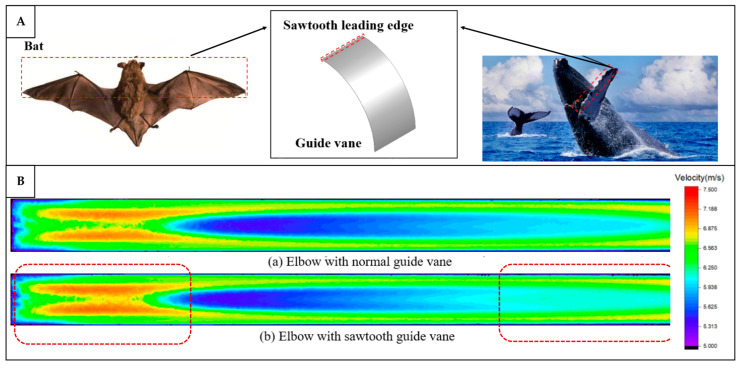 Figure 23
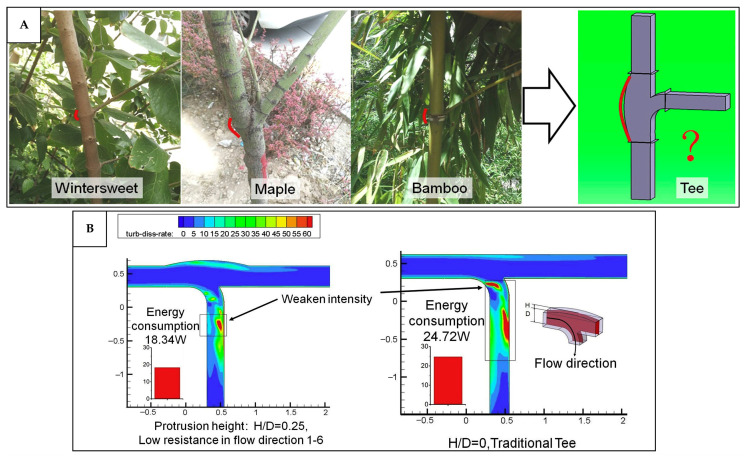 Figure 24
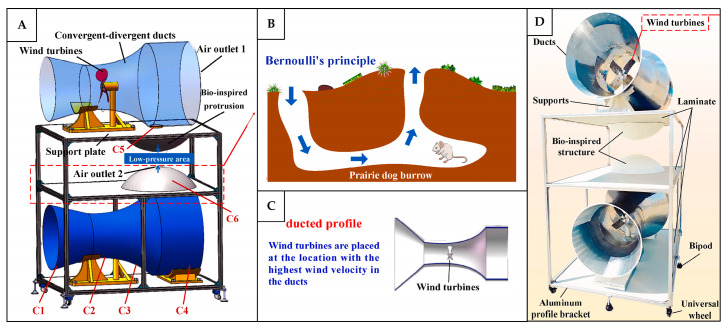 Figure 25
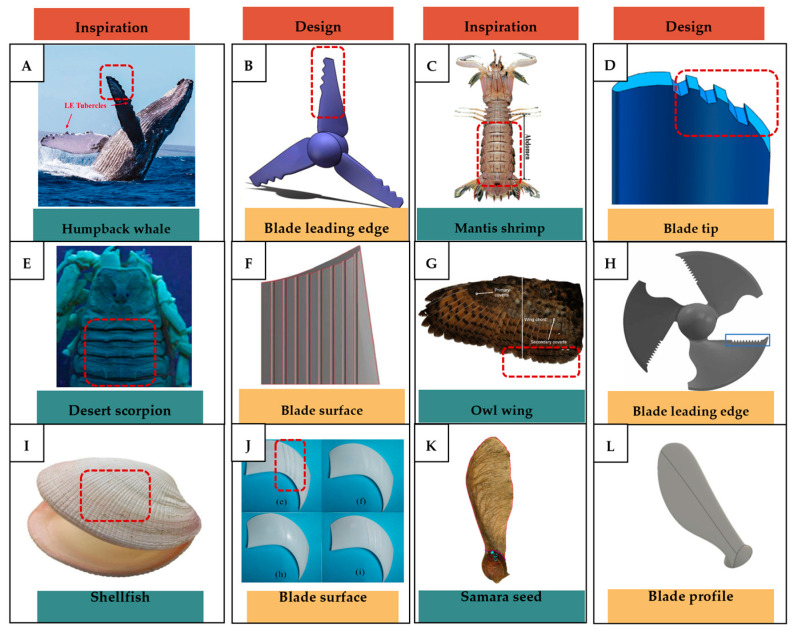 Figure 26
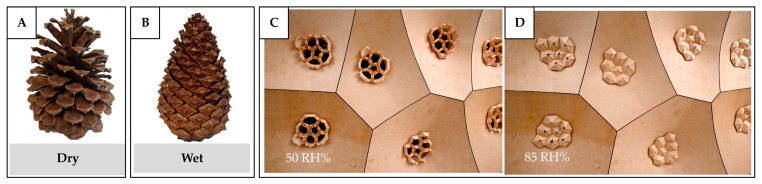 Figure 27
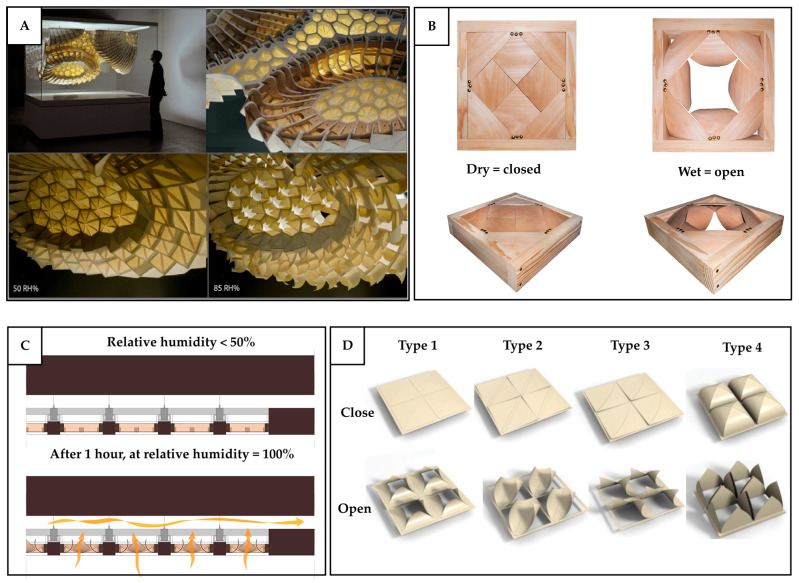 Figure 28
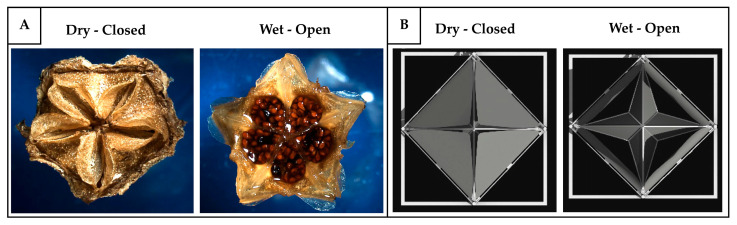 Figure 29
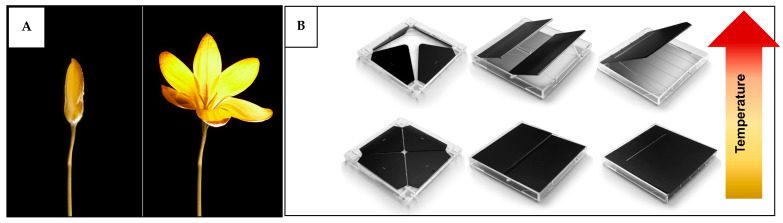 Figure 30
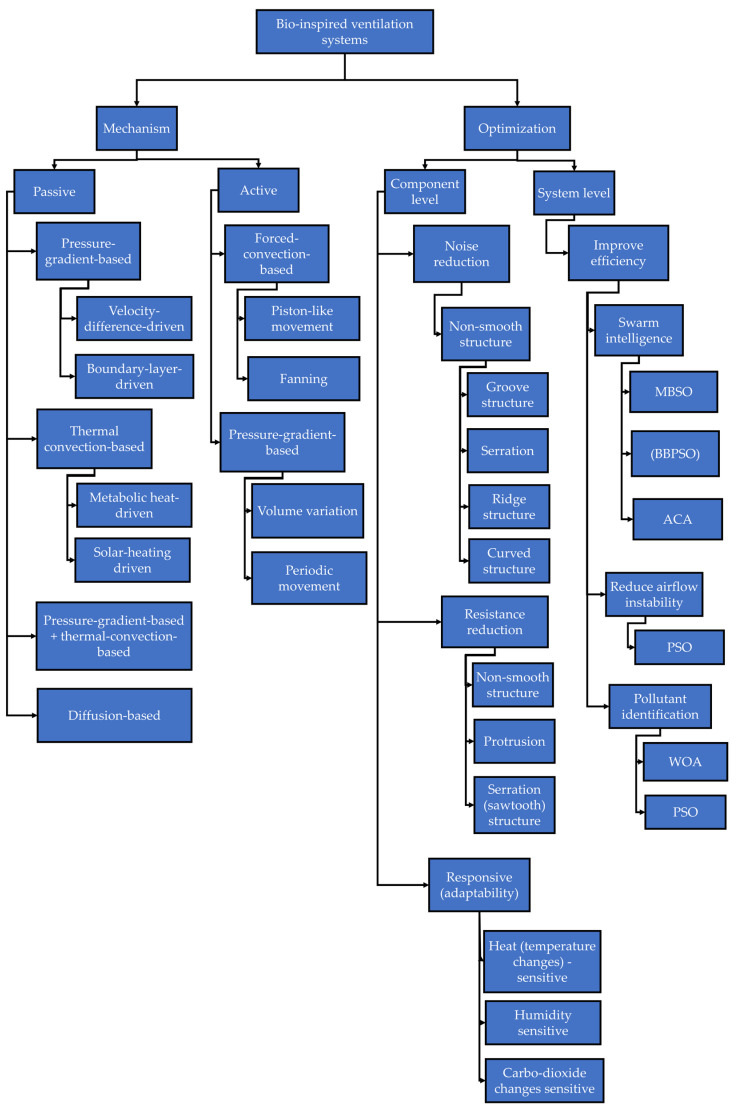 Figure 31
Peer Reviews
No public reviews on file for this paper yet. If you reviewed it on a platform where reviews are public (OpenReview, ICLR, NeurIPS, ICML), you can paste yours below so the community can read it here.
Videos
No videos yet. Explain this paper in a talk, walkthrough, or lecture? Add one.
Taxonomy
TopicsTardigrade Biology and Ecology · Plant and Biological Electrophysiology Studies · Solar Energy Systems and Technologies