Small Molecule Inhibitors of Nicotinamide N-Methyltransferase Enzyme for the Treatment of Osteosarcoma and Merkel Cell Carcinoma: Potential for the Development of a Targeted Therapeutic Strategy
Veronica Pompei, Monia Cecati, Emma Nicol Serritelli, Eleonora Gerini, Roberto Campagna, Valentina Pozzi, Matthijs J. Van Haren, Nathaniel I. Martin, Monica Emanuelli, Davide Sartini

TL;DR
This study explores small molecule inhibitors of the NNMT enzyme to treat osteosarcoma and Merkel cell carcinoma by reducing cancer cell growth and chemoresistance.
Contribution
The study introduces NNMT inhibition as a novel therapeutic strategy for osteosarcoma and Merkel cell carcinoma.
Findings
NNMT inhibitors significantly reduced cell viability in osteosarcoma and Merkel cell carcinoma cell lines.
Inhibitors increased reactive oxygen species production and activated apoptotic pathways in cancer cells.
Combined treatment with NNMT inhibitors and cisplatin enhanced the anti-cancer effects observed.
Abstract
Nicotinamide N-methyltransferase (NNMT) enzyme catalyzes the N-methylation of nicotinamide and its overexpression has been reported in many neoplasms, favoring traits featuring an aggressive tumor cell phenotype. Our recent data demonstrated that NNMT upregulation in osteosarcoma (OS) and Merkel cell carcinoma (MCC) led to a significant increase in cell proliferation and migration ability, together with a reduction in sensitivity to chemotherapeutic treatment. Based on these findings, we investigated the impact of small molecule NNMT inhibitors 5-amino-1-methyl quinolinium (5-AMQ), 6-methoxynicotinamide (6MeONa) and Eli Lilly’s pyrimidine 5-carboxamide (EL-1) on U-2 OS and Saos-2 OS cell lines and MCC13 and MCC26 MCC cell lines. Following incubation of the cells with these compounds, cell viability, reactive oxygen species (ROS) production and apoptosis induction were evaluated. Cells…
Genes, proteins, chemicals, diseases, species, mutations and cell lines named across the full text — each resolved to its canonical identifier and authoritative record.
Click any figure to enlarge with its caption.
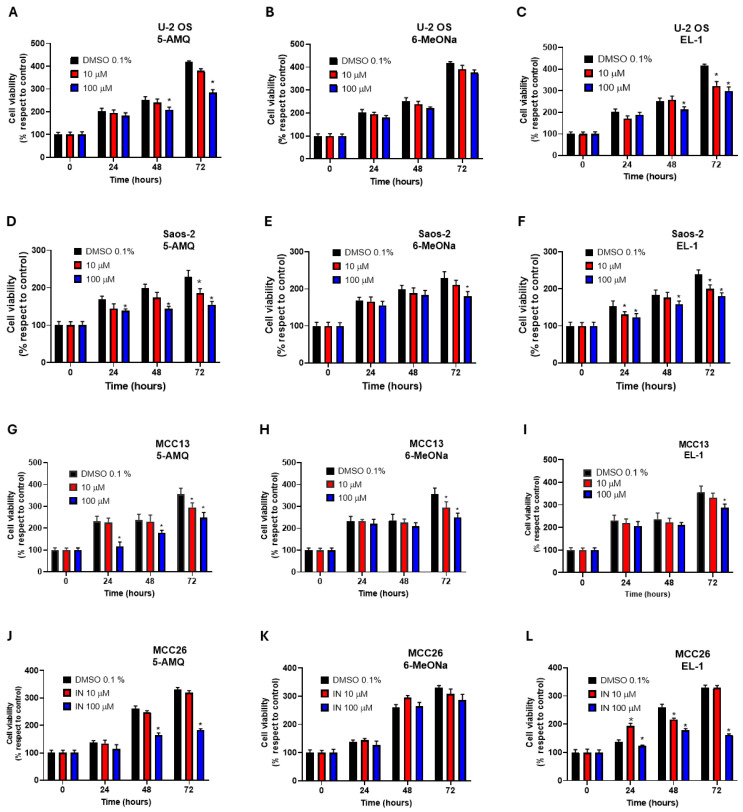 Figure 1
 Figure 2
 Figure 3
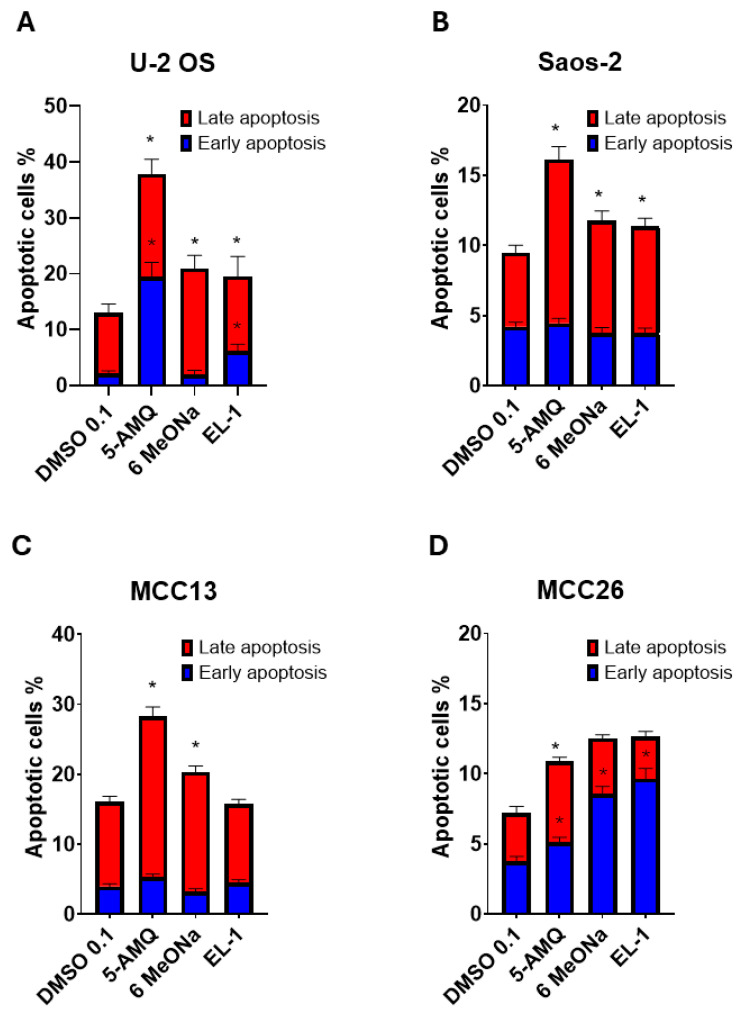 Figure 4
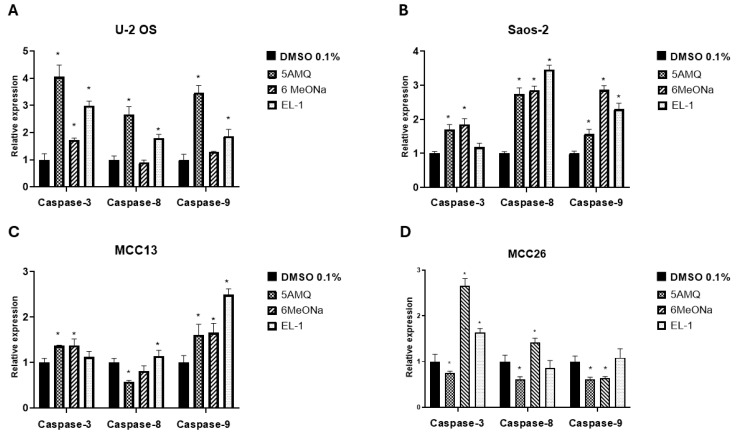 Figure 5
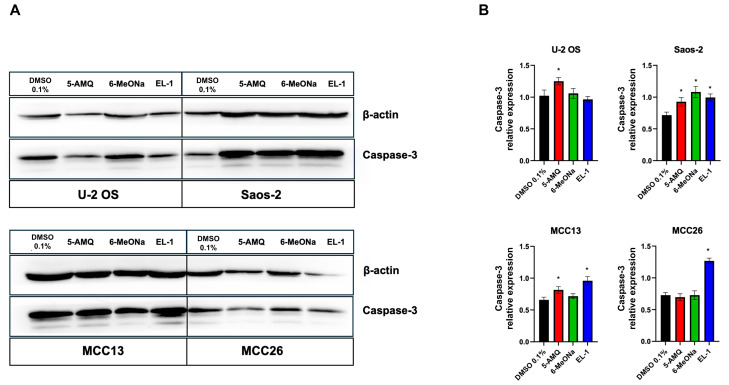 Figure 6
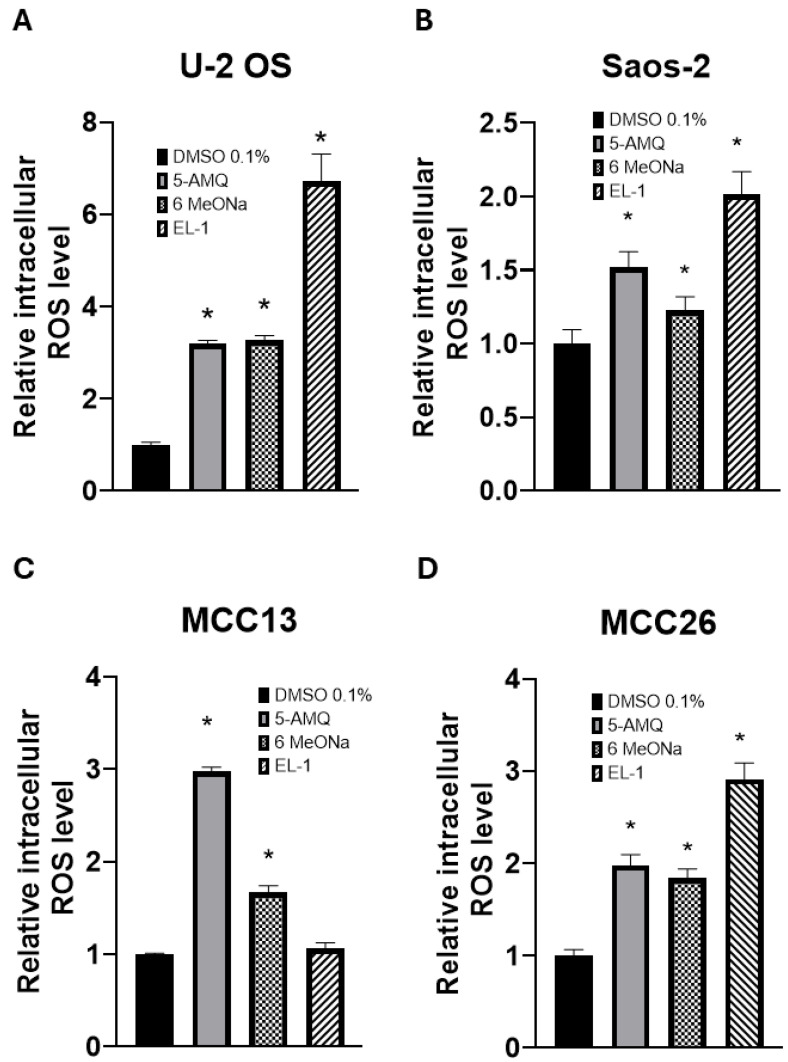 Figure 7
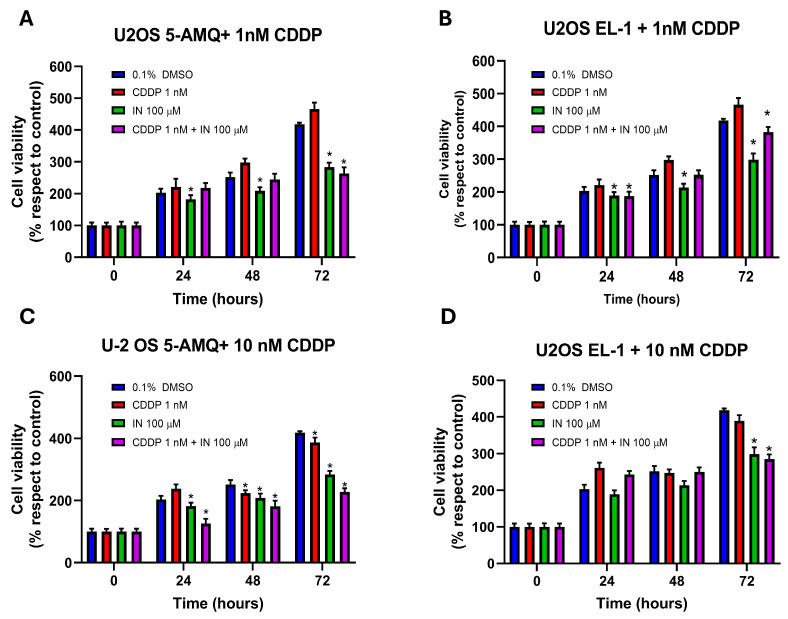 Figure 8
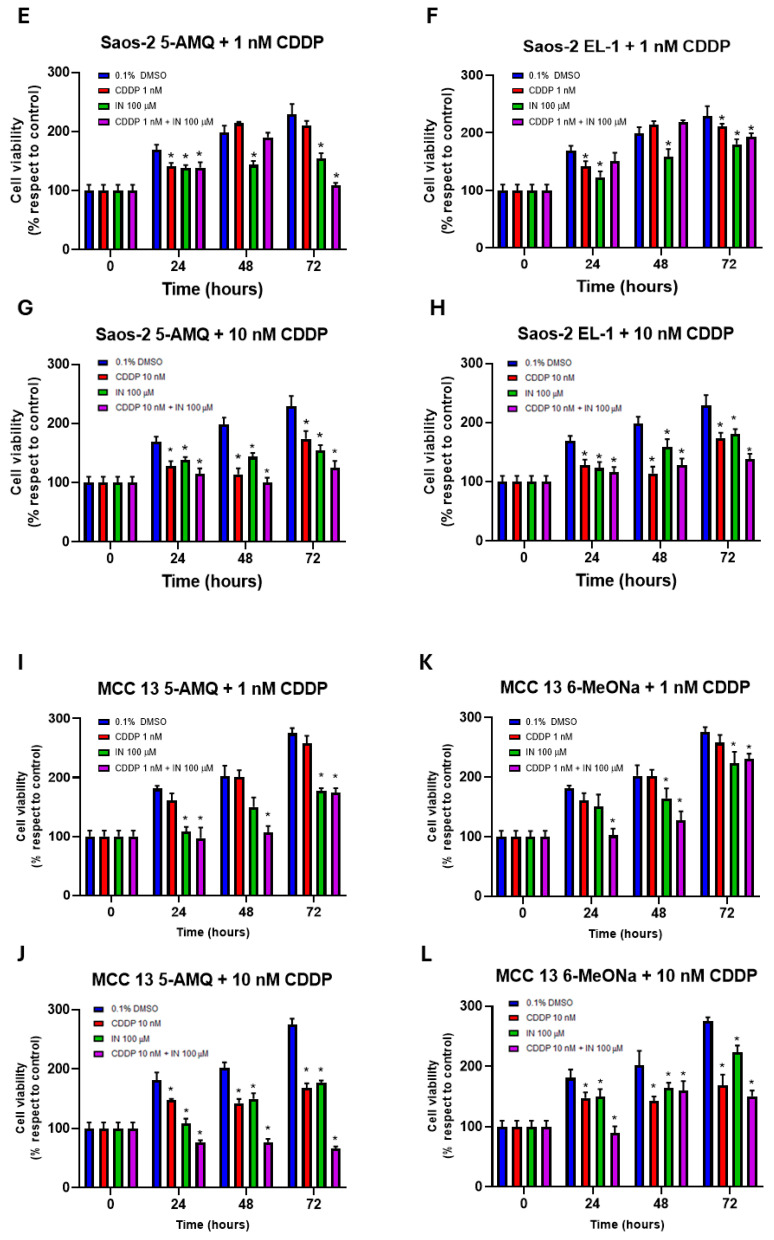 Figure 9
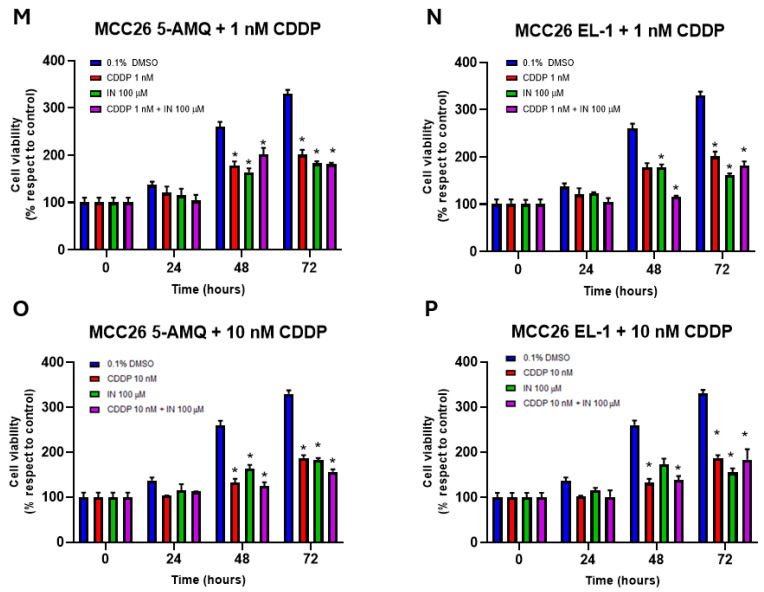 Figure 10
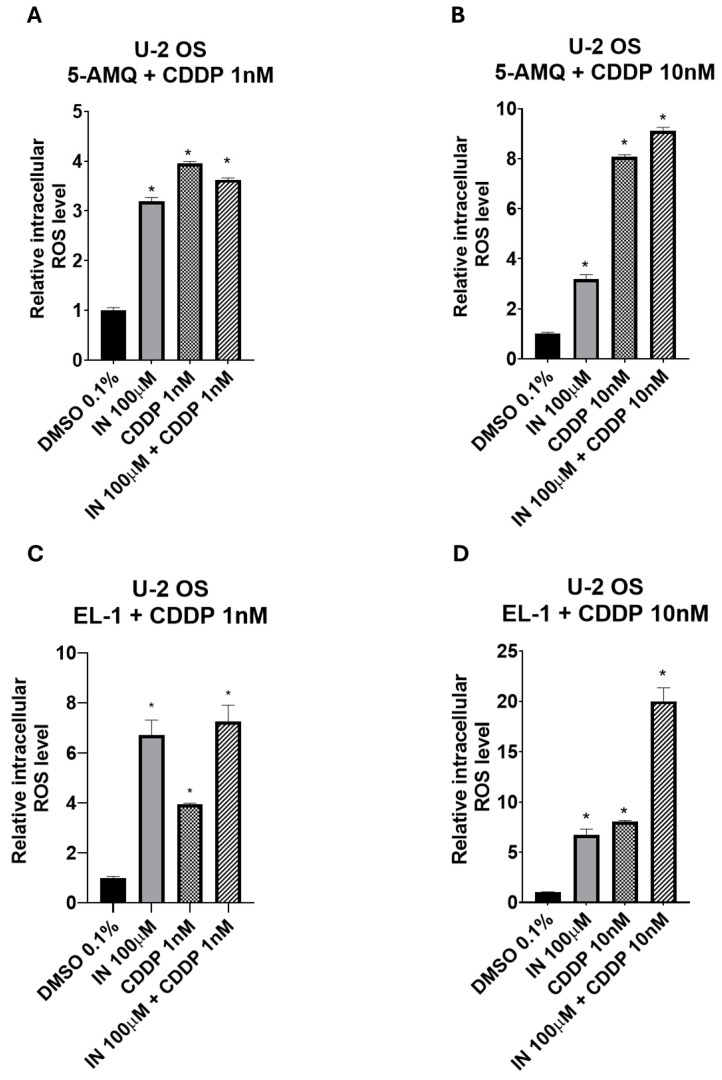 Figure 11
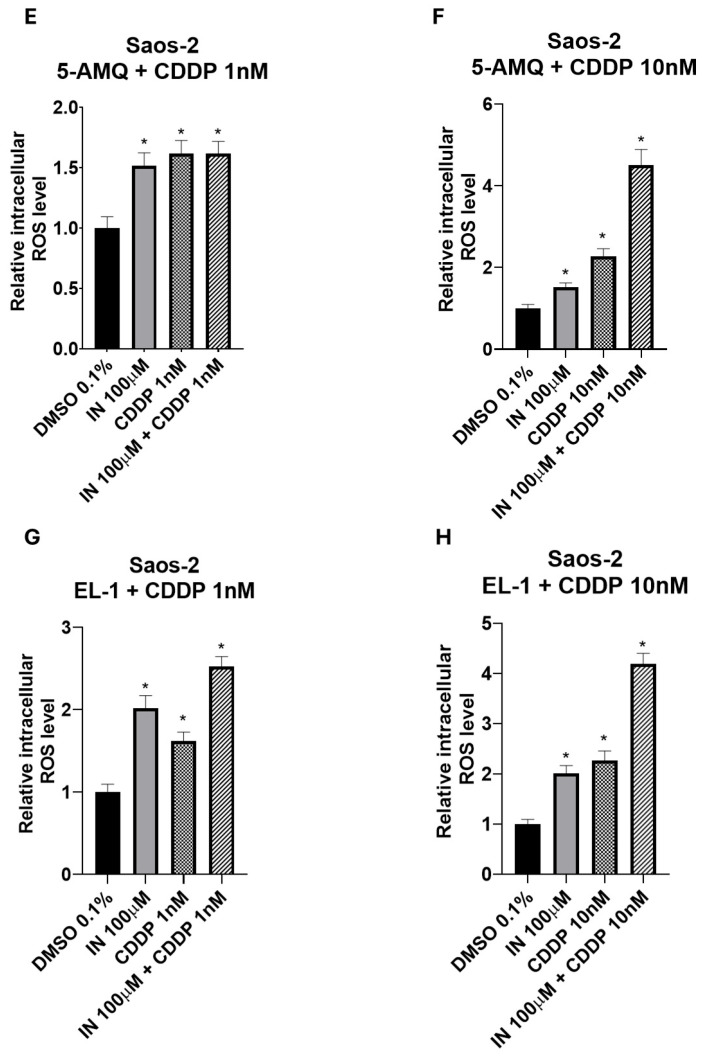 Figure 12
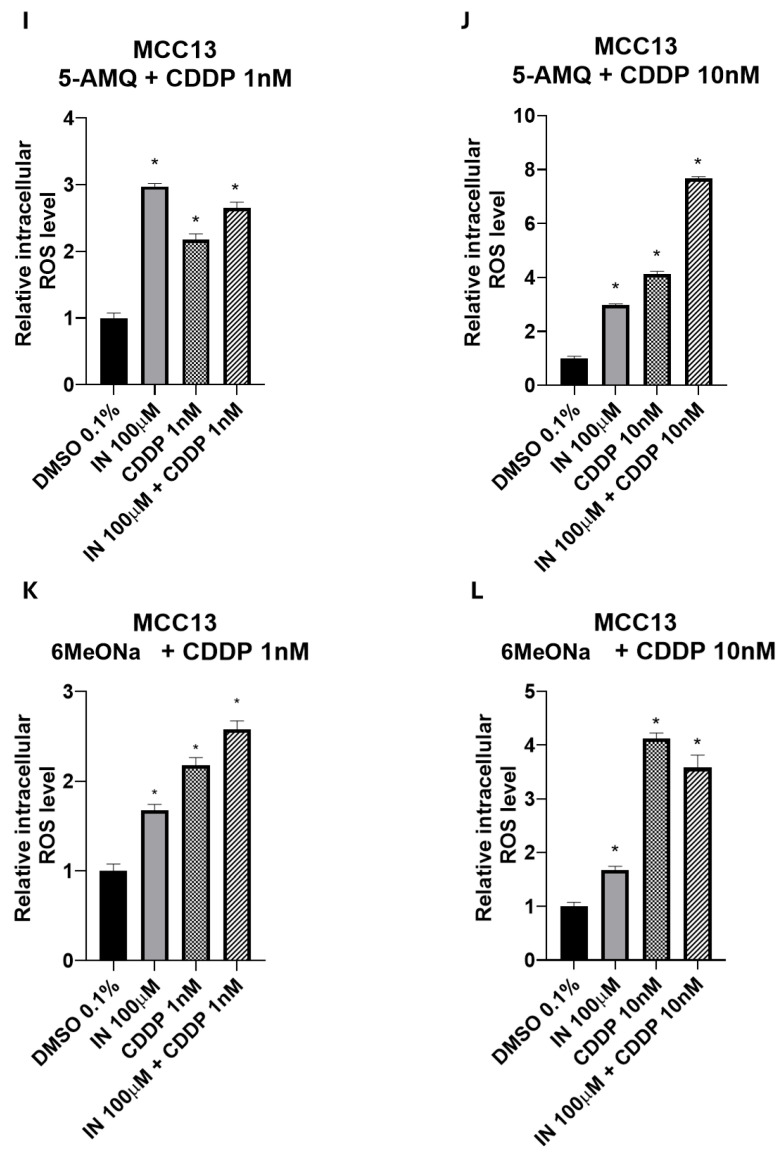 Figure 13
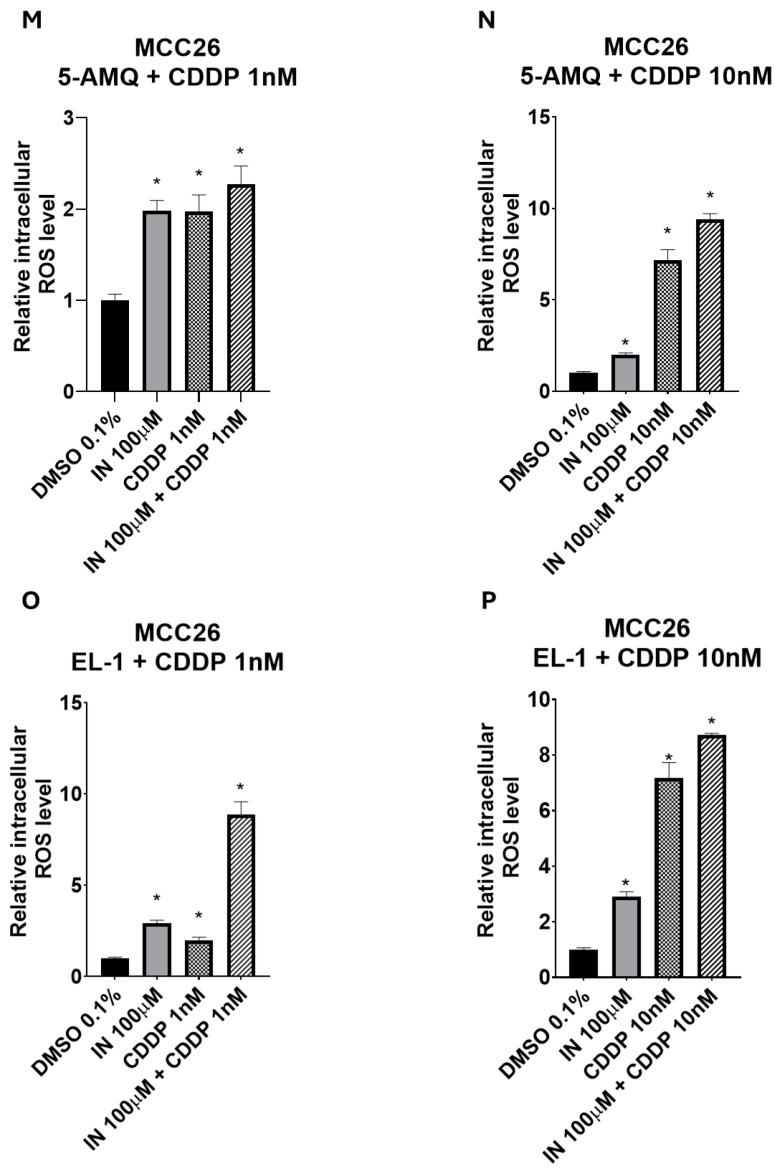 Figure 14
Peer Reviews
No public reviews on file for this paper yet. If you reviewed it on a platform where reviews are public (OpenReview, ICLR, NeurIPS, ICML), you can paste yours below so the community can read it here.
Videos
No videos yet. Explain this paper in a talk, walkthrough, or lecture? Add one.
Taxonomy
TopicsSirtuins and Resveratrol in Medicine · PARP inhibition in cancer therapy · Biochemical and Molecular Research