The “Iron Gate” Outcompetes the “Enzymic Latch” as the Dominant Soil Organic Carbon Stabilization Mechanism in Permafrost Peatlands of the Great Hing’an Mountains
Shuping Kan, Weiping Yin, Zhao Li, Xinmiao Guo, Dalong Ma, Huan Yu, Yiting Zhao

TL;DR
This study finds that the 'iron gate' mechanism, not the 'enzymic latch', is the main way carbon is stabilized in permafrost peatlands of the Great Hing’an Mountains.
Contribution
The study identifies the 'iron gate' as the dominant carbon stabilization mechanism in permafrost peatlands, challenging the 'enzymic latch' theory.
Findings
Hydrolytic enzyme activities were not correlated with phenolics as expected by the 'enzymic latch' theory.
Ferrous iron positively correlates with phenol oxidase activity, and ferric iron stabilizes soil organic carbon through co-precipitation.
Fe-SOC decreases with permafrost degradation and soil depth, indicating vulnerability to climate change.
Abstract
The “enzymic latch” and “iron gate” theories represent two prevailing and contrasting mechanisms governing ecosystem carbon stability: the former via a phenolics accumulation mediated biochemical cascade that suppresses hydrolytic enzyme activity, and the latter via an abiotic pathway where ferrous iron oxidation suppresses phenol oxidase activity and promotes iron-bound soil organic carbon formation. Therefore, deciphering the stabilization mechanisms for the vast carbon stocks in permafrost peatlands represents a central challenge for climate change projections. In this study, we assessed the spatial distribution and interrelationships of peatland soil extracellular enzyme activities, iron phases, and iron-bound soil organic carbon across three permafrost zones in the Great Hing’an Mountains. Contrary to the “enzymic latch” mechanism, our data revealed that hydrolytic enzyme…
Genes, proteins, chemicals, diseases, species, mutations and cell lines named across the full text — each resolved to its canonical identifier and authoritative record.
Click any figure to enlarge with its caption.
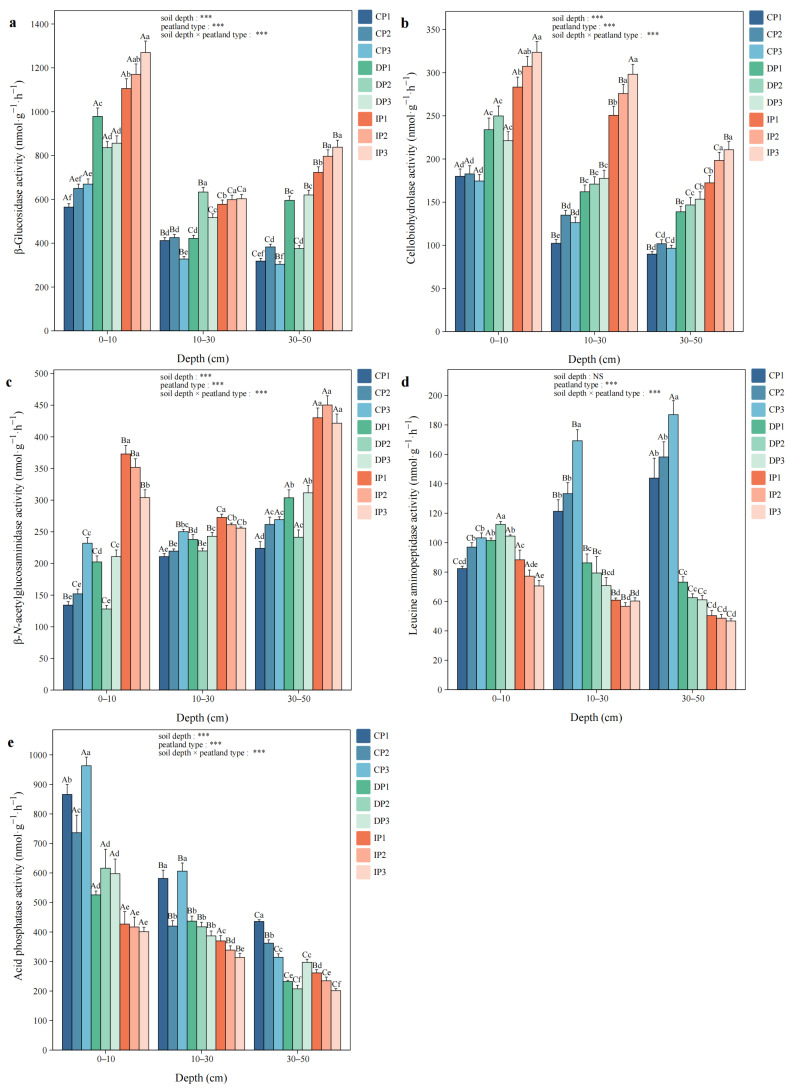 Figure 1
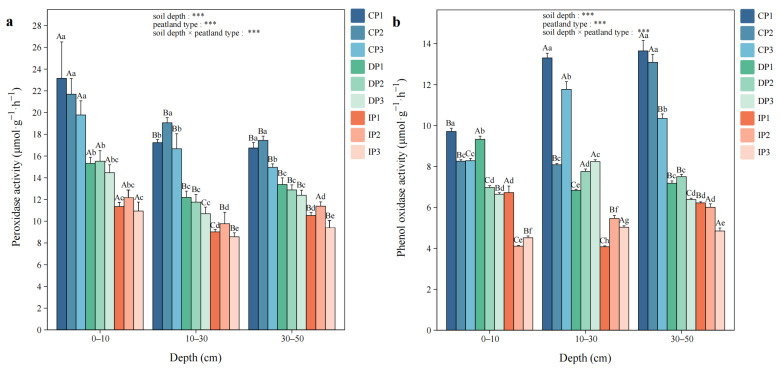 Figure 2
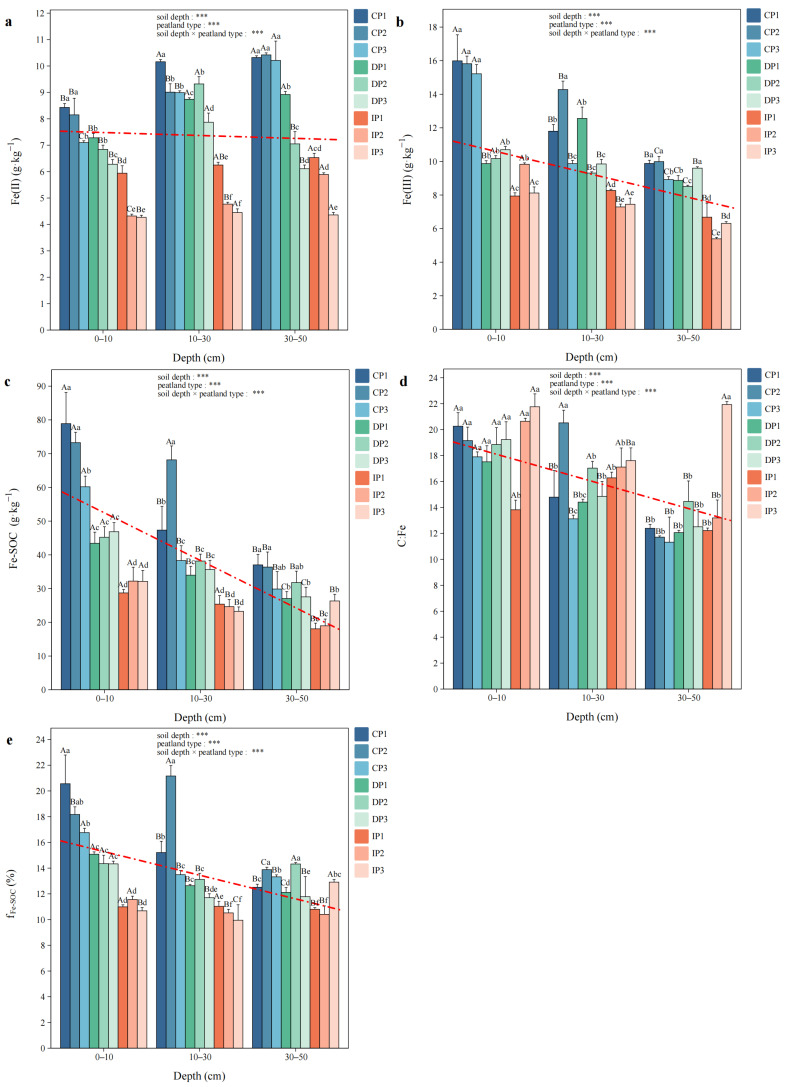 Figure 3
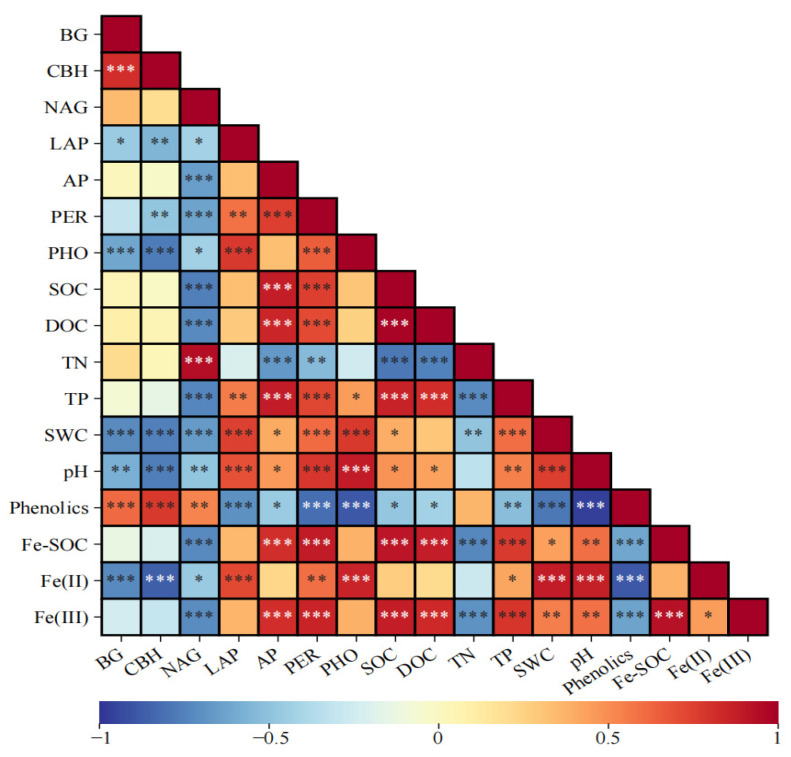 Figure 4
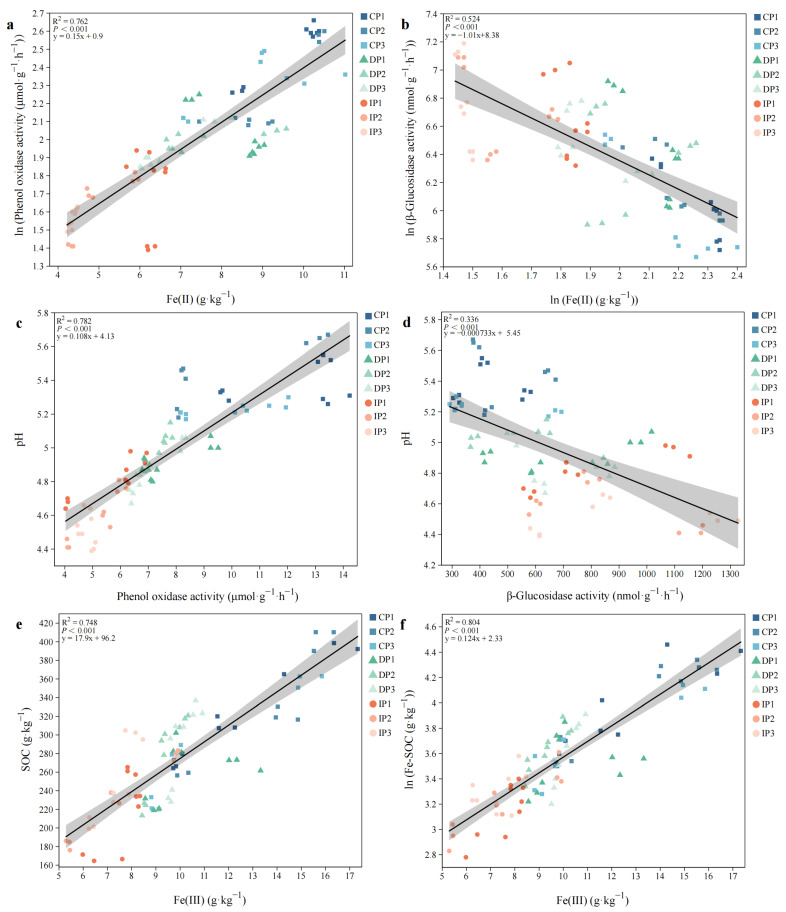 Figure 5
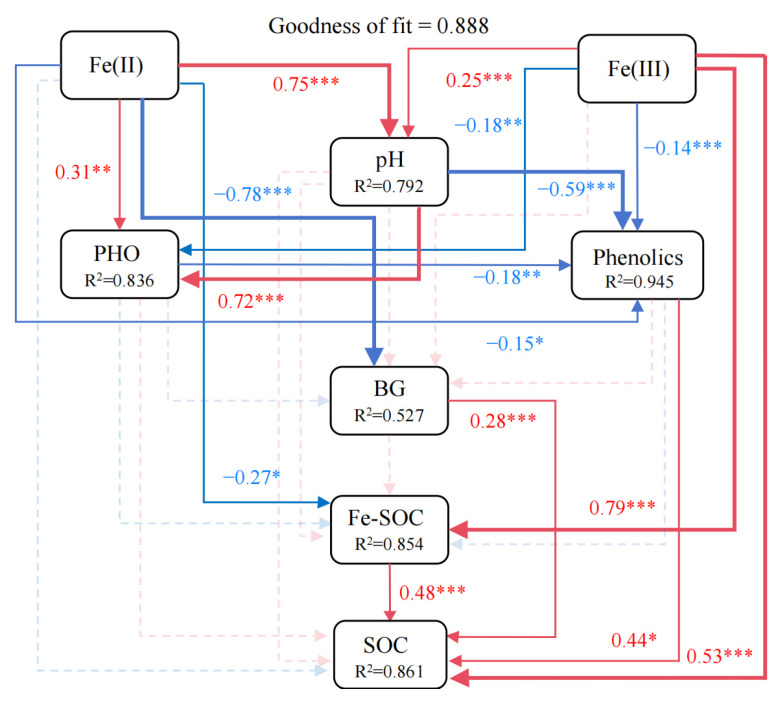 Figure 6
Peer Reviews
No public reviews on file for this paper yet. If you reviewed it on a platform where reviews are public (OpenReview, ICLR, NeurIPS, ICML), you can paste yours below so the community can read it here.
Videos
No videos yet. Explain this paper in a talk, walkthrough, or lecture? Add one.
Taxonomy
TopicsClimate change and permafrost · Peatlands and Wetlands Ecology · Soil Carbon and Nitrogen Dynamics