A Whole-Cell System Based on Engineered Bacteria to Assess Cobalt Presence in Food: The Example of the Pasta Production Chain
Monica De Caroli, Sara Carrozzo, Carla Perrotta, Patrizia Rampino

TL;DR
Scientists created a bacteria-based system to detect cobalt contamination in pasta production, using a fluorescent signal triggered by cobalt presence.
Contribution
A novel whole-cell biosensor using the UspA promoter to detect low cobalt concentrations in complex food matrices.
Findings
The UspA promoter-based system detected cobalt in durum wheat matrices with high sensitivity.
Cobalt contamination was detected only in bran and fine bran, not in inner grain parts.
The system offers a new tool for monitoring cobalt in food safety.
Abstract
With the aim of developing a new tool to meet the increasing demand for food safety, a whole-cell-based system able to detect the presence of cobalt contamination along the pasta production chain was constructed. This system is based on bacterial cells engineered with a plasmid containing the eGFP gene under the control of a promoter sequence, and is able to elicit a fluorescence signal when activated. The promoters of four stress-responsive genes (DnaK, GroE, UspA, and ZntA) were used to test their responsiveness to cobalt; the promoter of the UspA gene, coding for a universal stress protein, was chosen. The UspA promoter was activated by cobalt, and the system described was highly sensitive, successfully detecting low concentrations of cobalt within complex food matrices derived from durum wheat seeds when exogenous cobalt was added. In food matrices tested alone, a fluorescence…
Genes, proteins, chemicals, diseases, species, mutations and cell lines named across the full text — each resolved to its canonical identifier and authoritative record.
Click any figure to enlarge with its caption.
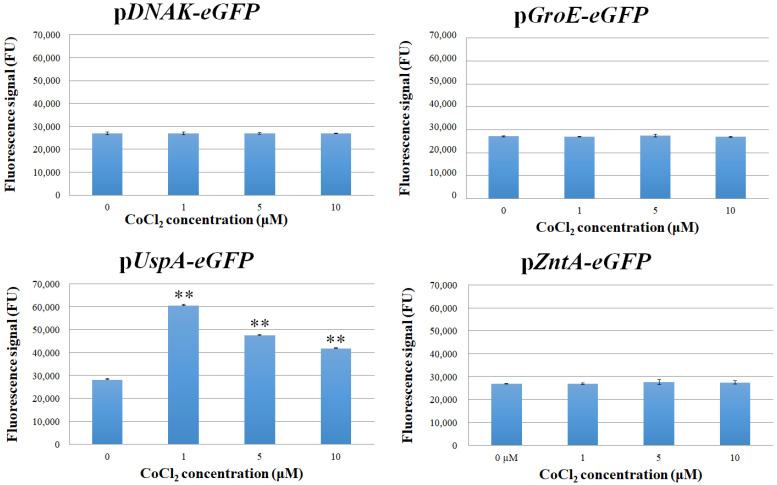 Figure 1
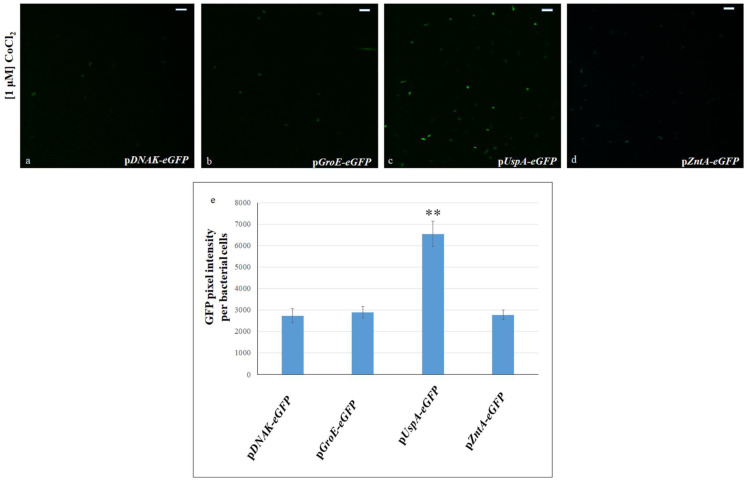 Figure 2
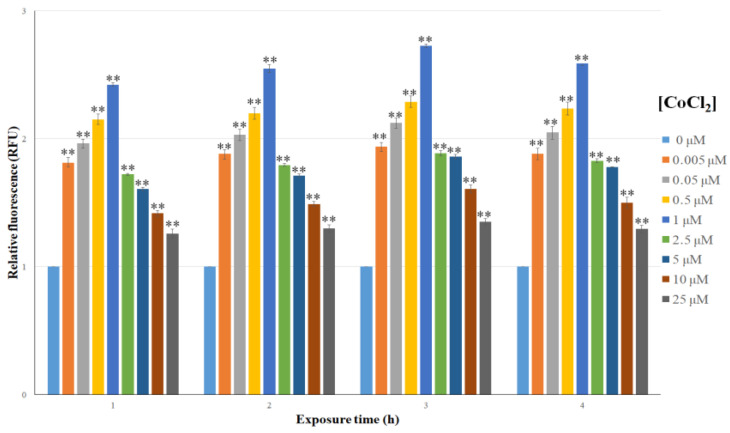 Figure 3
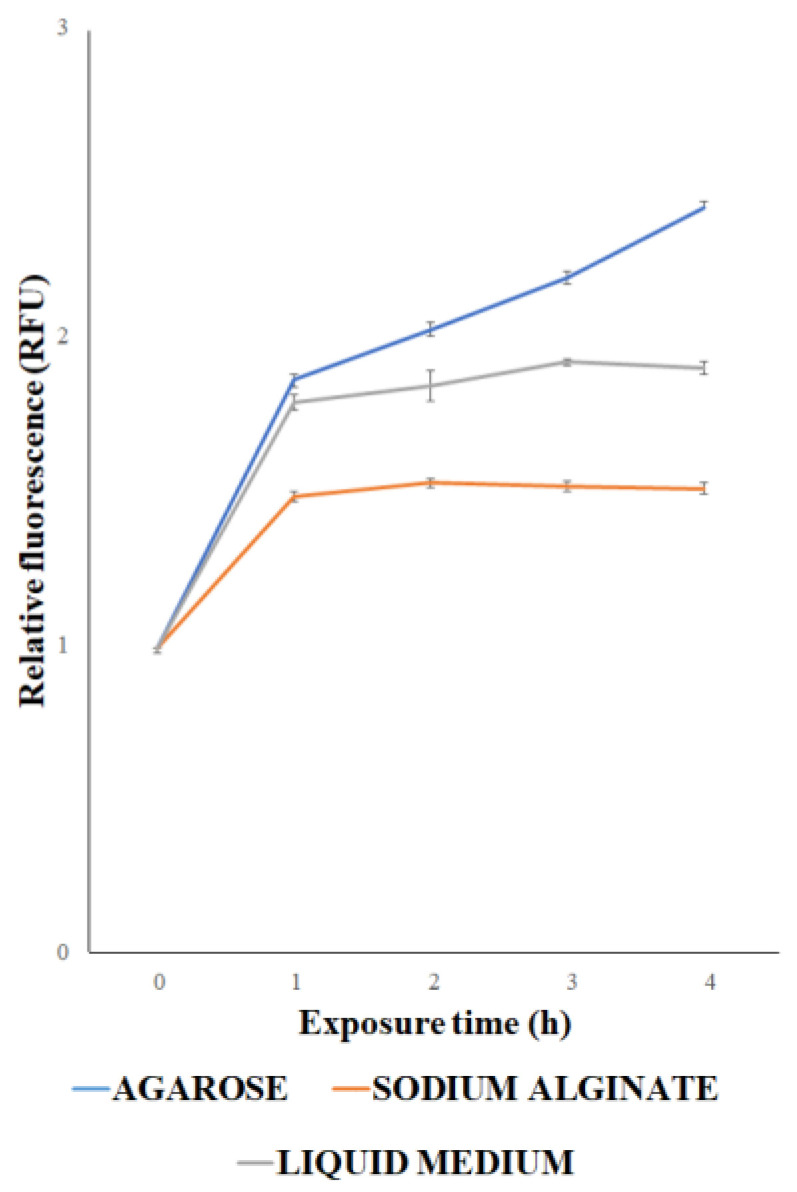 Figure 4
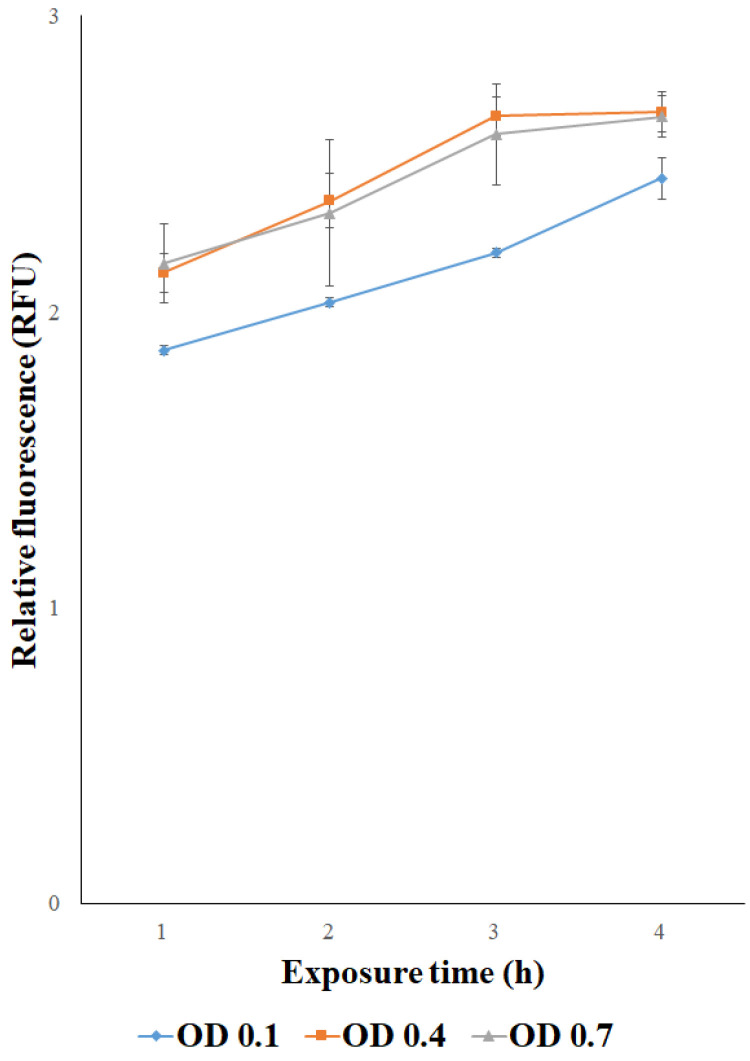 Figure 5
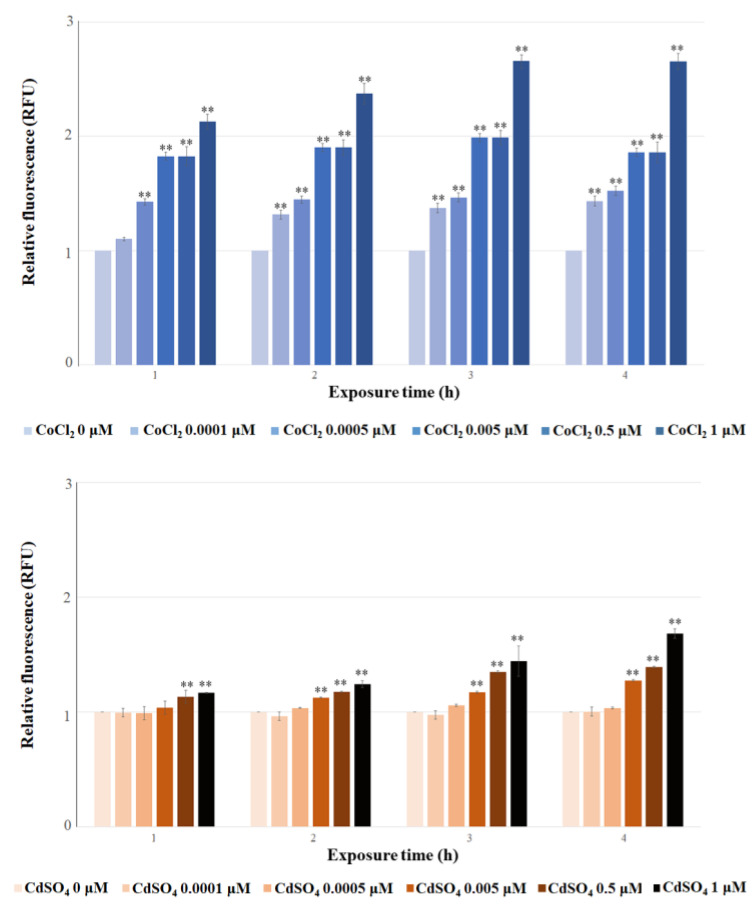 Figure 6
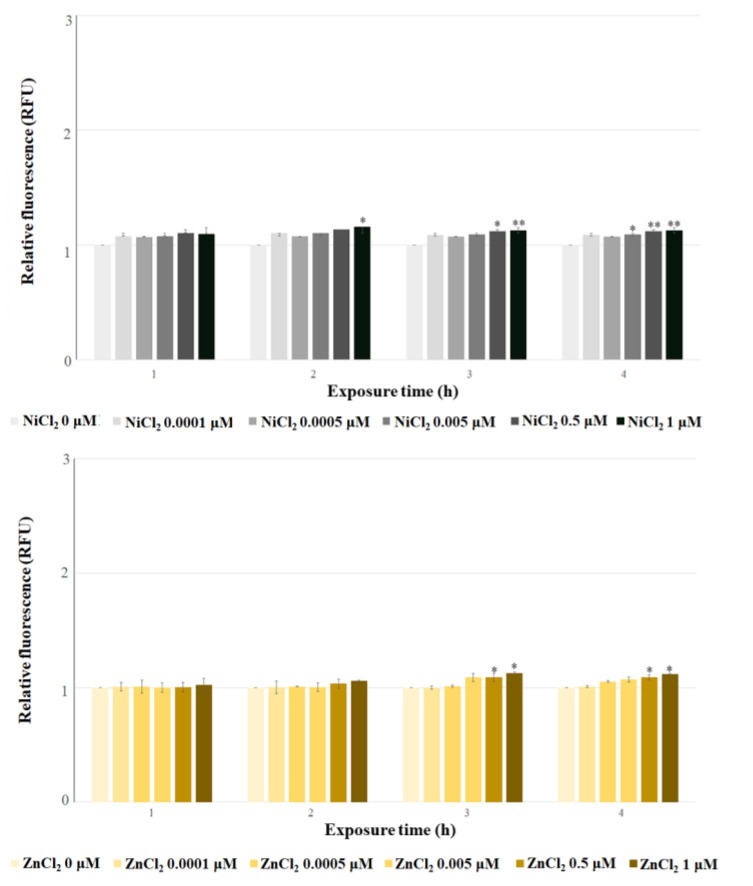 Figure 7
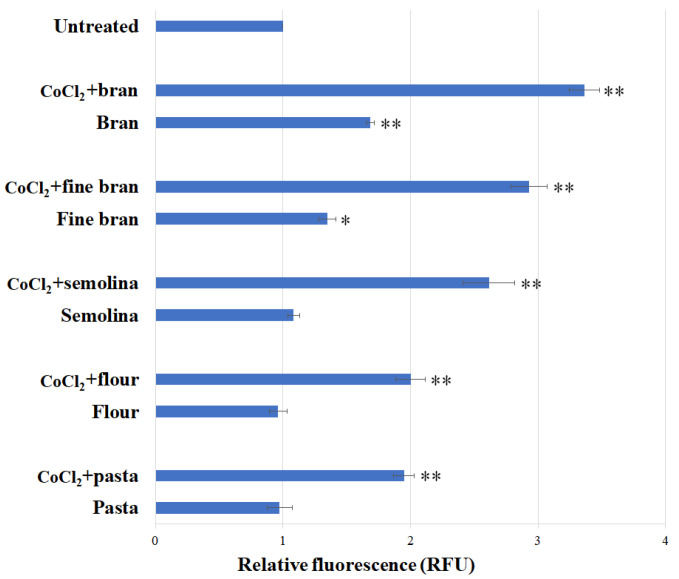 Figure 8
Peer Reviews
No public reviews on file for this paper yet. If you reviewed it on a platform where reviews are public (OpenReview, ICLR, NeurIPS, ICML), you can paste yours below so the community can read it here.
Videos
No videos yet. Explain this paper in a talk, walkthrough, or lecture? Add one.
Taxonomy
TopicsAluminum toxicity and tolerance in plants and animals · Fungal and yeast genetics research · Chromium effects and bioremediation