Phylogeographic Insights into Pipistrellus Species from Türkiye: Diversity, Divergence, and Regional Lineage Structure
Emin Seyfi, Şafak Bulut, Gül Olgun Karacan

TL;DR
This study uses genetic data to reveal hidden diversity and evolutionary patterns in Pipistrellus bats in Türkiye, showing the region's role as a key area for bat evolution and conservation.
Contribution
The study provides new phylogeographic insights into cryptic Pipistrellus species in Türkiye, revealing unrecognized lineages and the evolutionary role of Anatolia.
Findings
Morphological identification of Pipistrellus species in Türkiye is unreliable, with molecular data showing misidentifications.
Türkiye serves as both a refugium and a contact zone for bat lineages, including a previously unrecognized lineage of Nathusius’ pipistrelle.
The Anatolian Diagonal acts as a barrier and corridor, separating and overlapping Eastern and Western lineages of P. pipistrellus.
Abstract
Bats are important mammals that contribute to natural balance by consuming insects and serving as indicators of healthy ecosystems. In Türkiye, four closely related species of the genus Pipistrellus are found, yet they are extremely difficult to identify based on external appearance alone. This study investigated their genetic diversity and evolutionary history using mitochondrial Cytb sequences collected from a wide range of regions. The results showed that external features often lead to misidentification, especially between the common pipistrelle and the soprano pipistrelle, highlighting the importance of molecular data for reliable classification. We also discovered that Türkiye plays a dual role in bat evolution, serving both as a refugium for unique lineages and as a contact zone where different lineages meet. Distinct lineages of the common pipistrelle and Kuhl’s pipistrelle were…
Genes, proteins, chemicals, diseases, species, mutations and cell lines named across the full text — each resolved to its canonical identifier and authoritative record.
Click any figure to enlarge with its caption.
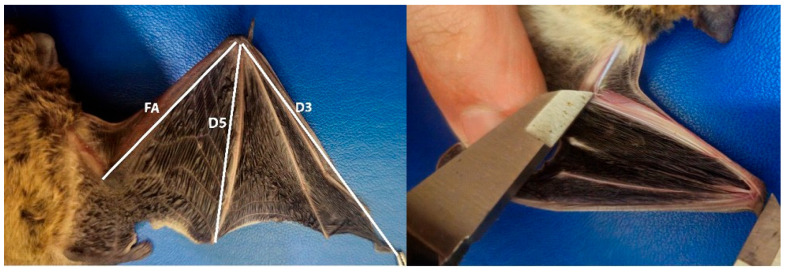 Figure 1
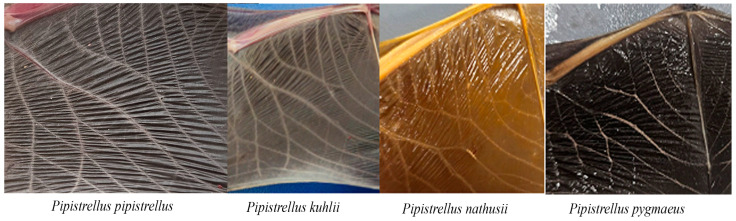 Figure 2
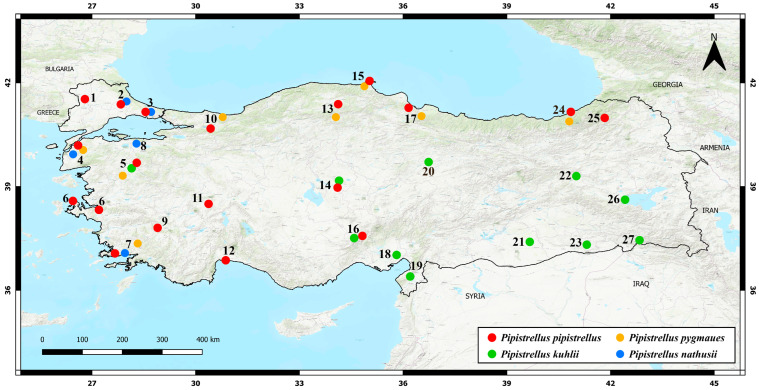 Figure 3
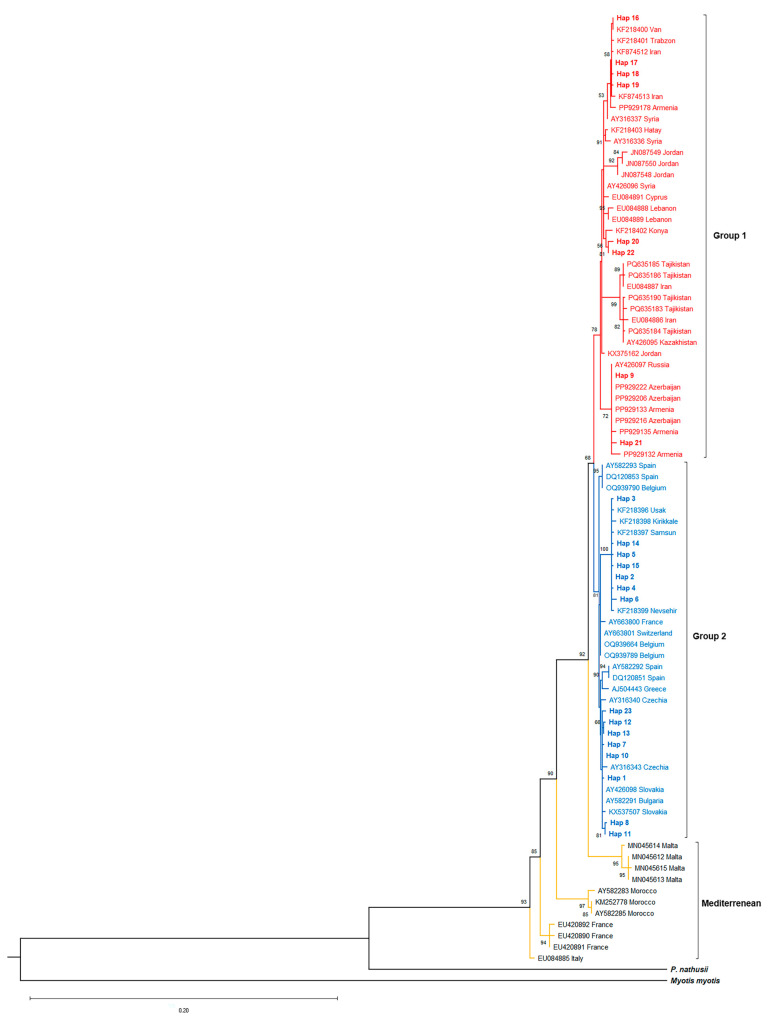 Figure 4
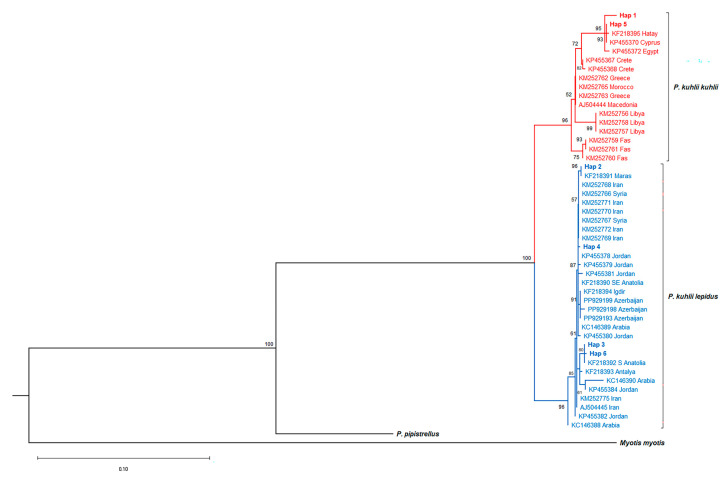 Figure 5
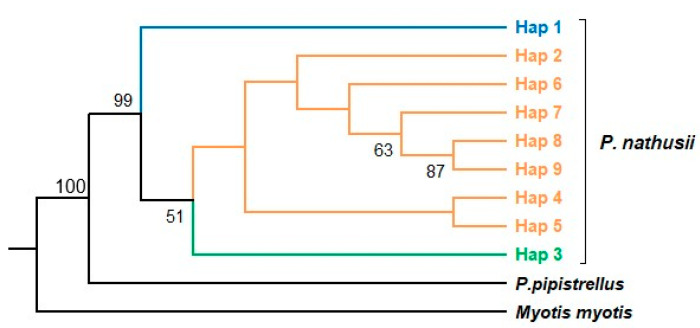 Figure 6
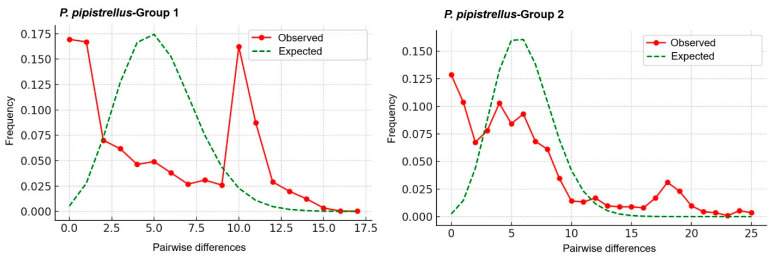 Figure 7
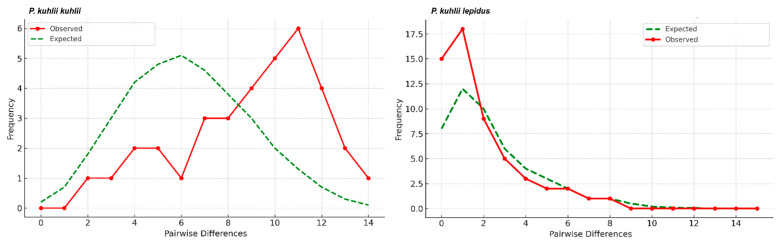 Figure 8
 Figure 9
 Figure 10
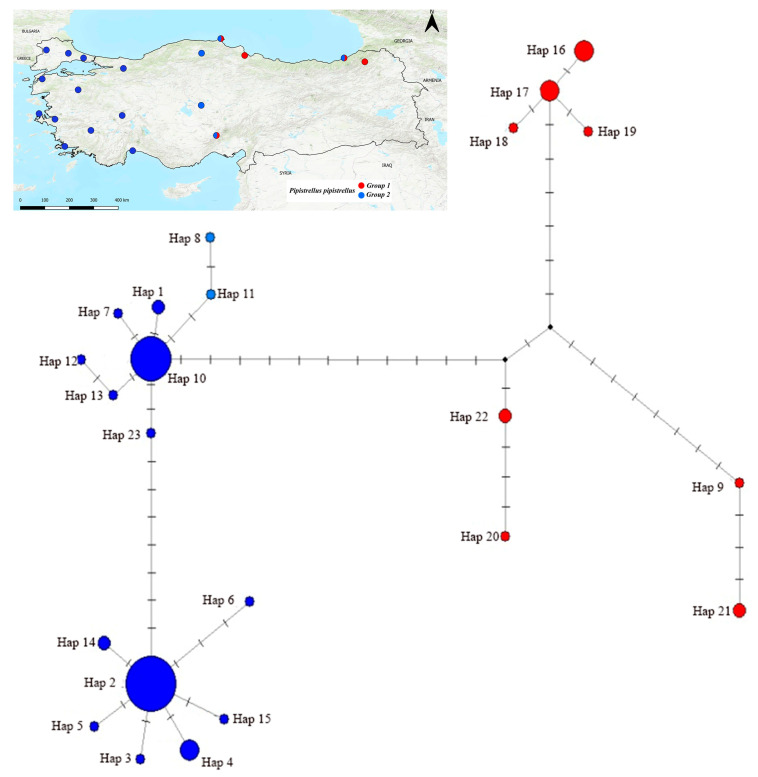 Figure 11
 Figure 12
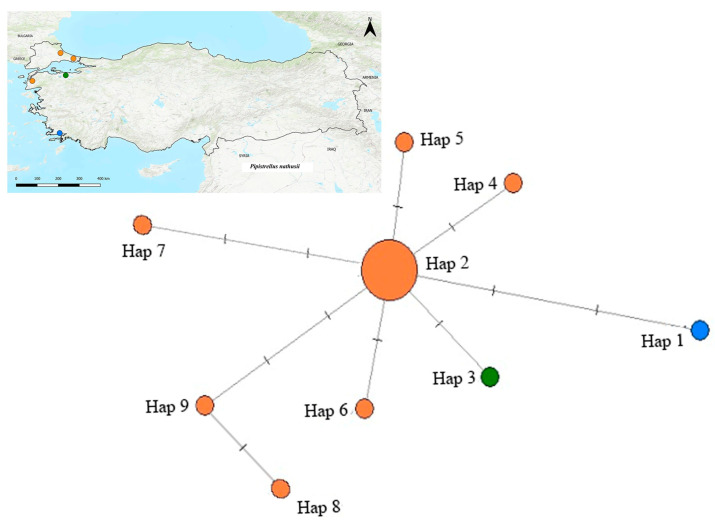 Figure 13
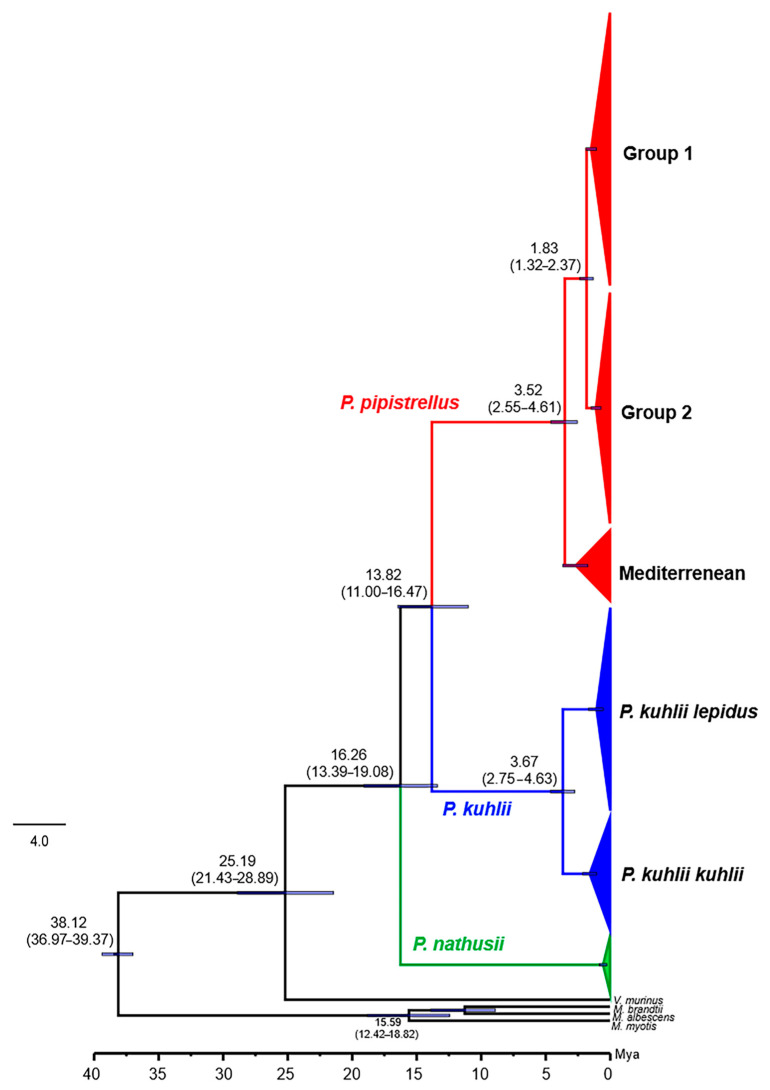 Figure 14
Peer Reviews
No public reviews on file for this paper yet. If you reviewed it on a platform where reviews are public (OpenReview, ICLR, NeurIPS, ICML), you can paste yours below so the community can read it here.
Videos
No videos yet. Explain this paper in a talk, walkthrough, or lecture? Add one.
Taxonomy
TopicsBat Biology and Ecology Studies · Amphibian and Reptile Biology · Genetic diversity and population structure