Enhancing Clinical Decision-Making in Pediatric Monitoring: Learning Threshold Alarm Patterns to Predict Critical Illness
Christina Chiziwa, Mphatso Kamndaya, Patrick Phepa, IMPALA Project Team, Alick O. Vweza, Job Calis, Bart Bierling

TL;DR
This study uses pattern recognition to identify alarm patterns in pediatric patients before critical illness, aiming to improve early detection and clinical decisions.
Contribution
The novel use of DBSCAN and machine learning to identify threshold alarm patterns preceding critical illness in pediatric patients.
Findings
Threshold alarm patterns for ECGRR, ECGHR, and SPO2 were identified before critical illness events.
Random forest classifier outperformed SVM and decision tree in detecting these patterns with 93% accuracy.
Most threshold alarms had durations under 30 seconds and showed distinct ranges for death and sepsis.
Abstract
Background: Patient monitors assist caregivers in identifying deterioration earlier by using threshold alarms. Not all of the threshold alarms necessitate immediate action, but some are a result of the triggering of a physiological event. We aim to use pattern recognition techniques to identify threshold alarm signal patterns before the onset of critical illness, thereby enabling the faster and more effective detection of clinical deterioration and supporting better clinical decision-making. Method: Secondary data from 774 pediatric patients were extracted from the IMPALA Project conducted in the High Dependency Unit (HDU) at Queen Elizabeth and Zomba Central Hospitals in Malawi. The threshold alarm data were generated from the vital signs using WHO age cut-offs and GOAL3 age cut-offs. Time-segmented alarm analysis was conducted to examine the distribution of threshold alarms around…
Genes, proteins, chemicals, diseases, species, mutations and cell lines named across the full text — each resolved to its canonical identifier and authoritative record.
Click any figure to enlarge with its caption.
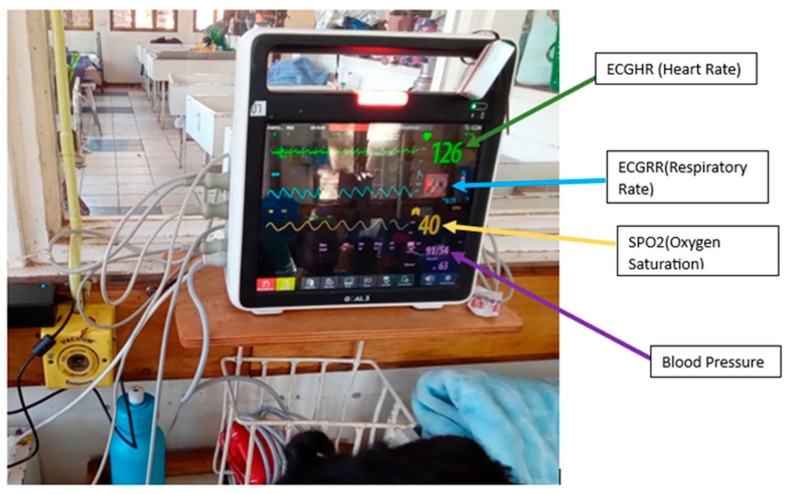 Figure 1
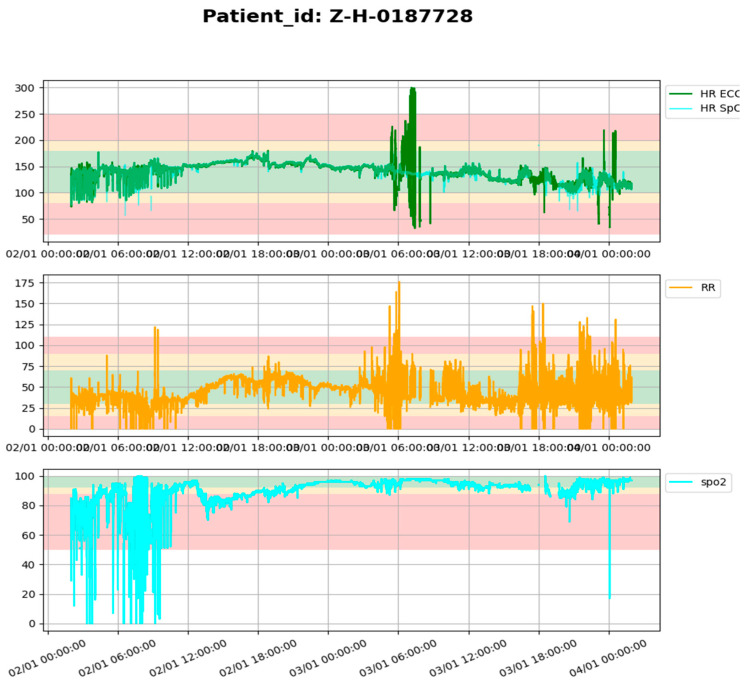 Figure 2
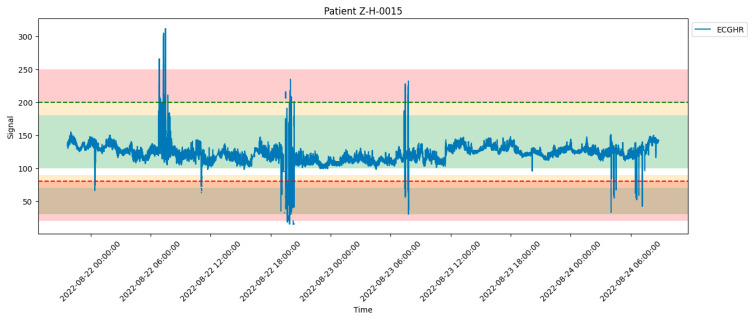 Figure 3
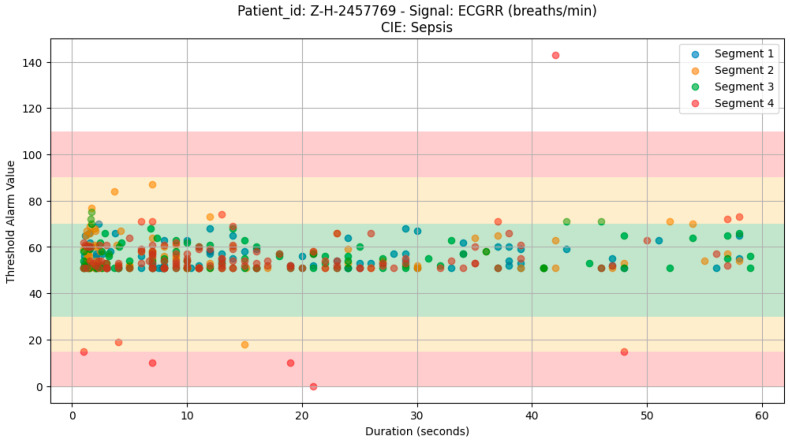 Figure 4
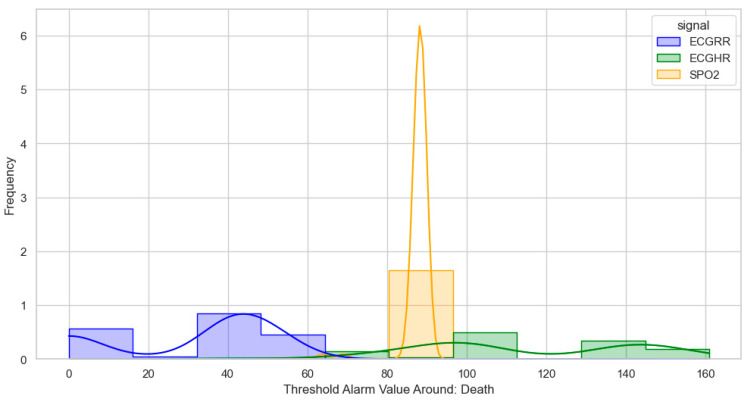 Figure 5
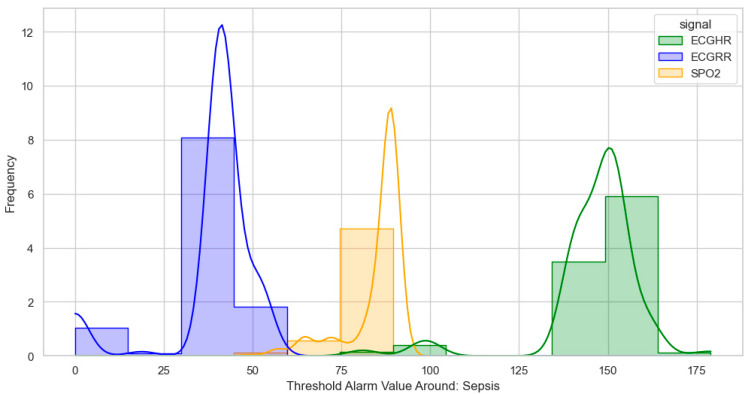 Figure 6
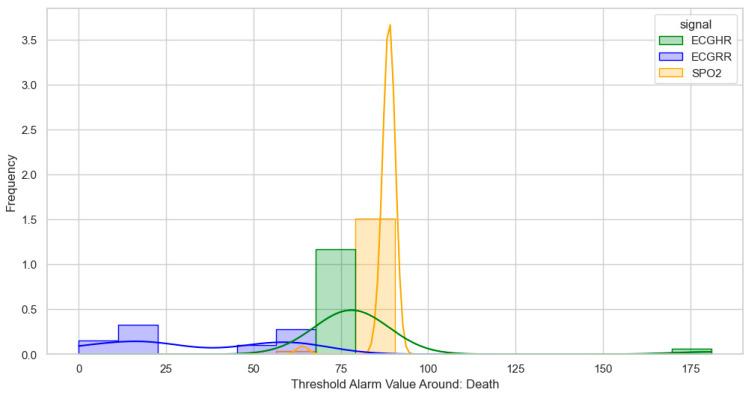 Figure 7
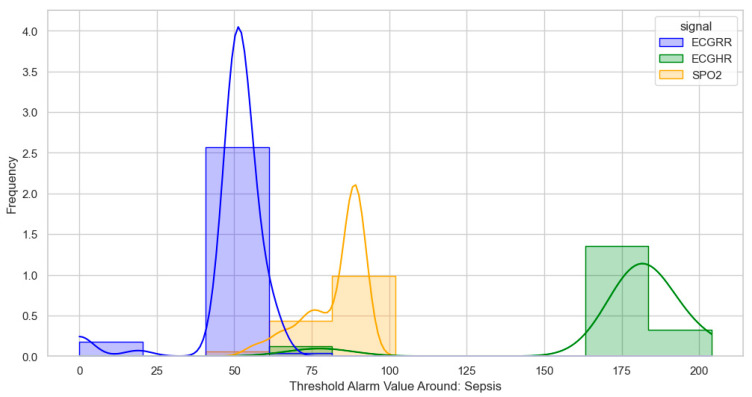 Figure 8
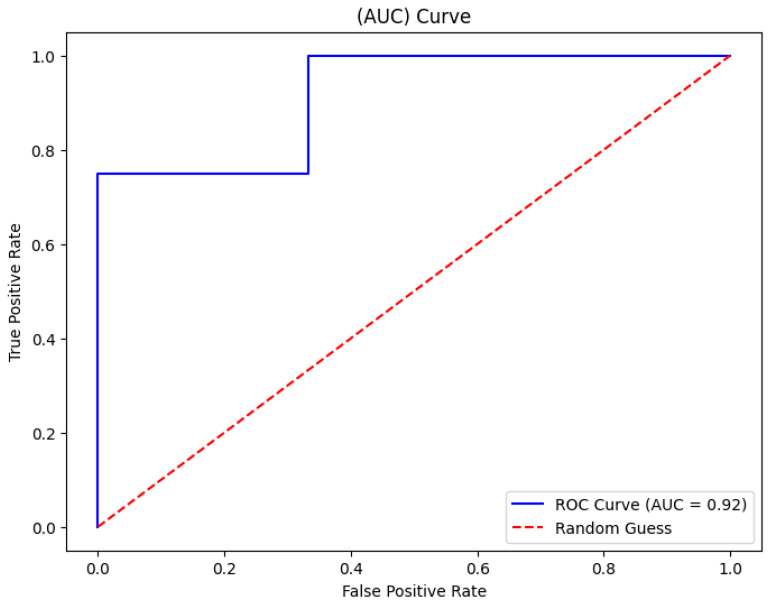 Figure 9
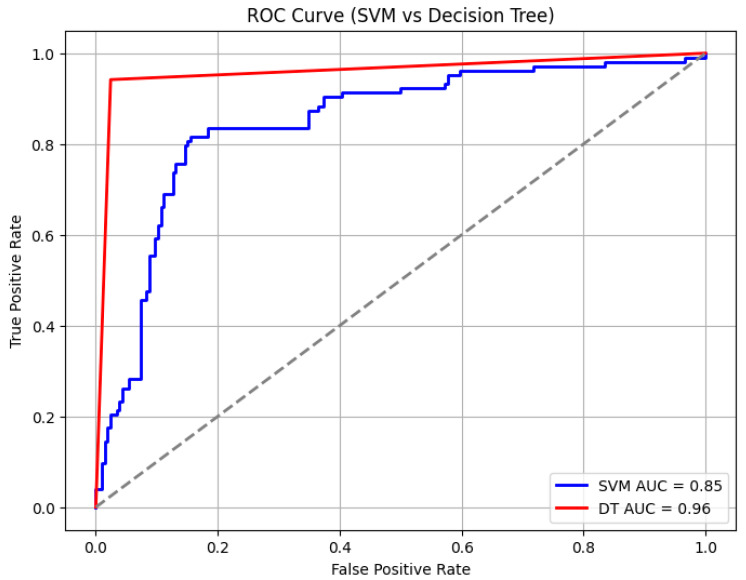 Figure 10
Peer Reviews
No public reviews on file for this paper yet. If you reviewed it on a platform where reviews are public (OpenReview, ICLR, NeurIPS, ICML), you can paste yours below so the community can read it here.
Videos
No videos yet. Explain this paper in a talk, walkthrough, or lecture? Add one.
Taxonomy
TopicsHealthcare Technology and Patient Monitoring · Sepsis Diagnosis and Treatment · Non-Invasive Vital Sign Monitoring