End of Apnea Event Prediction Leveraging EEG Signals and Interpretable Machine Learning
Hisham ElMoaqet, Abdullah Ahmed, Mutaz Ryalat, Natheer Almtireen, Matthew Salanitro, Martin Glos, Thomas Penzel

TL;DR
This study uses EEG signals and machine learning to predict when apnea events end, aiming to improve sleep apnea treatments.
Contribution
The study introduces interpretable machine learning to identify EEG markers that predict the termination of apnea events.
Findings
The Extra Trees model achieved high accuracy in predicting apnea event termination.
Frequency-band energy, Teager–Kaiser energy, and signal complexity were key EEG features for prediction.
Temporal analyses showed how these features change during apnea termination.
Abstract
Obstructive sleep apnea is a prevalent sleep disorder with serious health implications. While previous studies focused on detecting apnea events, little is known about the factors that determine whether an apnea episode continues or terminates. Understanding these mechanisms is crucial for optimizing treatment strategies. In this study, we analyzed 30-s brain activity segments during continuous and ending apnea events to identify neurophysiological markers of event termination, with particular emphasis on the most influential EEG features. Frequency-domain and complexity features were extracted, and several ensemble machine learning models were trained and evaluated. Our results show that the Extra Trees model achieved the highest performance, with an accuracy of 0.88, F1-score for ending apnea of 0.87, and an area under the receiver operating characteristic curve of 0.95. Feature…
Genes, proteins, chemicals, diseases, species, mutations and cell lines named across the full text — each resolved to its canonical identifier and authoritative record.
Click any figure to enlarge with its caption.
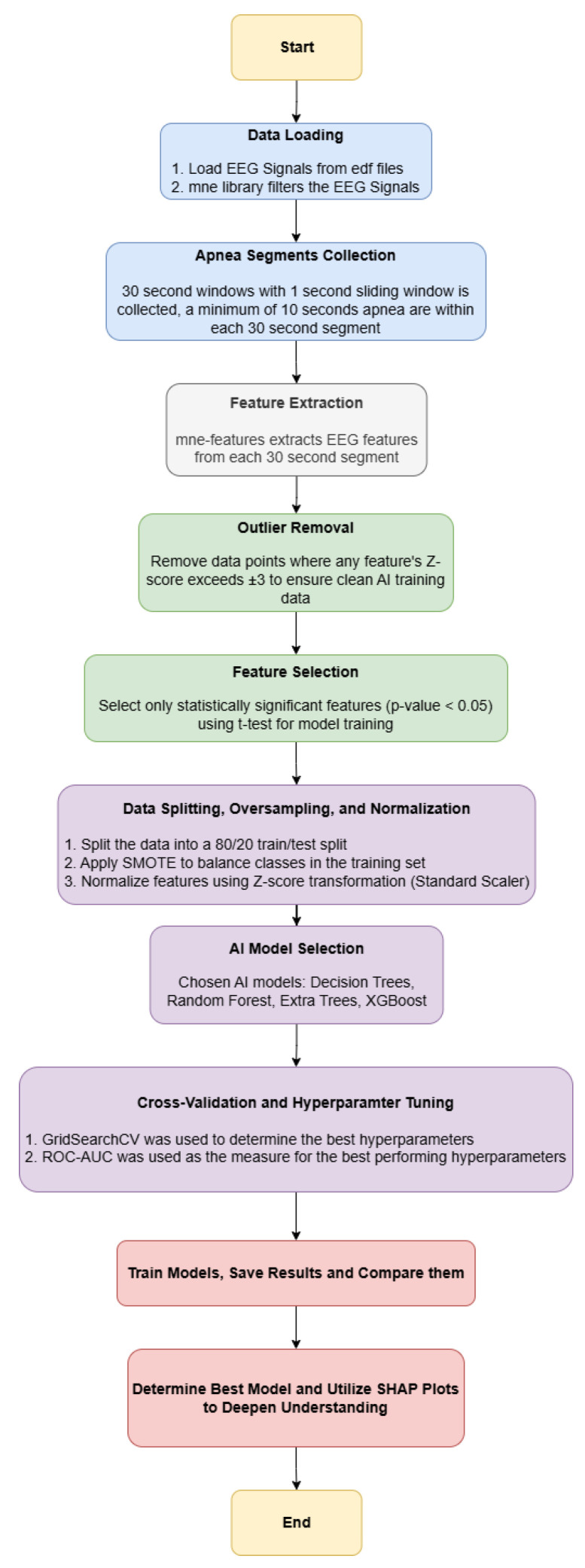 Figure 1
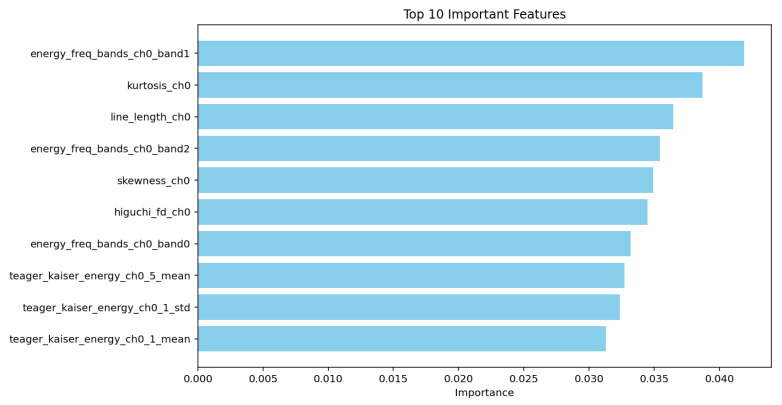 Figure 2
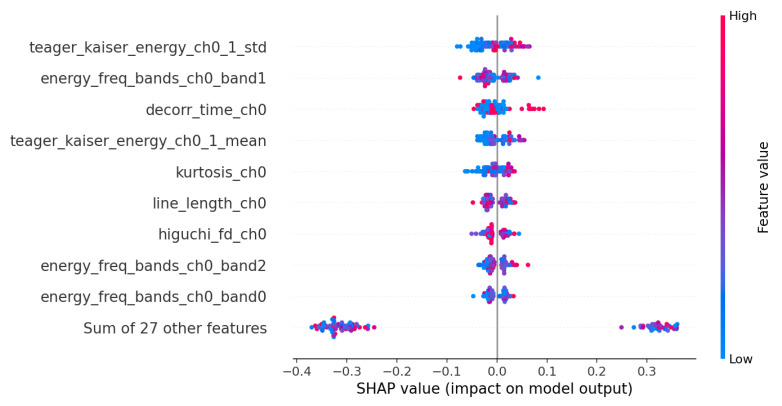 Figure 3
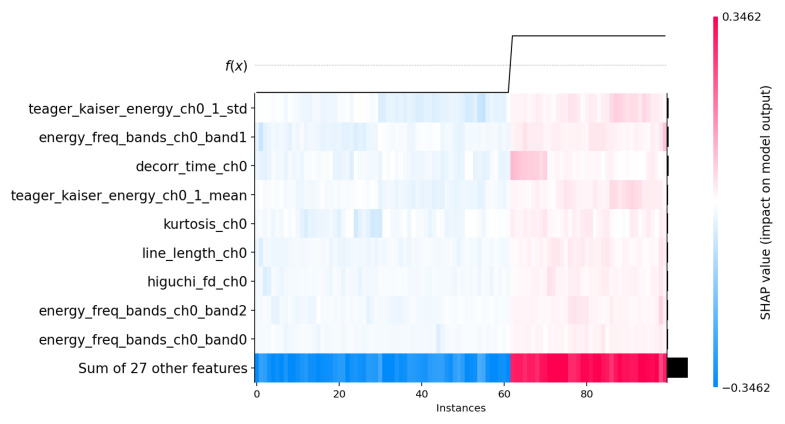 Figure 4
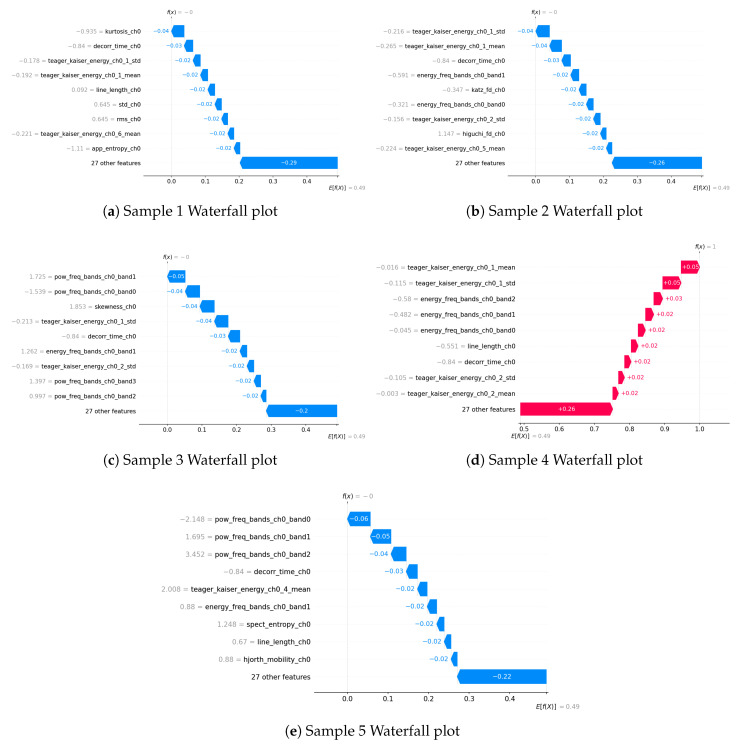 Figure 5
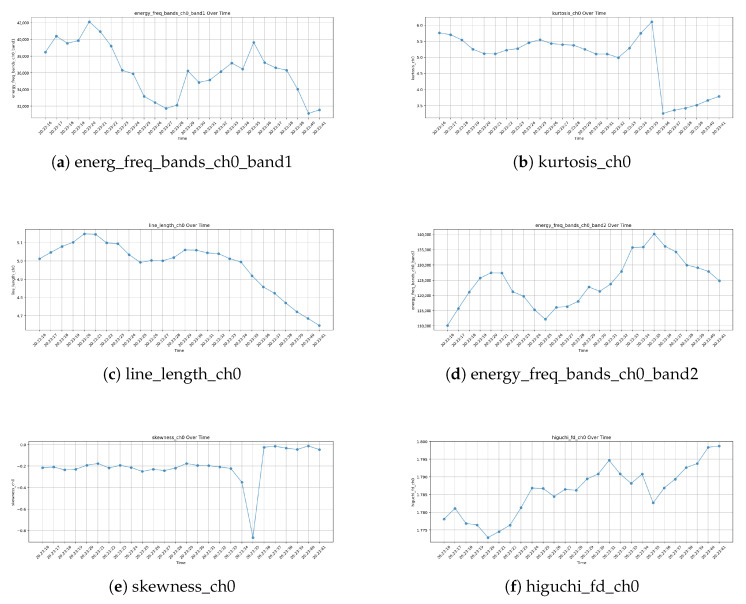 Figure 6
Peer Reviews
No public reviews on file for this paper yet. If you reviewed it on a platform where reviews are public (OpenReview, ICLR, NeurIPS, ICML), you can paste yours below so the community can read it here.
Videos
No videos yet. Explain this paper in a talk, walkthrough, or lecture? Add one.
Taxonomy
TopicsObstructive Sleep Apnea Research · EEG and Brain-Computer Interfaces · Sleep and Wakefulness Research