Complementary Yet Distinct Roles of GLP-1 Receptor Agonists and SGLT2 Inhibitors in Cardiovascular Risk Reduction
Nóra Homoródi, Éva Varga, Zoltán Szabó, Ferenc Sztanek, Mariann Harangi

TL;DR
This paper compares how two diabetes drugs, GLP-1 receptor agonists and SGLT2 inhibitors, reduce cardiovascular risks through different mechanisms and helps guide their use in patients.
Contribution
The paper provides a comparative summary of GLP-1 receptor agonists and SGLT2 inhibitors, focusing on their cardiovascular benefits and clinical decision factors.
Findings
GLP-1 receptor agonists reduce cardiovascular risk via anti-atherosclerotic effects like improving endothelial function and reducing inflammation.
SGLT2 inhibitors lower cardiovascular risk by increasing sodium excretion and reducing oxidative stress and uric acid levels.
Combining GLP-1 receptor agonists and SGLT2 inhibitors may offer additional cardiovascular benefits but requires careful consideration of adverse effects.
Abstract
Novel antidiabetic drugs introduced in the last decade have not only revolutionized the treatment of type 2 diabetes mellitus but have also changed our cardiovascular risk reduction strategy. Glucagon-like peptide-1 (GLP-1) receptor agonists reduce the risk of atherosclerotic diseases primarily through their complex anti-atherosclerotic effect due to their endothelial function-improving, anti-inflammatory, anti-thrombotic, and plaque-stabilizing effects. Sodium–glucose cotransporter 2 (SGLT2) inhibitors, on the other hand, have a favorable cardiovascular effect, mainly by increasing sodium excretion, reducing plasma volume, enhancing the use of ketone bodies as metabolic substrates in heart and kidney tissues, and reducing oxidative stress and uric acid serum levels. However, when using these two groups of drugs, important questions arise. What criteria should be used to decide on the…
Genes, proteins, chemicals, diseases, species, mutations and cell lines named across the full text — each resolved to its canonical identifier and authoritative record.
Click any figure to enlarge with its caption.
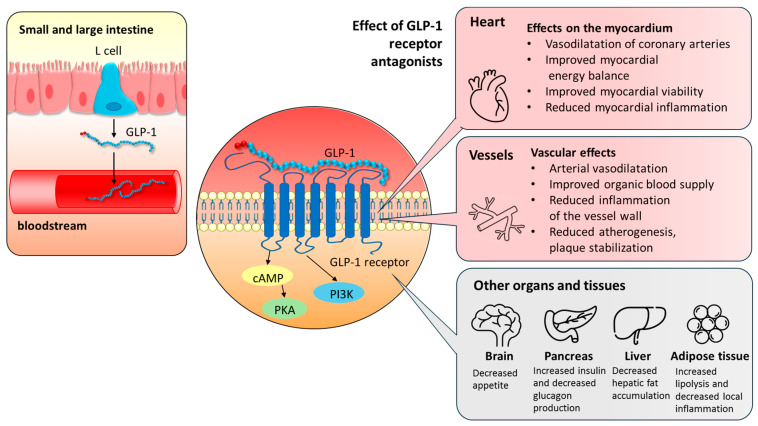 Figure 1
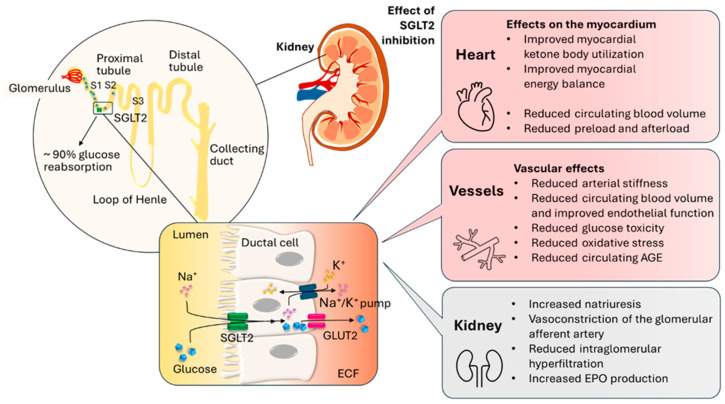 Figure 2
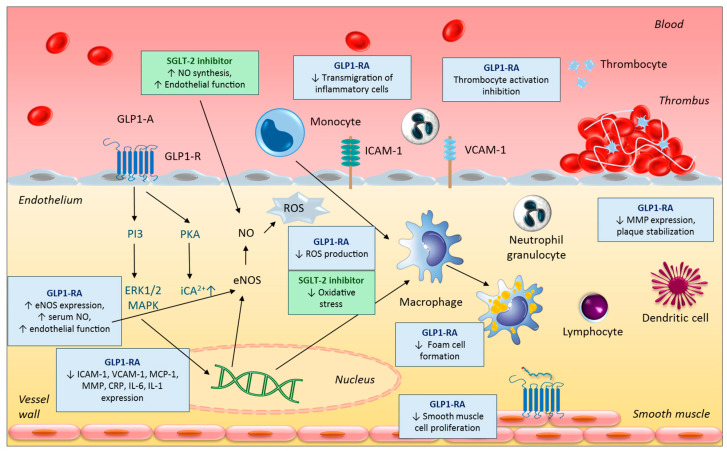 Figure 3
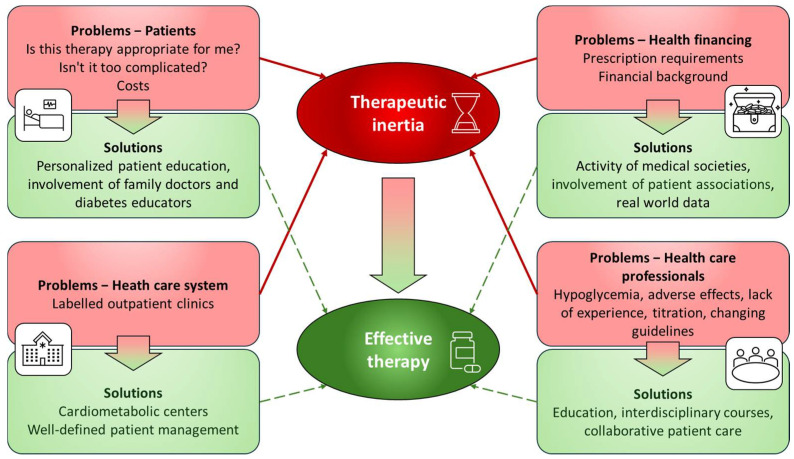 Figure 4
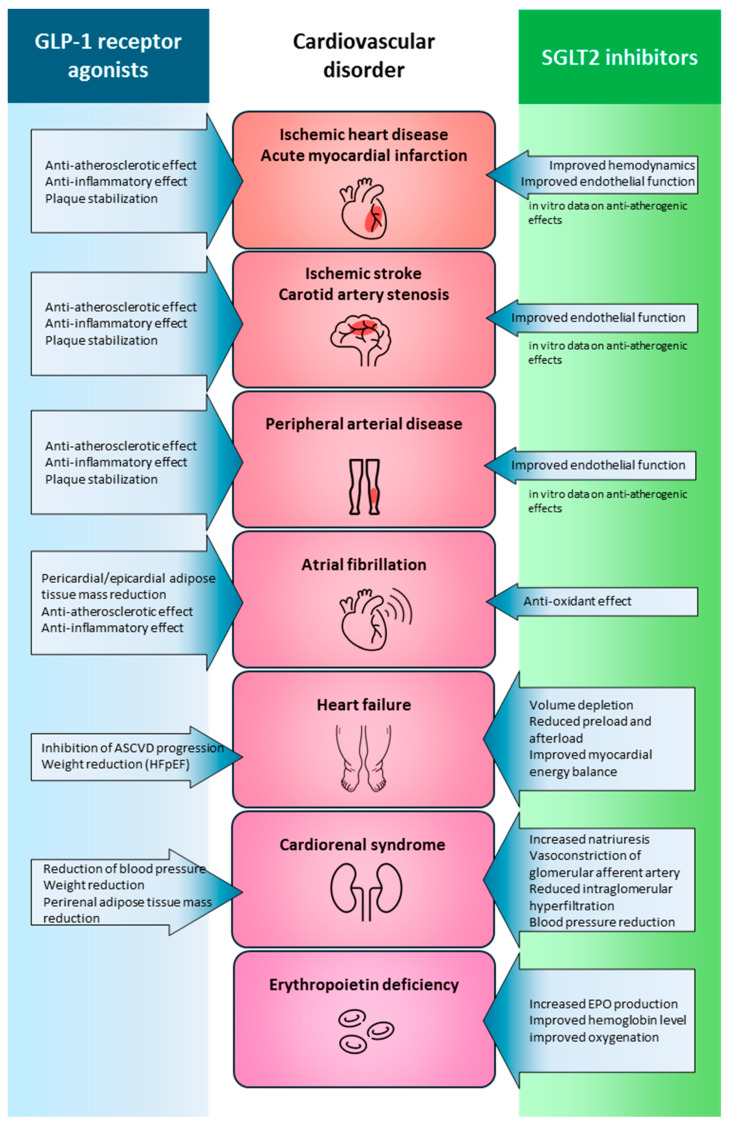 Figure 5
Peer Reviews
No public reviews on file for this paper yet. If you reviewed it on a platform where reviews are public (OpenReview, ICLR, NeurIPS, ICML), you can paste yours below so the community can read it here.
Videos
No videos yet. Explain this paper in a talk, walkthrough, or lecture? Add one.
Taxonomy
TopicsDiabetes Treatment and Management · Hormonal Regulation and Hypertension · Pharmacology and Obesity Treatment