Recent Advancements in Humanoid Robot Heads: Mechanics, Perception, and Computational Systems
Katarina Josic, Maysoon Ghandour, Maya Sleiman, Wen Qi, Hang Su, Naima AitOufroukh-Mammar, Samer Alfayad

TL;DR
This paper reviews the design and technology of humanoid robot heads, focusing on how they interact with humans through mechanics, perception, and AI.
Contribution
A comprehensive review of humanoid head systems and their role in improving human–robot interaction through interdisciplinary approaches.
Findings
Humanoid heads require integration of mechanics, perception, and computational systems for effective human interaction.
Artificial intelligence and large language models are key to enhancing human–robot communication and experience.
Challenges like the uncanny valley and multi-sensory integration remain critical barriers to natural interaction.
Abstract
This paper presents a comprehensive review that provides an in-depth examination of humanoid heads, focusing on their mechanics, perception systems, computational frameworks, and human–robot interaction interfaces. The integration of these elements is crucial for developing advanced human–robot interfaces that enhance user interaction and experience. Key topics include the principles of context, functionality, and appearance that guide the design of humanoid heads. This review delves into the different aspects of human–robot interaction, emphasizing the role of artificial intelligence and large language models in improving these interactions. Technical challenges such as the uncanny valley phenomenon, facial expression synthesis, and multi-sensory integration are further explored. This paper identifies future research directions and underscores the importance of interdisciplinary…
Genes, proteins, chemicals, diseases, species, mutations and cell lines named across the full text — each resolved to its canonical identifier and authoritative record.
Click any figure to enlarge with its caption.
 Figure 1
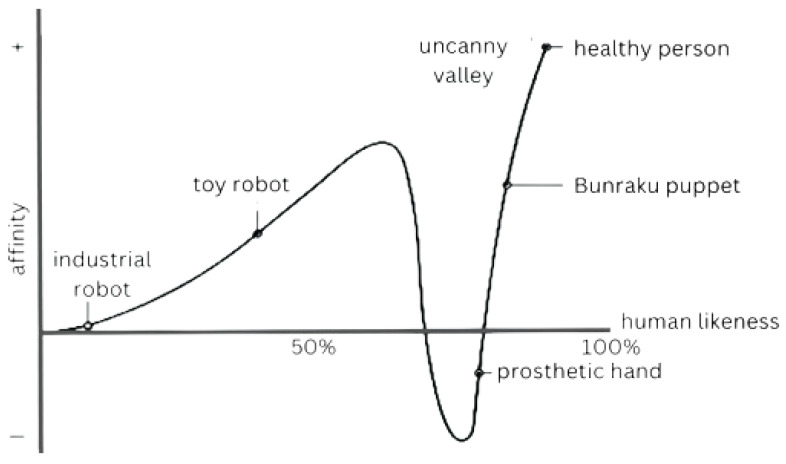 Figure 2
 Figure 3
 Figure 4
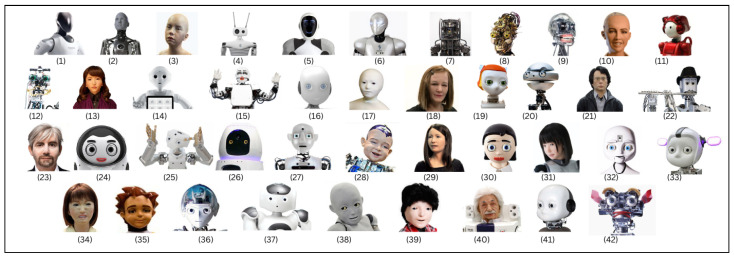 Figure 5
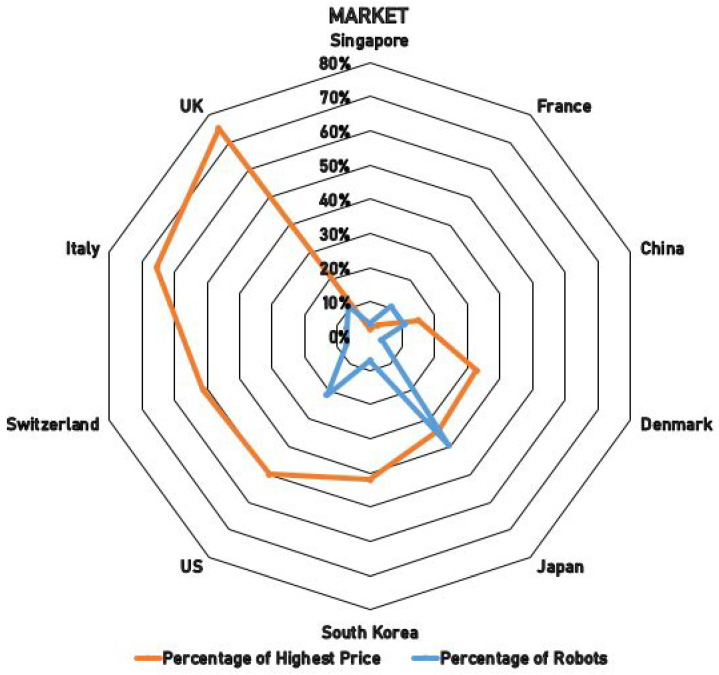 Figure 6
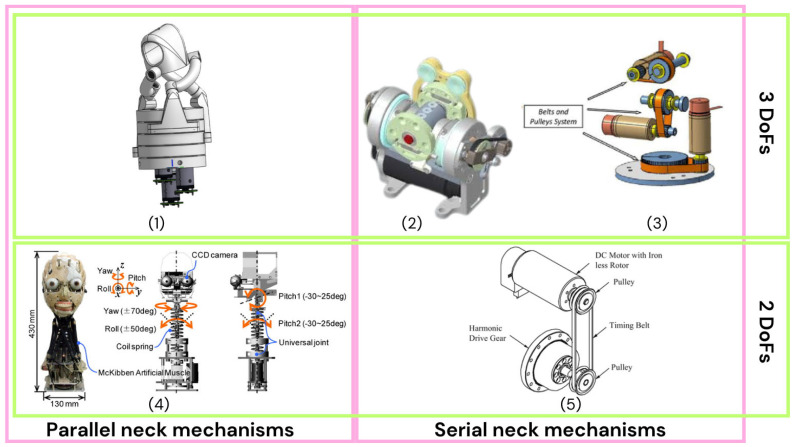 Figure 7
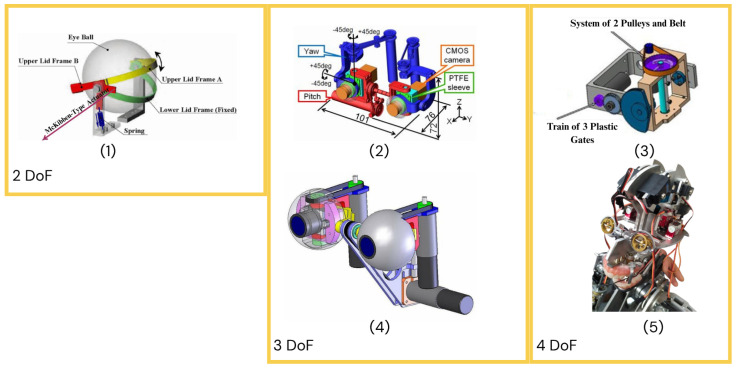 Figure 8
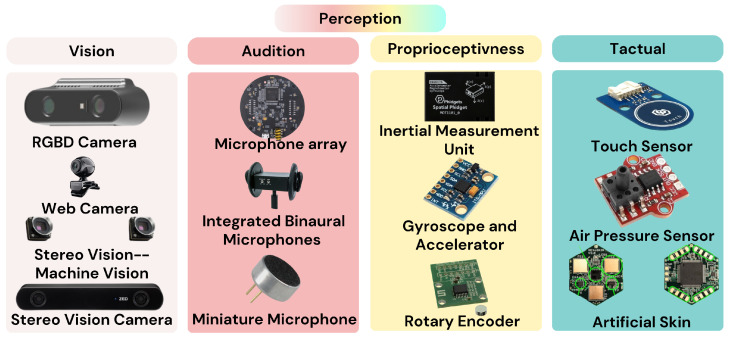 Figure 9
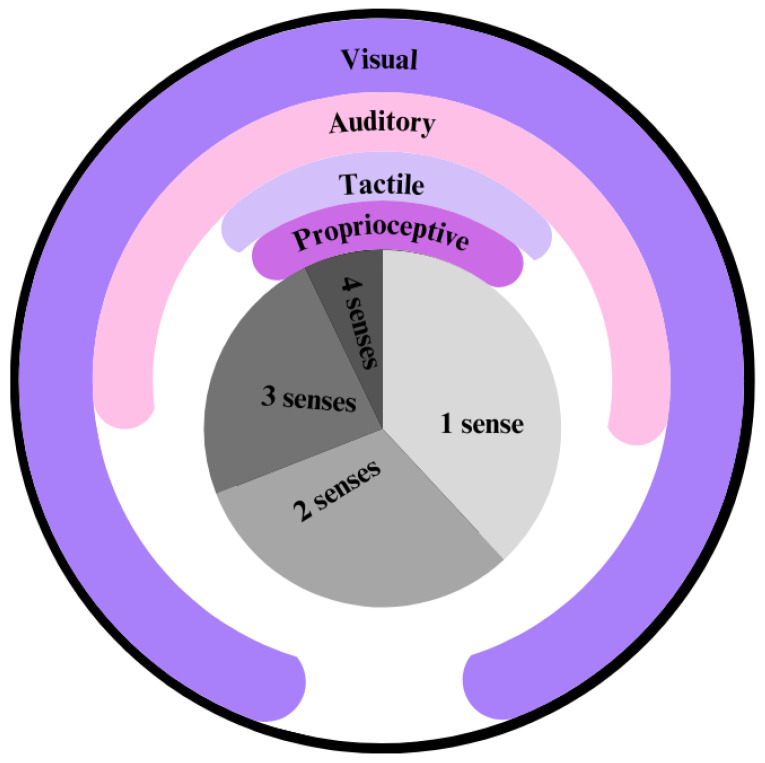 Figure 10
Peer Reviews
No public reviews on file for this paper yet. If you reviewed it on a platform where reviews are public (OpenReview, ICLR, NeurIPS, ICML), you can paste yours below so the community can read it here.
Videos
No videos yet. Explain this paper in a talk, walkthrough, or lecture? Add one.
Taxonomy
TopicsRobot Manipulation and Learning · Social Robot Interaction and HRI · Gaze Tracking and Assistive Technology