From structure to function: tunable electrical and catalytic properties in rare Mo(vi)-thiophene-2-carboxylic acid hydrazone complexes obtained mechanochemically
Luka Pavić, Filip Miočić, Marta Razum, Josipa Sarjanović, Jana Pisk

TL;DR
This paper reports the green synthesis of molybdenum complexes with unique electrical and catalytic properties using a thiophene-based ligand.
Contribution
The study introduces rare Mo-based materials with tunable electrical and catalytic properties synthesized via a green mechanochemical route.
Findings
The Mo complex [MoO2(L)(MeOH)] efficiently catalyzes benzyl alcohol oxidation under mild conditions.
The complexes exhibit semiconducting behavior with DC conductivities of ~10−12 (Ω cm)−1 and activation energies of ~60–63 kJ mol−1.
Dielectric measurements show frequency-dependent polarization dominated by Maxwell–Wagner effects with dielectric constants of ~11–13.
Abstract
This study focuses on the synthesis of molybdenum complexes coordinated with a thiophene-2-carboxylic acid hydrazone-type ligand (H2L), obtained via mechanochemical reaction condensation of 2-hydroxybenzaldehyde with thiophene-2-carboxylic acid hydrazide. The Mo complexes were prepared via a green mechanochemical route, [MoO2(L)(MeOH)] and [MoO2(L)]n, while the complex [MoO2(L)(H2O)] was obtained by classic solution-based synthetic pathway. All obtained compounds were characterized using attenuated total reflectance infrared spectroscopy (IR-ATR), elemental analysis (EA), and thermogravimetric analysis (TGA). The crystal and molecular structures of the ligand H2L and the complexes [MoO2(L)(MeOH)] and [MoO2(L)(H2O)]·(CH3)2CO were elucidated by means of single-crystal X-ray diffraction (SCXRD) analysis. Catalytic studies revealed that complex [MoO2(L)(MeOH)] efficiently promoted the…
Genes, proteins, chemicals, diseases, species, mutations and cell lines named across the full text — each resolved to its canonical identifier and authoritative record.
Click any figure to enlarge with its caption.
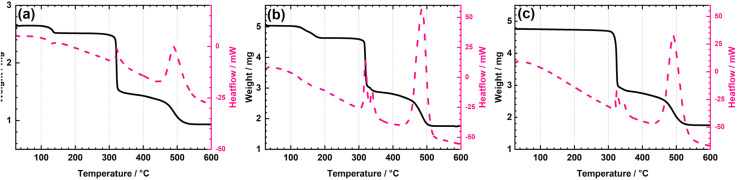 Figure 1
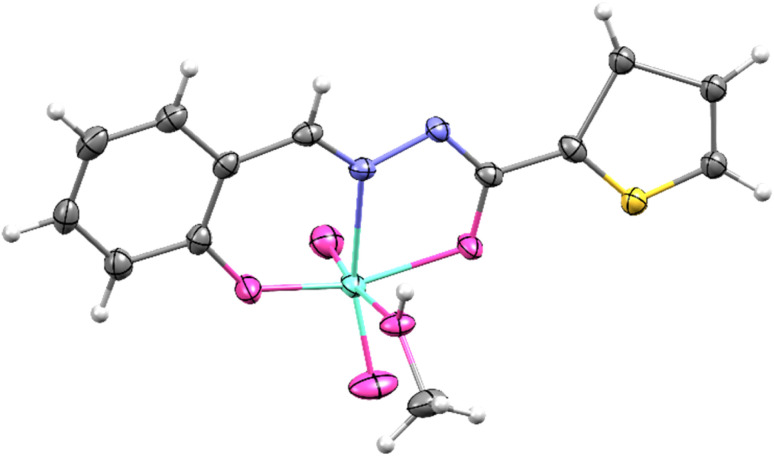 Figure 2
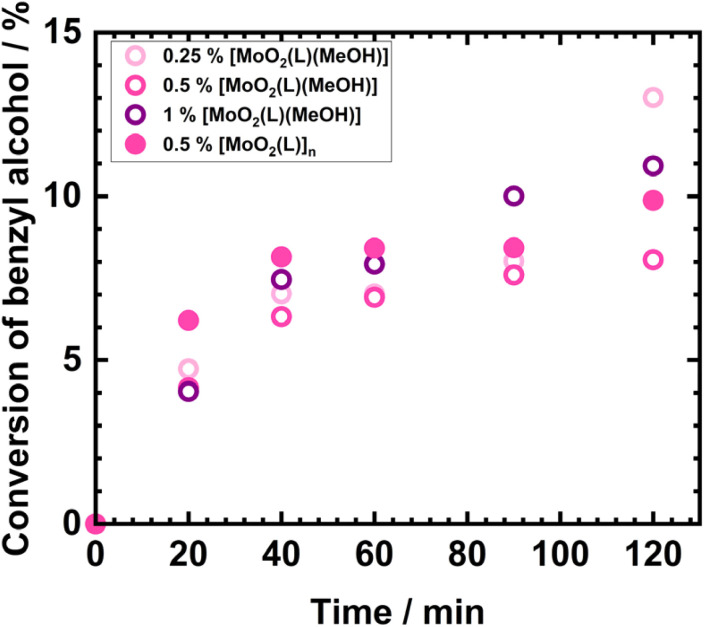 Figure 3
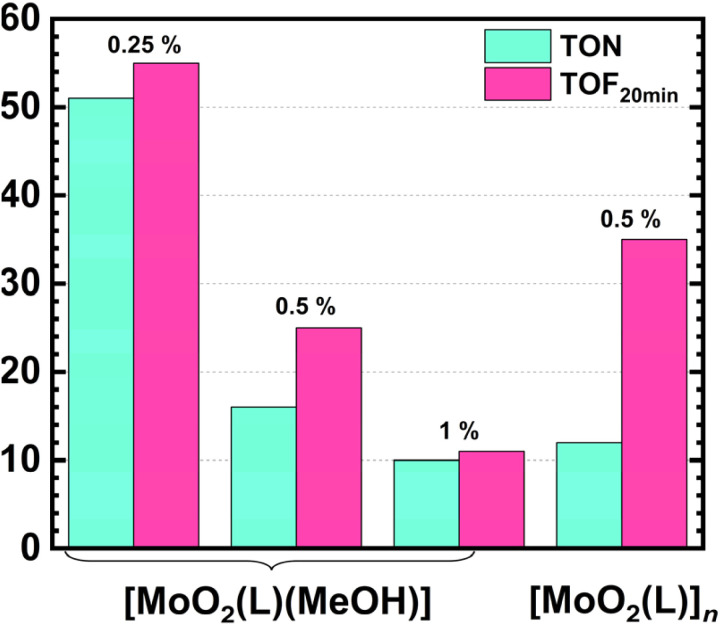 Figure 4
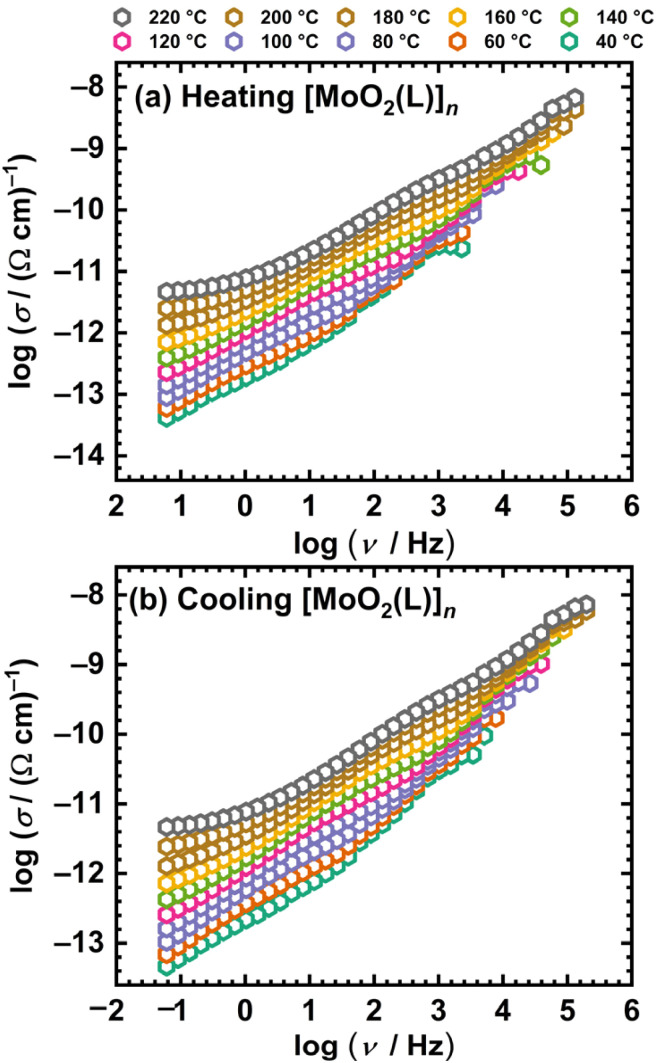 Figure 5
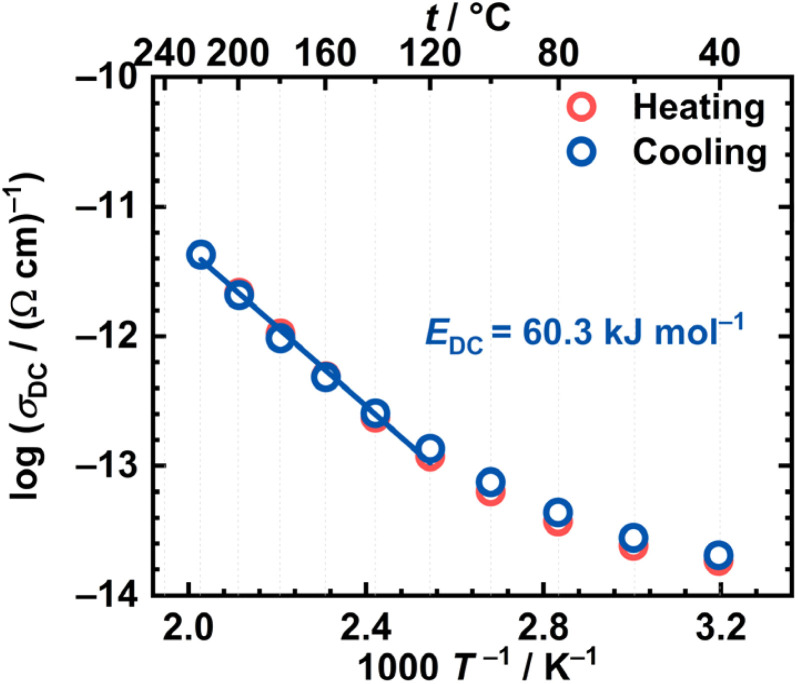 Figure 6
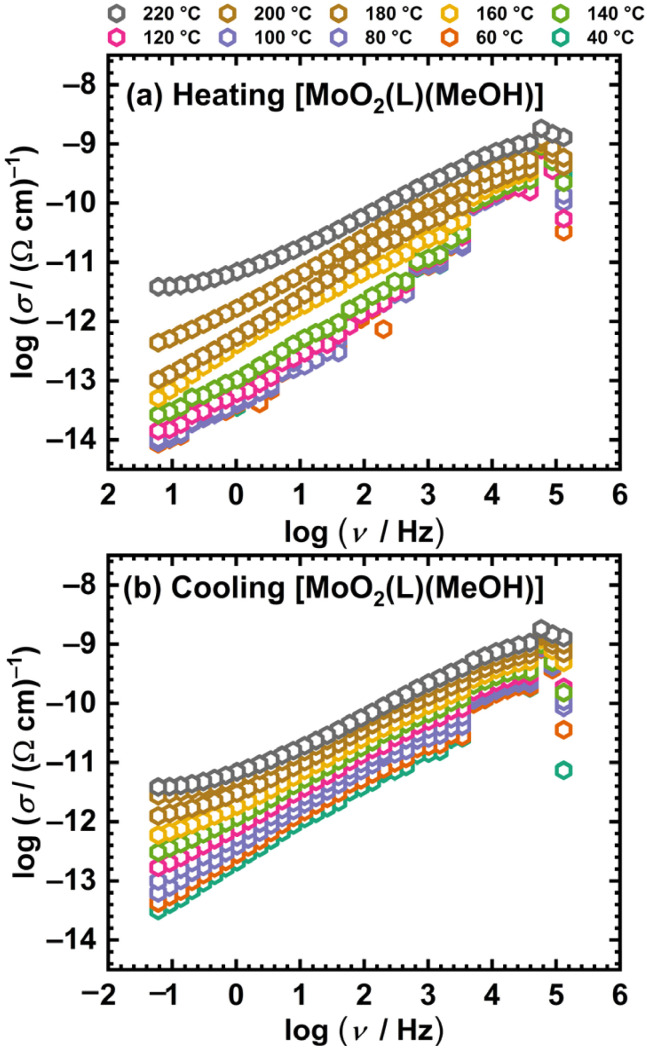 Figure 7
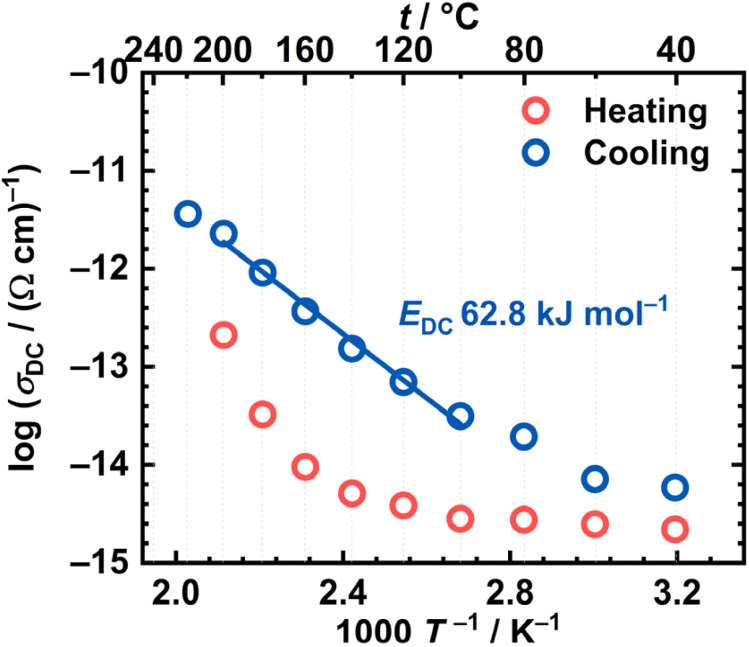 Figure 8
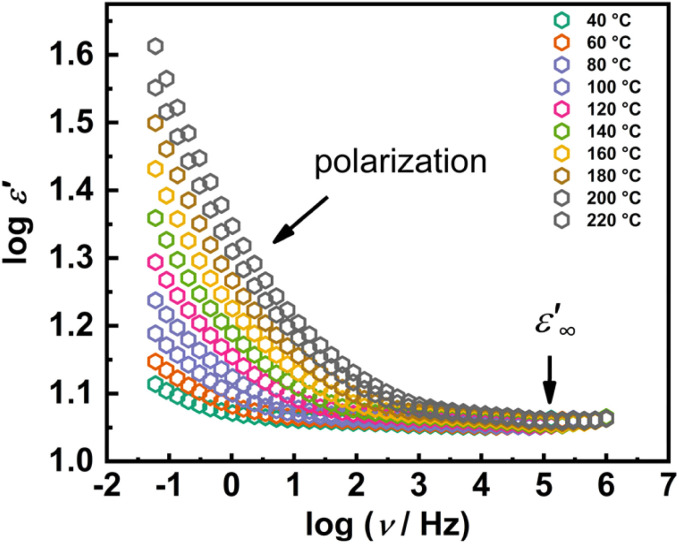 Figure 9
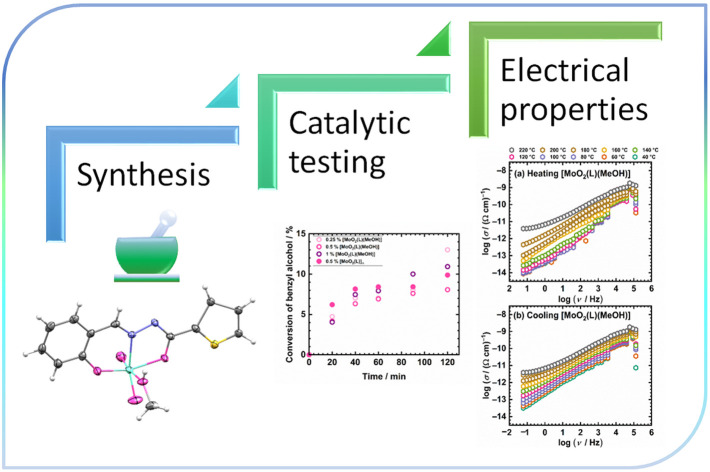 Figure 10
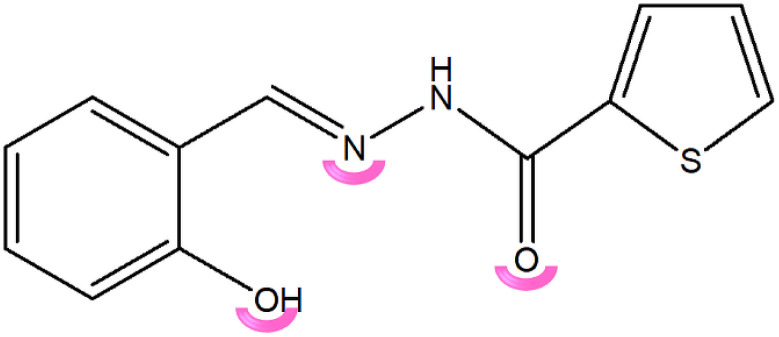 Figure 11
 Figure 12
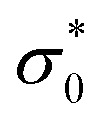 Figure 13
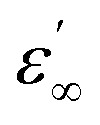 Figure 14
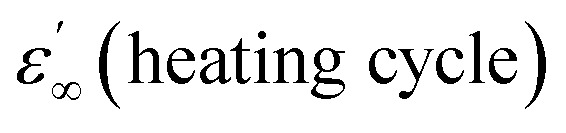 Figure 15
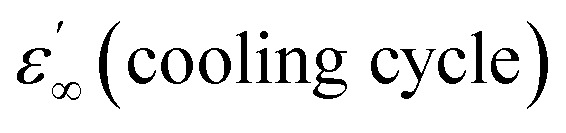 Figure 16
Peer Reviews
No public reviews on file for this paper yet. If you reviewed it on a platform where reviews are public (OpenReview, ICLR, NeurIPS, ICML), you can paste yours below so the community can read it here.
Videos
No videos yet. Explain this paper in a talk, walkthrough, or lecture? Add one.
Taxonomy
TopicsPolyoxometalates: Synthesis and Applications · Vanadium and Halogenation Chemistry · Transition Metal Oxide Nanomaterials