Phospholipases A2 (PLA2s) and Related Peptides from Bothrops Snake Venoms: History, Structure, Pharmacology, and Inhibitors
Isabela C. dos Santos, Marcela Romanazzi, Geovanna M. Malachias-Pires, Ariani R. Aragão, Eloise T. M. Filardi, Guilherme Melo-dos-Santos, Lara C. Salvador, Marcos F. Cerveja, Anderson M. Rocha, Ananda Magalhães, Isadora S. de Oliveira, José R. Almeida, Norival A. Santos-Filho

TL;DR
This paper reviews phospholipases A2 from Bothrops snake venoms, their roles in snakebite effects, and their potential in biotechnology and medicine.
Contribution
The paper provides a comprehensive overview of Bothrops PLA2s, their classification, functions, and emerging therapeutic applications.
Findings
PLA2s from Bothrops venoms cause various toxic effects through phospholipid hydrolysis.
PLA2s are classified into groups based on structure and function, with potential uses in antiviral and antitumor therapies.
Inhibitors of PLA2s are also highlighted for their importance in research and applications.
Abstract
Lancehead pitvipers, Bothrops snakes, or, popularly, “jararacas”, are common and broadly distributed in the Americas, especially in Brazil, where they are responsible for causing a high number of snakebite accidents. Their venoms are able to induce local and systemic effects, such as hemorrhaging, acute kidney failure, and shock, that can be fatal. Among the compounds of the venom are phospholipases A2 (PLA2s), which are abundant in some Bothrops species. PLA2s can perform different activities during envenoming, such as neurotoxicity, myotoxicity, and cytotoxicity, among others, through the hydrolysis of the ester bond at the sn-2 position of phospholipids, producing free fatty acids and lysophospholipids. Although different PLA2s can be classified into different PLA2 groups and subgroups, according to structure, function, size, localization and Ca2+ dependence, they converge to be…
Genes, proteins, chemicals, diseases, species, mutations and cell lines named across the full text — each resolved to its canonical identifier and authoritative record.
Click any figure to enlarge with its caption.
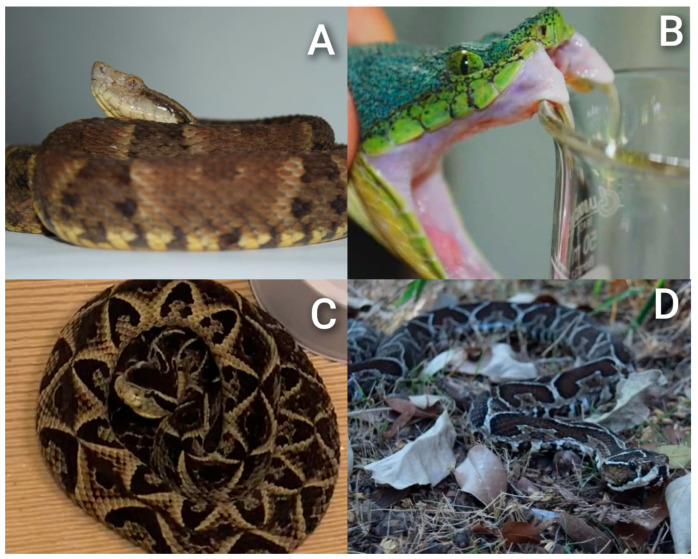 Figure 1
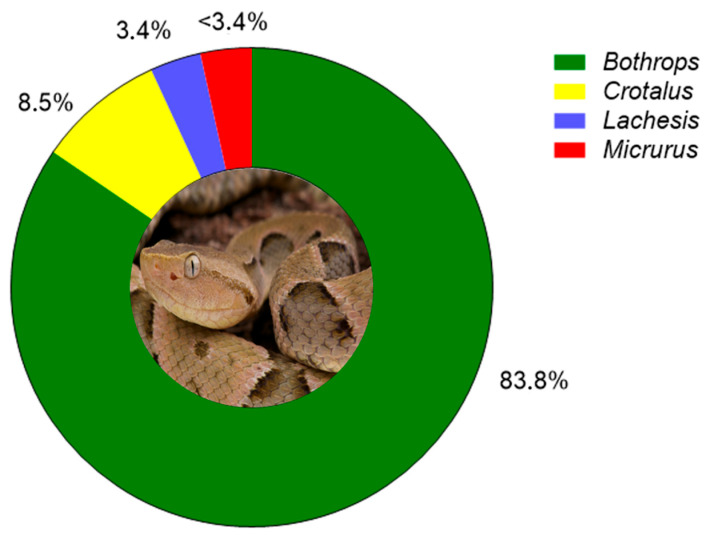 Figure 2
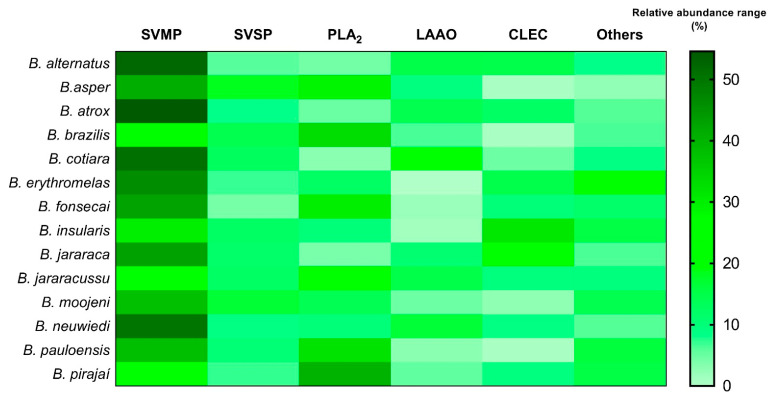 Figure 3
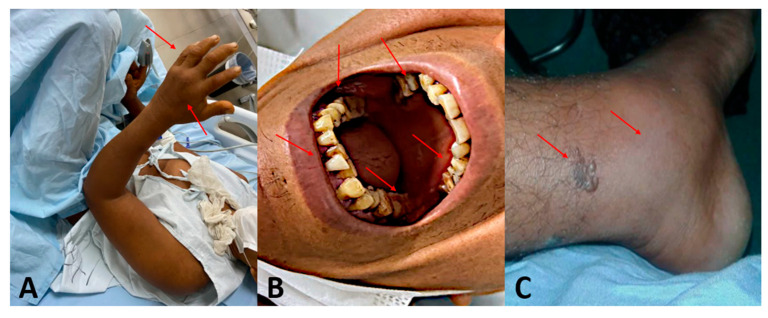 Figure 4
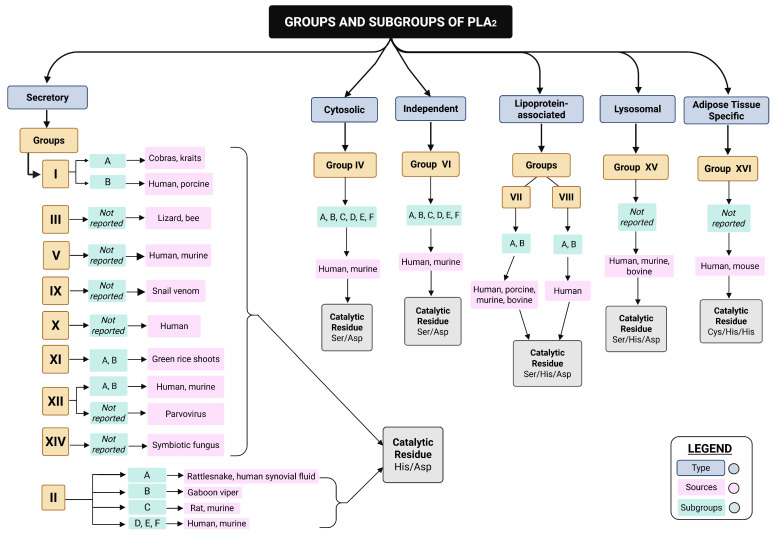 Figure 5
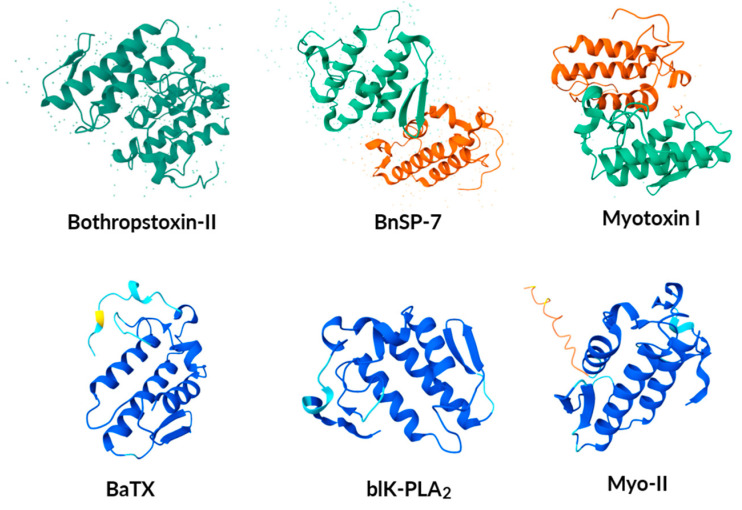 Figure 6
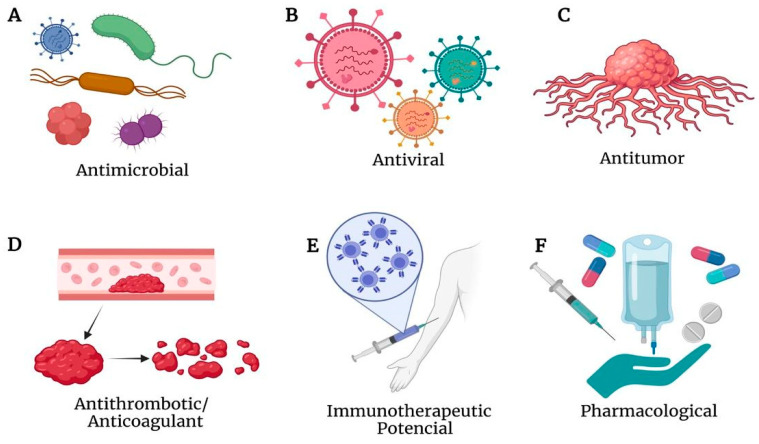 Figure 7
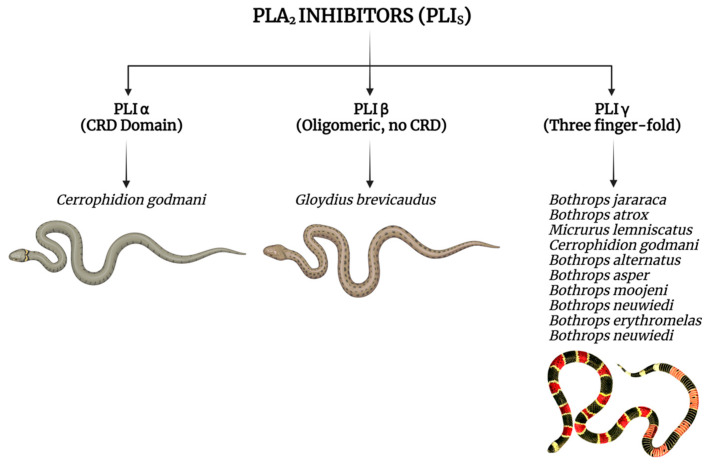 Figure 8
Peer Reviews
No public reviews on file for this paper yet. If you reviewed it on a platform where reviews are public (OpenReview, ICLR, NeurIPS, ICML), you can paste yours below so the community can read it here.
Videos
No videos yet. Explain this paper in a talk, walkthrough, or lecture? Add one.
Taxonomy
TopicsVenomous Animal Envenomation and Studies · Healthcare and Venom Research · Marine Invertebrate Physiology and Ecology