Identification of HK3 as a Potential Key Biomarker in the Progression of Temporomandibular Joint Osteoarthritis via RNA Sequencing
Ping Luo, Xueliang Lv, Wanting Wan, Hu Qiao

TL;DR
This study identifies HK3 as a key gene in TMJOA progression and suggests it as a potential biomarker and drug target for treatment.
Contribution
First study to link HK3 with TMJOA cartilage degeneration and propose small-molecule inhibitors targeting HK3.
Findings
RNA-seq identified 257 differentially expressed genes in a rat TMJOA model.
HK3 was confirmed as significantly upregulated in damaged cartilage via qPCR.
Three small-molecule inhibitors (MK-8719, LY3372689, and thiamet-G) showed high binding affinity to HK3.
Abstract
Temporomandibular joint osteoarthritis (TMJOA) is a prevalent degenerative disorder with incompletely elucidated mechanisms. Identifying key biomarkers and pathways driving TMJOA progression is crucial for developing targeted therapies. In a rat TMJOA model induced via intra-articular MIA, RNA-seq analysis identified 257 differentially expressed genes. Network analysis pinpointed the glycolytic enzyme HK3 as a critical driver of disease progression, with qPCR confirming its significant up-regulation in damaged cartilage. Integrating the drug–gene interaction database with molecular-docking simulations, we identified three small-molecule inhibitors (MK-8719, LY3372689, and thiamet-G) with high binding affinity for HK3, predicted to inhibit its catalytic activity. To our knowledge, this study is the first to establish a link between HK3 and TMJOA cartilage degeneration, offering a…
Genes, proteins, chemicals, diseases, species, mutations and cell lines named across the full text — each resolved to its canonical identifier and authoritative record.
Click any figure to enlarge with its caption.
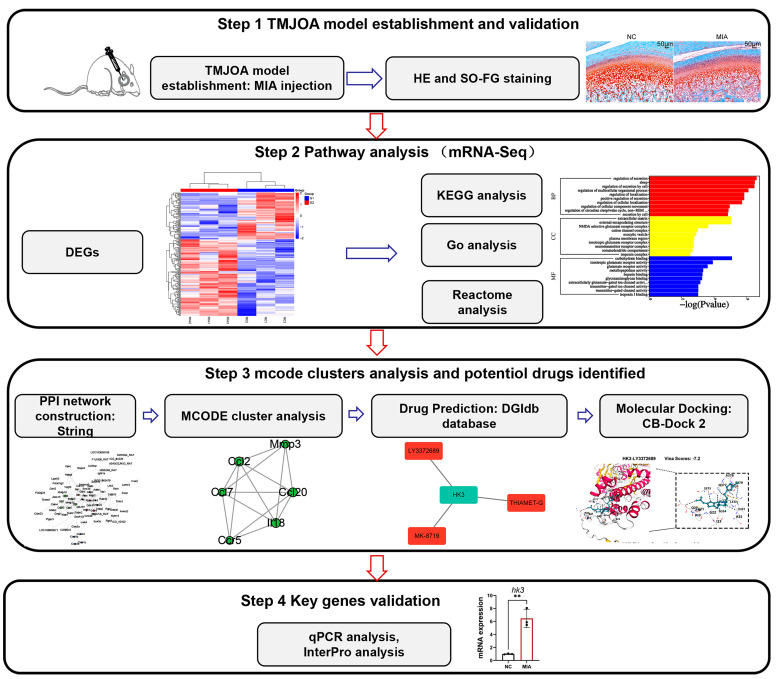 Figure 1
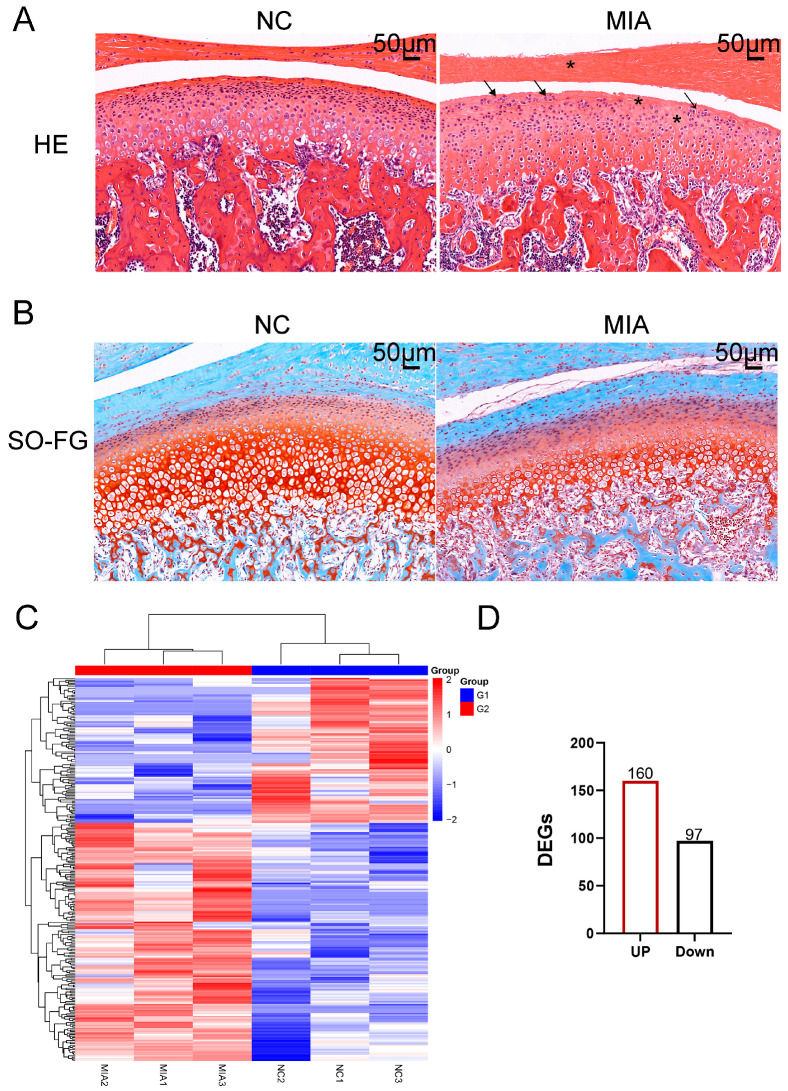 Figure 2
 Figure 3
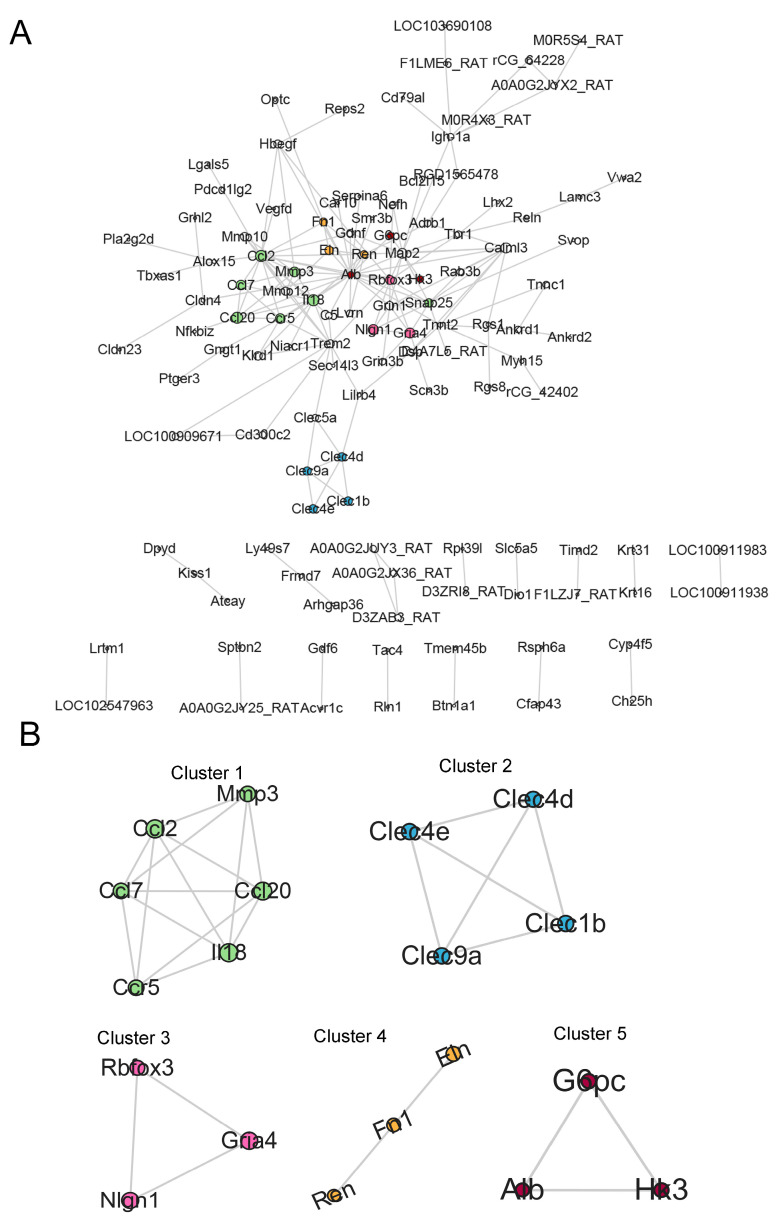 Figure 4
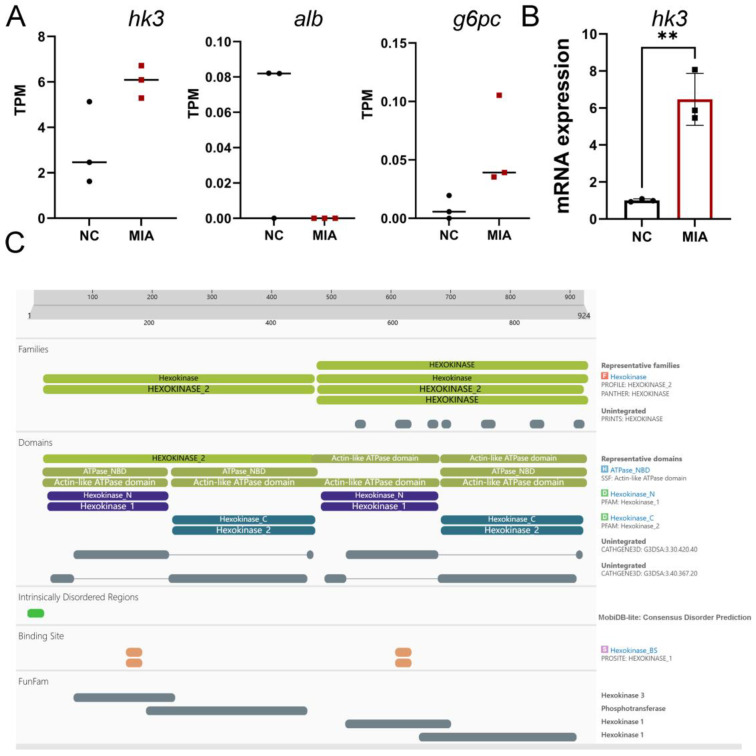 Figure 5
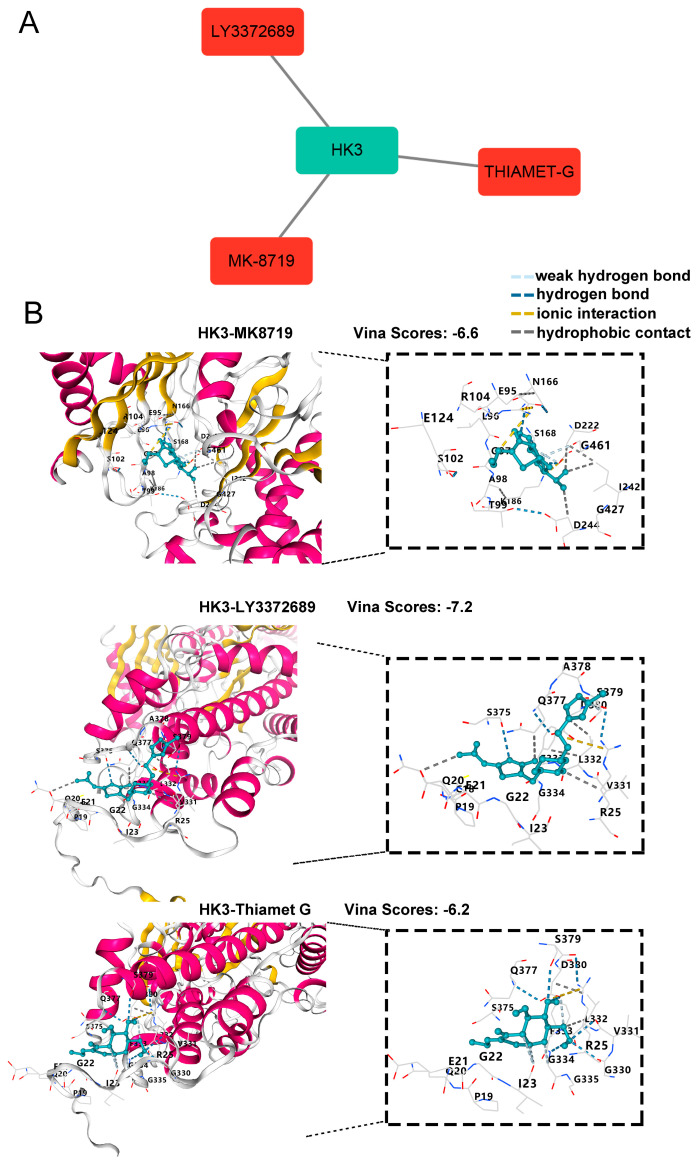 Figure 6
Peer Reviews
No public reviews on file for this paper yet. If you reviewed it on a platform where reviews are public (OpenReview, ICLR, NeurIPS, ICML), you can paste yours below so the community can read it here.
Videos
No videos yet. Explain this paper in a talk, walkthrough, or lecture? Add one.
Taxonomy
TopicsOsteoarthritis Treatment and Mechanisms · Cancer-related molecular mechanisms research · Cell Adhesion Molecules Research