Comparative Hepatoprotective Effects of Dapagliflozin and Trimetazidine in Diabetic Rats with Doxorubicin-Induced Liver Injury
Enver Ciftel, Omer Satiroglu, Muhammed Mursel Ogutveren, Tolga Mercantepe, Sibel Mataraci Karakas, Omer Genc, Adnan Yilmaz, Filiz Mercantepe

TL;DR
This study compares how dapagliflozin and trimetazidine protect the liver in diabetic rats treated with doxorubicin, finding both drugs offer benefits but without a clear advantage when combined.
Contribution
The study reveals distinct hepatoprotective mechanisms of dapagliflozin and trimetazidine in diabetic rats with doxorubicin-induced liver injury.
Findings
Dapagliflozin more effectively normalized transaminases and reduced oxidative DNA damage.
Trimetazidine showed stronger effects on oxidative stress markers and inflammatory responses.
The combination of dapagliflozin and trimetazidine provided additive but not consistently superior benefits.
Abstract
Background: Diabetes mellitus and cancer often coexist, increasing the risk of liver injury. Doxorubicin (DOXO) is a widely used antineoplastic drug with known hepatotoxic effects. Dapagliflozin (DAPA) and trimetazidine (TMZ) have been reported to exert hepatoprotective actions, but their combined effects remain unclear. Methods: Forty-eight male Sprague Dawley rats were allocated into six groups: control, streptozotocin (STZ), STZ + DOXO, STZ + DOXO + DAPA, STZ + DOXO + TMZ, and STZ + DOXO + DAPA + TMZ. Liver injury was assessed by histopathology, oxidative stress markers (MDA, GSH), and immunohistochemistry (Tumor Necrosis Factor-alpha (TNF-α), 8-Hydroxy-2′-deoxyguanosine (8-OHdG), Caspase-3, Transforming Growth Factor-beta 1 (TGF-β1), Terminal deoxynucleotidyl transferase dUTP nick end labeling (TUNEL), Nuclear Factor kappa-B/p65 (NF-κB/p65)). Results: STZ and STZ + doxorubicin…
Genes, proteins, chemicals, diseases, species, mutations and cell lines named across the full text — each resolved to its canonical identifier and authoritative record.
Click any figure to enlarge with its caption.
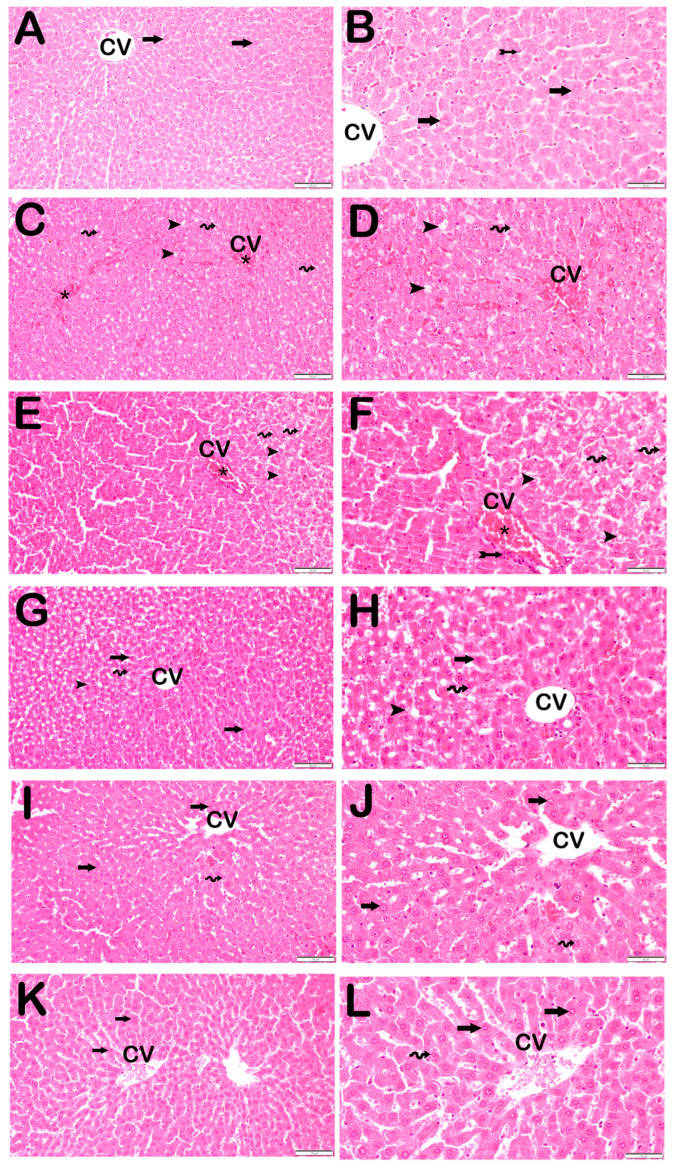 Figure 1
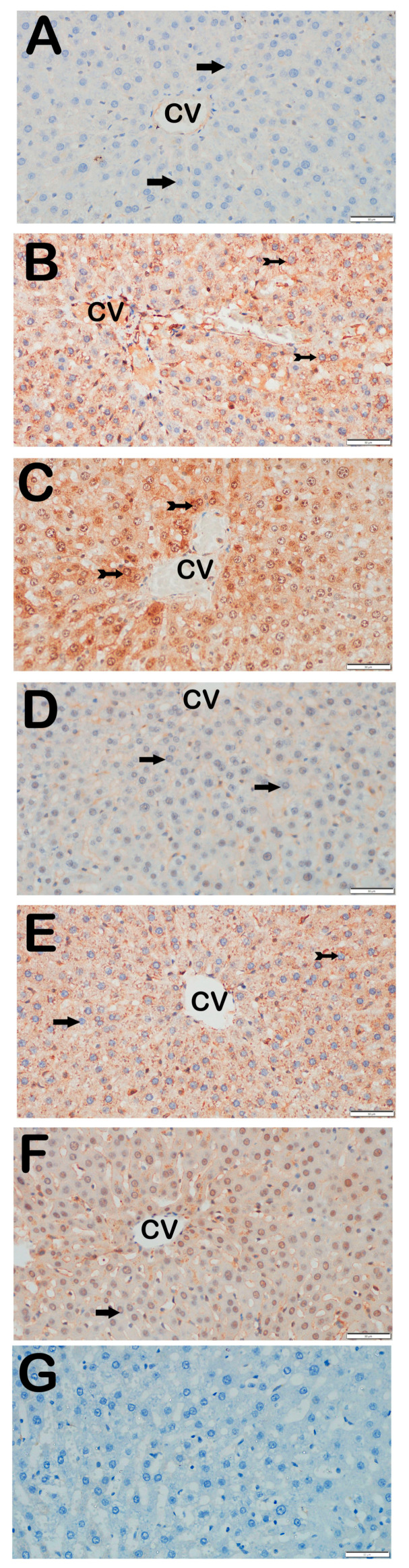 Figure 2
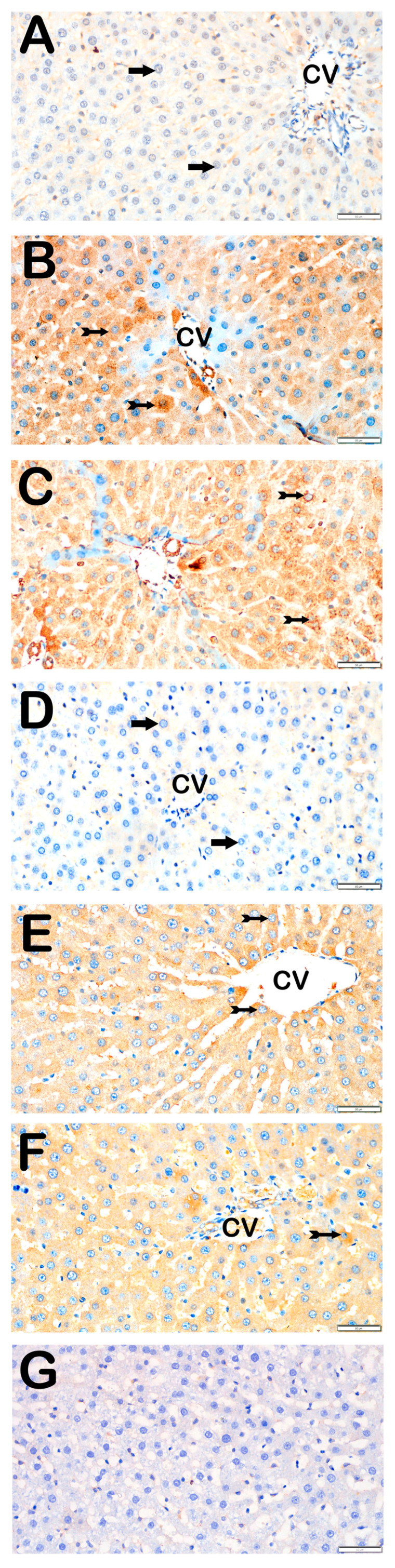 Figure 3
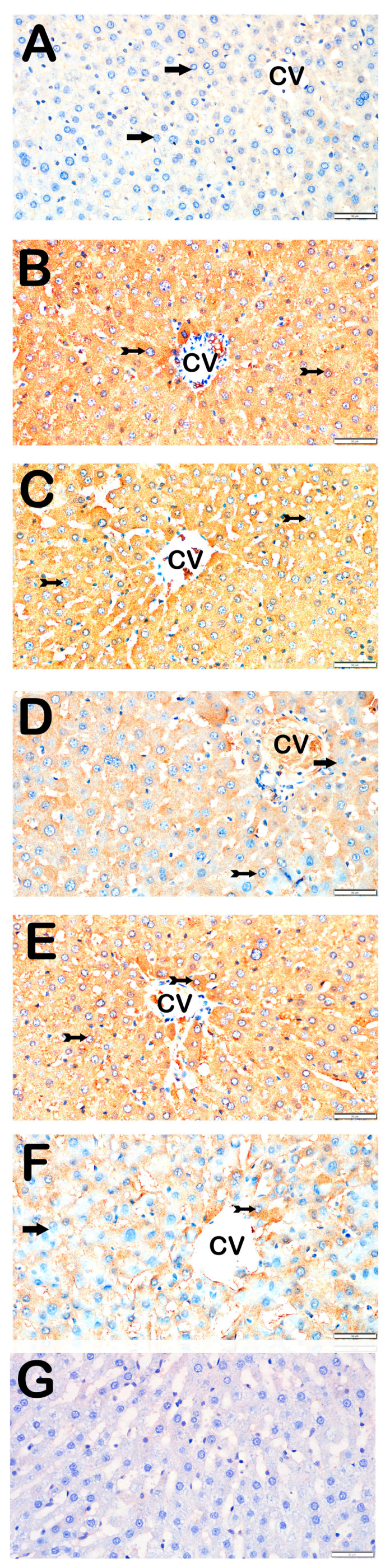 Figure 4
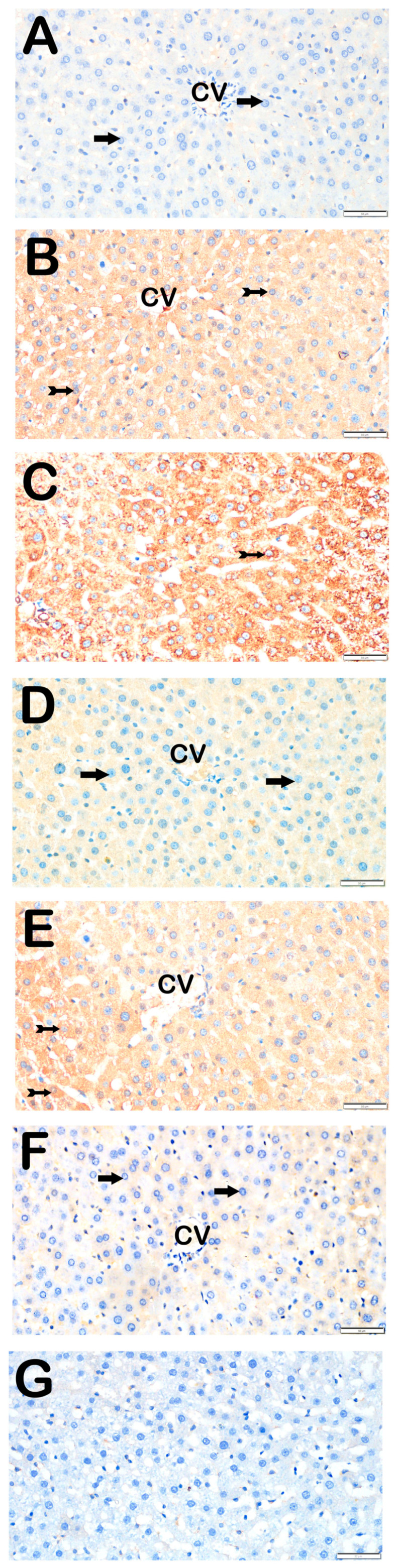 Figure 5
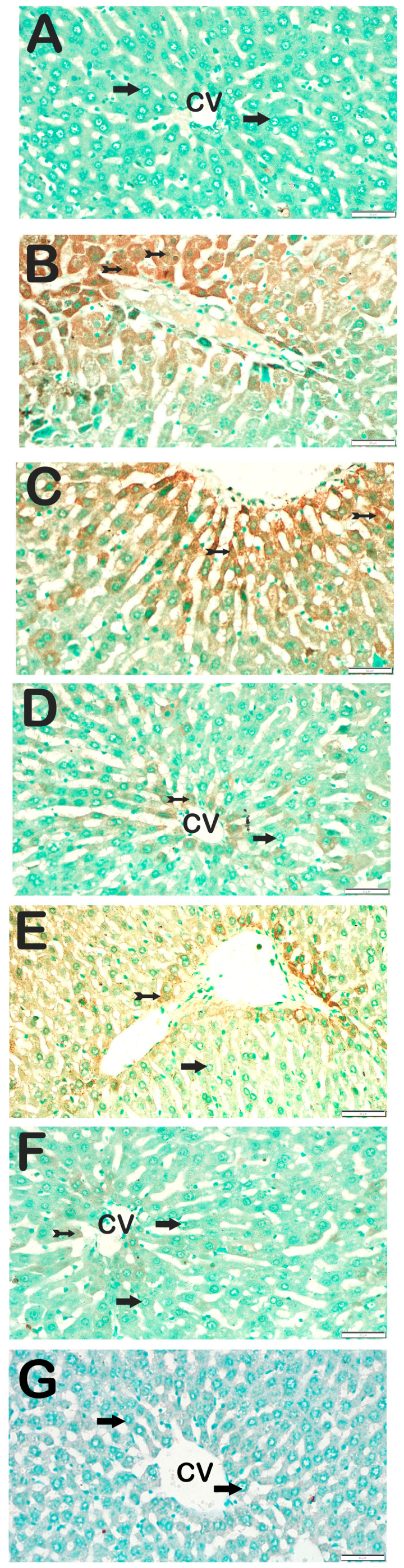 Figure 6
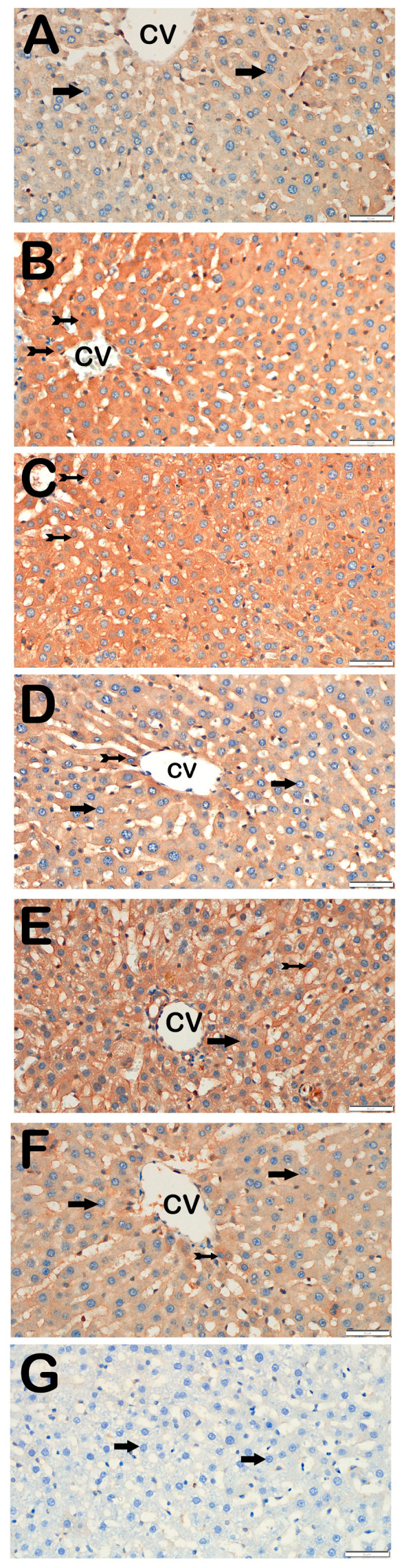 Figure 7
Peer Reviews
No public reviews on file for this paper yet. If you reviewed it on a platform where reviews are public (OpenReview, ICLR, NeurIPS, ICML), you can paste yours below so the community can read it here.
Videos
No videos yet. Explain this paper in a talk, walkthrough, or lecture? Add one.
Taxonomy
TopicsChemotherapy-induced cardiotoxicity and mitigation · Chemotherapy-induced organ toxicity mitigation · Metabolism, Diabetes, and Cancer