Genetic Diversity of the Only Natural Population of Corylus avellana L. in Kazakhstan and Prospects for Its In Vitro Conservation
Svetlana V. Kushnarenko, Madina Omasheva, Natalya Romadanova, Moldir Aralbayeva, Nazgul Rymkhanova, Ulzhan Manapkanova, Roberto Botta, Paola Ruffa, Nadia Valentini, Daniela Torello Marinoni

TL;DR
This study examines the genetic diversity of the rare wild hazel population in Kazakhstan and proposes in vitro conservation to protect it.
Contribution
The study provides the first detailed genetic and morphological characterization of the only wild hazel population in Kazakhstan and demonstrates successful in vitro conservation methods.
Findings
The wild hazel population in Kazakhstan shows high genetic diversity with 120 alleles detected across ten SSR markers.
The population is genetically distinct from cultivated varieties, as shown by STRUCTURE, PCoA, and phylogenetic analyses.
An in vitro conservation method using a two-step disinfection protocol successfully preserved the population due to low seed viability.
Abstract
Corylus avellana L., known in Europe as the common hazel, is extremely rare in Kazakhstan and listed as an endangered species. In this study, morphological characterization of the trees and leaves was carried out, as well as an analysis of their genetic background, to understand the population’s status and conservation prospects. The findings revealed that this group of shrubs has a high level of diversity, which will be highly valuable for future breeding programs. At the same time, the Kazakhstan population differs significantly from cultivated varieties. During the analysis, it was observed that the population is declining and not producing enough viable seeds. Therefore, young shoots were used to preserve the plants in laboratory conditions. This approach enabled the creation of a healthy collection that can be used to restore and protect the species. Our results highlight the need…
Genes, proteins, chemicals, diseases, species, mutations and cell lines named across the full text — each resolved to its canonical identifier and authoritative record.
Click any figure to enlarge with its caption.
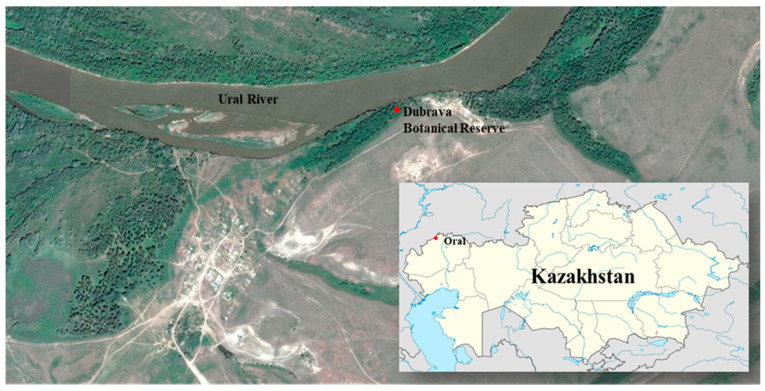 Figure 1
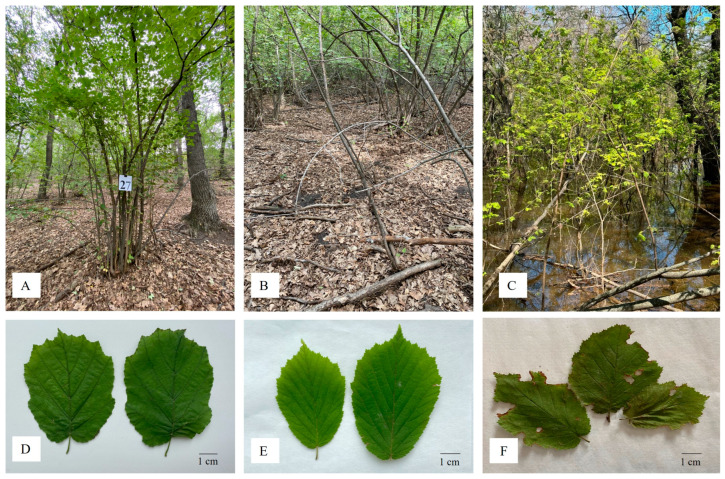 Figure 2
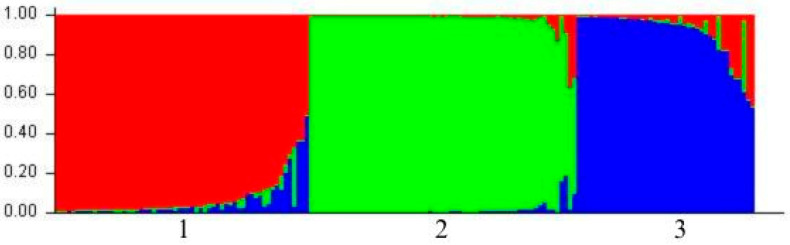 Figure 3
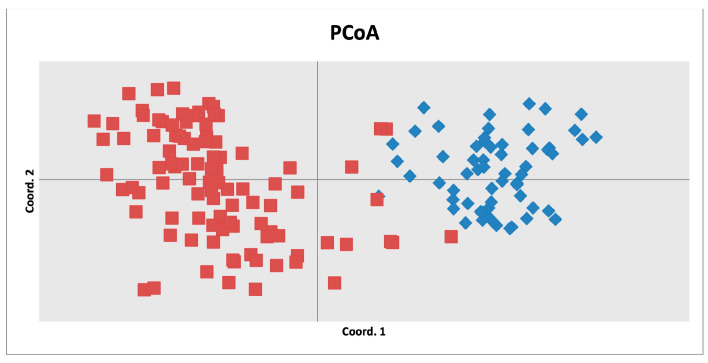 Figure 4
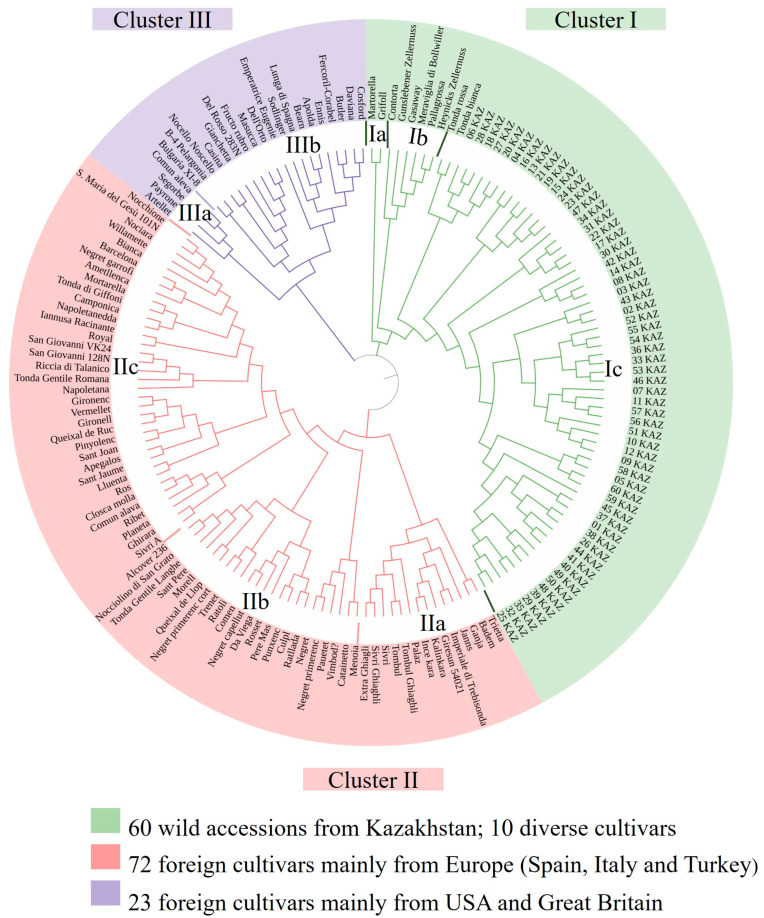 Figure 5
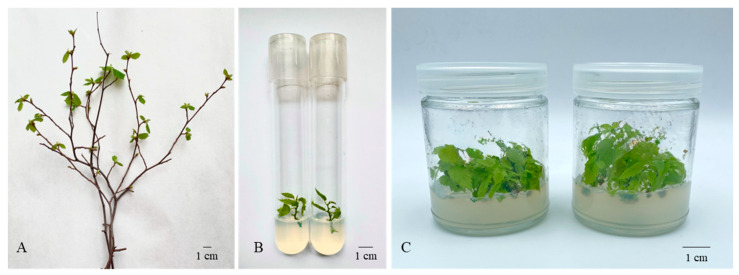 Figure 6
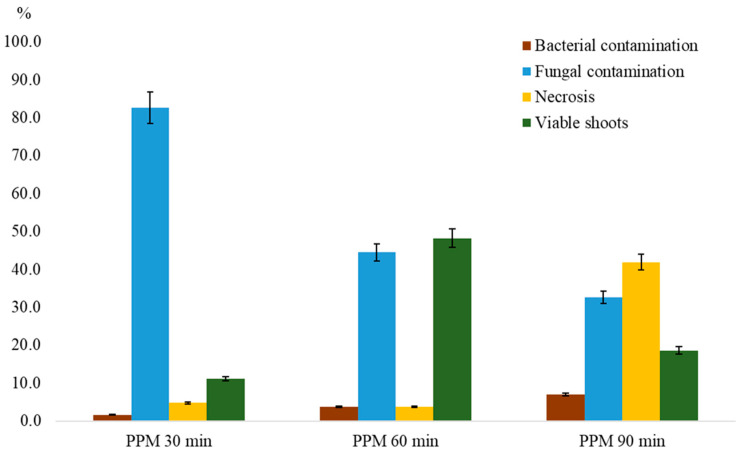 Figure 7
Peer Reviews
No public reviews on file for this paper yet. If you reviewed it on a platform where reviews are public (OpenReview, ICLR, NeurIPS, ICML), you can paste yours below so the community can read it here.
Videos
No videos yet. Explain this paper in a talk, walkthrough, or lecture? Add one.
Taxonomy
TopicsPhytochemical and Pharmacological Studies · Agriculture and Biological Studies · Plant Ecology and Taxonomy Studies