Relationship Between Sperm Parameters and Indices of Chromatin Condensation and DNA Fragmentation in Semen
Othmane Adli, Noureddine Louanjli, Rachid Aboutaieb

TL;DR
This study shows that sperm DNA damage and poor chromatin packaging are linked to reduced sperm movement and abnormal shapes, suggesting these factors should be included in infertility testing.
Contribution
The study establishes a novel connection between sperm DNA fragmentation, chromatin condensation, and specific sperm abnormalities like macrocephaly.
Findings
High DNA damage or poor chromatin packaging correlates with reduced sperm motility and abnormal forms.
DNA fragmentation and chromatin condensation are significantly associated with motility and macrocephaly (p < 0.0001).
No significant links were found between chromatin condensation or DNA fragmentation and other sperm parameters (p > 0.99).
Abstract
Infertility is a major global health issue, affecting about 15% of couples, with male factors responsible for nearly one third of cases. Current evaluations usually rely on semen analysis, which measures sperm concentration, movement, and shape. While important, these tests often fail to explain why many men remain infertile. This limitation has led researchers to explore deeper aspects of sperm quality, particularly the condition of the genetic material it carries. In this study, we examined two hidden features: whether sperm DNA is damaged and whether it is properly condensed and packaged. We analyzed samples from 80 men and compared these factors with standard sperm characteristics. The results revealed that men with high DNA damage or poor chromatin packaging often had sperm with reduced motility and abnormal forms. This shows that conventional semen tests alone may not fully…
Genes, proteins, chemicals, diseases, species, mutations and cell lines named across the full text — each resolved to its canonical identifier and authoritative record.
Click any figure to enlarge with its caption.
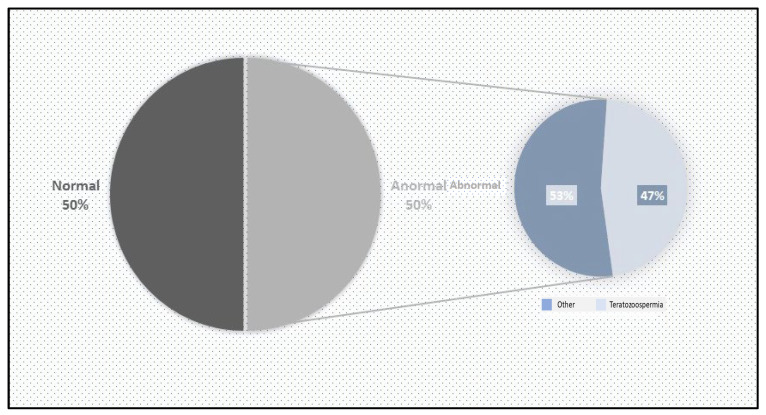 Figure 1
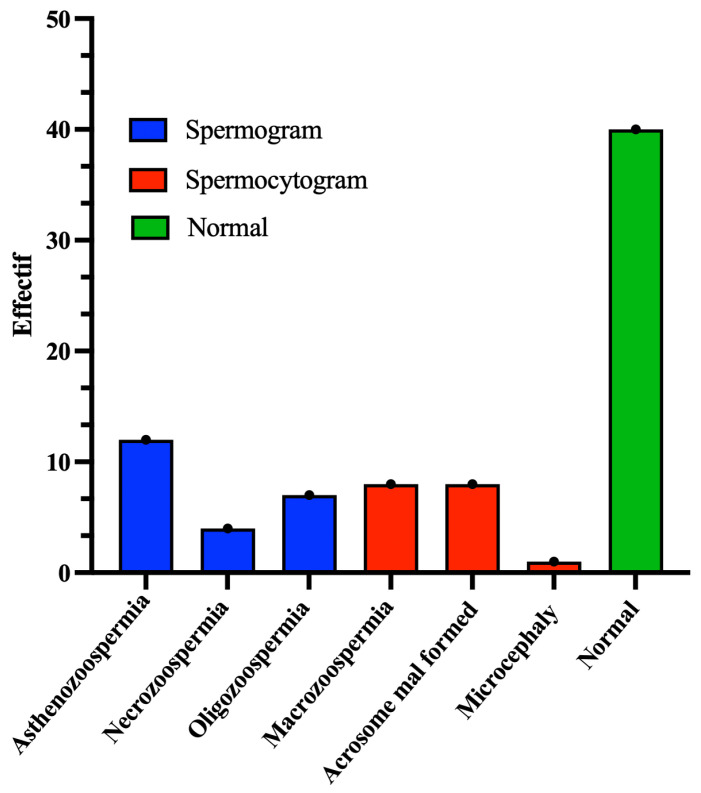 Figure 2
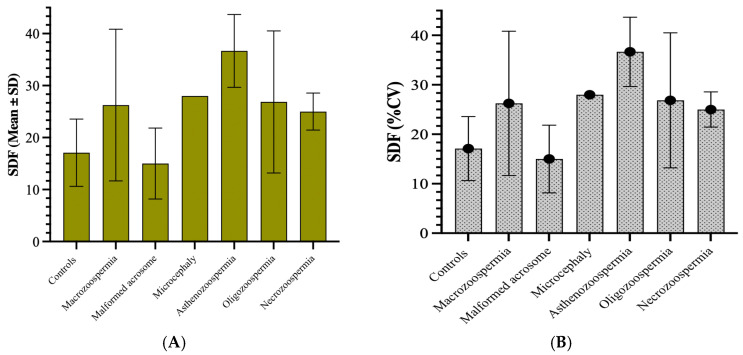 Figure 3
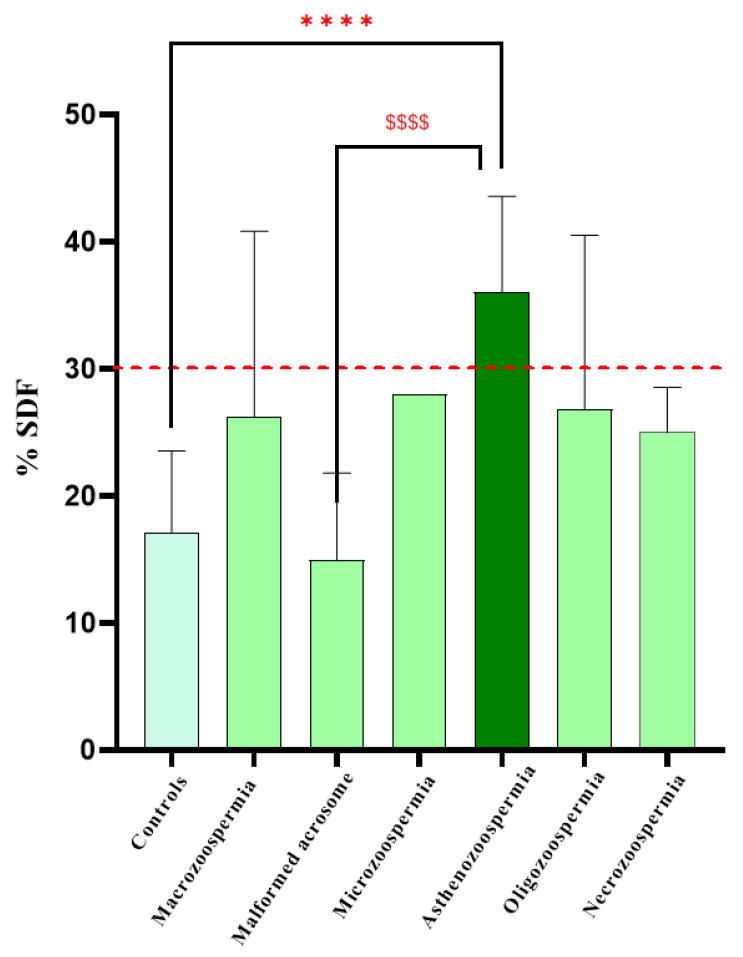 Figure 4
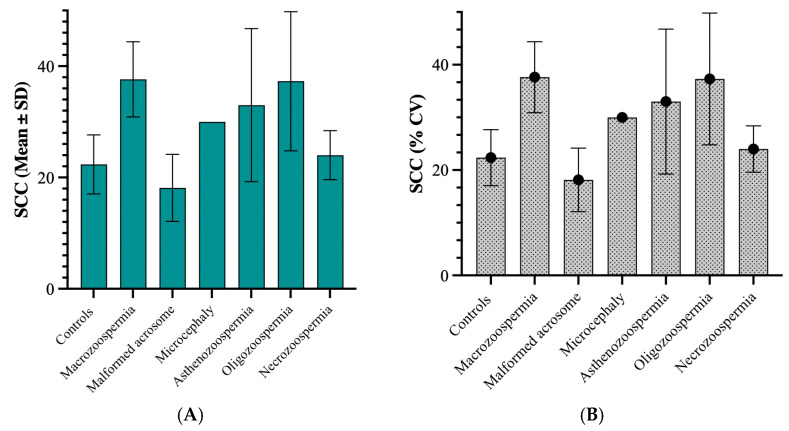 Figure 5
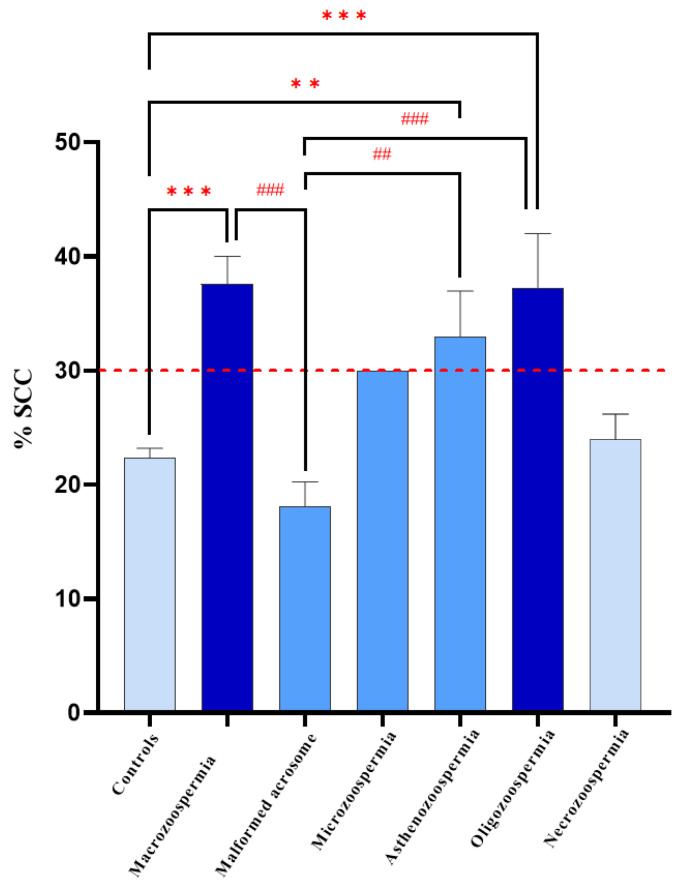 Figure 6
Peer Reviews
No public reviews on file for this paper yet. If you reviewed it on a platform where reviews are public (OpenReview, ICLR, NeurIPS, ICML), you can paste yours below so the community can read it here.
Videos
No videos yet. Explain this paper in a talk, walkthrough, or lecture? Add one.
Taxonomy
TopicsSperm and Testicular Function · Reproductive biology and impacts on aquatic species · Reproductive Biology and Fertility