MAM-Mediated Mitochondrial Ca2+ Overload and Endoplasmic Reticulum Stress Aggravates Synaptic Plasticity Impairment in Diabetic Mice
Jie Zhang, Jie Jiang, Haocong Li, Junliang Deng, Wei Dong, Huidan Deng

TL;DR
This study finds that high glucose causes mitochondrial and endoplasmic reticulum stress in diabetic mice, leading to impaired brain cell connections.
Contribution
The study identifies MAM-mediated mitochondrial Ca2+ overload and ER stress as novel mechanisms linking diabetes to synaptic plasticity impairment.
Findings
High glucose increases MAM number and activates endoplasmic reticulum stress in hippocampal neurons.
Blocking MAM Ca2+ transport or ER stress pathways protects against synaptic plasticity damage.
Knockdown of Mfn2 reverses high-glucose-induced mitochondrial and ER stress.
Abstract
Background: As a chronic threat to human and animal health, diabetes impairs cognition and synaptic plasticity through mechanisms that remain unresolved. This study aims to explore whether mitochondria-associated endoplasmic reticulum membrane (MAM)-mediated mitochondrial Ca2+ overload and endoplasmic reticulum stress plays an important role in high-glucose-induced synaptic plasticity damage in hippocampal neurons. Methods and Results: In diabetic mice, cognitive dysfunction was tightly linked to the synaptic plasticity impairment, manifesting as significant reductions in both mRNA and protein levels of PSD-95, GAP-43, and SYP. Concomitantly, aberrant increases in MAM number and structural alterations, along with pronounced up-regulation of Mfn2, were observed in hippocampal tissue from diabetic mice and cultured hippocampal neurons exposed to high glucose. High glucose also elevated…
Genes, proteins, chemicals, diseases, species, mutations and cell lines named across the full text — each resolved to its canonical identifier and authoritative record.
Click any figure to enlarge with its caption.
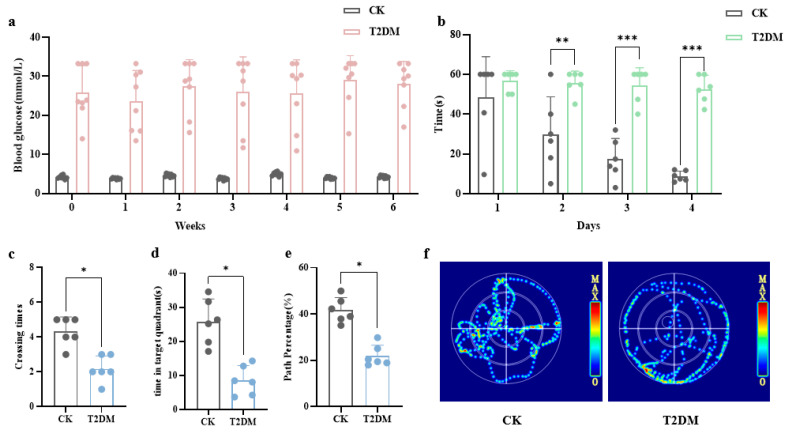 Figure 1
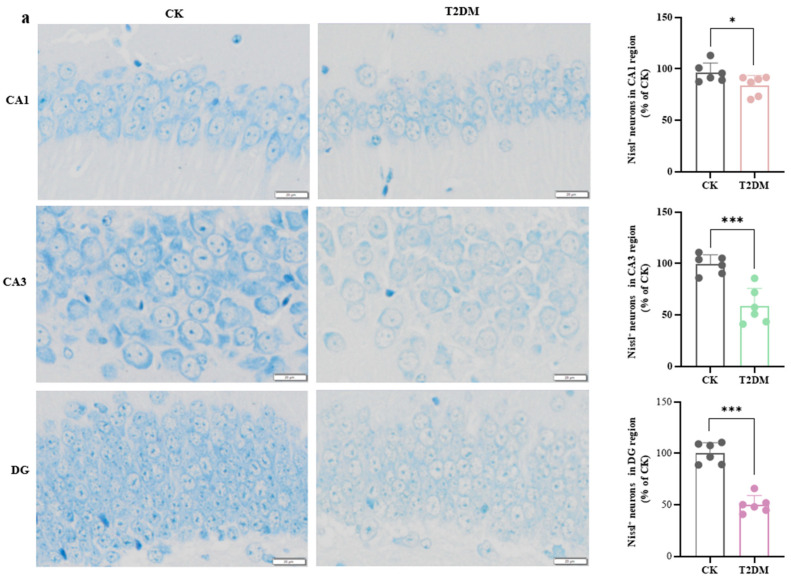 Figure 2
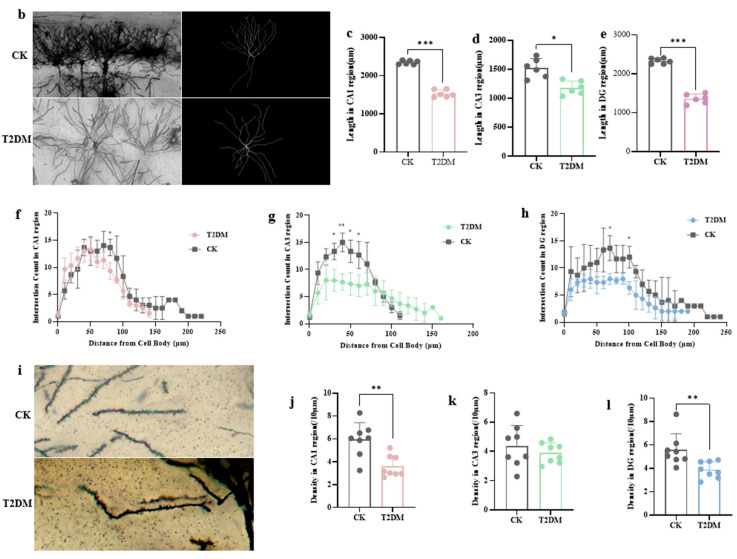 Figure 3
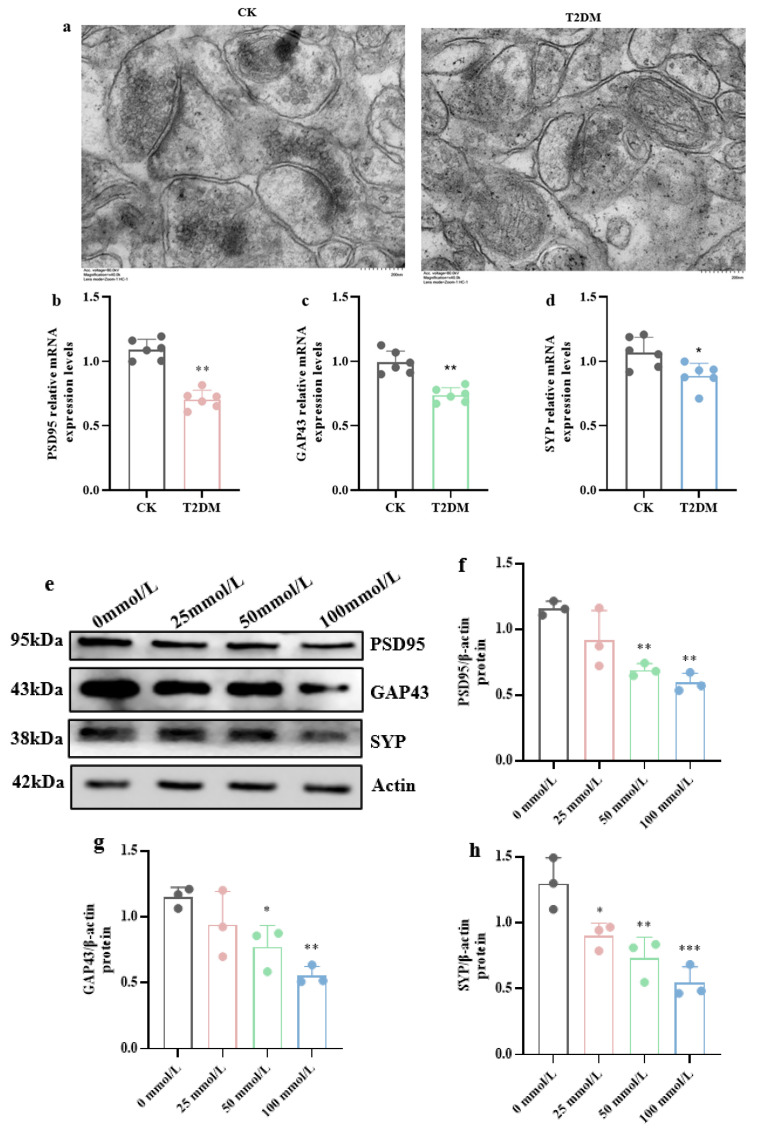 Figure 4
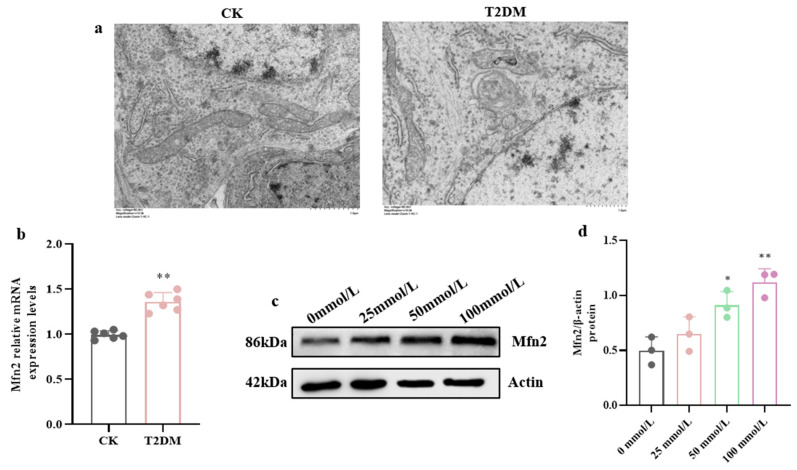 Figure 5
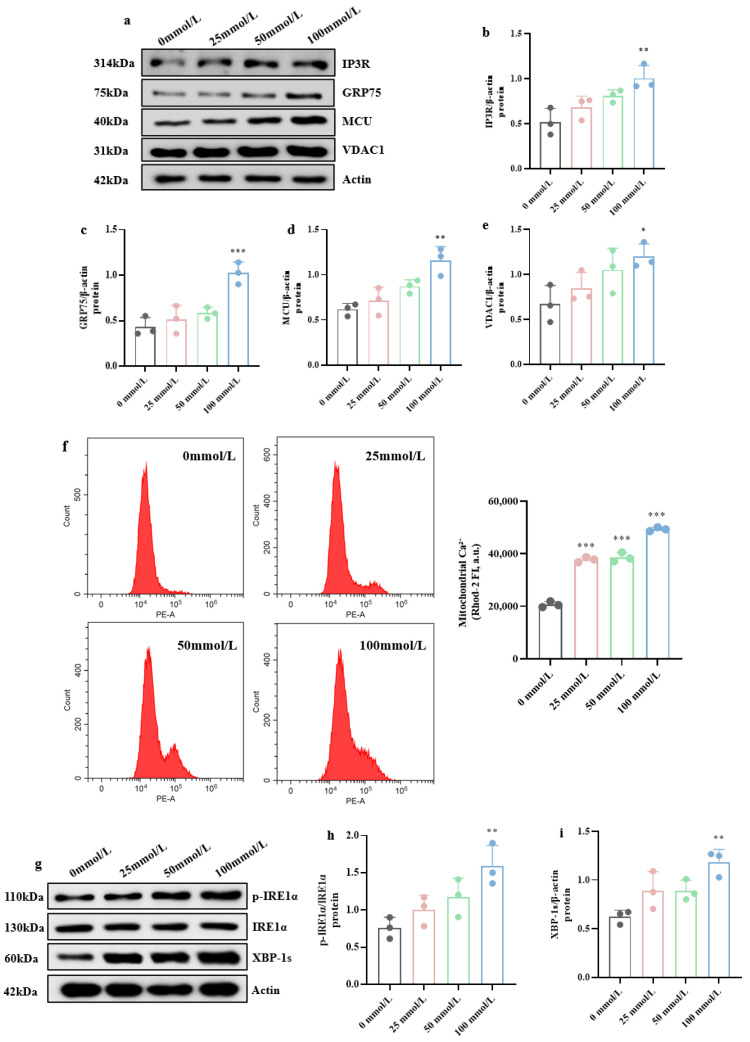 Figure 6
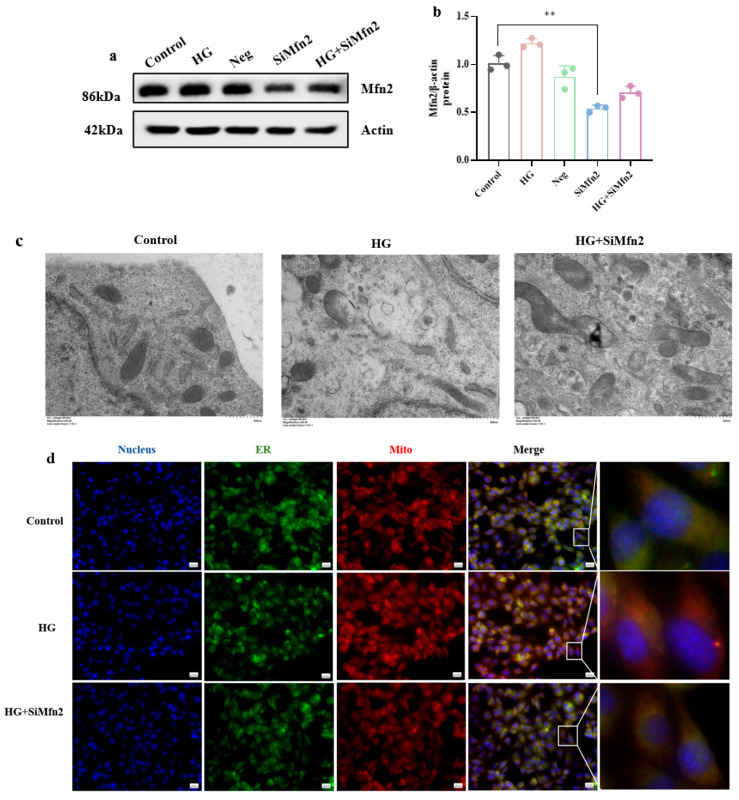 Figure 7
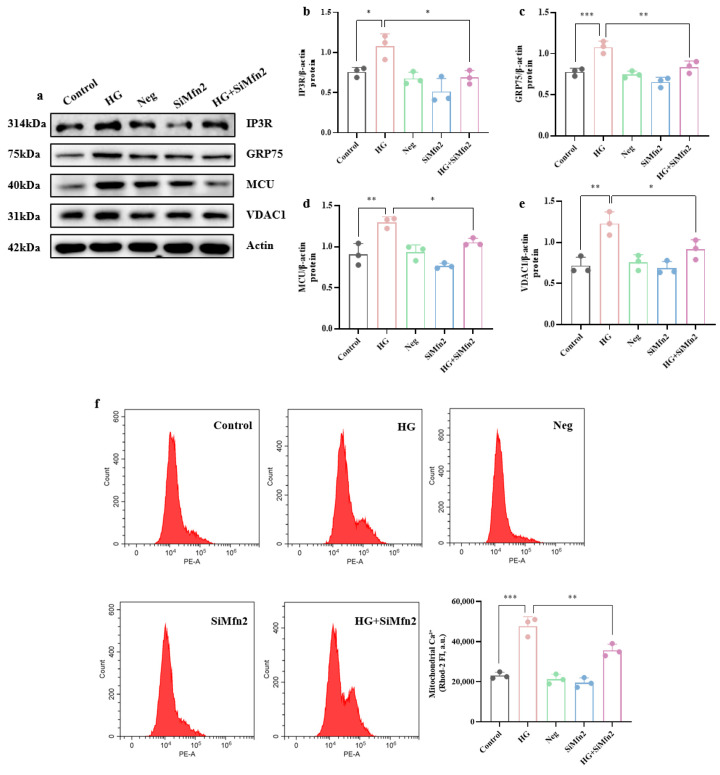 Figure 8
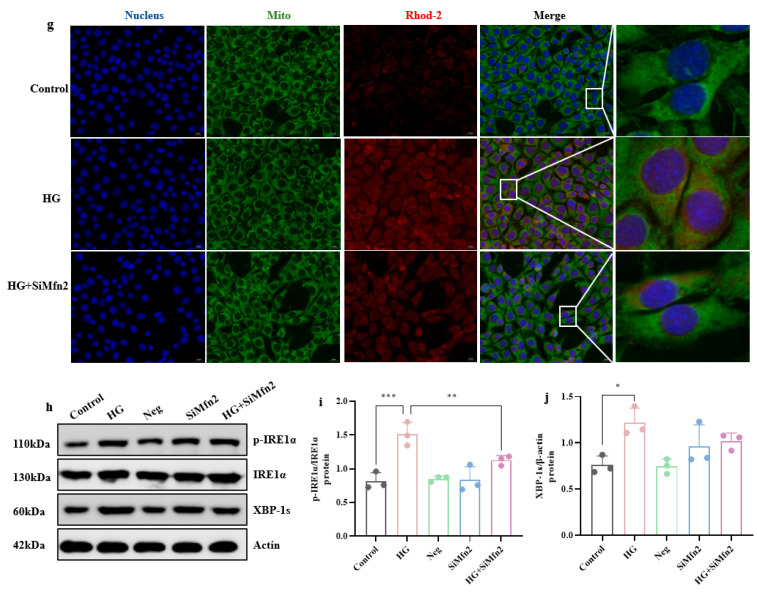 Figure 9
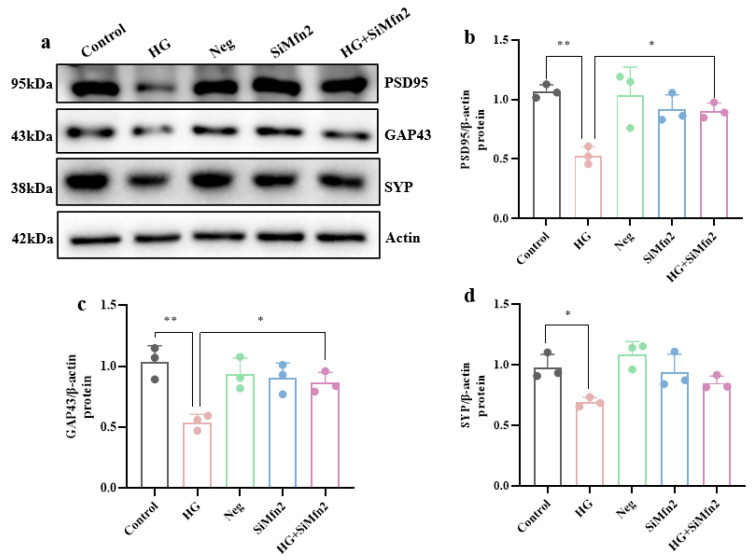 Figure 10
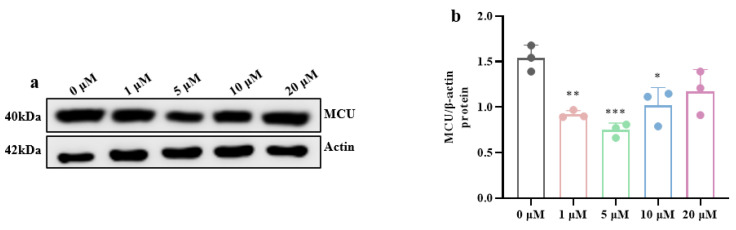 Figure 11
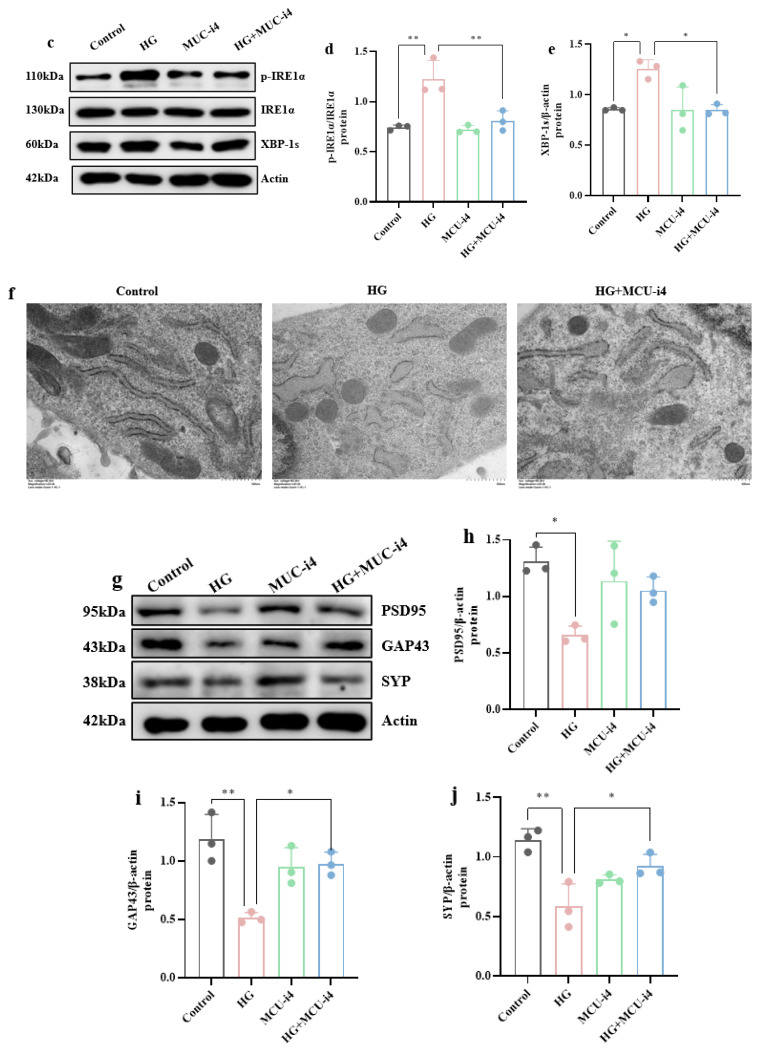 Figure 12
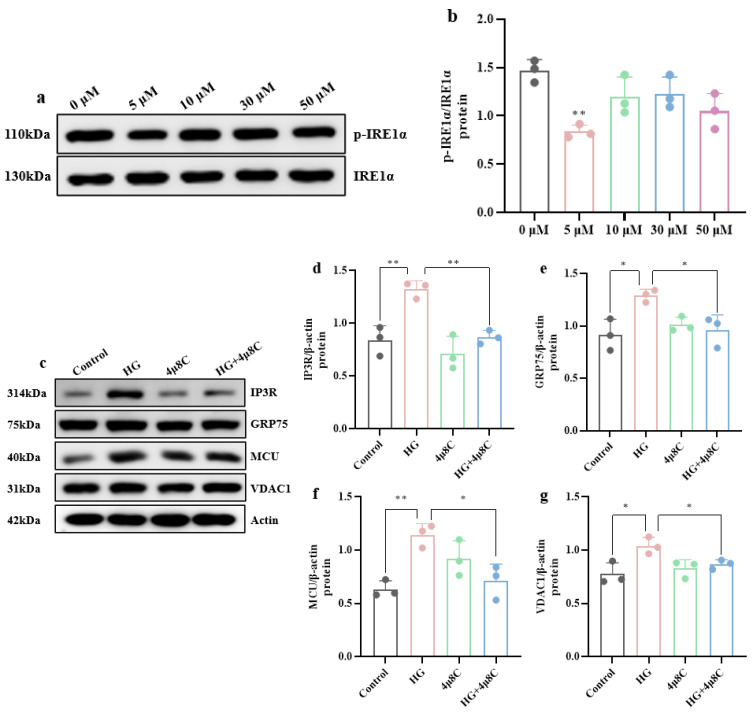 Figure 13
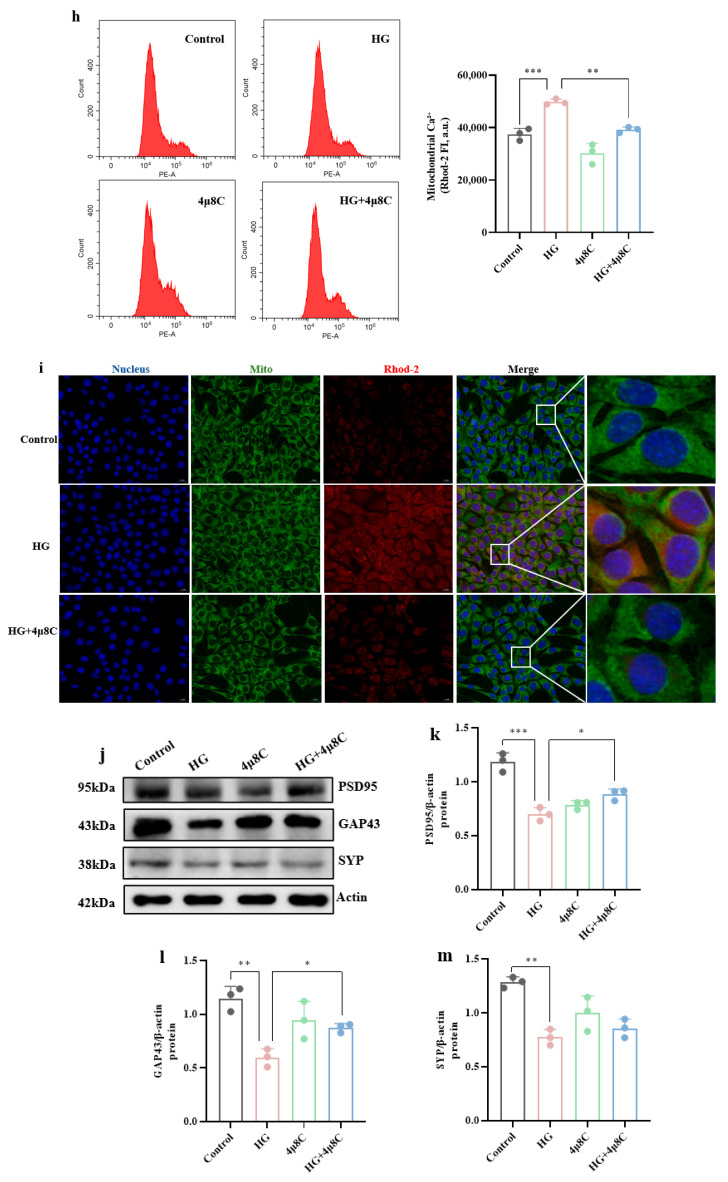 Figure 14
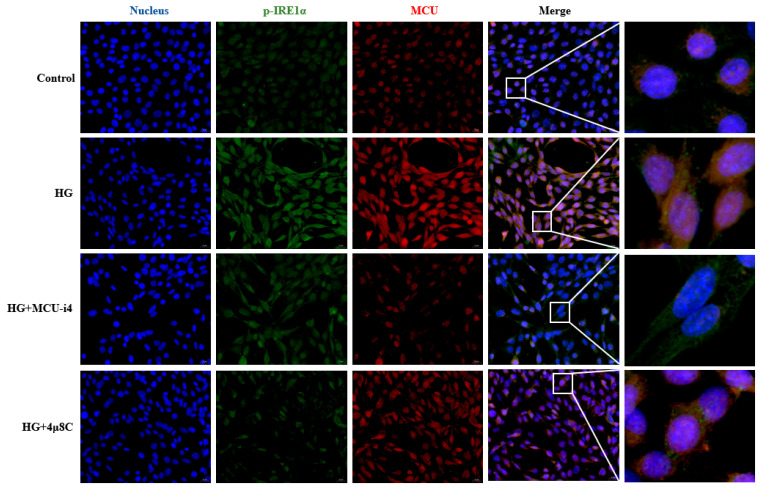 Figure 15
Peer Reviews
No public reviews on file for this paper yet. If you reviewed it on a platform where reviews are public (OpenReview, ICLR, NeurIPS, ICML), you can paste yours below so the community can read it here.
Videos
No videos yet. Explain this paper in a talk, walkthrough, or lecture? Add one.
Taxonomy
TopicsMitochondrial Function and Pathology · Endoplasmic Reticulum Stress and Disease · Calpain Protease Function and Regulation