Magnetic Resonance Imaging and Cerebrospinal Fluid Biomarker Clustering Defines Biological Subtypes of Alzheimer’s Disease
Rafail C. Christodoulou, Georgios Vamvouras, Maria Daniela Sarquis, Vasileia Petrou, Platon S. Papageorgiou, Ludwing Rivera, Celimar Morales, Gipsany Rivera, Evros Vassiliou, Elena E. Solomou, Sokratis G. Papageorgiou

TL;DR
This study identifies three biological subtypes of Alzheimer’s disease using MRI and cerebrospinal fluid biomarkers, revealing distinct patterns of brain atrophy and pathology.
Contribution
The study introduces MRI-based clustering validated by CSF biomarkers to define biologically distinct Alzheimer’s subtypes.
Findings
Three AD subtypes were identified based on MRI and CSF data, including a tau/vascular limbic subtype and a volume-preserved low-amyloid subtype.
Progressive biological shifts from amyloid accumulation to tau aggregation and vascular compromise were observed across subtypes.
Multimodal phenotyping is suggested as a practical approach for precision staging and intervention in Alzheimer’s.
Abstract
Background/Objectives: Alzheimer’s disease (AD) exhibits clinical and biological variability. This study aimed to identify MRI-defined subtypes reflecting distinct biological pathways of neurodegeneration and cognitive decline. Methods: We applied principal component analysis followed by k-means clustering (k = 3) on volumetric MRI data from 924 participants and validated clusters using cerebrospinal fluid (CSF) biomarkers (Aβ42, total tau, p-tau, CTRED, MAPres, glucose, CTWHITE). Results: Three major phenotypes emerged: (1) a tau/vascular limbic subtype with pronounced hippocampal and amygdala atrophy and elevated tau and CTRED levels; (2) a volume-preserved, low-amyloid subtype consistent with early-stage or cognitively resilient AD; and (3) a diffuse-atrophy subtype with high amyloid and tau burden and ventriculomegaly. Comparative analysis revealed progressive biological shifts from…
Genes, proteins, chemicals, diseases, species, mutations and cell lines named across the full text — each resolved to its canonical identifier and authoritative record.
Click any figure to enlarge with its caption.
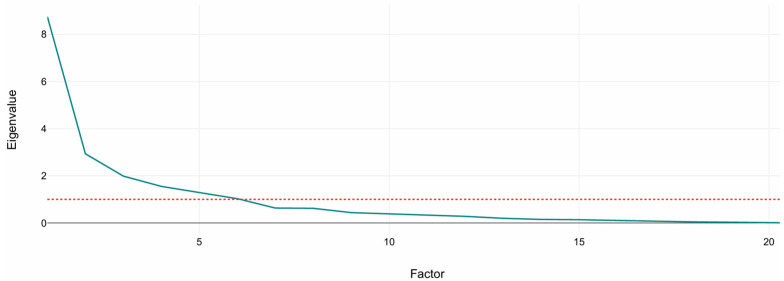 Figure 1
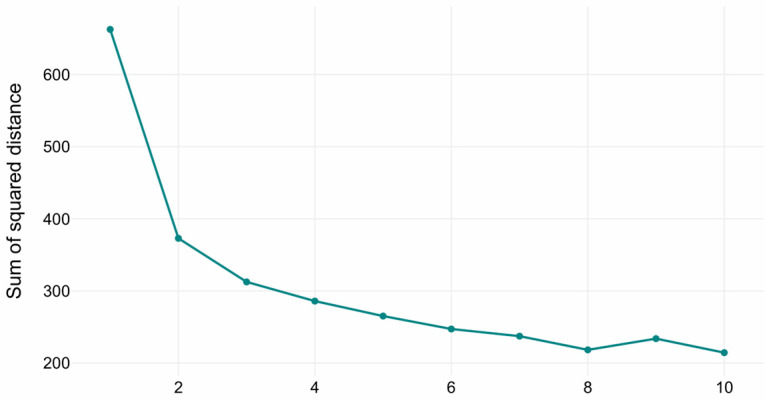 Figure 2
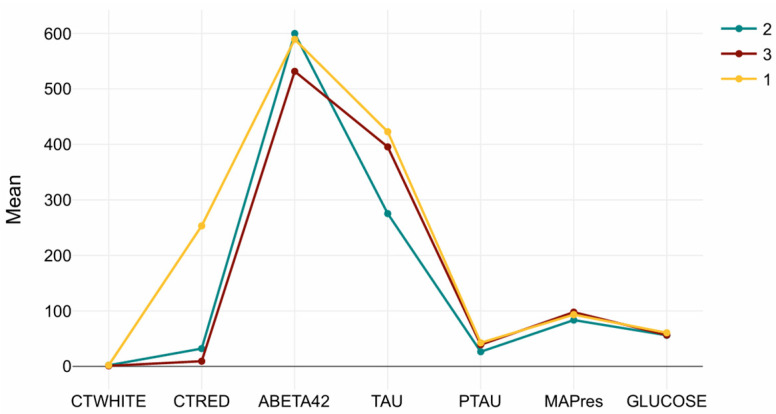 Figure 3
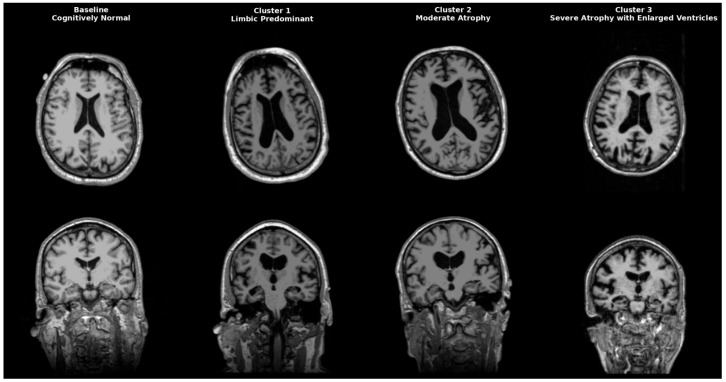 Figure 4
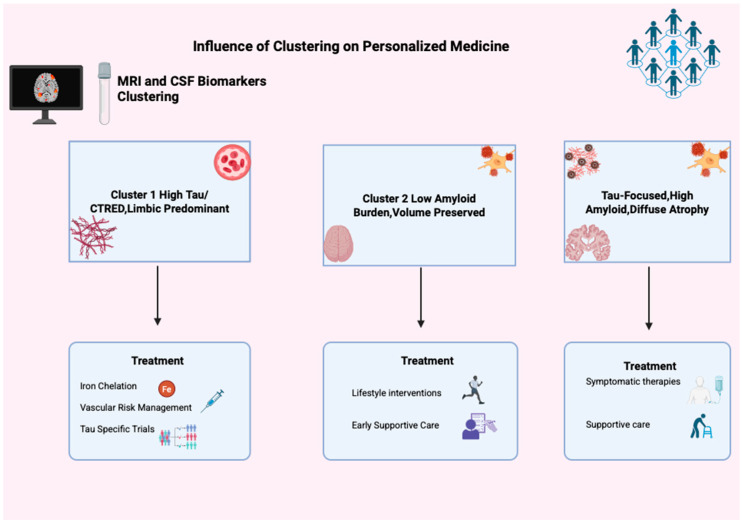 Figure 5
Peer Reviews
No public reviews on file for this paper yet. If you reviewed it on a platform where reviews are public (OpenReview, ICLR, NeurIPS, ICML), you can paste yours below so the community can read it here.
Videos
No videos yet. Explain this paper in a talk, walkthrough, or lecture? Add one.
Taxonomy
TopicsDementia and Cognitive Impairment Research · Alzheimer's disease research and treatments · Neurological Disease Mechanisms and Treatments