Climate Change vs. Human Activities: Conflicting Future Impacts on a High-Altitude Endangered Snake (Thermophis baileyi)
Yuxue Pan, Ruiying Han, Fengbin Dai, Yu Liu, Tianjian Song, Yueheng Ren, Song Huang, Jiang Chang

TL;DR
This study examines how climate change and human activities affect the habitat of an endangered high-altitude snake in Tibet, showing that while moderate warming may help, human land use and extreme warming threaten its survival.
Contribution
A novel multi-scenario framework was developed to disentangle the independent and synergistic impacts of climate and land cover change on a high-altitude ectotherm.
Findings
Moderate climate warming could expand the high-suitability habitat of Thermophis baileyi by 24.03–38.55%.
Extreme warming (SSP5-8.5) would reduce habitat and cause a northward shift in the species' distribution.
Human land use reduces habitat and diminishes climate-driven habitat gains by 4.99–11.31%.
Abstract
As a high-altitude distributed reptile endemic to the Tibetan Plateau, the Tibetan hot-spring snake (Thermophis baileyi) is sensitive to accelerating climate change and expanding human land use, making it an ideal species for studying the effects of global changes on high-altitude ectotherms. In this study, based on field survey data and species occurrence records, we used species distribution model (SDM) under multiple future scenarios to assess the individual and combined impacts of climate and land cover change on its habitat. We identified four key environmental factors shaping its distribution and tracked changes in high-suitability habitat (HSH). The results demonstrated that anthropogenic landscape change would cause a reduction in the HSH area. Conversely, appropriate climate warming (SSP1-2.6, SSP2-4.5, SSP3-7.0) would expand the HSH area; however, this expansion effect would…
Genes, proteins, chemicals, diseases, species, mutations and cell lines named across the full text — each resolved to its canonical identifier and authoritative record.
Click any figure to enlarge with its caption.
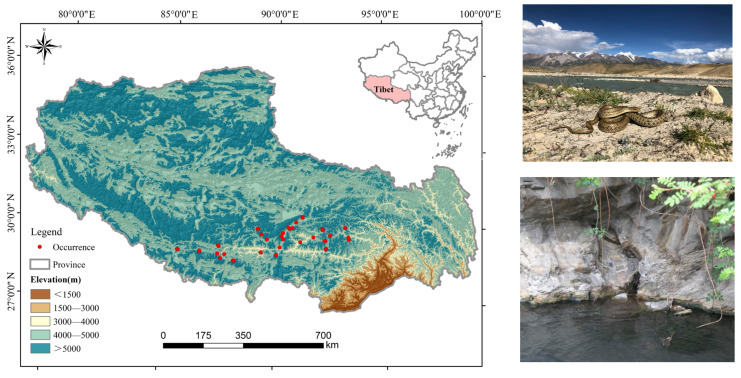 Figure 1
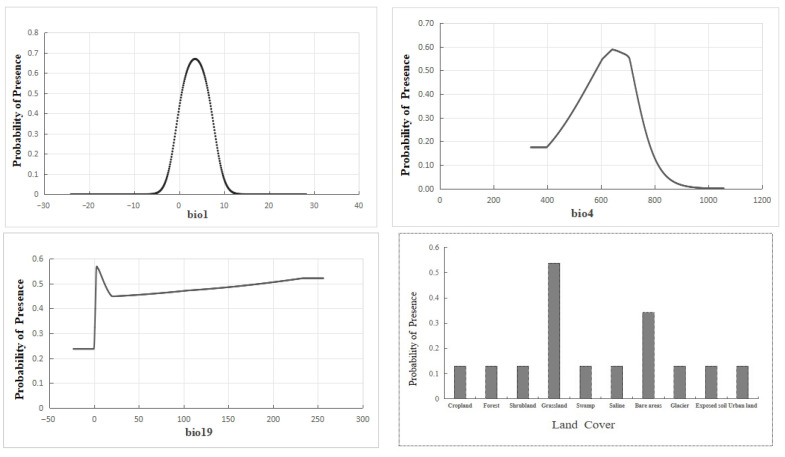 Figure 2
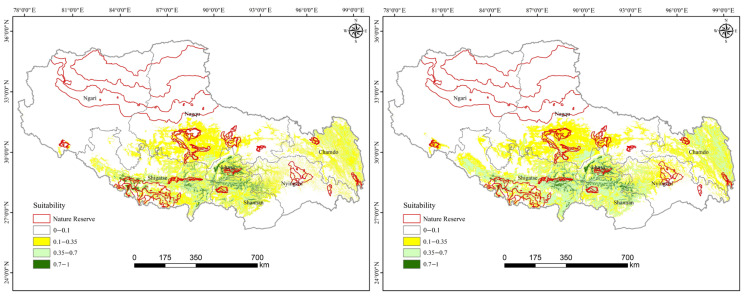 Figure 3
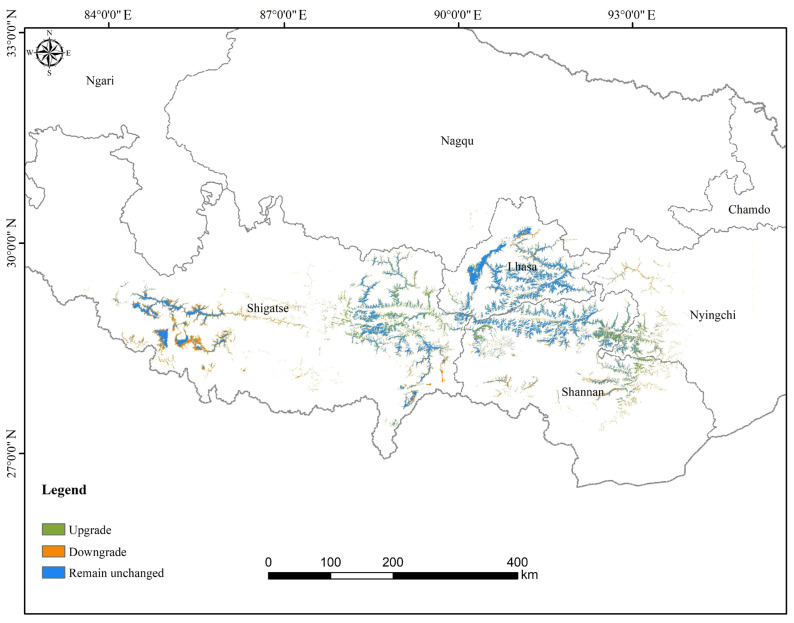 Figure 4
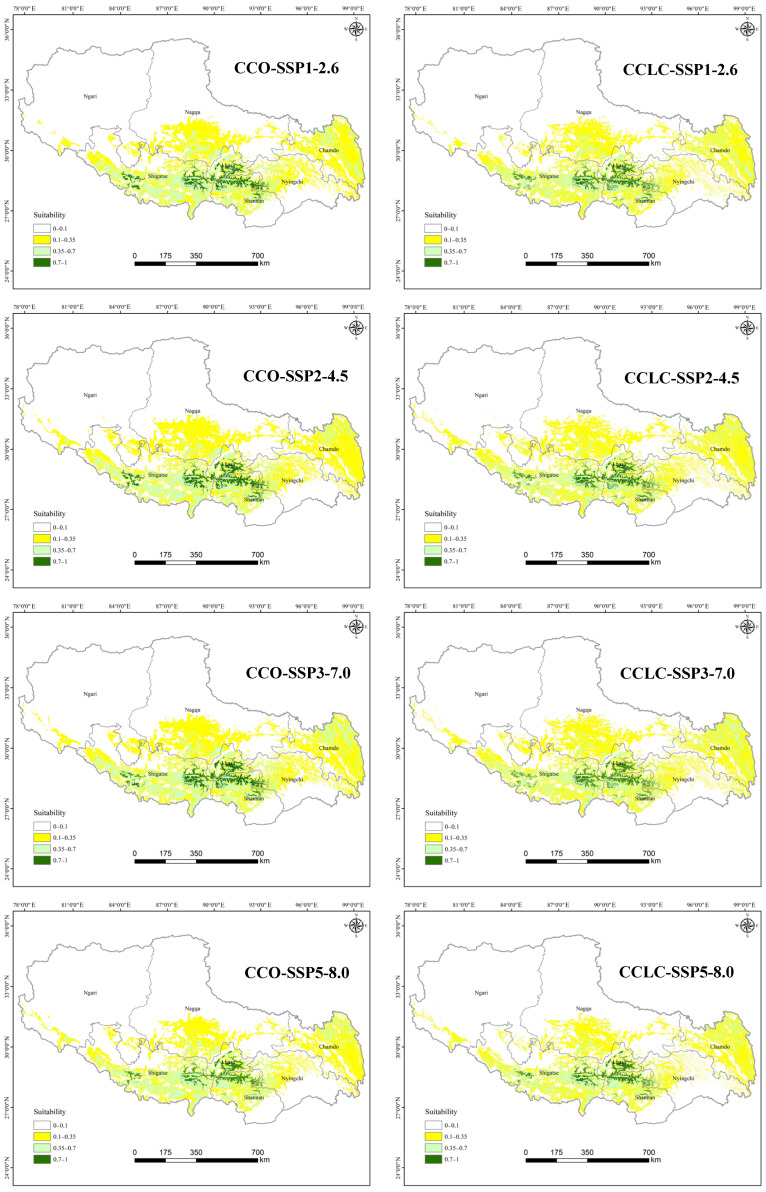 Figure 5
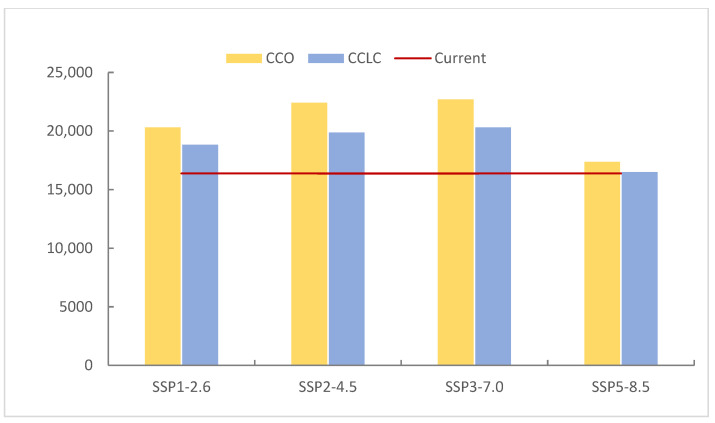 Figure 6
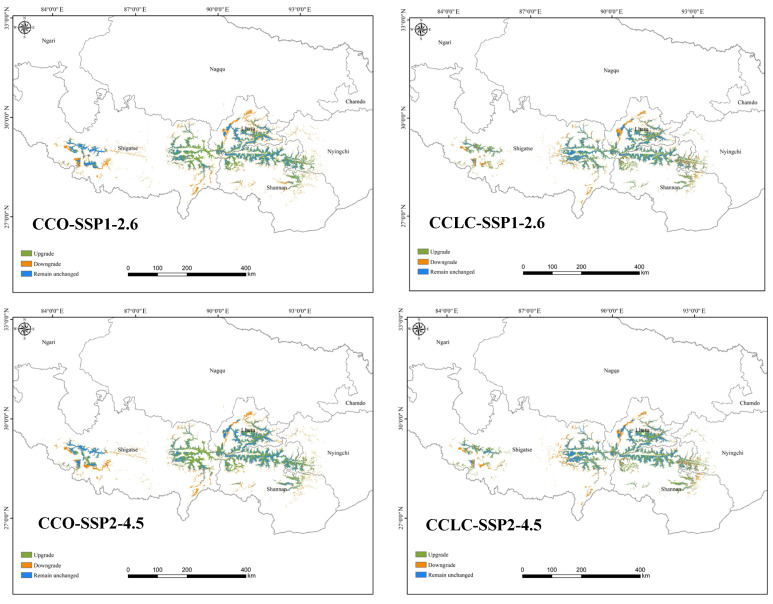 Figure 7
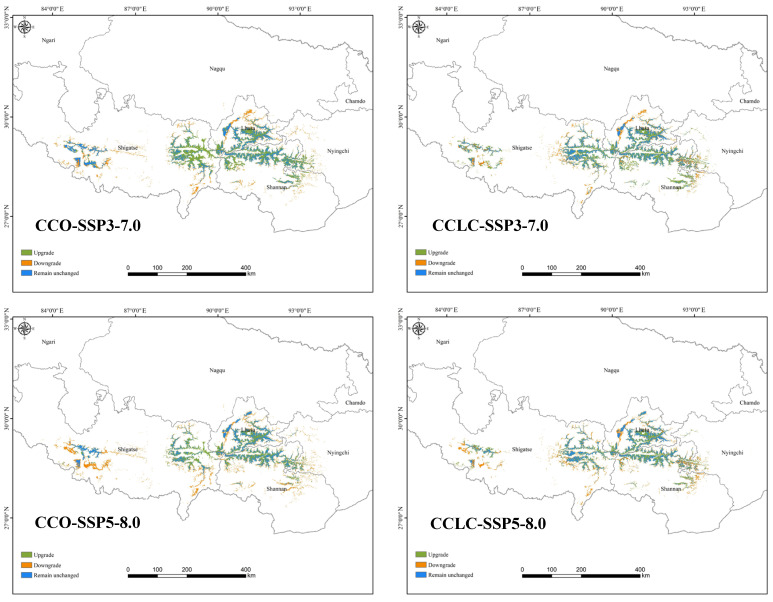 Figure 8
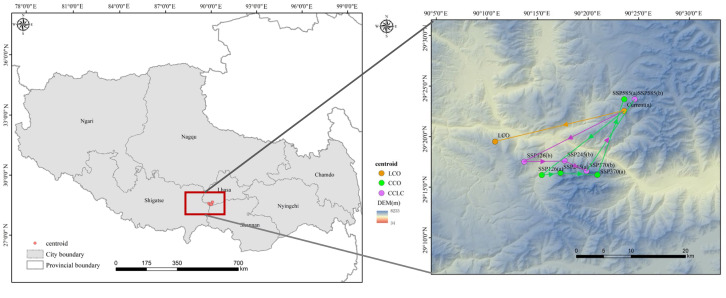 Figure 9
Peer Reviews
No public reviews on file for this paper yet. If you reviewed it on a platform where reviews are public (OpenReview, ICLR, NeurIPS, ICML), you can paste yours below so the community can read it here.
Videos
No videos yet. Explain this paper in a talk, walkthrough, or lecture? Add one.
Taxonomy
TopicsSpecies Distribution and Climate Change · Amphibian and Reptile Biology · Environmental DNA in Biodiversity Studies