Structural Basis for Targeting the Bifunctional Enzyme ArnA
Xinyu Liu, Ruochen Yang, Libang Ren, Tong Li, Yanrong Li, Zhihua Yan, Yanrong Gao, Mingqi Yang, Jiazhi Li

TL;DR
This study reveals the structural and evolutionary basis of the enzyme ArnA, which helps bacteria resist antibiotics, and proposes new strategies to inhibit its function.
Contribution
The paper provides a structural and evolutionary analysis of ArnA and proposes novel peptide inhibitors targeting its function.
Findings
ArnA's dehydrogenase and formyltransferase domains evolved independently and fused in Gammaproteobacteria.
A 2.89 Å cryo-EM structure of ArnA reveals a DH-driven hexameric architecture crucial for activity.
Structure-based peptide inhibitors were designed to target ArnA's hexamerization and interaction interfaces.
Abstract
Polymyxin antibiotics are often the last line of defense against multidrug-resistant Gram-negative pathogens. A key resistance mechanism involves the addition of 4-amino-4-deoxy-L-arabinose (L-Ara4N) to lipid A, mediated by the bifunctional enzyme ArnA. However, the evolutionary rationale and structural basis for ArnA’s domain fusion, hexameric assembly, and catalytic coordination remain mechanistically unresolved. Here, we integrate evolutionary genomics, high-resolution cryo-electron microscopy (cryo-EM), and computational protein design to provide a comprehensive mechanistic analysis of ArnA. Our evolutionary analysis reveals that the dehydrogenase (DH) and formyltransferase (TF) domains evolved independently and were selectively fused in Gammaproteobacteria, suggesting an adaptive advantage. A 2.89 Å cryo-EM structure of apo-ArnA resolves the flexible interdomain linker and reveals…
Genes, proteins, chemicals, diseases, species, mutations and cell lines named across the full text — each resolved to its canonical identifier and authoritative record.
Click any figure to enlarge with its caption.
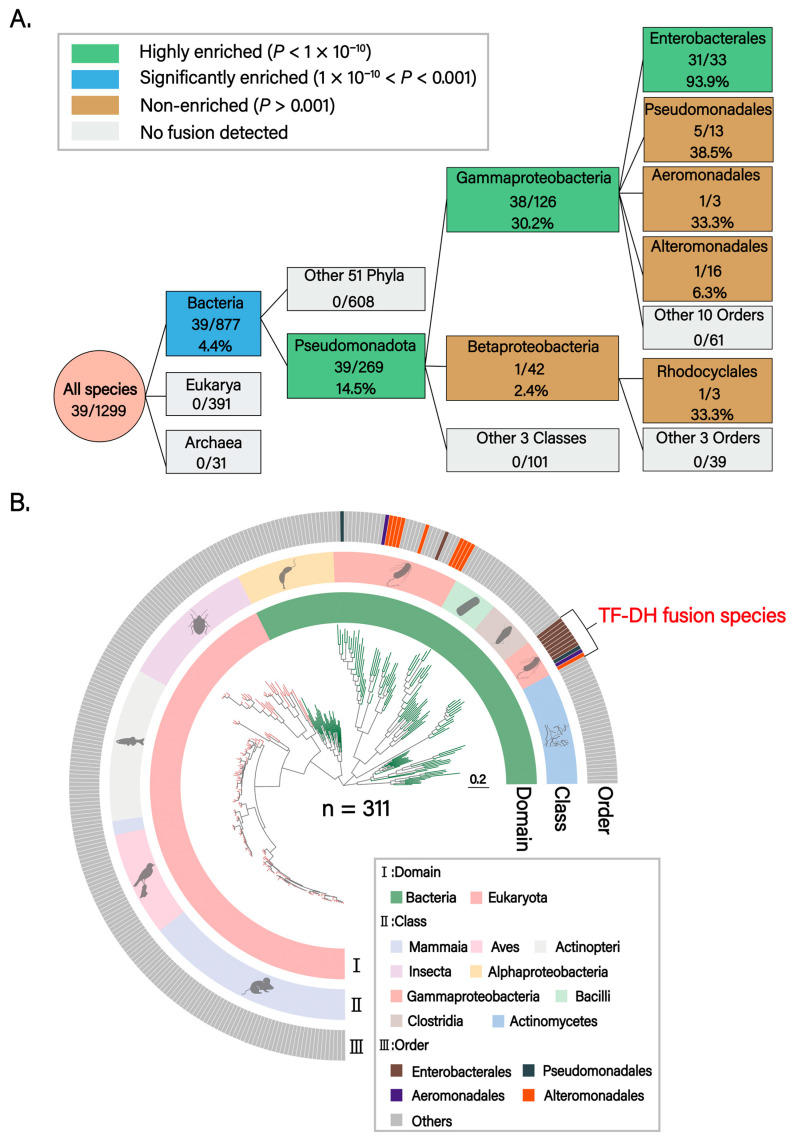 Figure 1
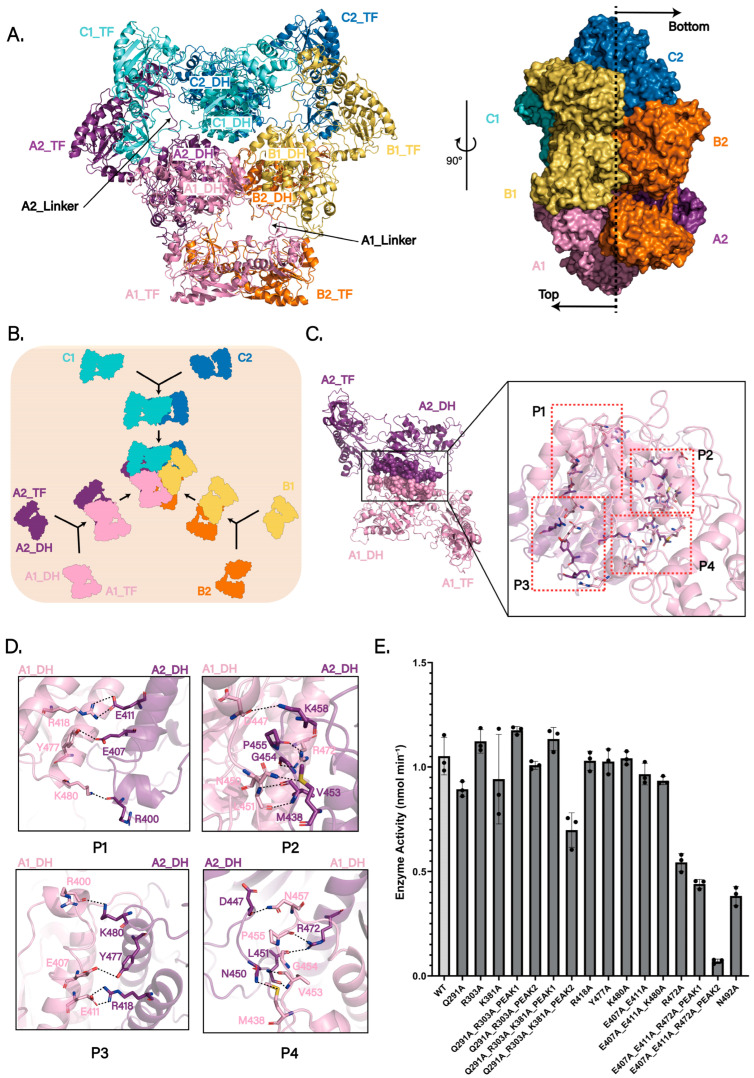 Figure 2
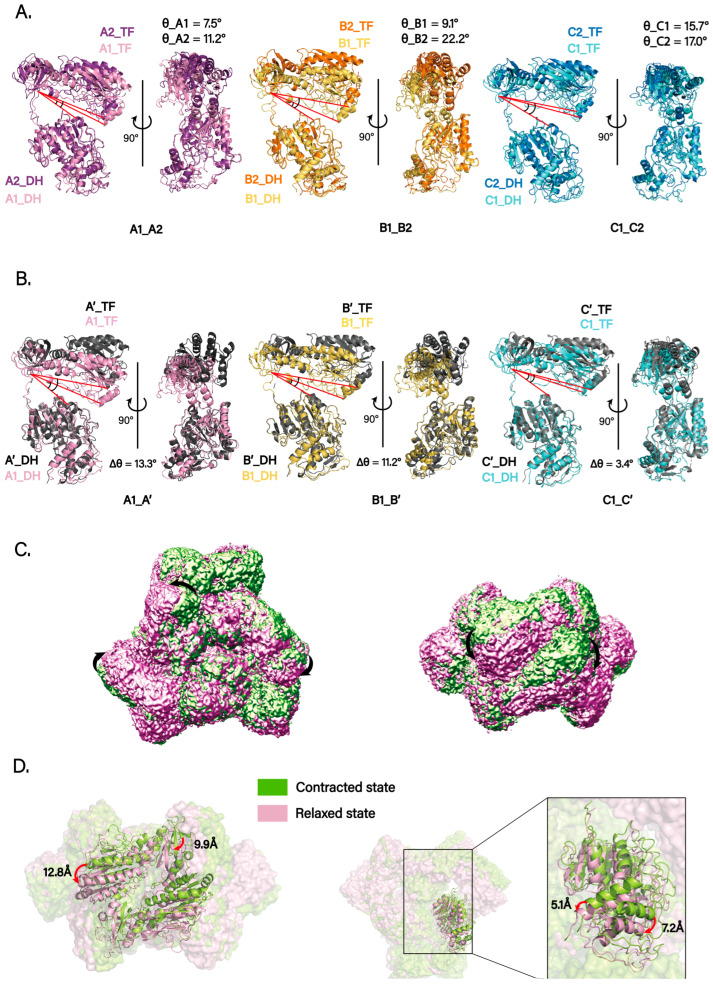 Figure 3
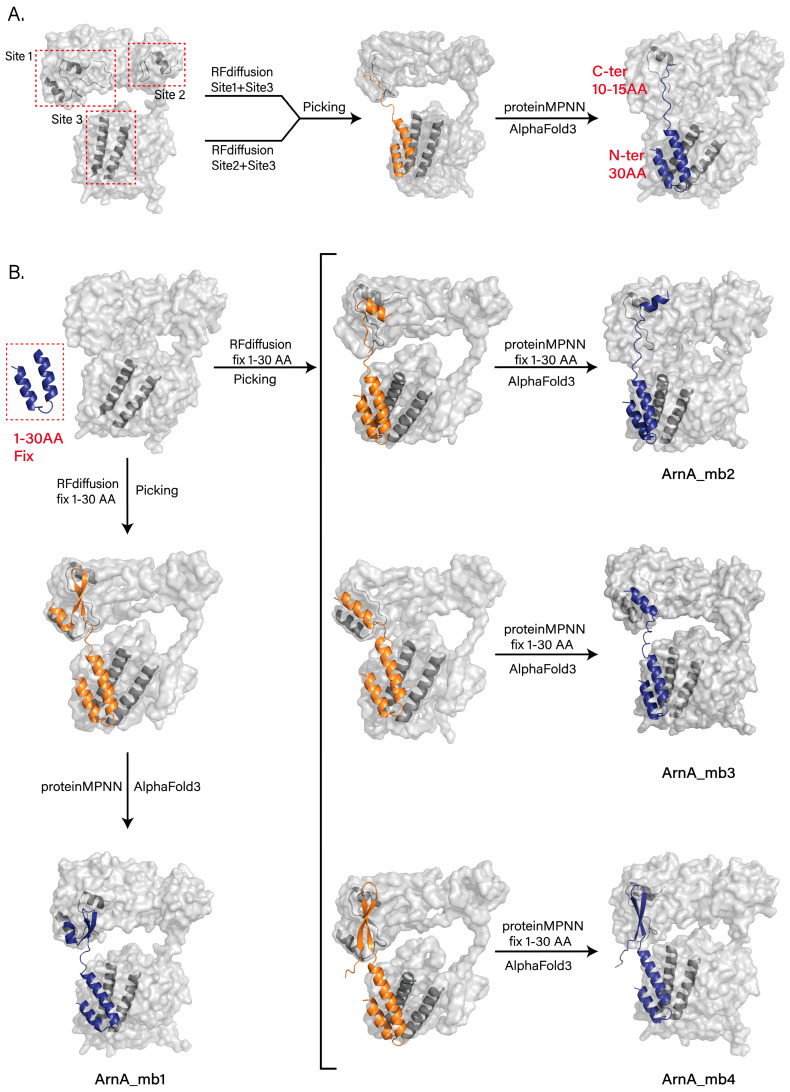 Figure 4
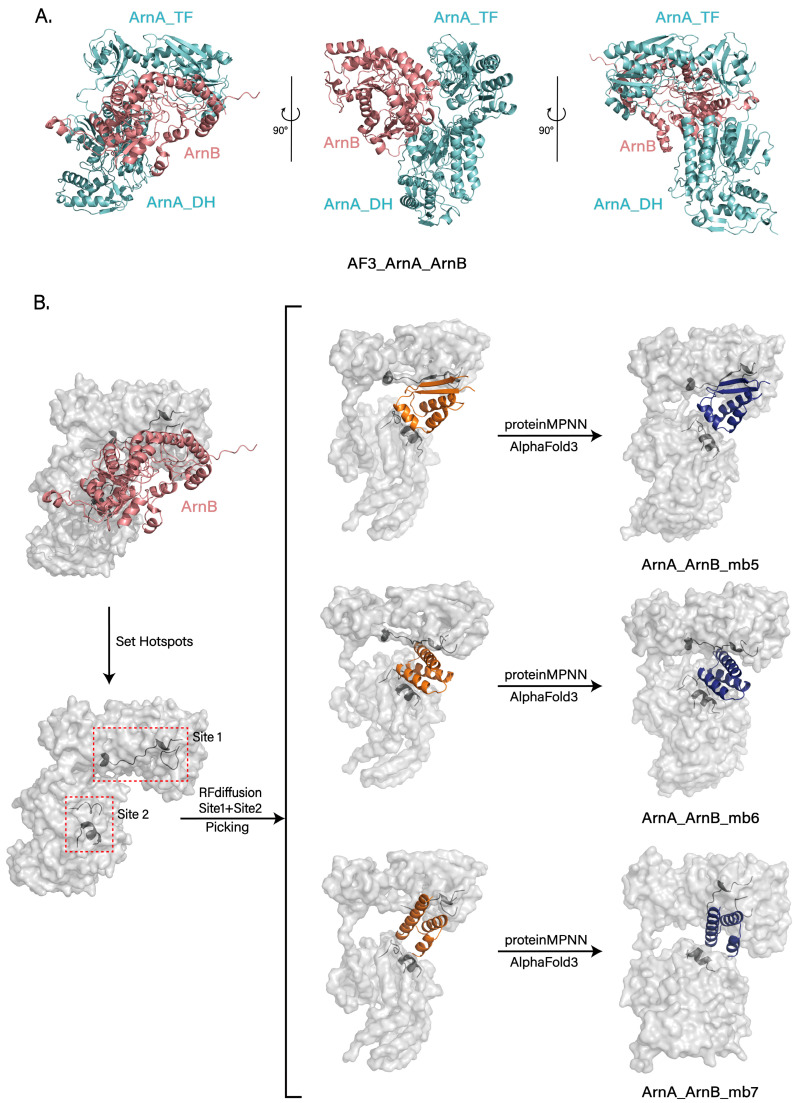 Figure 5
Peer Reviews
No public reviews on file for this paper yet. If you reviewed it on a platform where reviews are public (OpenReview, ICLR, NeurIPS, ICML), you can paste yours below so the community can read it here.
Videos
No videos yet. Explain this paper in a talk, walkthrough, or lecture? Add one.
Taxonomy
TopicsEnzyme Structure and Function · Carbohydrate Chemistry and Synthesis · Bacterial Genetics and Biotechnology