Bioaccumulation of Lanthanum by Two Strains of Marine Diatoms Nanofrustulum shiloi and Halamphora kolbei
Daria Sergeevna Balycheva, Anastasiia Andreevna Blaginina, Vyacheslav Nikolaevich Lishaev, Sergey Victorovich Kapranov, Ekaterina Sergeevna Miroshnichenko, Svetlana Nikolaevna Zheleznova, Mikhail Vitalievich Simokon, Vitaliy Ivanovich Ryabushko

TL;DR
This study shows that two marine diatom species can hyperaccumulate lanthanum, a rare earth element, which could help in cleaning up polluted water.
Contribution
The study is the first to demonstrate lanthanum bioaccumulation in diatoms, revealing hyperaccumulation potential for environmental remediation.
Findings
Diatoms bioadsorb lanthanum on their frustule surfaces and hyperaccumulate it within their biomass.
Lanthanum concentration in diatom biomass increased up to 2000-fold compared to surrounding water.
High lanthanum levels negatively affect diatom growth and morphofunctional state.
Abstract
Currently, the mining and use of rare earth elements are steadily increasing. Diatoms are known to absorb various elements from the aquatic environment by adsorbing them onto the surface of their frustules and accumulating them within the cell. While there is a considerable amount of data on the bioaccumulation of various metals by diatoms, there is almost no information on the concentration of rare earth elements in their cells. Thus, the aim of this study was to determine the ability of diatoms to bioaccumulate rare earth elements by the example of lanthanum, one of the most abundant rare earth elements in the marine waters, for two strains of diatoms. As a result, the bioadsorption of lanthanum on the surfaces of frustules and its hyperaccumulation in the biomass of diatoms was revealed. This metal had a significant effect on the growth of diatoms. The results obtained regarding the…
Genes, proteins, chemicals, diseases, species, mutations and cell lines named across the full text — each resolved to its canonical identifier and authoritative record.
Click any figure to enlarge with its caption.
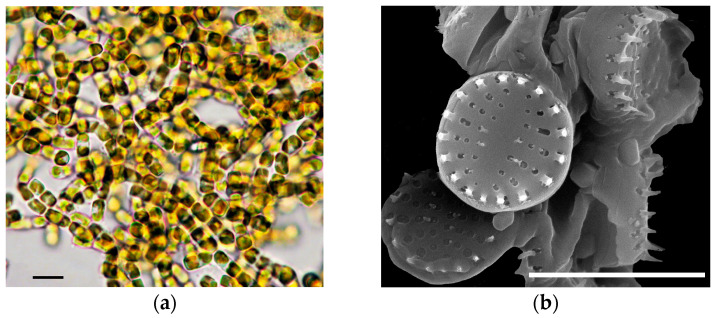 Figure 1
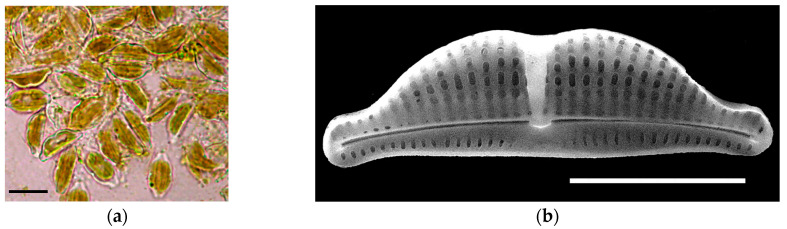 Figure 2
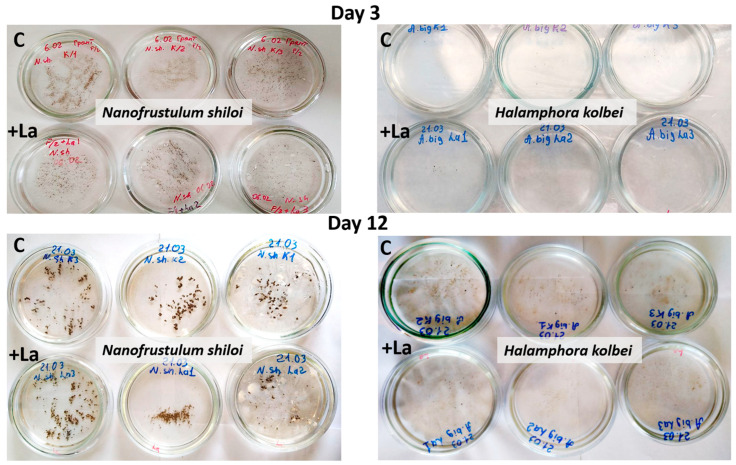 Figure 3
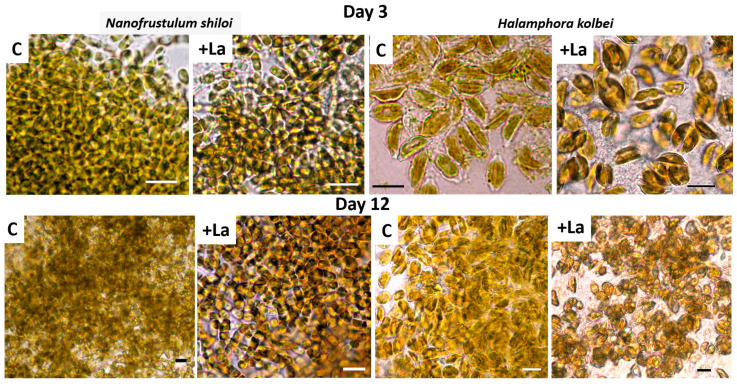 Figure 4
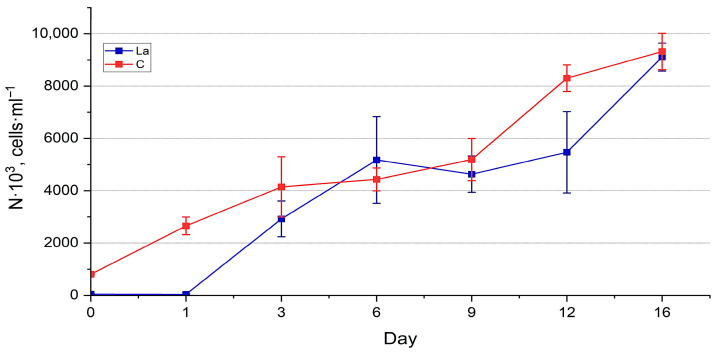 Figure 5
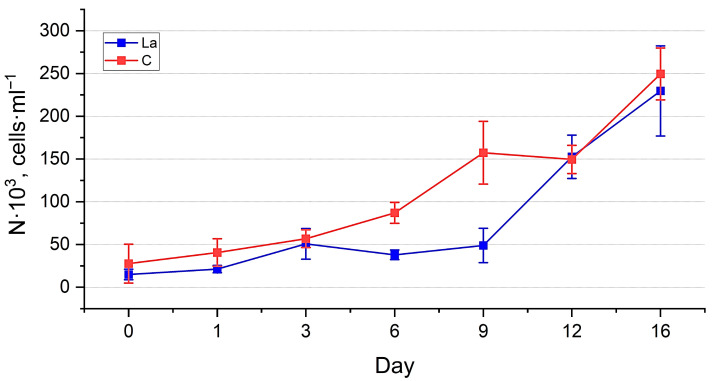 Figure 6
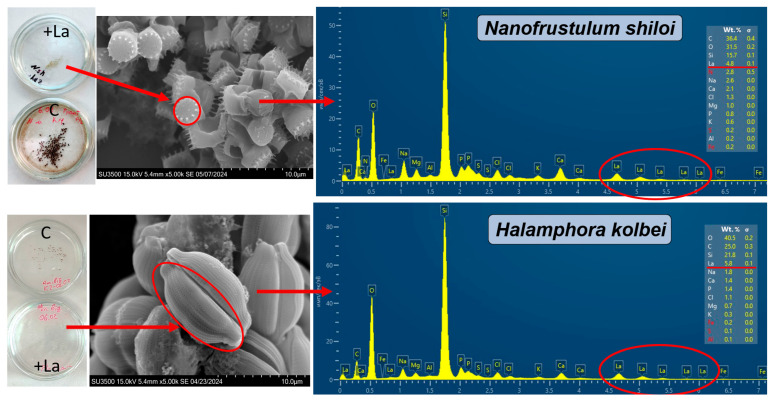 Figure 7
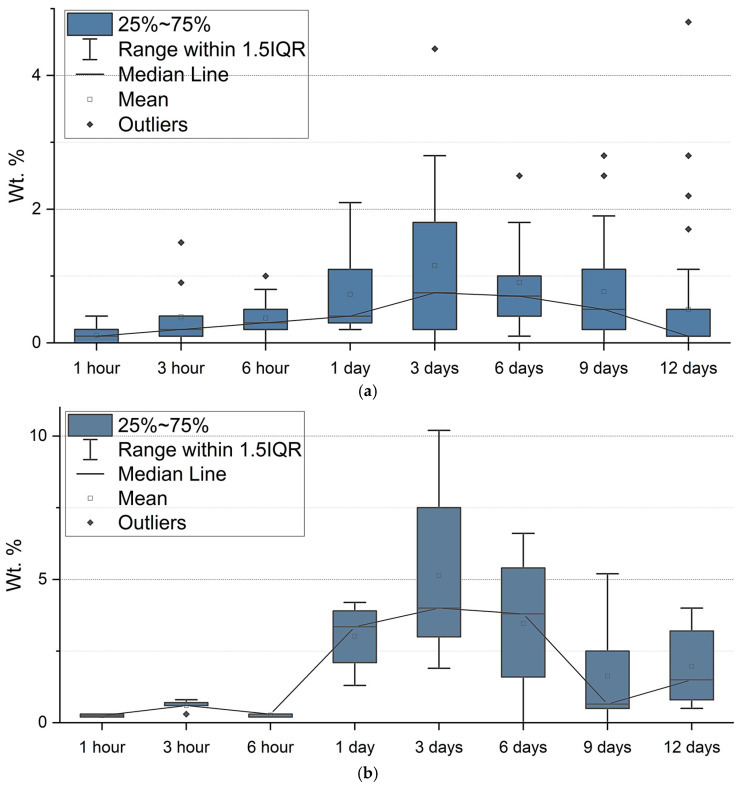 Figure 8
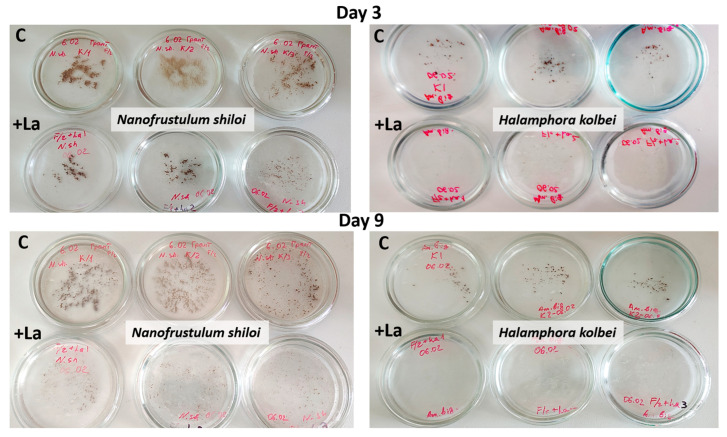 Figure 9
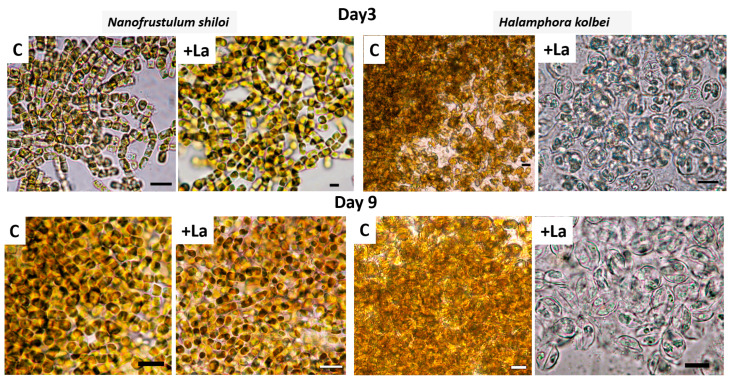 Figure 10
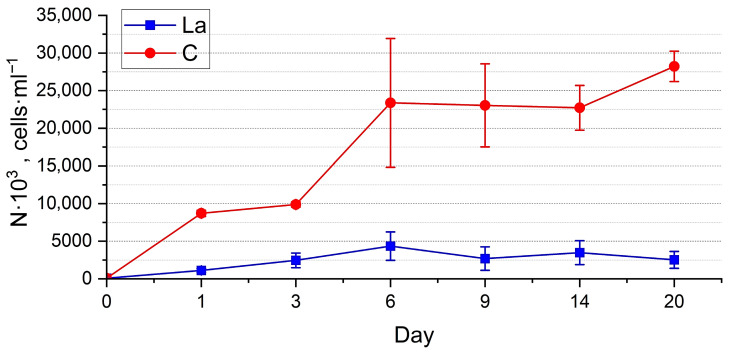 Figure 11
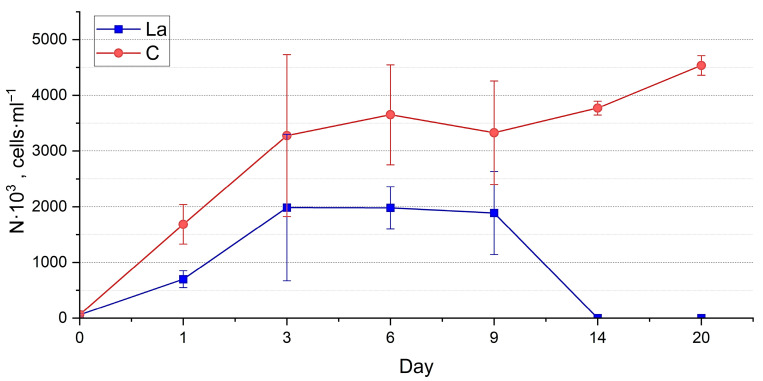 Figure 12
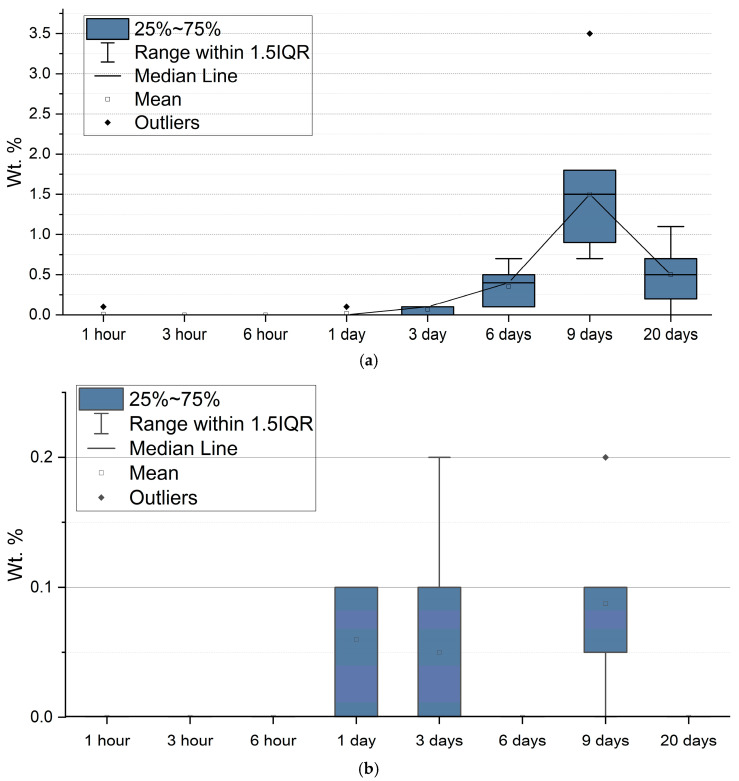 Figure 13
Peer Reviews
No public reviews on file for this paper yet. If you reviewed it on a platform where reviews are public (OpenReview, ICLR, NeurIPS, ICML), you can paste yours below so the community can read it here.
Videos
No videos yet. Explain this paper in a talk, walkthrough, or lecture? Add one.
Taxonomy
TopicsGeochemistry and Elemental Analysis · Diatoms and Algae Research · Analytical chemistry methods development