Discovery of Drug-like Inhibitors of the Human Caf1/CNOT7 poly(A)-Selective Nuclease Using Compound Screening
Ishwinder Kaur, Lubna Hashmi, Peter M. Fischer, Gerlof Sebastiaan Winkler

TL;DR
Researchers identified drug-like compounds that inhibit the Caf1/CNOT7 enzyme, which is involved in mRNA degradation, potentially aiding in understanding its role and developing more effective inhibitors.
Contribution
The study reports the discovery of 15 drug-like inhibitors of Caf1/CNOT7 with sub-25 μM IC50 values, offering new tools for studying mRNA degradation.
Findings
15 inhibitors of Caf1/CNOT7 were identified with IC50 values below 25 μM.
Molecular docking was used to explore the binding modes of these inhibitors.
The inhibitors may help differentiate between catalytic and non-catalytic roles of Caf1/CNOT7.
Abstract
The human Ccr4–Not complex is a central regulator of post-transcriptional gene regulation, impacting on translation and mRNA degradation. In mRNA degradation, Ccr4–Not participates in the shortening of the mRNA poly(A)-tail via two catalytic subunits. The Caf1 nuclease is encoded by the highly similar paralogues CNOT7 or CNOT8. In addition to its poly(A)-specific ribonuclease activity, this subunit also provides a structural role by binding Ccr4, the second catalytic nuclease subunit encoded by the paralogues CNOT6 or CNOT6L. To facilitate investigations into the roles of the Caf1 subunit, and to complement genetic tools, we set out to identify inhibitors of the enzymatic activity of Caf1/CNOT7. To this end, we screened a library of 10,880 chemically diverse, drug-like compounds using a fluorescence-based biochemical assay. This effort led to the discovery of 15 inhibitors of Caf1/CNOT7…
Genes, proteins, chemicals, diseases, species, mutations and cell lines named across the full text — each resolved to its canonical identifier and authoritative record.
Click any figure to enlarge with its caption.
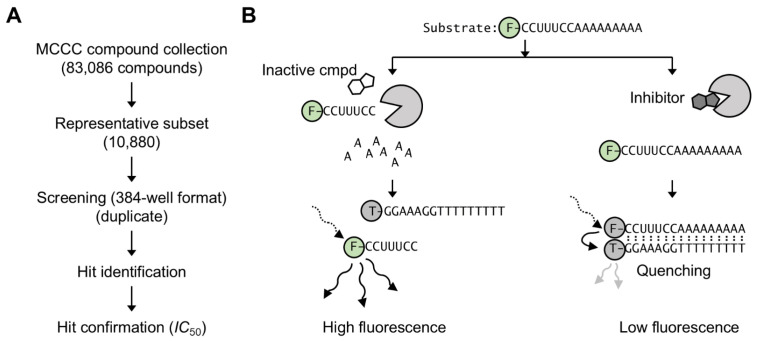 Figure 1
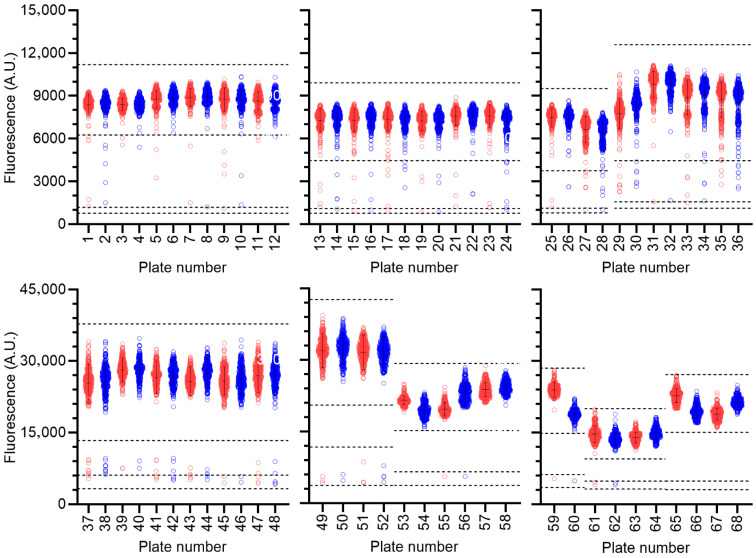 Figure 2
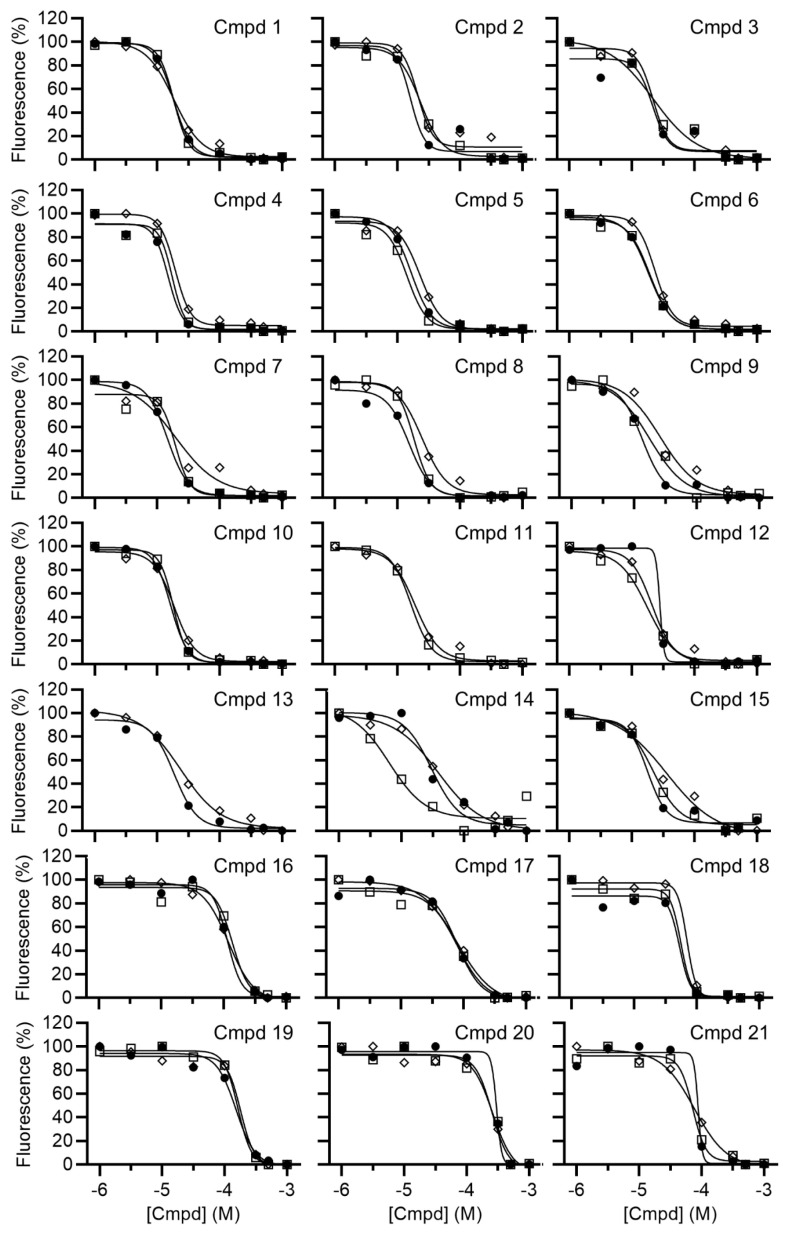 Figure 3
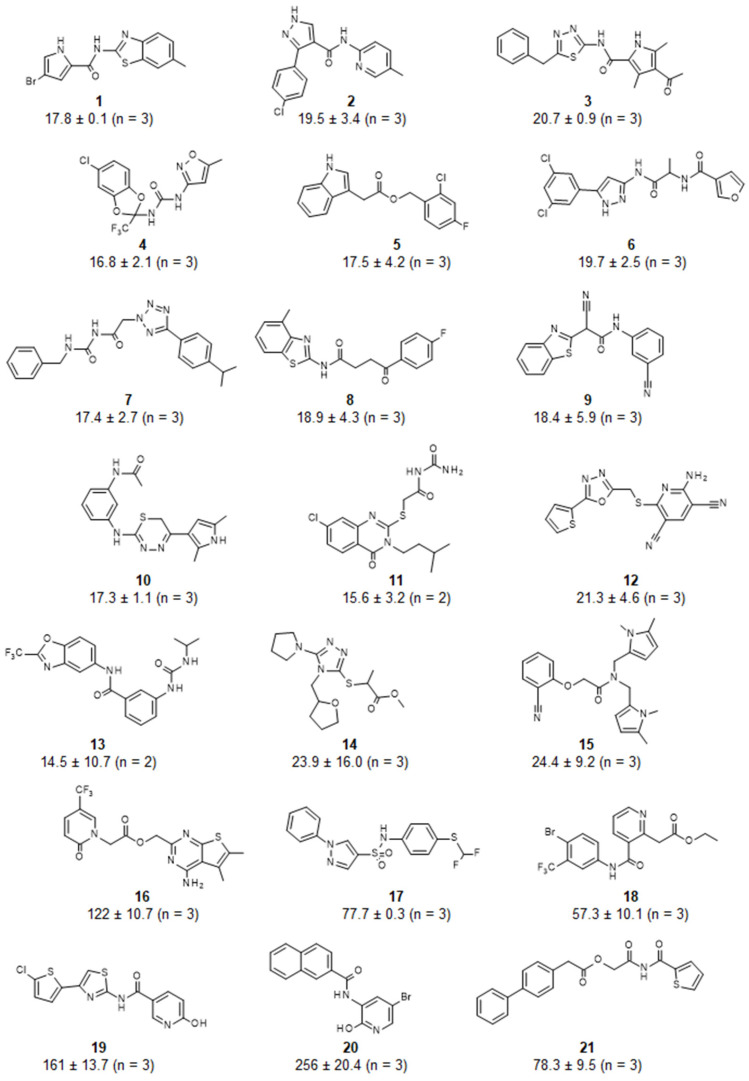 Figure 4
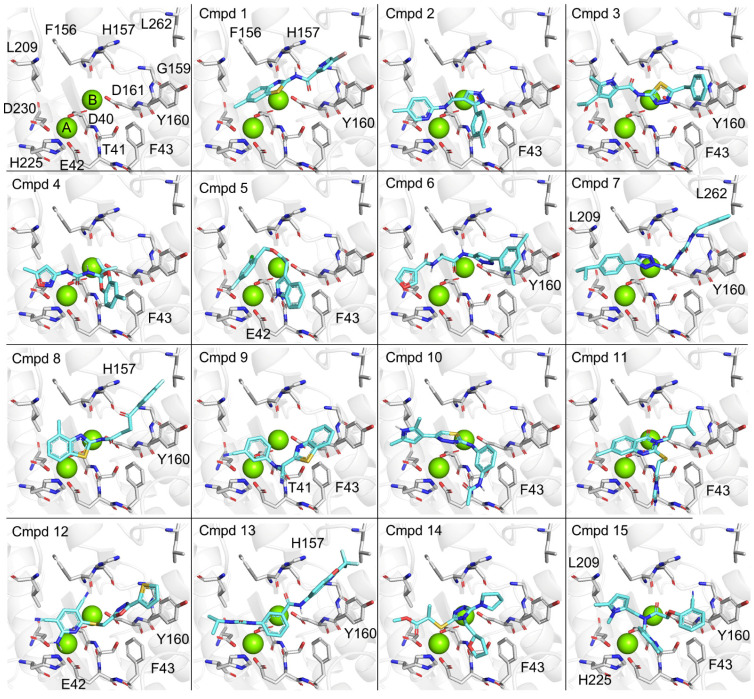 Figure 5
Peer Reviews
No public reviews on file for this paper yet. If you reviewed it on a platform where reviews are public (OpenReview, ICLR, NeurIPS, ICML), you can paste yours below so the community can read it here.
Videos
No videos yet. Explain this paper in a talk, walkthrough, or lecture? Add one.
Taxonomy
TopicsRNA Research and Splicing · DNA Repair Mechanisms · RNA and protein synthesis mechanisms