Molecular Basis of Simalikalactone D Sensitivity in Triple-Negative Breast Cancer Cells
Annelis O. Sánchez-Álvarez, Joshua Nieves-Reyes, Gabriel Borges-Vélez, Josué Pérez-Santiago, Misael Rivera-García, Stella Alicea-Ayala, Claudia Ospina-Millan, Fatima Valiyeva, Pablo E. Vivas-Mejia

TL;DR
A compound from a Puerto Rican tree shows strong anticancer effects in some triple-negative breast cancer cells by disrupting cell signaling and adhesion.
Contribution
The study identifies Simalikalactone D as a potent compound against specific triple-negative breast cancer cells and reveals its molecular mechanism of action.
Findings
SKD shows concentration-dependent anticancer activity with MDA-MB-468 cells being most sensitive.
SKD induces apoptosis and reduces cell migration by targeting intracellular signaling and integrin β1 levels.
Molecular docking shows favorable binding of SKD to EGFR and STAT4 proteins.
Abstract
Background/Objective: Triple-negative breast cancer (TNBC) is an aggressive subtype of breast cancer (BC) lacking targeted therapies and characterized by high tumor heterogeneity. In this study, we evaluated the anticancer activity and mechanistic profile of Simalikalactone D (SKD), a quassinoid compound derived from the endemic Puerto Rican tree Simarouba tulae, in three TNBC cell lines, MDA-MB-468, MDA-MB-231, and SUM-149. Methods: MDA-MB-468, MDA-MB-231 and SUM-149 TNBC cells were evaluated for cell viability, proliferation and migration following SKD treatment. Phospho-antibody array, proteomics, and Western blot analyses were used to explore the SKD mechanism of action in MDA-MB-468 and MDA-MB-231 cell lines. Molecular docking was performed to assess SKD’s interaction with potential intracellular targets. Results: SKD exerted a concentration-dependent effect on the three cell…
Genes, proteins, chemicals, diseases, species, mutations and cell lines named across the full text — each resolved to its canonical identifier and authoritative record.
Click any figure to enlarge with its caption.
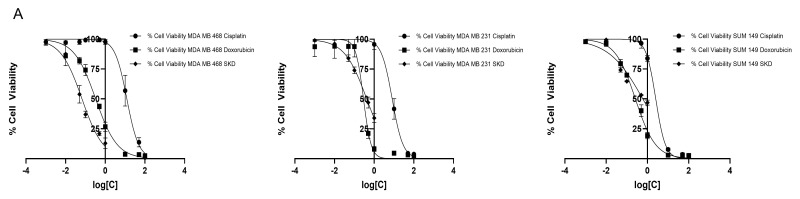 Figure 1
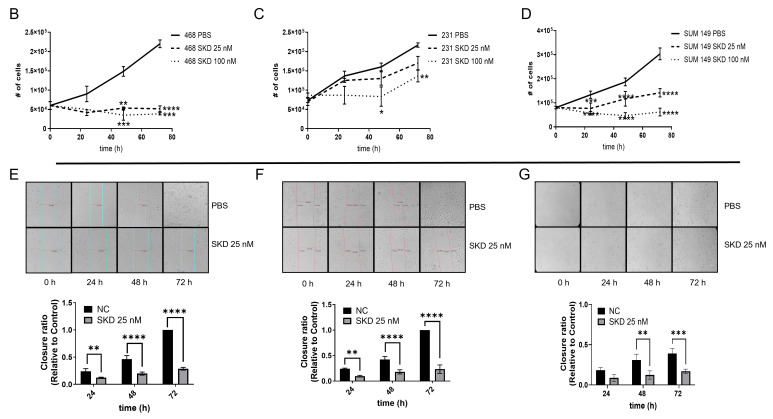 Figure 2
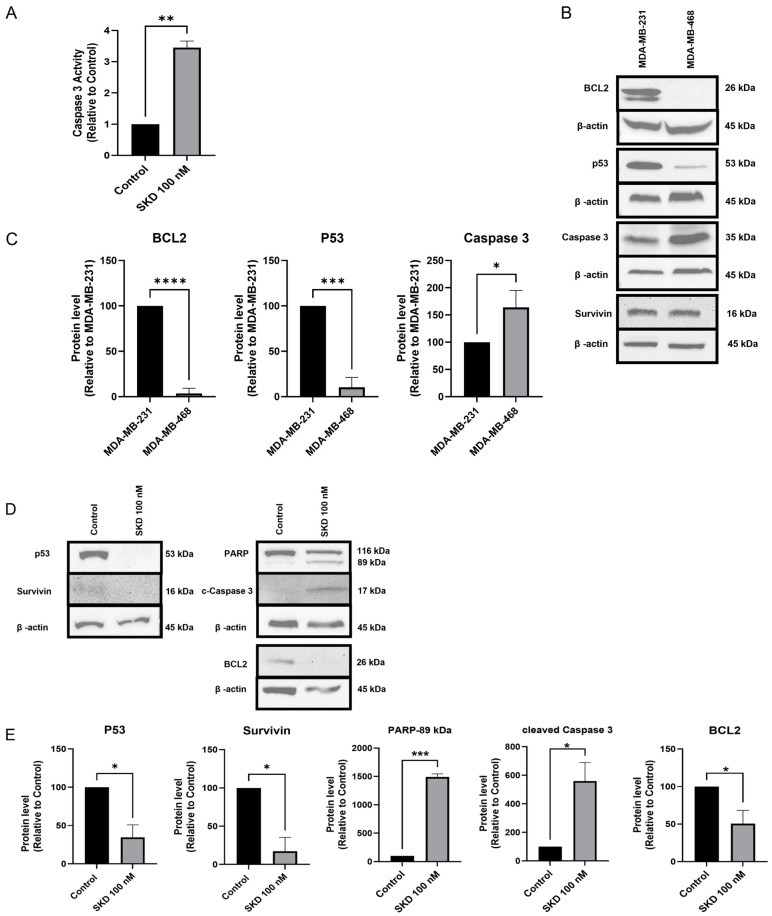 Figure 3
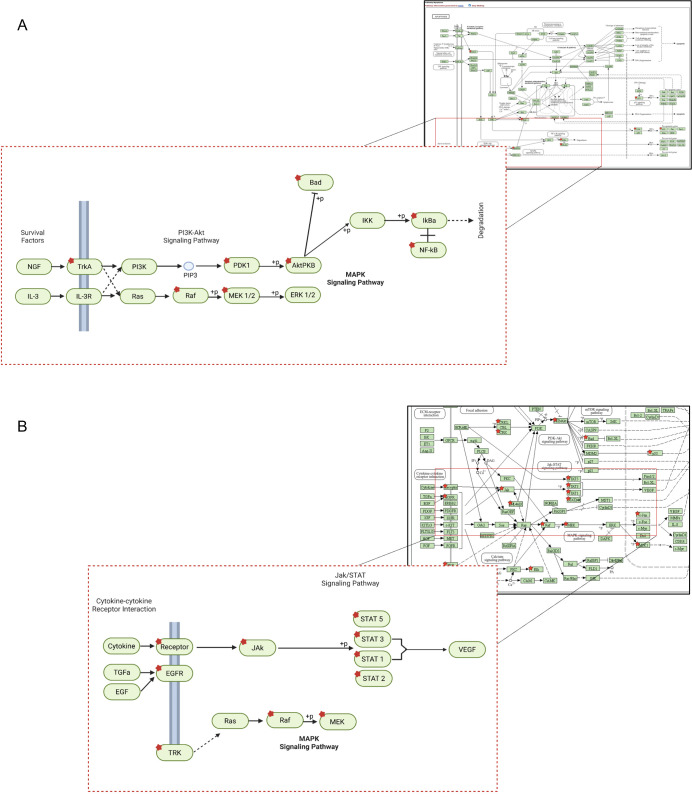 Figure 4
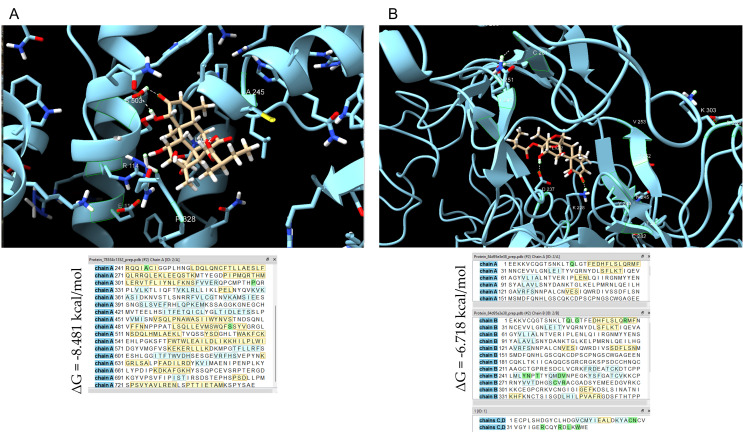 Figure 5
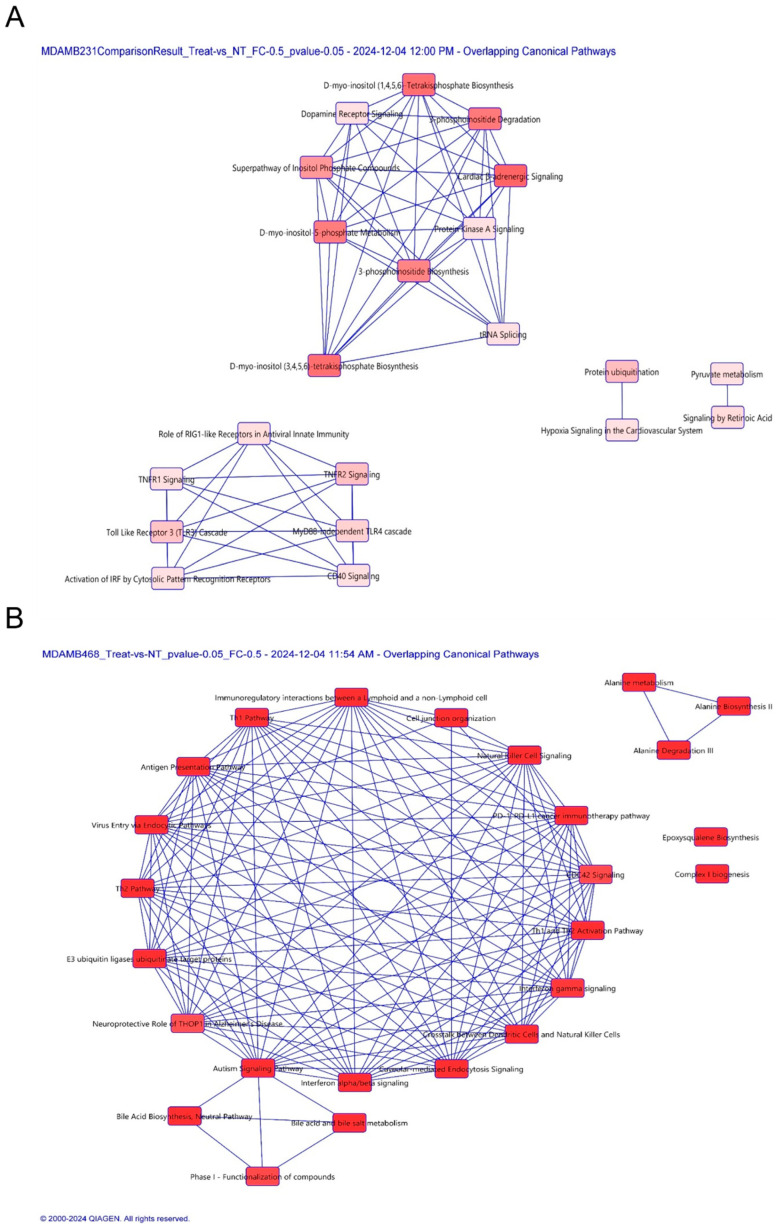 Figure 6
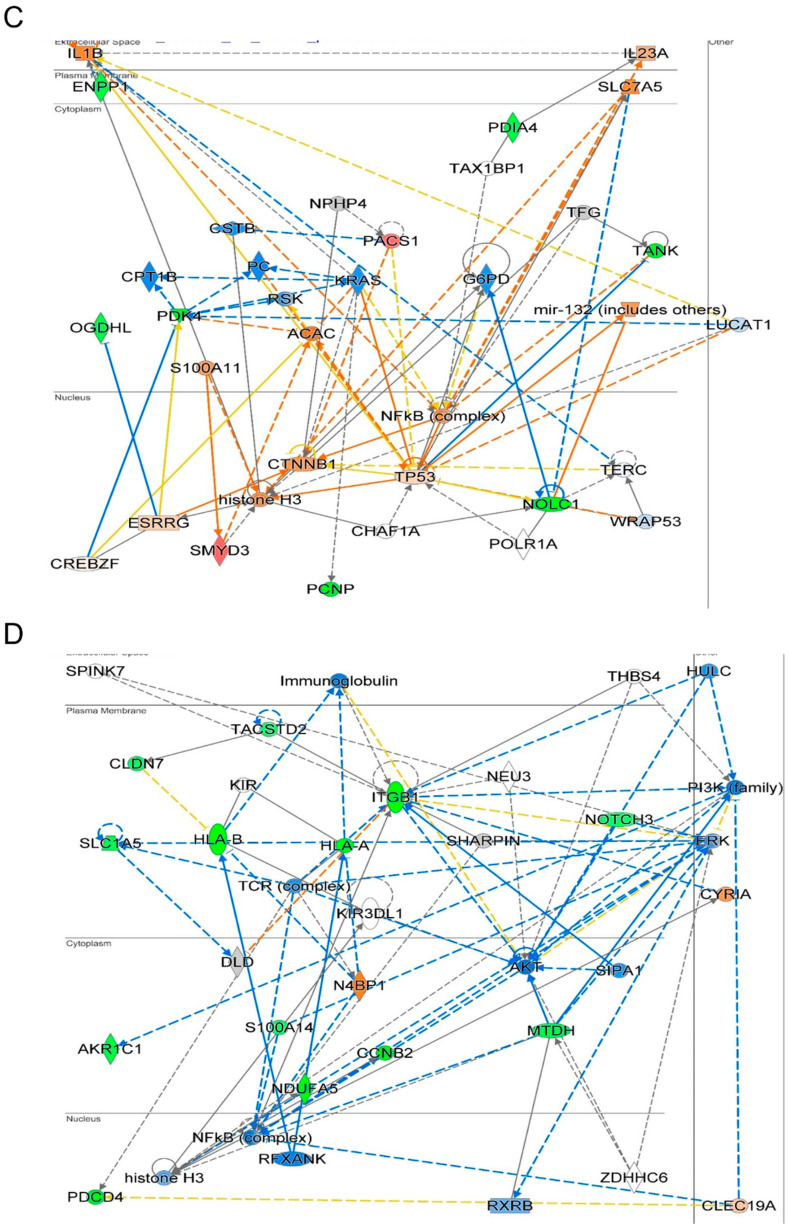 Figure 7
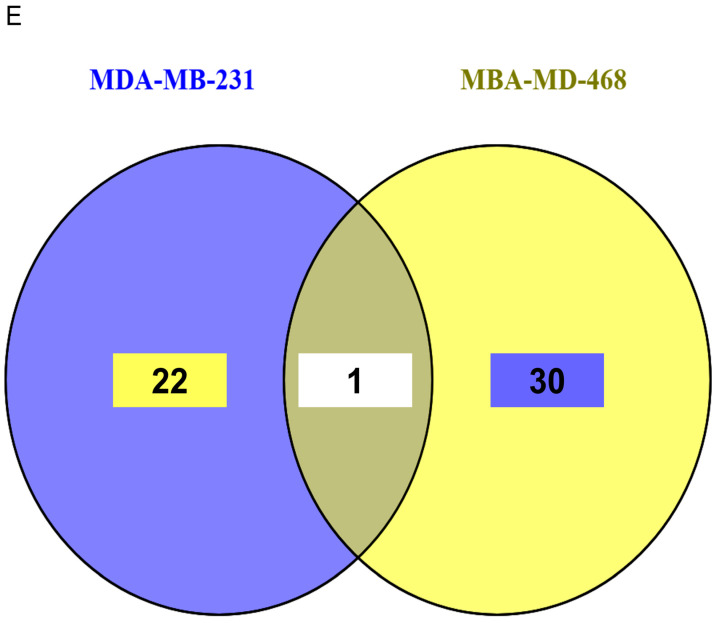 Figure 8
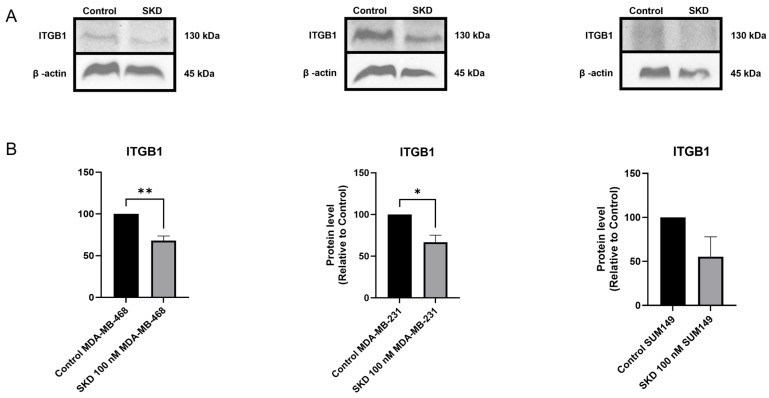 Figure 9
Peer Reviews
No public reviews on file for this paper yet. If you reviewed it on a platform where reviews are public (OpenReview, ICLR, NeurIPS, ICML), you can paste yours below so the community can read it here.
Videos
No videos yet. Explain this paper in a talk, walkthrough, or lecture? Add one.
Taxonomy
TopicsPhytochemical compounds biological activities · Histone Deacetylase Inhibitors Research · Biological Activity of Diterpenoids and Biflavonoids