miR-155-5p Silencing Does Not Alter BTLA Molecule Expression in CLL T Cells: Implications for Targeted Immunotherapy
Agata Kosmaczewska, Lidia Ciszak, Anna Andrzejczak, Anna Tomkiewicz, Anna Partyka, Zofia Rojek-Gajda, Irena Frydecka, Dariusz Wołowiec, Tomasz Wróbel, Agnieszka Bojarska-Junak, Jacek Roliński, Lidia Karabon

TL;DR
The study finds that silencing miR-155-5p does not affect BTLA levels in T cells from CLL patients, suggesting it could be a safe immunotherapy target.
Contribution
This is the first study to show that anti-miR-155-5p therapy does not alter BTLA in T cells, supporting its potential in CLL immunotherapy.
Findings
miR-155-5p silencing significantly reduced miR-155-5p levels in PBMCs of CLL patients and healthy individuals.
BTLA protein expression in T cells remained unchanged after miR-155-5p silencing in both groups.
Anti-miR-155-5p therapy may be a favorable strategy in CLL without affecting T cell BTLA expression.
Abstract
Given that we have demonstrated that miR-155-5p is increased in CLL PBMCs and that its reduction with inhibitory siRNA partially restores the immune checkpoint BTLA protein level in CLL B cells, risk stratification for using anti-miR-155-based immunotherapy in CLL seems reasonable, particularly with its potential impact on T cells. Therefore, we aimed to assess the role of miR-155-5p in the epigenetic modification of BTLA levels in CLL T cells, especially since we observed that BTLA expression unfavorably promotes increased proliferative activity and IL-4 secretion in T cells, thus suggesting BTLA malfunction in the CLL T cell subset. Transfection of PBMCs with an inhibitor of miR-155-5p (INH) led to about a ten-fold down-regulation of miR-155-5p levels compared to control siRNA (NC) both in CLL patients and healthy individuals (HC), as assessed by RT-qPCR. Additionally, we did not find…
Genes, proteins, chemicals, diseases, species, mutations and cell lines named across the full text — each resolved to its canonical identifier and authoritative record.
Click any figure to enlarge with its caption.
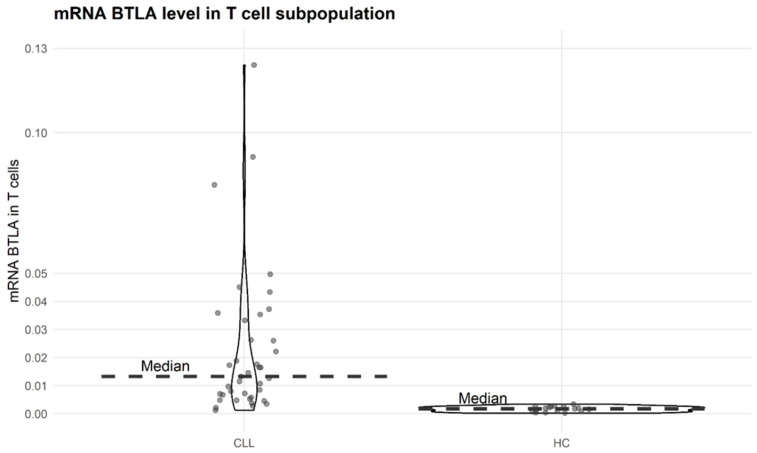 Figure 1
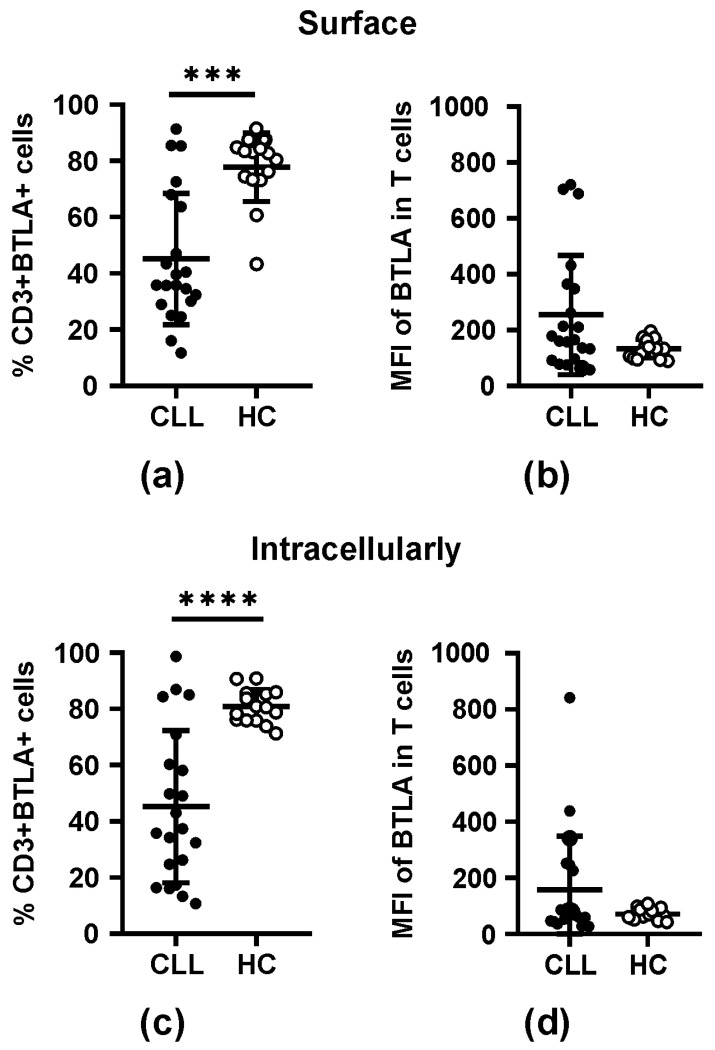 Figure 2
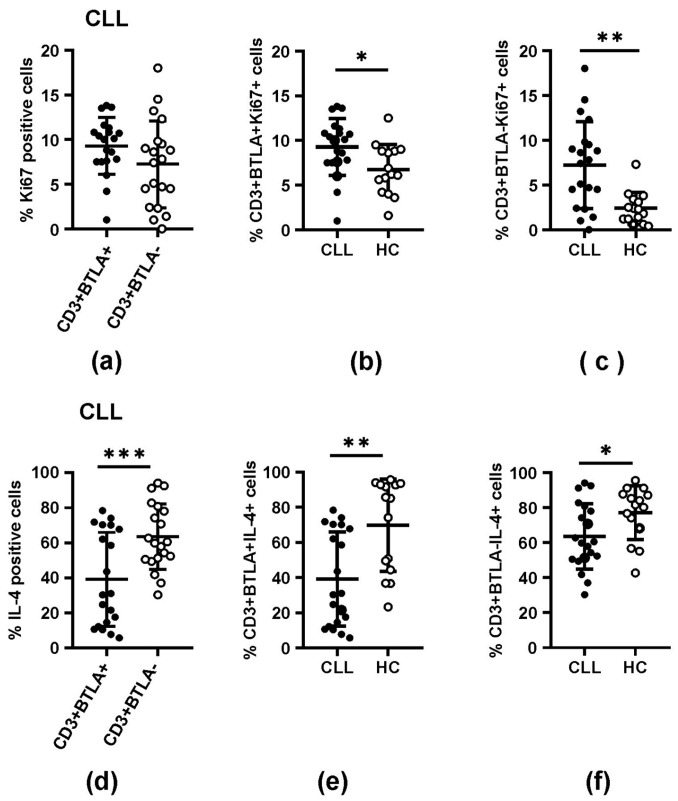 Figure 3
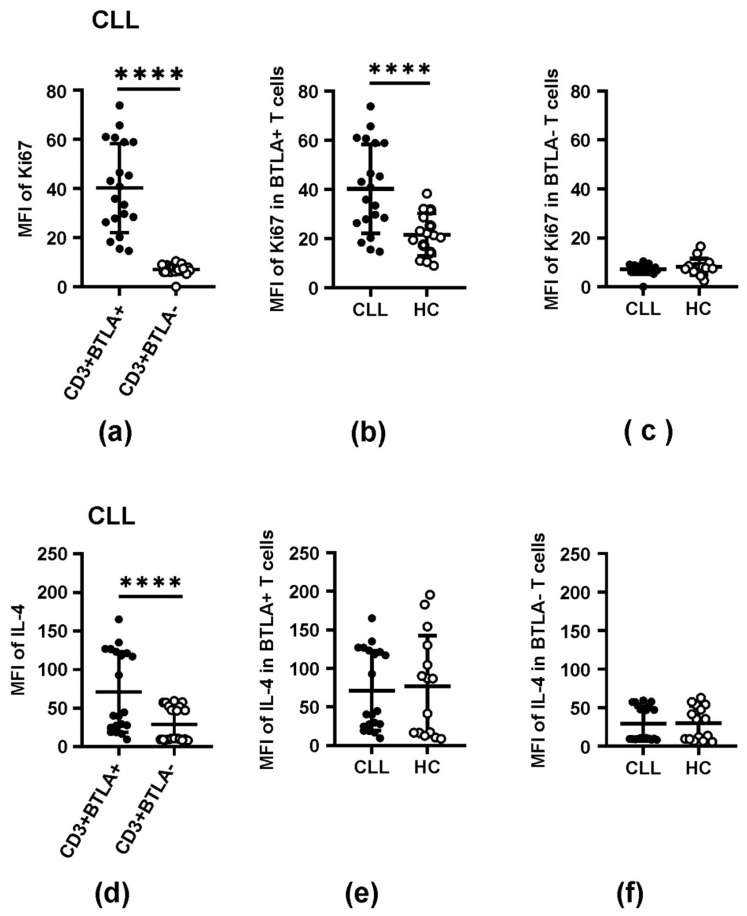 Figure 4
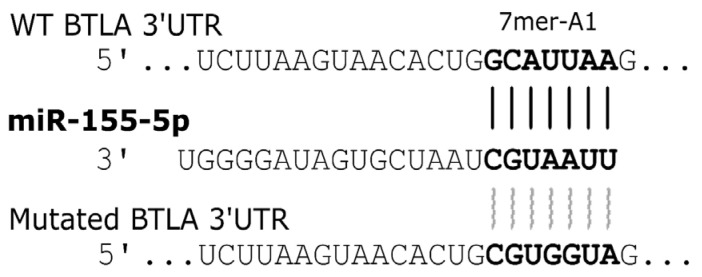 Figure 5
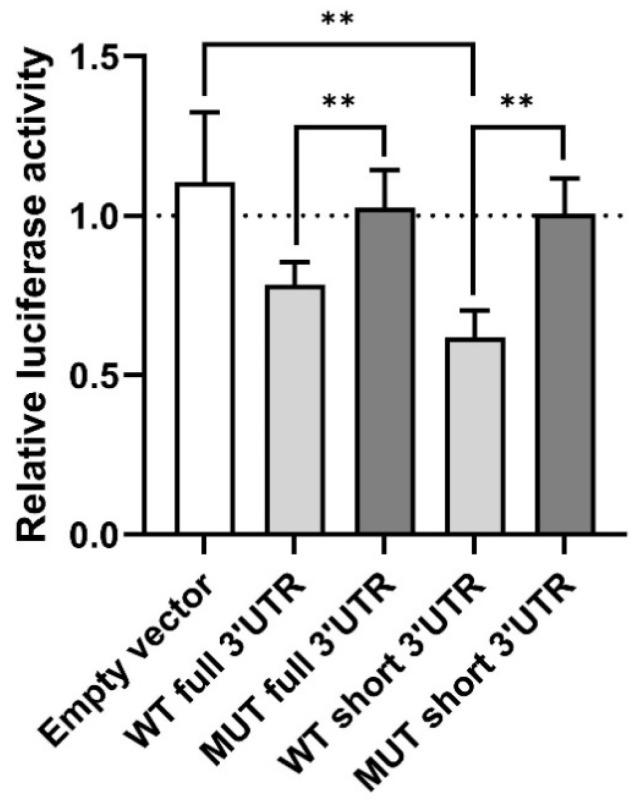 Figure 6
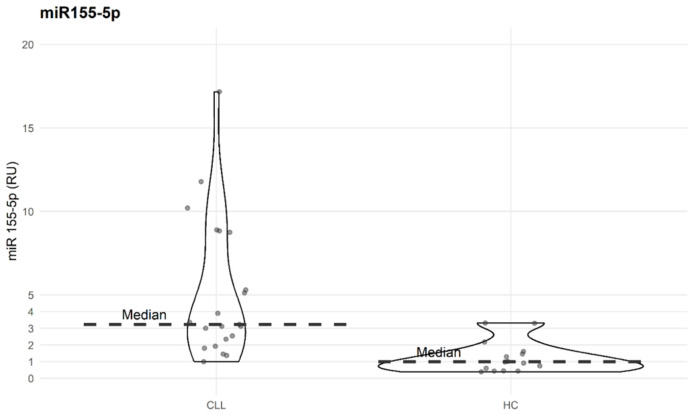 Figure 7
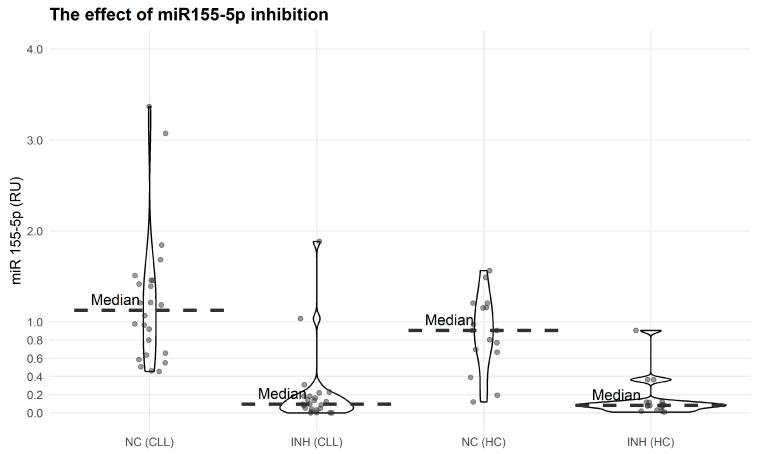 Figure 8
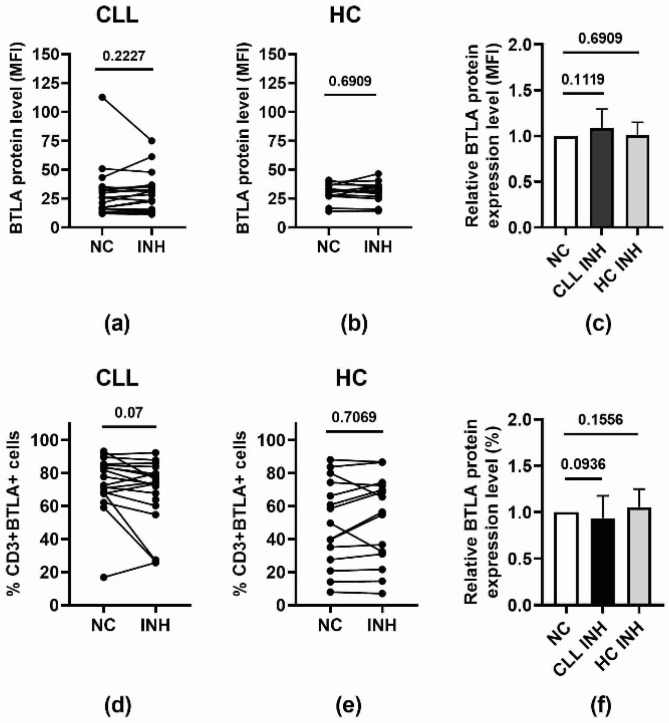 Figure 9
Peer Reviews
No public reviews on file for this paper yet. If you reviewed it on a platform where reviews are public (OpenReview, ICLR, NeurIPS, ICML), you can paste yours below so the community can read it here.
Videos
No videos yet. Explain this paper in a talk, walkthrough, or lecture? Add one.
Taxonomy
TopicsCAR-T cell therapy research · Immune Cell Function and Interaction · Chronic Lymphocytic Leukemia Research