Aphid Nymphs Experiencing Diurnal Temperature Fluctuation Alter the Toxicity of Adults Depending on the Role of the Insecticide Temperature Coefficients
Biao Liu, Bo Gao, Xu Cheng, Yun-Wei Liu, Kun Xing, Fei Zhao

TL;DR
This study shows how temperature fluctuations during aphid nymph stages affect adult insecticide sensitivity, with implications for pesticide risk assessment under climate change.
Contribution
The study introduces the role of diurnal temperature fluctuations and insecticide temperature coefficients in altering adult aphid toxicity and reproduction.
Findings
Wide temperature amplitudes reduced fecundity but increased early reproduction in adult aphids.
Insecticides mitigated or reversed the harmful effects of temperature fluctuations on aphid survival and longevity.
Insecticide temperature coefficients significantly influenced adult phenotypes under different temperature amplitudes.
Abstract
As environmental stressors, climate change and insecticides interact in intricate ways that can adversely affect the growth and reproductive success of living organisms. This study explores how temperature amplitudes experienced during the nymphal stage affect the insecticide sensitivity of the adult Sitobion avenae (Fabricius) (Hemiptera: Aphididae). Using two insecticides with opposing temperature coefficients of imidacloprid (positive) and beta-cypermethrin (negative), we found that temperature amplitude significantly altered the survival, longevity, and reproduction of the adult. Notably, both insecticides mitigated or even reversed the negative effects of wide temperature amplitudes. These findings highlight the importance of considering diurnal temperature fluctuations and insecticide temperature coefficients when assessing pesticide risks under climate change. Climate change and…
Genes, proteins, chemicals, diseases, species, mutations and cell lines named across the full text — each resolved to its canonical identifier and authoritative record.
Click any figure to enlarge with its caption.
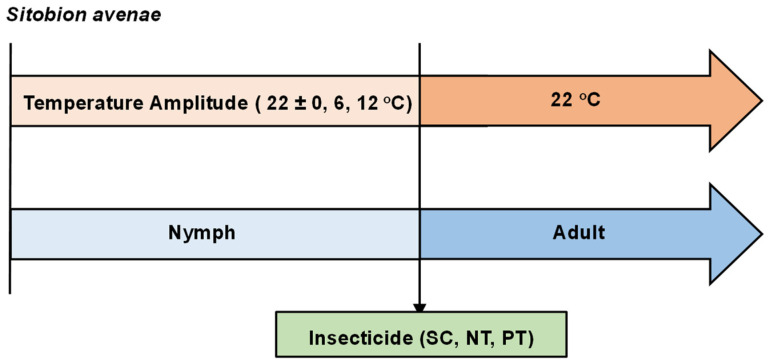 Figure 1
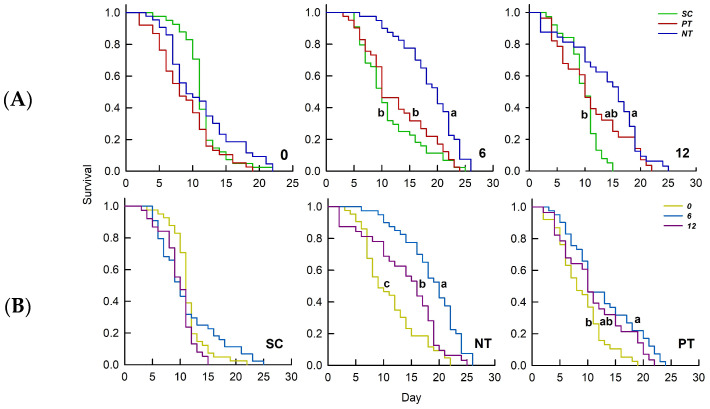 Figure 2
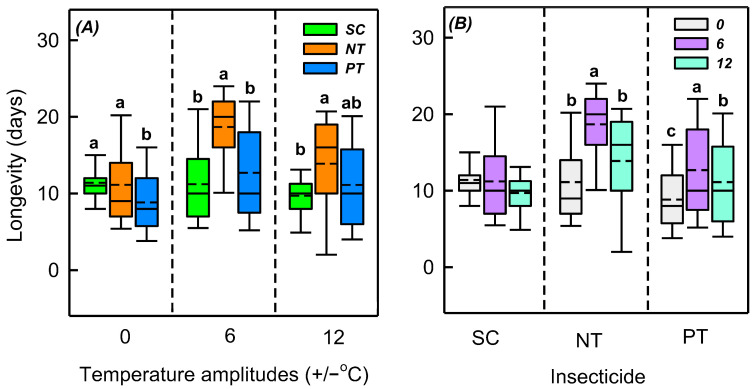 Figure 3
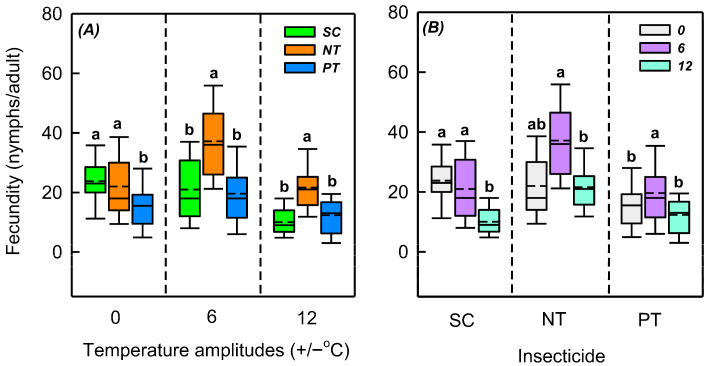 Figure 4
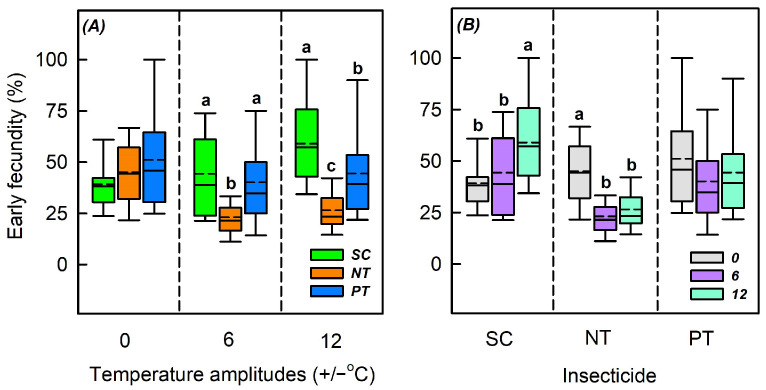 Figure 5
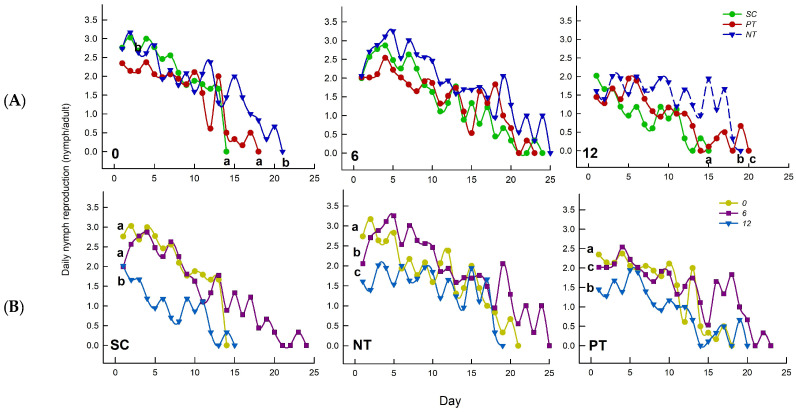 Figure 6
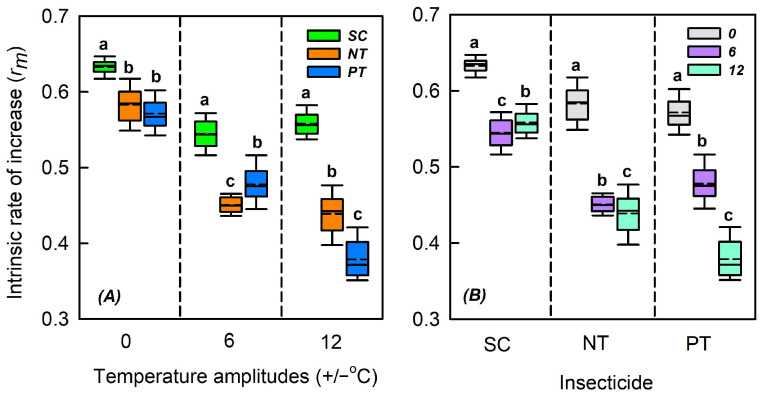 Figure 7
Peer Reviews
No public reviews on file for this paper yet. If you reviewed it on a platform where reviews are public (OpenReview, ICLR, NeurIPS, ICML), you can paste yours below so the community can read it here.
Videos
No videos yet. Explain this paper in a talk, walkthrough, or lecture? Add one.
Taxonomy
TopicsInsect and Pesticide Research · Physiological and biochemical adaptations · Insects and Parasite Interactions