Factors Released by Polarized Neutrophil-like Cells Modulate Cardiac Fibroblast Phenotype and Limit the Inflammatory Response After Myocardial Infarction
Letitia Ciortan, Ana-Maria Gan, Sergiu Cecoltan, Mihaela Serbanescu, Andreea Cristina Mihaila, Razvan Daniel Macarie, Monica Madalina Tucureanu, Miruna Larisa Naie, Mihai Bogdan Preda, Bogdan-Paul Cosman, Galyna Bila, Rostyslav Bilyy, Elena Butoi

TL;DR
This study shows that factors from different types of neutrophils can influence heart fibroblasts and reduce inflammation after a heart attack.
Contribution
The novel finding is that both pro- and anti-inflammatory neutrophil-derived factors limit inflammation and fibrosis in cardiac healing after MI.
Findings
N1 neutrophil factors induce a pro-inflammatory and matrix-degrading fibroblast phenotype in vitro.
Both SN1 and SN2 treatments reduce inflammation and fibrotic markers in the infarcted heart in vivo.
N1/N2-derived mediators promote a balanced reparative response during cardiac healing.
Abstract
Background: Following myocardial infarction (MI), cardiac fibroblasts (CFs) adopt distinct phenotypes to ensure scar formation and healing. Although leukocytes are a critical driver of post-MI healing, the role of neutrophils in modulating CF phenotype remains insufficiently explored. We therefore investigated the impact of soluble mediators released by neutrophil subtypes found post-MI—pro-inflammatory (N1) and anti-inflammatory (N2)—on shaping CFs phenotype. Methods: In vitro, human 3D grown CFs were indirectly co-cultured with N1 or N2 neutrophil-like cells using a two-chamber Transwell system. After 24 h, expression of inflammatory, remodeling, and pro-fibrotic markers was evaluated in fibroblasts and conditioned media. In vivo, soluble mediators derived from polarized mouse neutrophils (SN1 or SN2) were injected into the infarcted myocardium of C57BL/6J after MI surgery. The…
Genes, proteins, chemicals, diseases, species, mutations and cell lines named across the full text — each resolved to its canonical identifier and authoritative record.
Click any figure to enlarge with its caption.
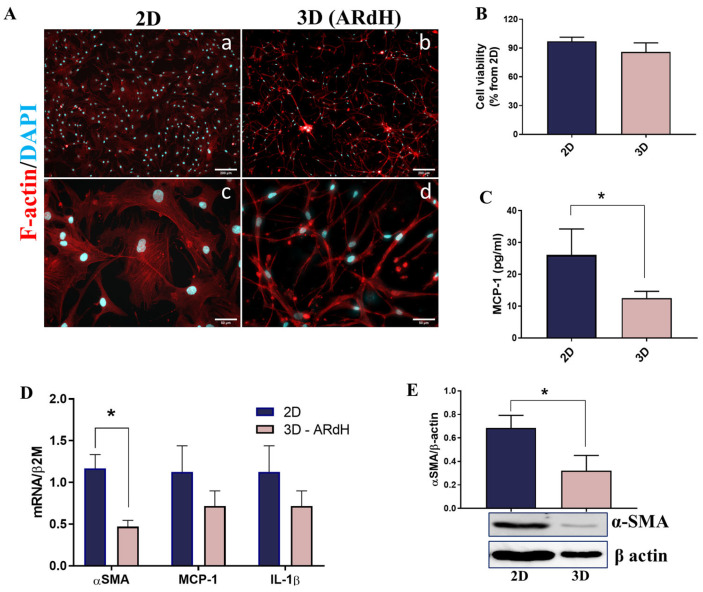 Figure 1
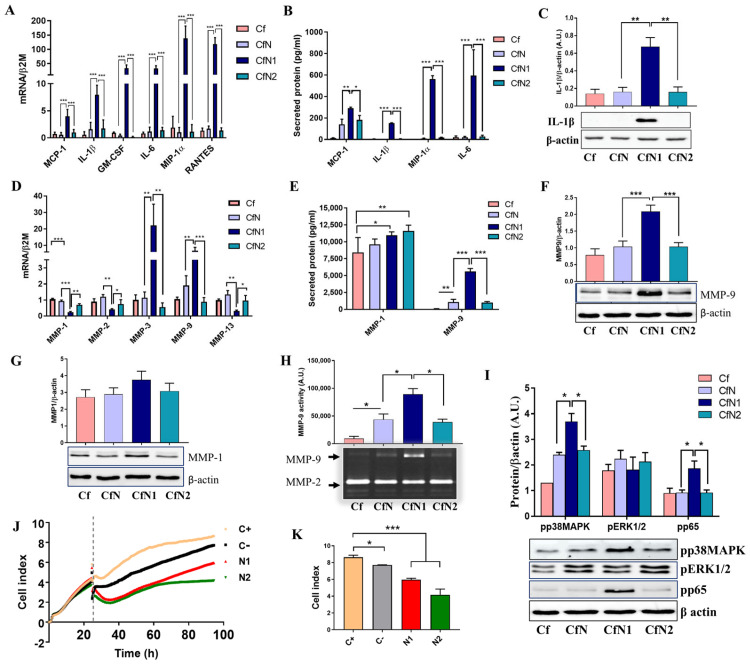 Figure 2
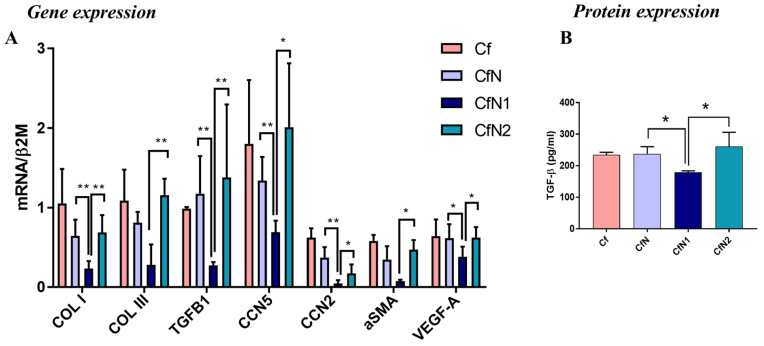 Figure 3
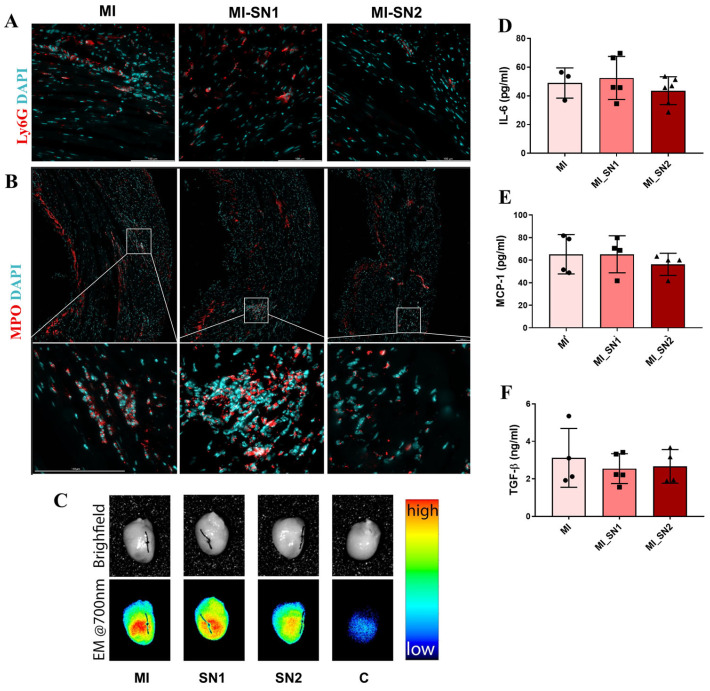 Figure 4
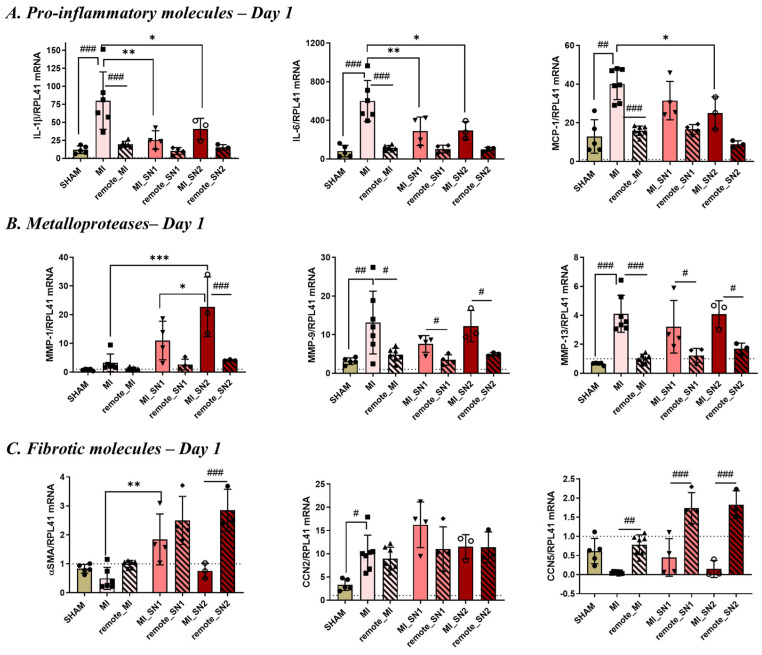 Figure 5
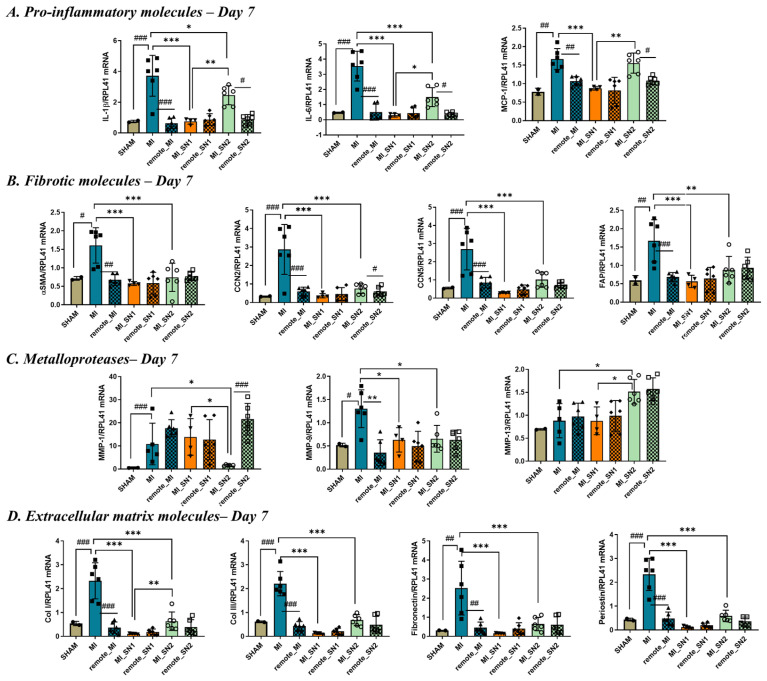 Figure 6
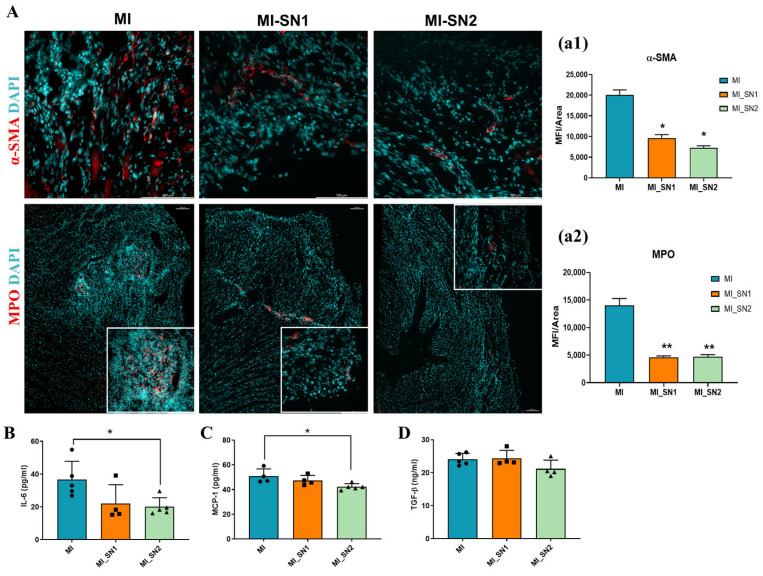 Figure 7
Peer Reviews
No public reviews on file for this paper yet. If you reviewed it on a platform where reviews are public (OpenReview, ICLR, NeurIPS, ICML), you can paste yours below so the community can read it here.
Videos
No videos yet. Explain this paper in a talk, walkthrough, or lecture? Add one.
Taxonomy
TopicsCardiac Fibrosis and Remodeling · Tissue Engineering and Regenerative Medicine · Immune cells in cancer