ACGA a Novel Biomimetic Hybrid Optimisation Algorithm Based on a HP Protein Visualizer: An Interpretable Web-Based Tool for 3D Protein Folding Based on the Hydrophobic-Polar Model
Ioan Sima, Daniela-Maria Cristea, Laszlo Barna Iantovics, Virginia Niculescu

TL;DR
This paper introduces a new genetic algorithm and a web-based tool for predicting and visualizing protein folding using a simplified hydrophobic-polar model.
Contribution
The paper introduces a novel genetic algorithm (ACGA) and a web-based HP Protein Visualizer for interpretable 3D protein folding.
Findings
The ACGA algorithm allows all conformations in the population, increasing the likelihood of finding optimal self-avoiding walk conformations.
The HP Protein Visualizer provides an interpretable and interactive tool for analyzing and optimizing protein structures.
The proposed method uses a hybrid approach combining visualization and optimization for improved protein folding simulations.
Abstract
In this study, we used the hydrophobic-polar (HP) two-dimensional square and three-dimensional cubic lattice models for the problem of protein structure prediction (PSP). This kind of lattice reduces computational time and calculations, the conformational space from 9n to 3n−2 for the 2D square lattice and 5n−2 for the 3D cubic lattice. Even within this context, it remains challenging for genetic algorithms or other metaheuristics to identify the optimal solutions. The contributions of the paper consist of: (1) implementation of a high-performing novel genetic algorithm (GA); instead of considering only the self-avoiding walk (SAW) conformations approached in other work, we decided to allow any conformation to appear in the population at all stages of the proposed all conformations biomimetic genetic algorithm (ACGA). This increases the probability of achieving good conformations (self…
Genes, proteins, chemicals, diseases, species, mutations and cell lines named across the full text — each resolved to its canonical identifier and authoritative record.
Click any figure to enlarge with its caption.
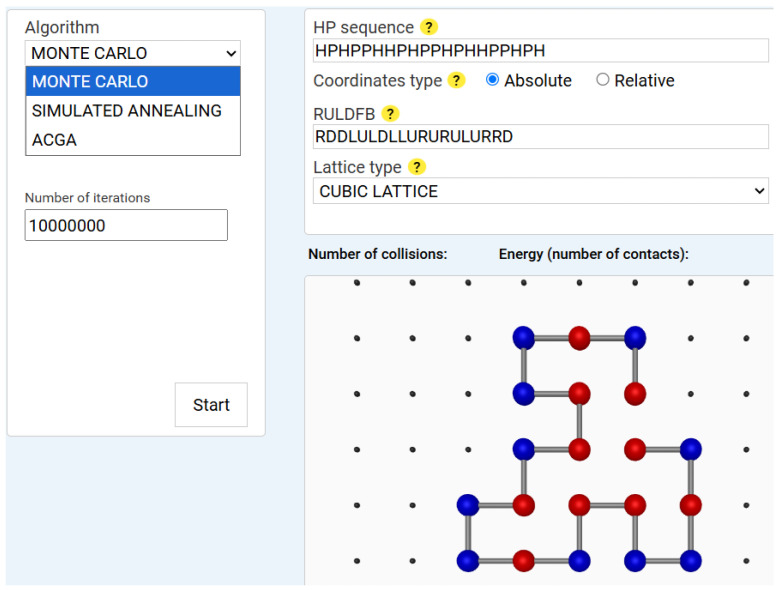 Figure 1
 Figure 2
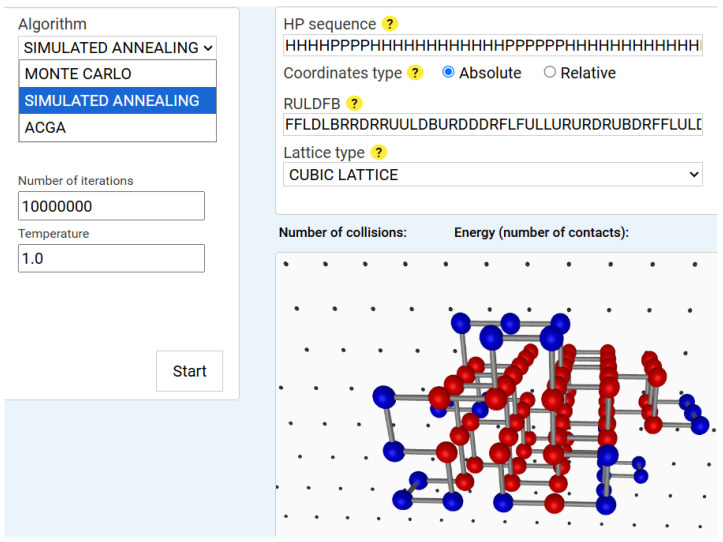 Figure 3
 Figure 4
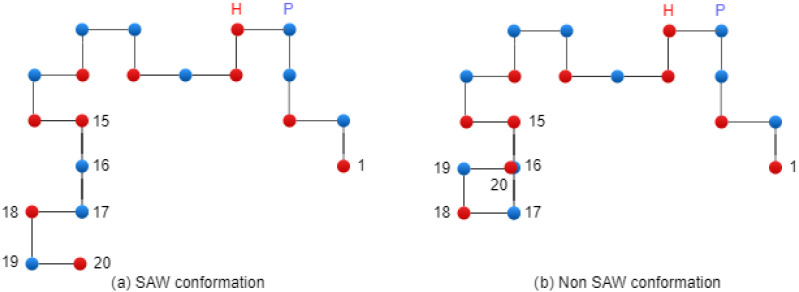 Figure 5
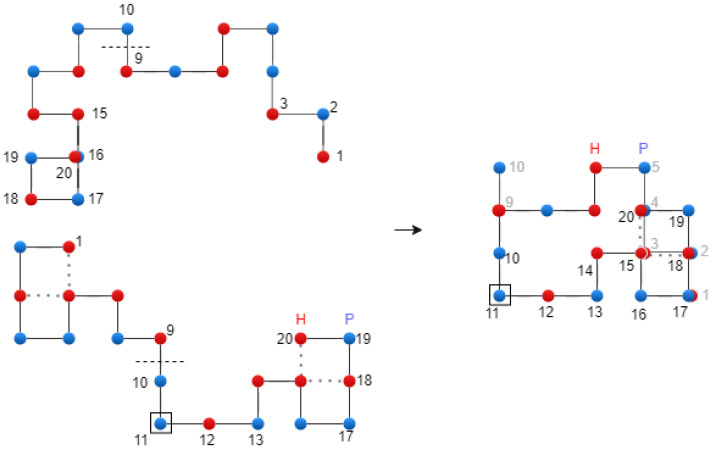 Figure 6
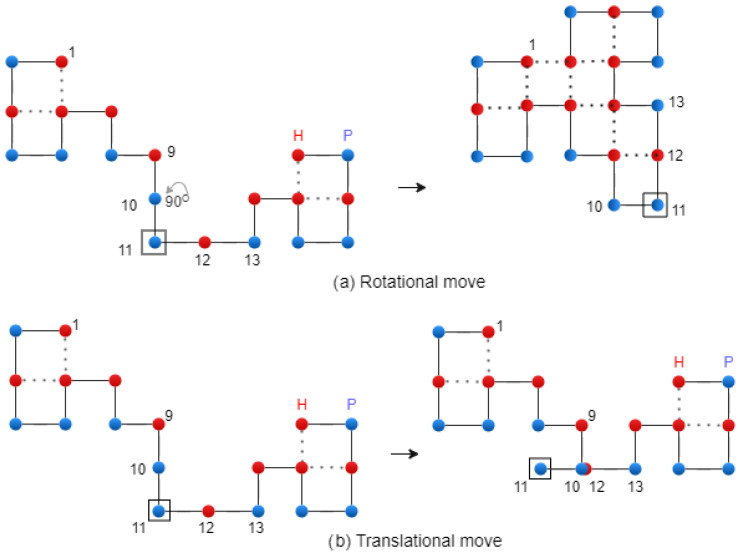 Figure 7
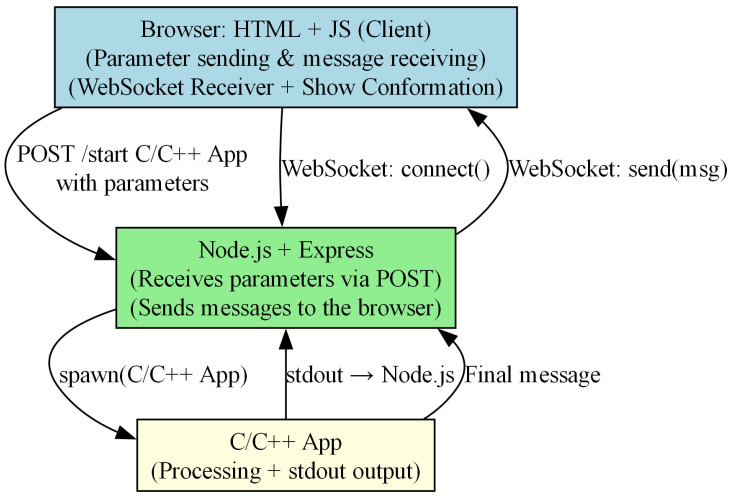 Figure 8
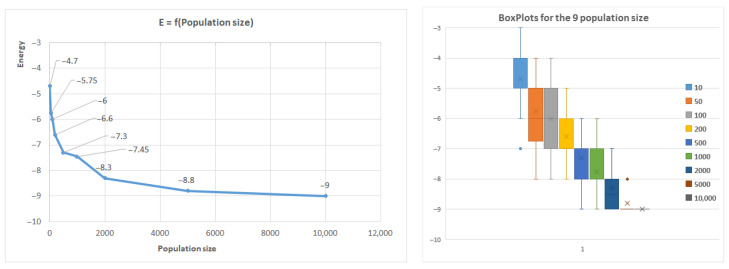 Figure 9
Peer Reviews
No public reviews on file for this paper yet. If you reviewed it on a platform where reviews are public (OpenReview, ICLR, NeurIPS, ICML), you can paste yours below so the community can read it here.
Videos
No videos yet. Explain this paper in a talk, walkthrough, or lecture? Add one.
Taxonomy
TopicsProtein Structure and Dynamics · Machine Learning in Bioinformatics · Chemical Synthesis and Analysis