The Genetic and Embryo–Fetal Developmental Toxicity Profile of the Novel Transgelin Agonist Deg-AZM: Ames, Micronucleus, Chromosomal Aberration, and Rat EFD Studies
Xiaoting Gu, Ying Xu, Nannan Liu, Keran Li, Xiaoting Wang, Jia Zhang, Xiaoting Zhang, Yanjie Ding, Xiaohe Li, Honggang Zhou, Xiaoyu Ai, Cheng Yang

TL;DR
A new drug for constipation, Deg-AZM, was tested and found to be safe in terms of genetic and fetal development risks.
Contribution
Deg-AZM's safety profile is established through genetic and developmental toxicity studies, supporting its clinical use.
Findings
Deg-AZM showed no mutagenic or clastogenic effects in genetic toxicity tests.
No maternal or fetal toxicity was observed at doses up to 600 mg/kg in rat studies.
Deg-AZM has a favorable safety profile for potential use in treating slow-transit constipation.
Abstract
Background: Slow-transit constipation (STC) lacks durable and safe prokinetics. Deglycosylated-azithromycin (Deg-AZM), a novel small-molecule transgelin agonist that restores colonic motility in STC, has been approved for clinical trials in 2024. Objectives: This study aimed to assess the genetic toxicity and embryo–fetal development (EFD) toxicity of Deg-AZM through a series of standardized non-clinical safety studies. Methods: We conducted Ames, in vivo micronucleus, and chromosomal aberration tests to evaluate genotoxicity. Acute and 28-day repeated-dose oral toxicity studies were performed in Sprague-Dawley rats. EFD toxicity was assessed in pregnant rats administered Deg-AZM from gestation day (GD) 6 to 15. Toxicokinetic analyses were integrated into repeated-dose and EFD studies. Results: Deg-AZM demonstrated no mutagenic potential in the bacterial reverse-mutation assay at…
Genes, proteins, chemicals, diseases, species, mutations and cell lines named across the full text — each resolved to its canonical identifier and authoritative record.
Click any figure to enlarge with its caption.
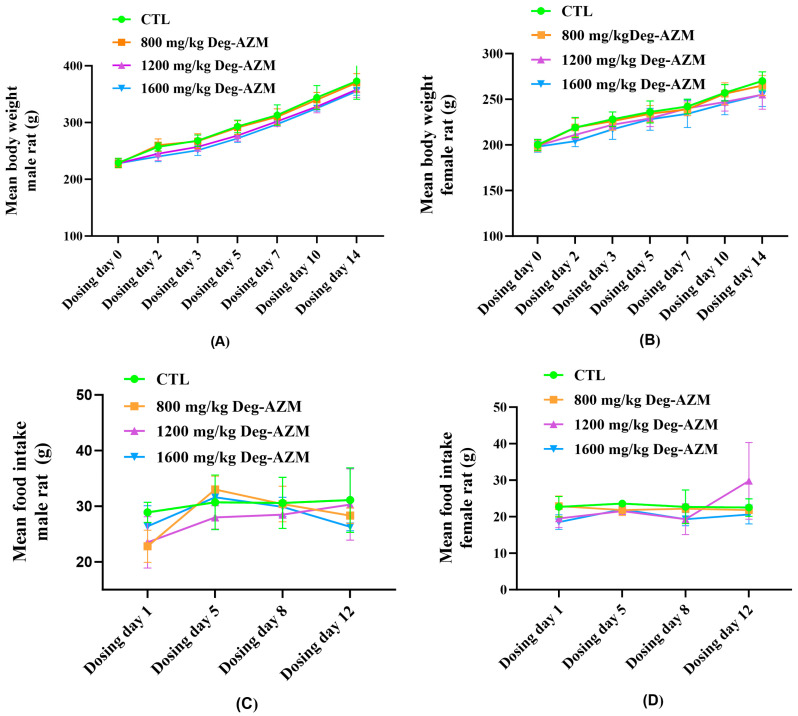 Figure 1
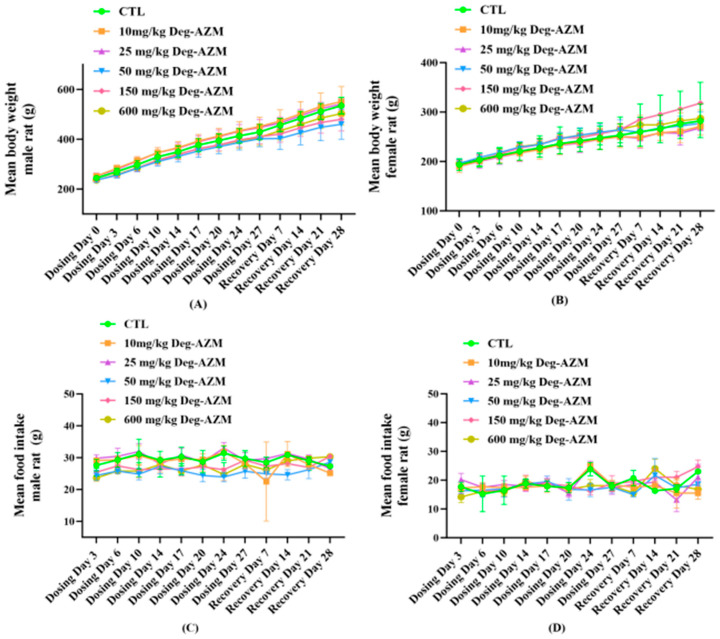 Figure 2
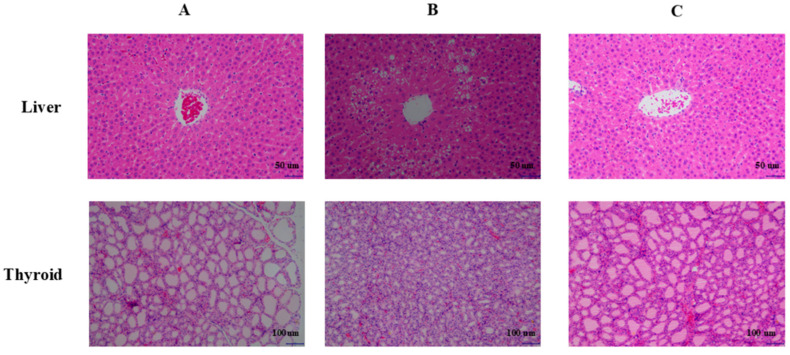 Figure 3
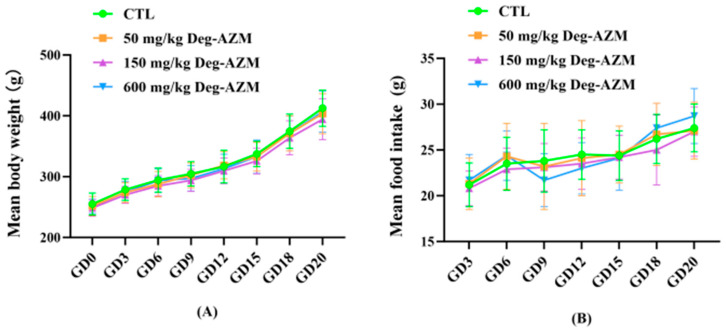 Figure 4
Peer Reviews
No public reviews on file for this paper yet. If you reviewed it on a platform where reviews are public (OpenReview, ICLR, NeurIPS, ICML), you can paste yours below so the community can read it here.
Videos
No videos yet. Explain this paper in a talk, walkthrough, or lecture? Add one.
Taxonomy
TopicsDNA and Nucleic Acid Chemistry · DNA Repair Mechanisms · Acute Lymphoblastic Leukemia research