Evidence of Bacterial Co-Infection in Endangered Yangtze Sturgeon (Acipenser dabryanus)
Senyue Liu, Yang Feng, Zhipeng Huang, Chengyan Mou, Qiang Li, Yongqiang Deng

TL;DR
A 2024 study found that bacterial co-infections, linked to high temperatures, caused mass deaths in critically endangered Yangtze sturgeon, highlighting the need for new prevention strategies.
Contribution
This is the first evidence of polymicrobial infection in Yangtze sturgeon, shifting focus from single-pathogen to multi-pathogen disease management.
Findings
Four bacterial pathogens (Streptococcus iniae, Klebsiella pneumoniae, Edwardsiella tarda, and Bacillus cereus) were identified in the sturgeon's lesions.
The bacteria showed resistance to commonly used antibiotics like florfenicol, tetracycline, and ampicillin.
High temperature and humidity stress were linked to triggering the bacterial co-infection.
Abstract
In 2024 summer, the endangered Yangtze sturgeon in China suffered large-scale deaths, which was an urgent problem to solve. This study aimed to identify the cause of the disease and provide a basis for protecting the Yangtze sturgeon and preventing such diseases. The findings revealed that the bacterial co-infection (Streptococcus iniae, Klebsiella pneumoniae, Edwardsiella tarda, and Bacillus cereus) triggered by high temperature and high humidity environmental stress was closely related to this large-scale death event. And these bacteria all exhibited resistance to commonly used antibiotics in aquaculture. This was the first time multiple bacterial co-infection was found in Yangtze sturgeon, so protection should shift from focusing on a single bacterium to multiple ones, and ecological prevention measures are needed. These findings help protect this rare species, guide disease…
Genes, proteins, chemicals, diseases, species, mutations and cell lines named across the full text — each resolved to its canonical identifier and authoritative record.
Click any figure to enlarge with its caption.
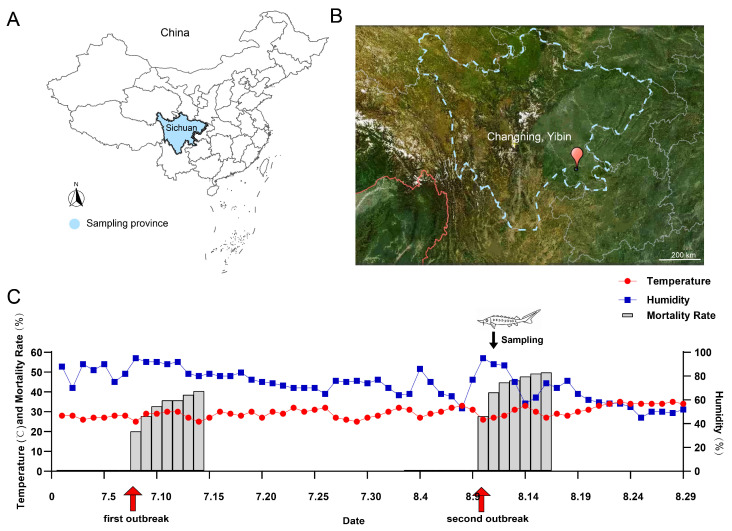 Figure 1
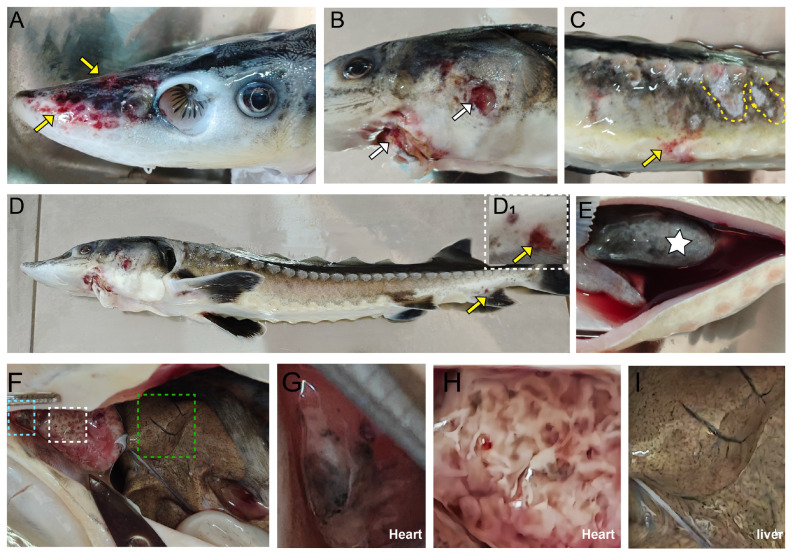 Figure 2
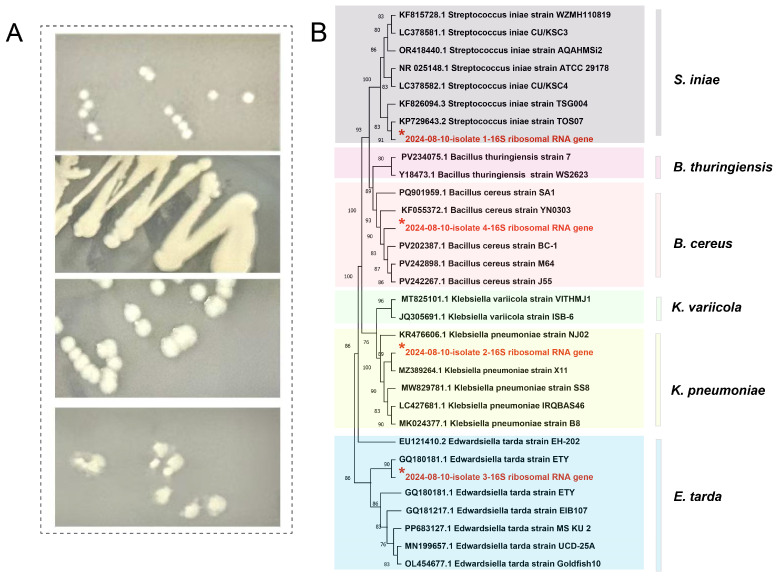 Figure 3
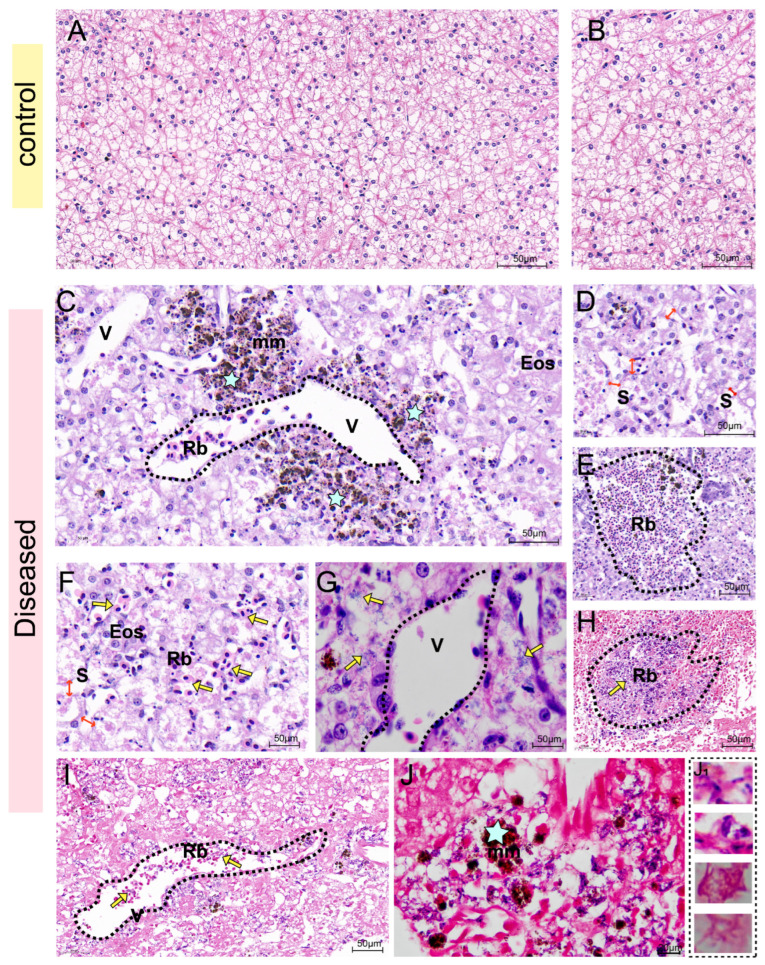 Figure 4
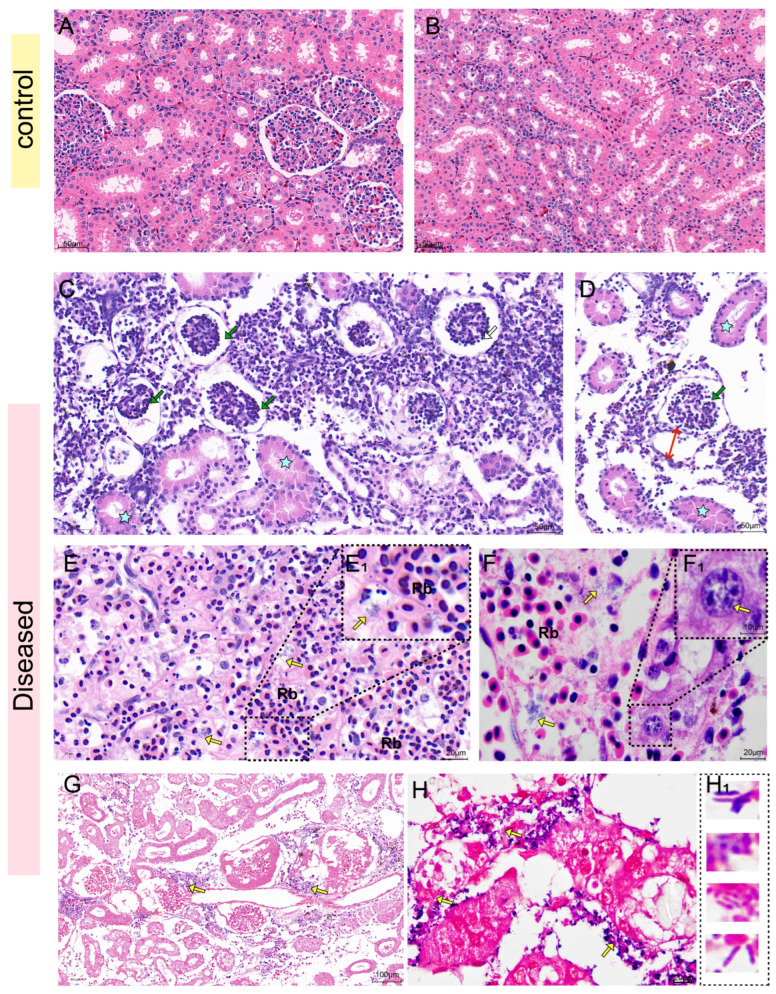 Figure 5
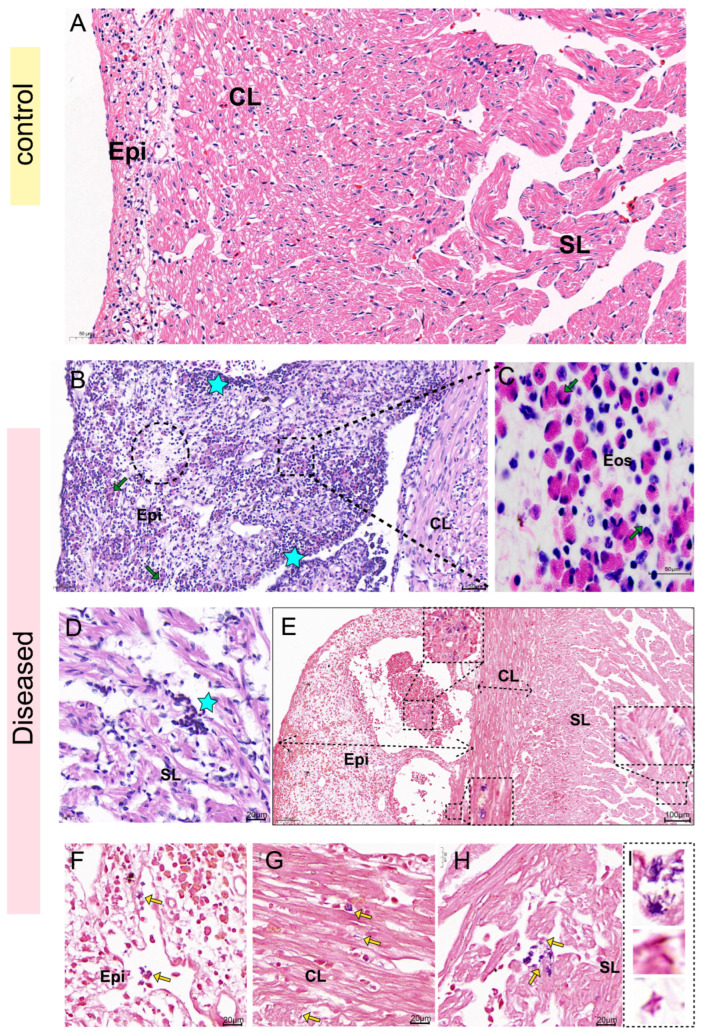 Figure 6
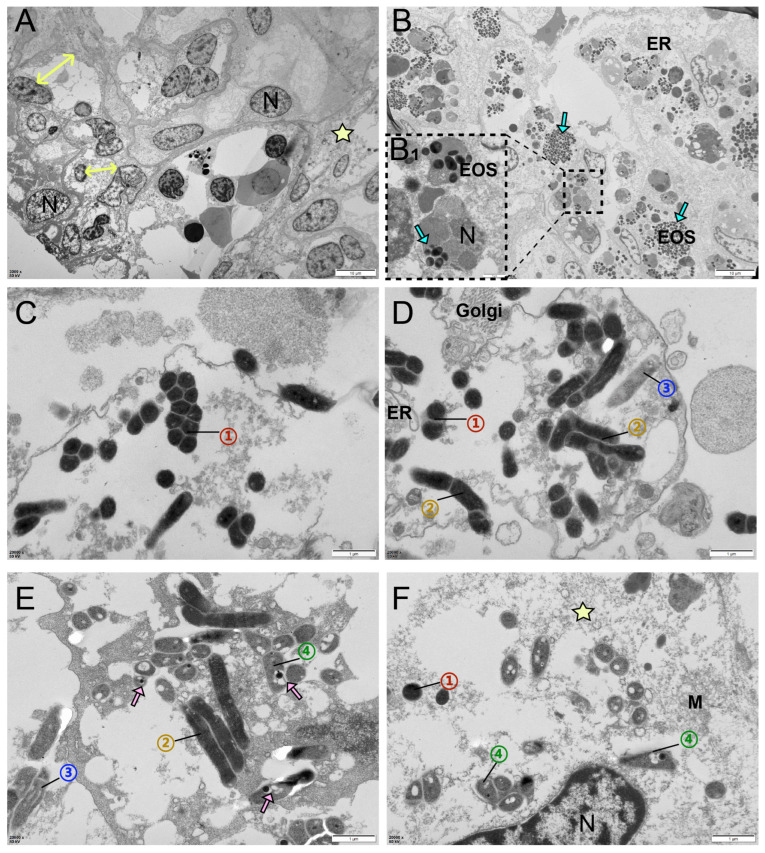 Figure 7
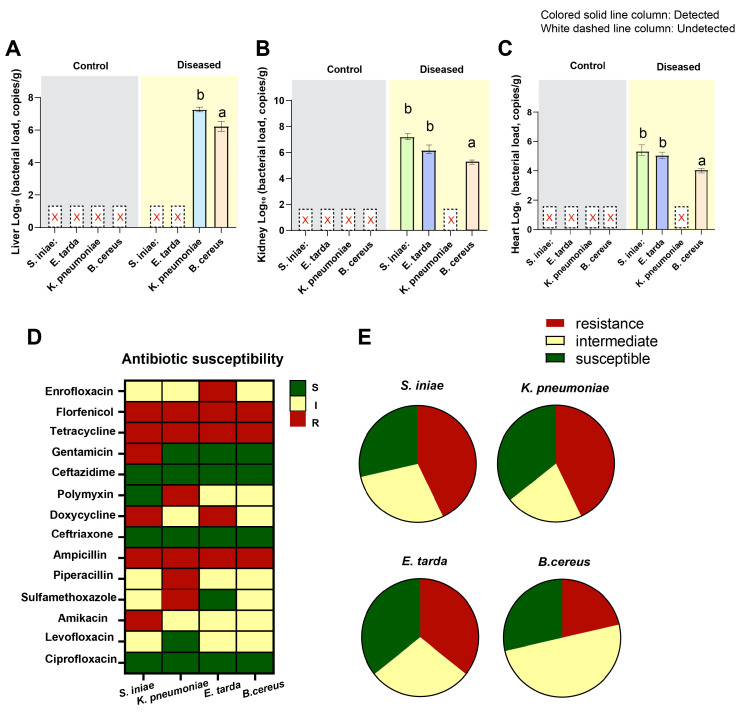 Figure 8
Peer Reviews
No public reviews on file for this paper yet. If you reviewed it on a platform where reviews are public (OpenReview, ICLR, NeurIPS, ICML), you can paste yours below so the community can read it here.
Videos
No videos yet. Explain this paper in a talk, walkthrough, or lecture? Add one.
Taxonomy
TopicsAquaculture disease management and microbiota · Myxozoan Parasites in Aquatic Species · Parasite Biology and Host Interactions