Pan-Mitogenome Construction, Intraspecific Variation, and Adaptive Evolution of the Plant Pathogenic Fungus Claviceps purpurea
Mingliang Ding, Rui Hu, Jinlong Jia, Cuiyuan Wei, Yongzhen Cui, Hefa Liao, Zhuliang Yang, Jianwei Guo, Zhanhong Ma, Yuanbing Wang

TL;DR
This study analyzes the mitochondrial genomes of 15 Claviceps purpurea strains to understand their genetic variation and evolutionary patterns.
Contribution
The study reveals the pan-mitogenome structure and adaptive gene loss in Claviceps purpurea, offering new insights into its evolution.
Findings
Accessory regions contribute significantly to mitogenome variation in C. purpurea.
The atp9 gene is absent in all strains, indicating potential adaptive gene loss.
Chinese and non-Chinese isolates form distinct phylogenetic lineages.
Abstract
Fungi of the genus Claviceps produce ergot alkaloids, a group of compounds with both 23 toxic and medicinal properties. Despite its significance in agriculture and medicine, little 24 is known about its mitochondrial genome. This study assembled, annotated, and analyzed 25 the mitochondrial genomes of 15 different strains from diverse host plants and regions. 26 Analysis of the C. purpurea pan-mitogenome demonstrated that the accessory regions, 27 with an average proportion of 48.23%, are the main contributor to mitogenome variation. 28 Analysis of the 14 protein-coding genes revealed Ka/Ks ratios below 1, indicating strong 29 purifying selection. Notably, the atp9 gene was absent in all strains, suggesting a potential 30 adaptive gene loss. Structural variations were predominantly located in the intergenic region 31 between rns and rnl. Phylogenetic analysis based on concatenated…
Genes, proteins, chemicals, diseases, species, mutations and cell lines named across the full text — each resolved to its canonical identifier and authoritative record.
Click any figure to enlarge with its caption.
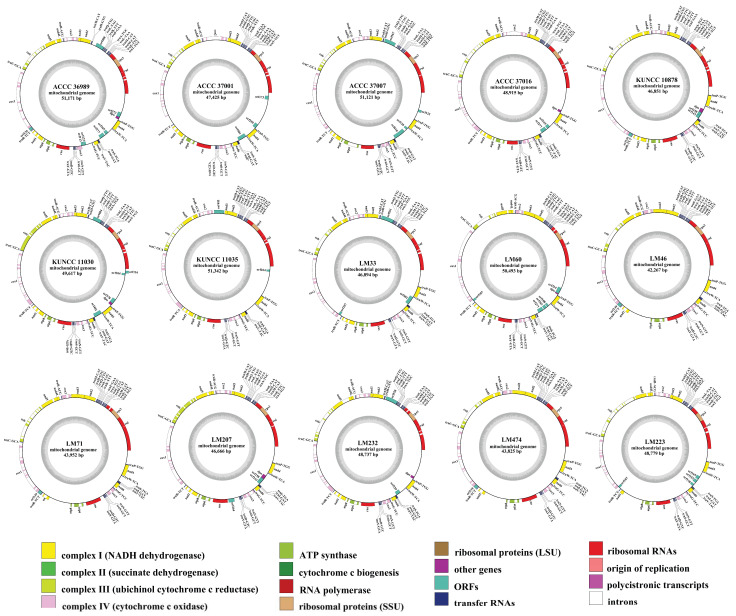 Figure 1
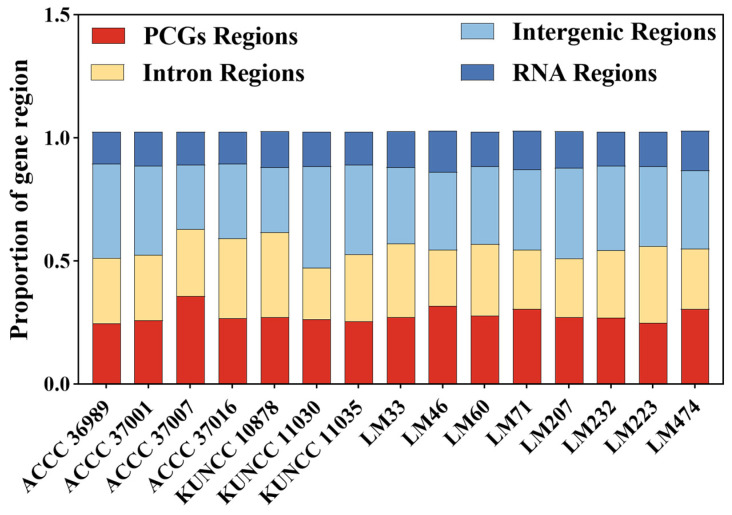 Figure 2
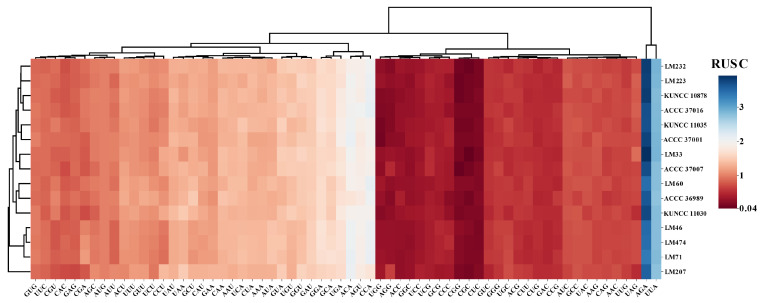 Figure 3
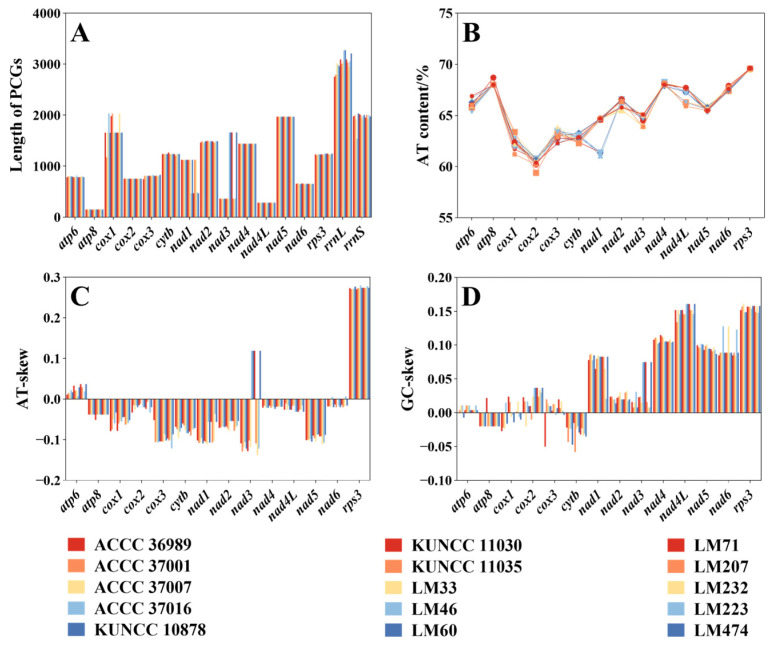 Figure 4
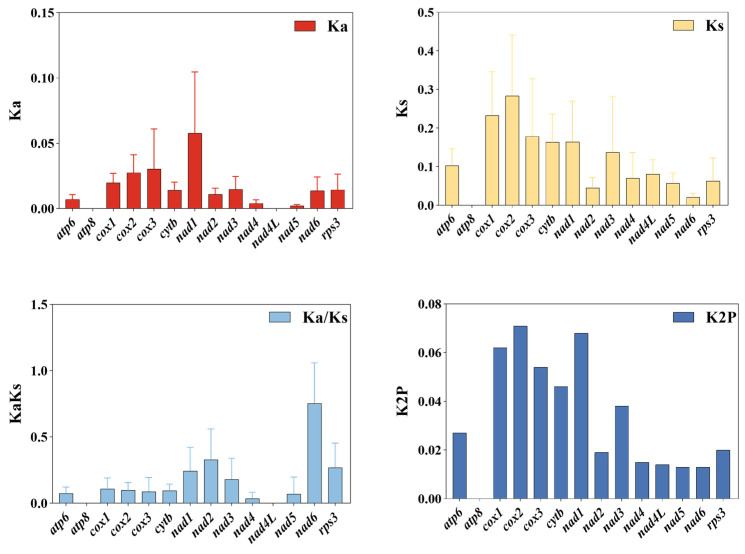 Figure 5
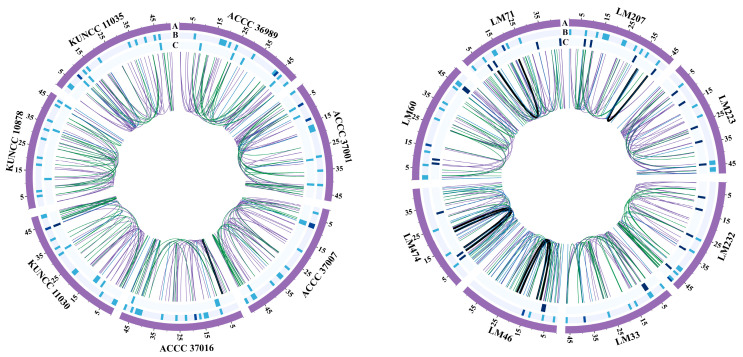 Figure 6
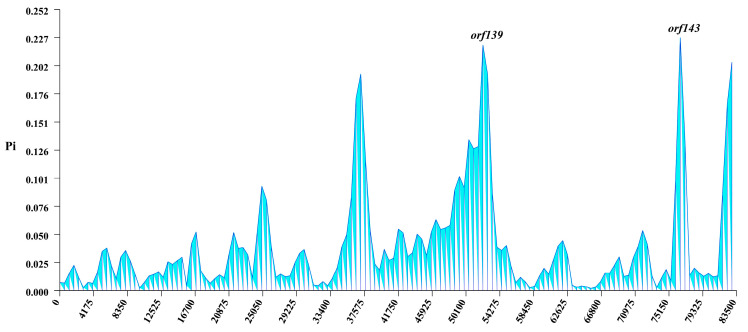 Figure 7
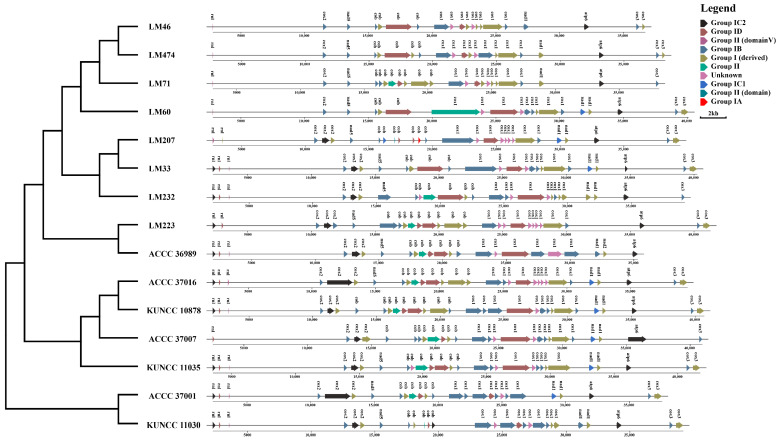 Figure 8
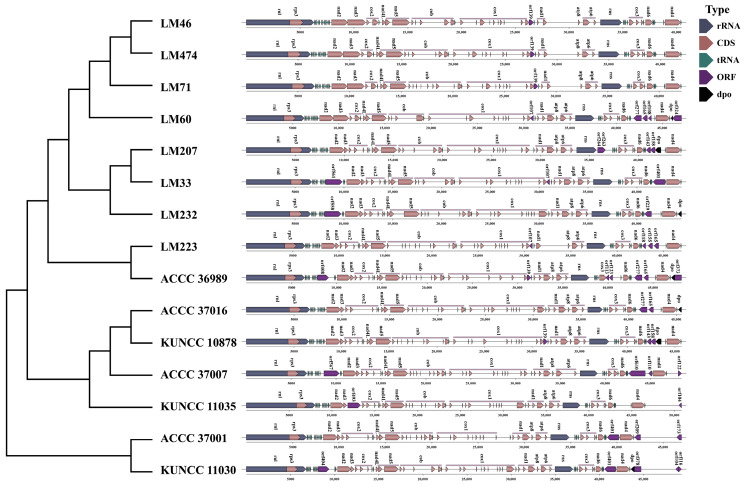 Figure 9
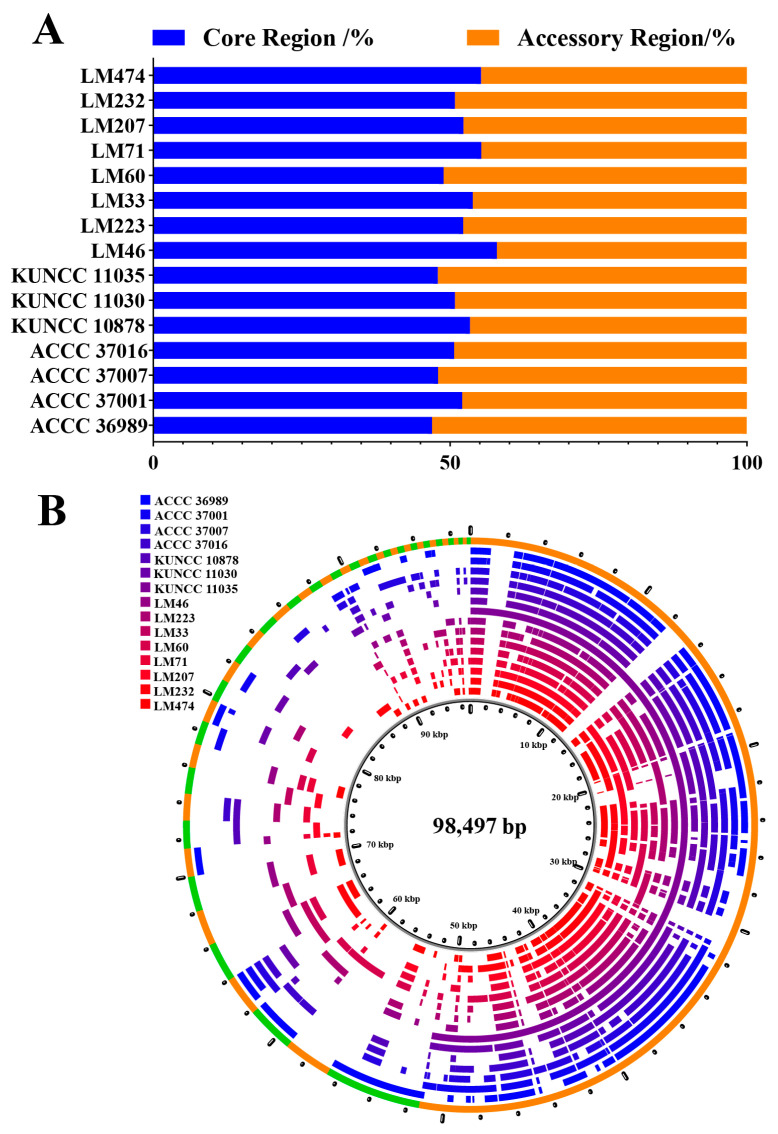 Figure 10
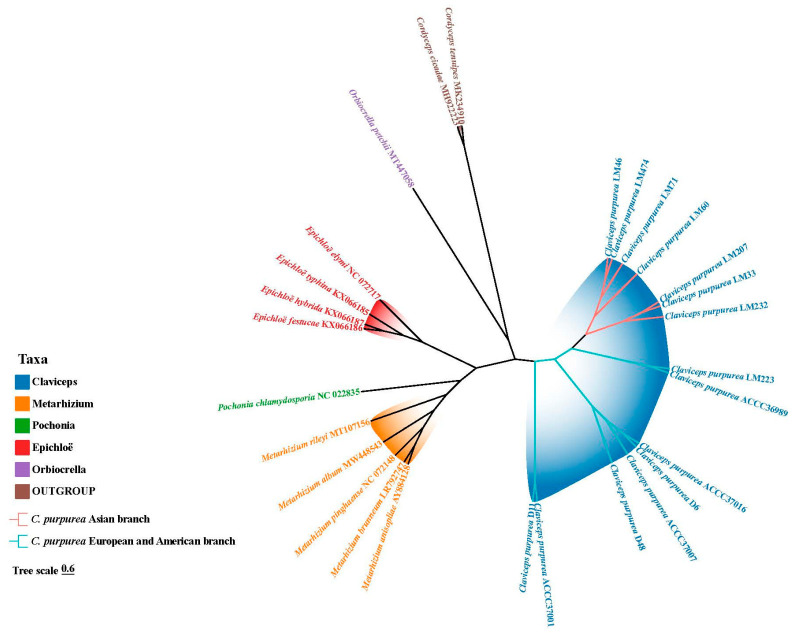 Figure 11
Peer Reviews
No public reviews on file for this paper yet. If you reviewed it on a platform where reviews are public (OpenReview, ICLR, NeurIPS, ICML), you can paste yours below so the community can read it here.
Videos
No videos yet. Explain this paper in a talk, walkthrough, or lecture? Add one.
Taxonomy
TopicsPlant and fungal interactions · Botanical Research and Chemistry · 14-3-3 protein interactions