Star-Shaped Glatiramer Acetate Mitigates Pulmonary Dysfunction and Brain Neuroinflammation in a Murine Model of Cryptococcus-Associated IRIS
Shehata Anwar, Jinyan Zhou, Lauren Kowalski, Joshua Saylor, Devanshi Shukla, Katelyn Boetel, Ziyuan Song, Kamal Sharma, Jianjun Cheng, Makoto Inoue

TL;DR
A new form of glatiramer acetate improves lung and brain symptoms in a mouse model of a severe immune-related disease linked to cryptococcus.
Contribution
Star-shaped glatiramer acetate (sGA) is shown to mitigate C-IRIS symptoms by reducing immune activation and neuroinflammation in a murine model.
Findings
sGA improved respiratory function and increased survival rate in C-IRIS mice.
sGA reduced Th1 and Th17 cells and attenuated brain microglia activation.
sGA rescued neuronal loss in specific brain regions by 25–40%.
Abstract
Background: Cryptococcus-associated immune reconstitution inflammatory syndrome (C-IRIS) is a life-threatening complication of immune recovery, often triggered by antiretroviral therapy and characterized by Th1-skewed CD4+ T cell hyperactivation, neuroinflammation, and pulmonary dysfunction. Methods: Using a validated murine model of unmasking C-IRIS, we assessed the therapeutic potential of star-shaped glatiramer acetate (sGA), a structurally enhanced derivative of the FDA-approved immunomodulator glatiramer acetate (GA). sGA was administered intraperitoneally on days 1 and 3 post-CD4+ T cell reconstitution. Results: sGA significantly ameliorated C-IRIS-associated respiratory dysfunction, including increasing breaths per minute by ~35% and improved minute volume, total respiratory cycle time, expiration time, and inspiration time. Survival rate grew to 75% on day 14 for sGA-treated…
Genes, proteins, chemicals, diseases, species, mutations and cell lines named across the full text — each resolved to its canonical identifier and authoritative record.
Click any figure to enlarge with its caption.
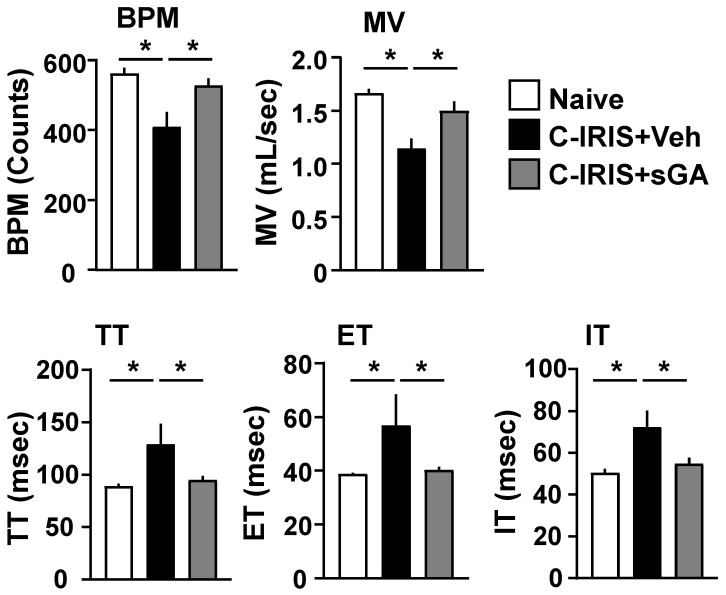 Figure 1
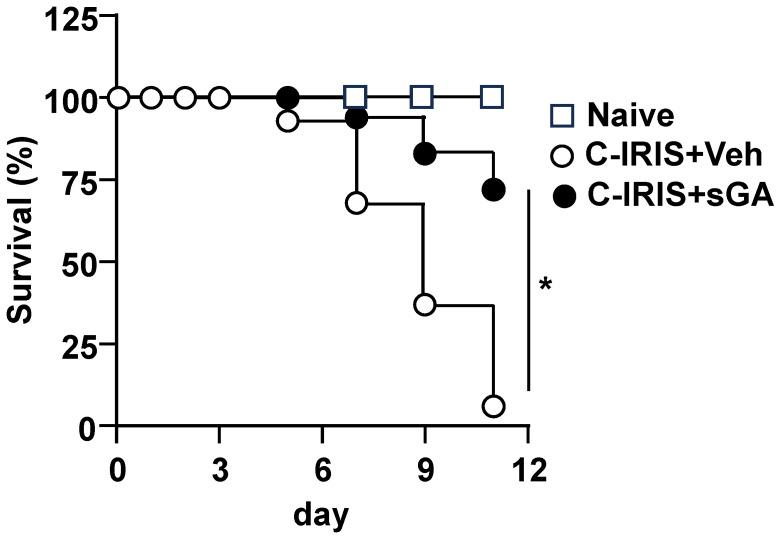 Figure 2
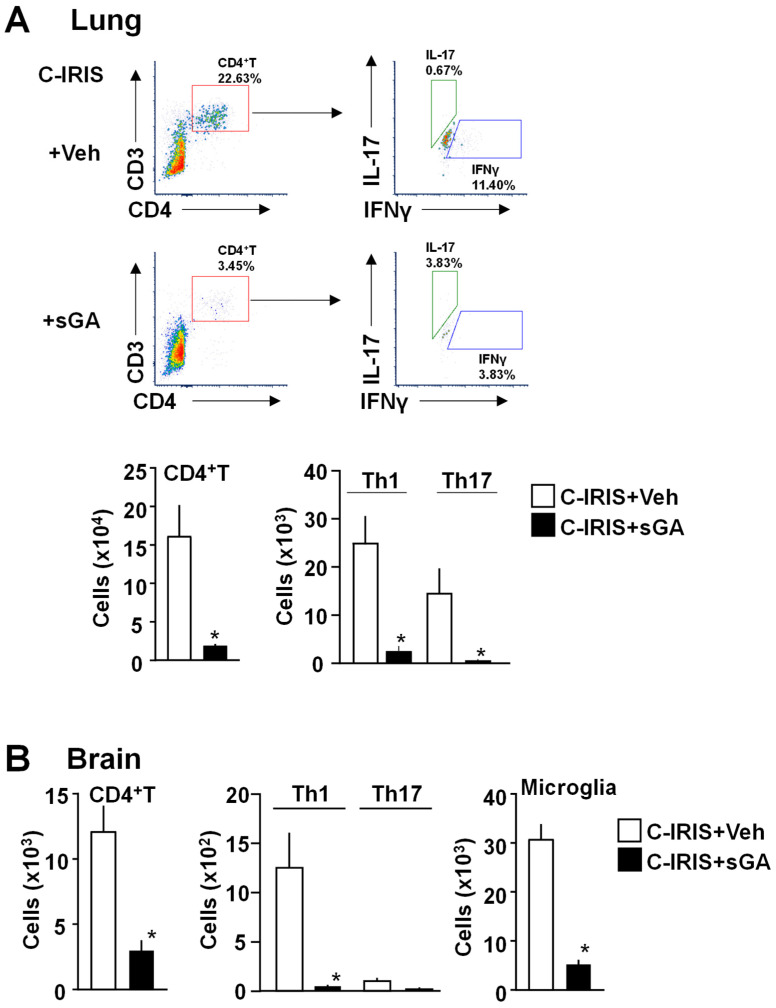 Figure 3
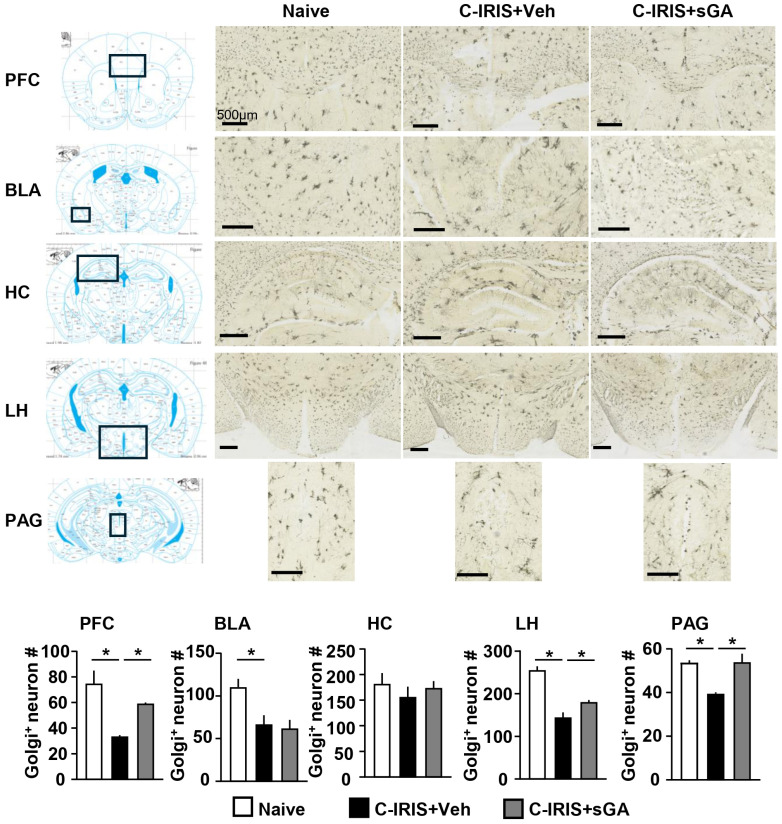 Figure 4
Peer Reviews
No public reviews on file for this paper yet. If you reviewed it on a platform where reviews are public (OpenReview, ICLR, NeurIPS, ICML), you can paste yours below so the community can read it here.
Videos
No videos yet. Explain this paper in a talk, walkthrough, or lecture? Add one.
Taxonomy
TopicsTryptophan and brain disorders · Infectious Diseases and Tuberculosis · Fungal Infections and Studies