Niche Differentiation Characteristics of Phytoplankton Functional Groups in Arid Regions of Northwest China Based on Machine Learning
Long Yun, Fangze Zi, Xuelian Qiu, Qi Liu, Jiaqi Zhang, Liting Yang, Yong Song, Shengao Chen

TL;DR
This study uses machine learning to analyze how phytoplankton communities in arid region reservoirs are shaped by environmental factors and interspecies interactions.
Contribution
The study reveals how environmental variables and interspecific associations influence phytoplankton stability in arid reservoirs using machine learning.
Findings
Eight dominant phytoplankton functional groups were identified, with pH and electrical conductivity as key drivers.
Positive associations in most reservoirs indicate stable communities, while SY Reservoir shows negative associations due to human disturbance.
Functional groups like S1 promote growth by reducing resource competition, while H1 inhibits others in eutrophic conditions.
Abstract
To reveal the distribution patterns of phytoplankton in reservoir ecosystems, this study selected four representative reservoirs in the Tarim River Basin, Xinjiang, China. It systematically analysed the structural characteristics of phytoplankton communities and simultaneously clarified the correlation between these communities and various environmental factors and their interrelationships. From 2023 to 2024, seasonal sampling of phytoplankton functional groups was conducted in 4 reservoirs in the upper Tarim River Basin. Eighteen functional groups were identified (8 dominant ones), with pH and electrical conductivity as key driving factors. According to the results of Redundancy Analysis (RDA), on the RDA1 axis, pH value, electrical conductivity (COND), and total dissolved solids (TDS) showed positive correlations, while all other environmental factors exhibited negative correlations;…
Genes, proteins, chemicals, diseases, species, mutations and cell lines named across the full text — each resolved to its canonical identifier and authoritative record.
Click any figure to enlarge with its caption.
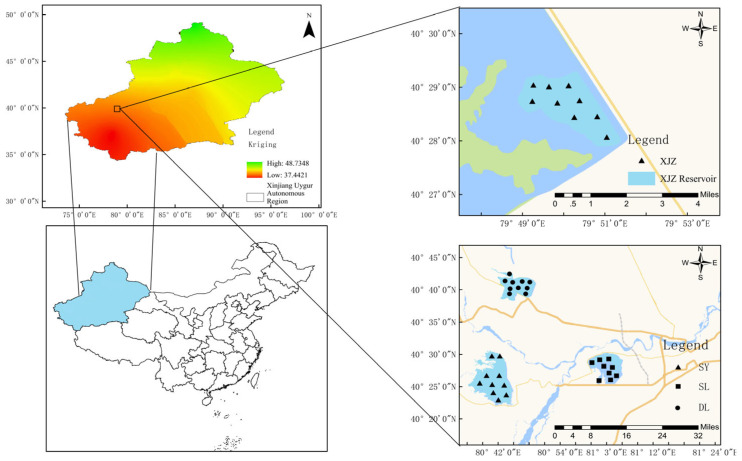 Figure 1
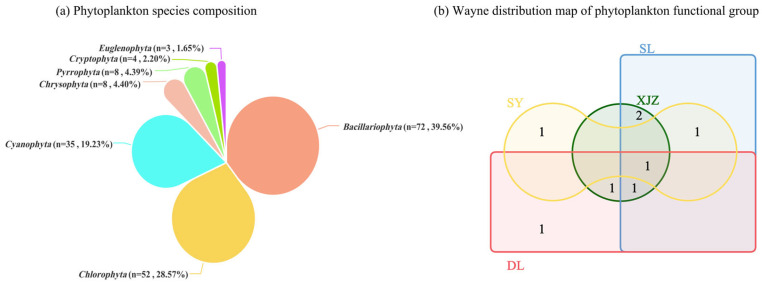 Figure 2
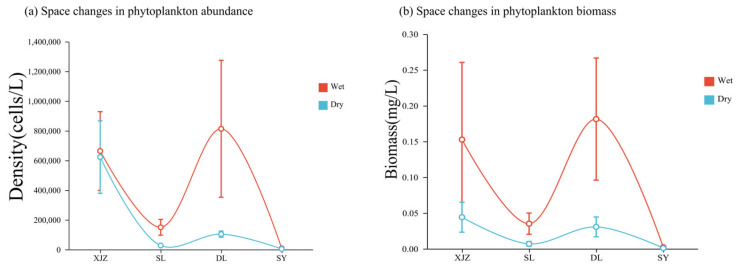 Figure 3
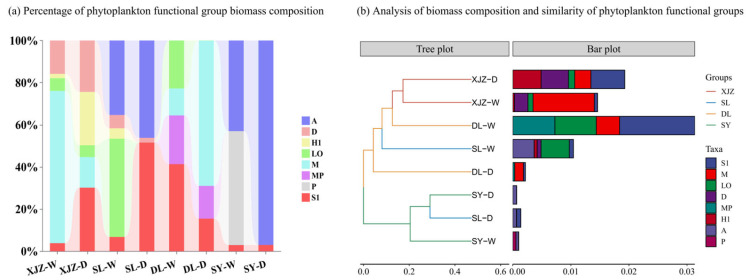 Figure 4
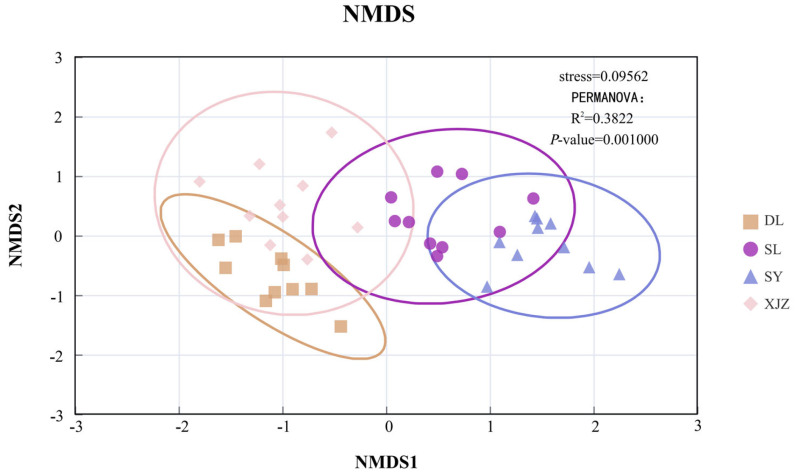 Figure 5
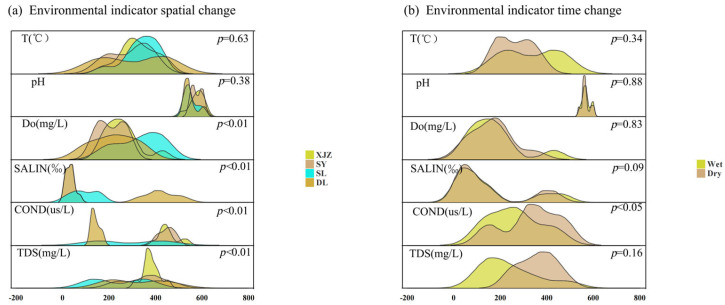 Figure 6
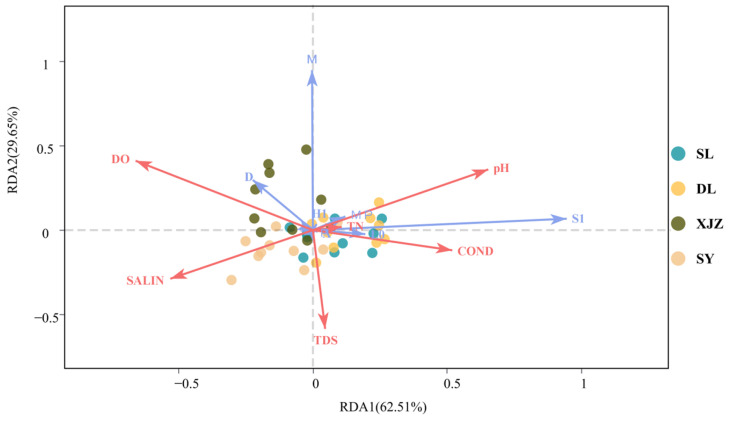 Figure 7
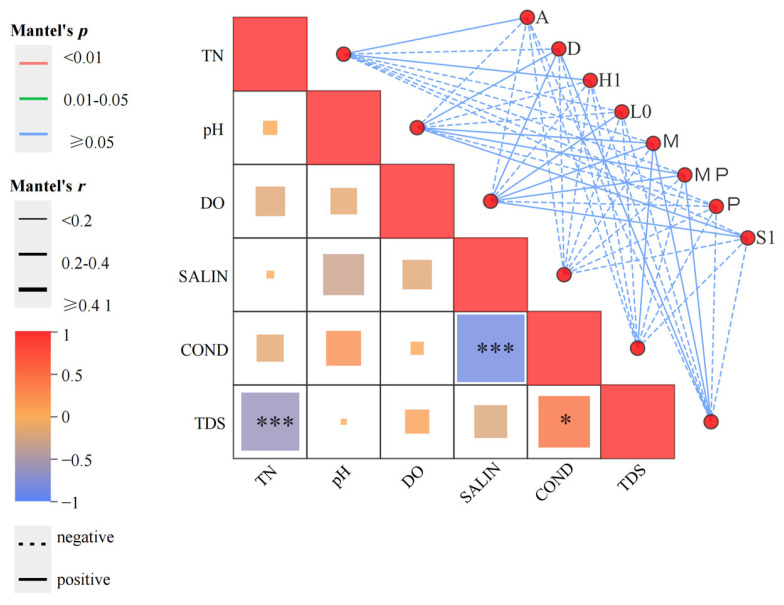 Figure 8
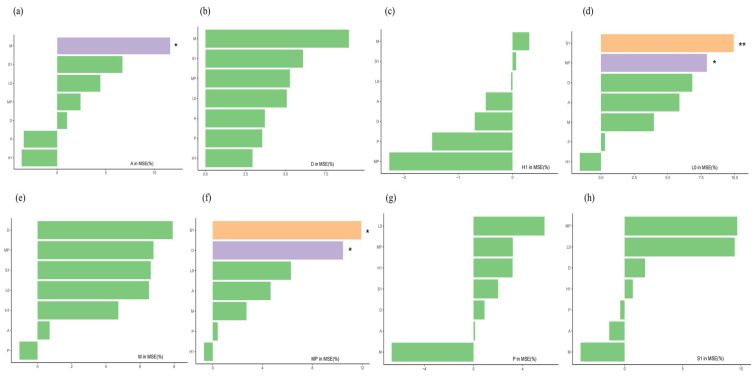 Figure 9
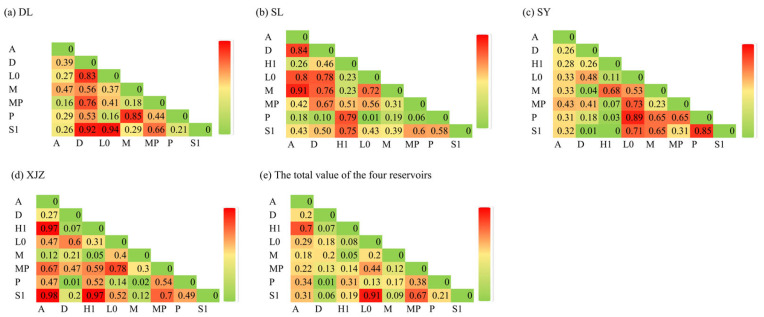 Figure 10
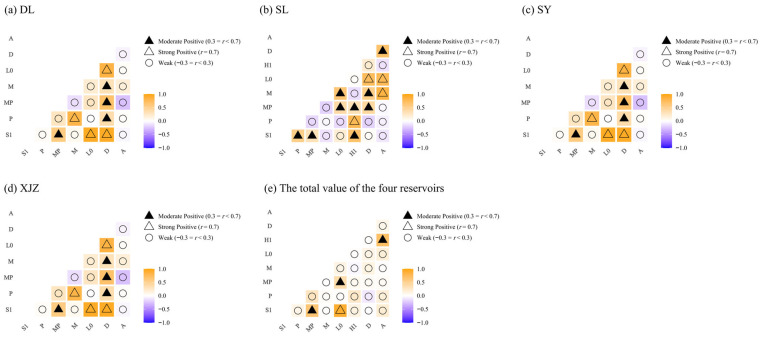 Figure 11
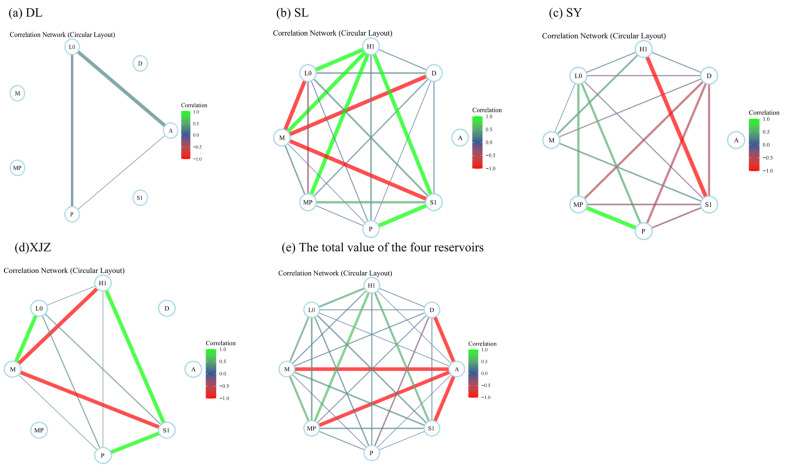 Figure 12
Peer Reviews
No public reviews on file for this paper yet. If you reviewed it on a platform where reviews are public (OpenReview, ICLR, NeurIPS, ICML), you can paste yours below so the community can read it here.
Videos
No videos yet. Explain this paper in a talk, walkthrough, or lecture? Add one.
Taxonomy
TopicsAquatic Ecosystems and Phytoplankton Dynamics · Hydrological Forecasting Using AI · Marine and coastal ecosystems