In Vitro Investigation of the Effects of Octenidine Dihydrochloride on Nasal Septum Squamous Carcinoma Cells
Ihsan Hakki Ciftci, Asuman Deveci Ozkan, Gulay Erman, Elmas Pinar Kahraman Kilbas, Mehmet Koroglu

TL;DR
This study tested how octenidine dihydrochloride affects cancer cells and healthy cells from nasal tissue in the lab, finding it harms healthy cells more and may help treat nasal conditions.
Contribution
The novel contribution is the in vitro evaluation of OCT-D's effects on nasal septum carcinoma cells and endothelial cells, revealing differential cytotoxicity and anti-inflammatory potential.
Findings
OCT-D caused dose-dependent cytotoxicity with RPMI-2650 cells being more resistant than HUVECs.
OCT-D induced DNA damage and increased micronuclei in both cell lines.
OCT-D reduced cytokine levels and ROS production, supporting anti-inflammatory and antioxidant effects.
Abstract
Background/Objectives: The aim of this study was to investigate the cytotoxic, genotoxic, apoptotic, and anti-inflammatory effects of the antiseptic agent octenidine dihydrochloride (OCT-D) on the RPMI-2650 cell line derived from human nasal mucosa in vitro. Methods: RPMI-2650 cells and Human Umbilical Cord Endothelial Cells (HUVECs) were treated with various concentrations of OCT-D (0.00625–0.4%) for 12 and 24 h. Cell viability was assessed using the WST-1 assay, while DNA damage was assessed using the comet and micronucleus (MN) assays. Apoptotic activity was determined using Annexin V flow cytometry and fluorescence microscopy. Intracellular reactive oxygen species (ROS) levels were measured, and inflammatory cytokines (IL-1β, IL-6, TNF-α, and IFN-γ) were measured by Enzyme-Linked Immunosorbent Assay (ELISA). The mRNA expression of genes associated with apoptosis, oxidative stress,…
Genes, proteins, chemicals, diseases, species, mutations and cell lines named across the full text — each resolved to its canonical identifier and authoritative record.
Click any figure to enlarge with its caption.
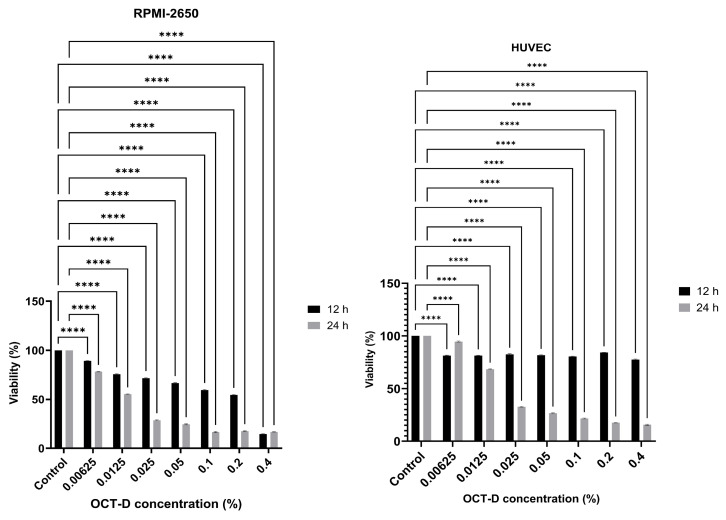 Figure 1
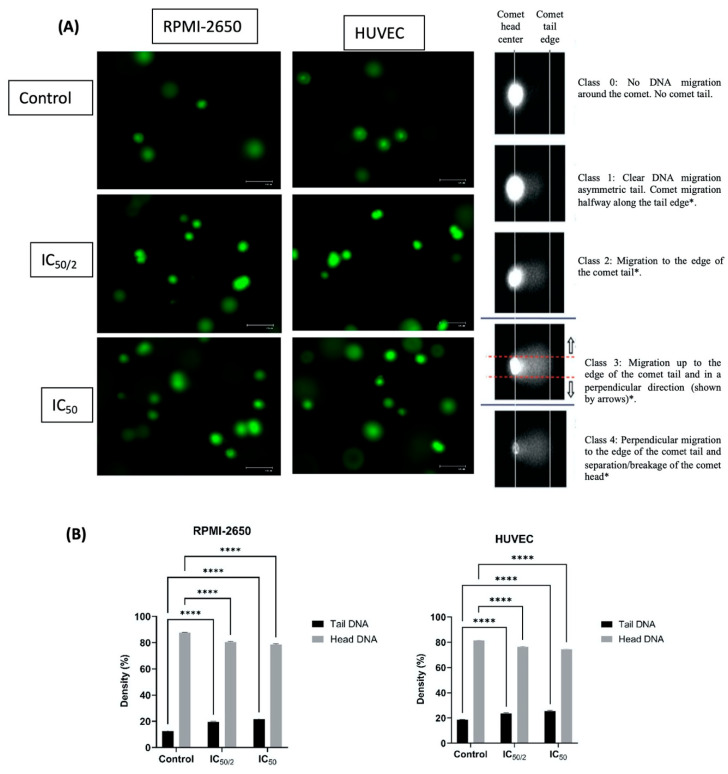 Figure 2
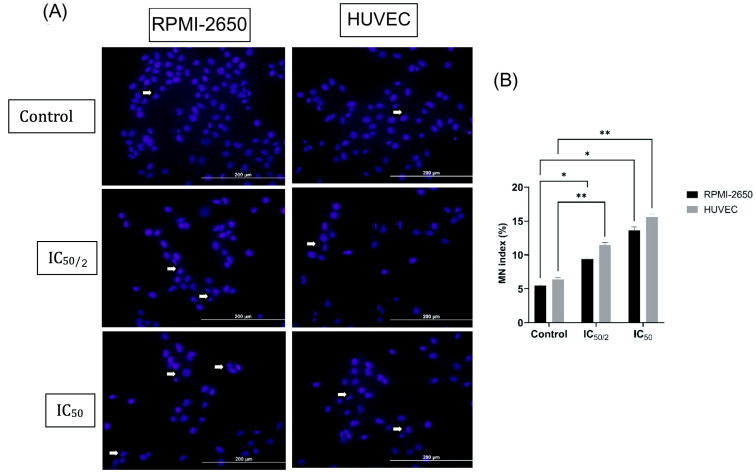 Figure 3
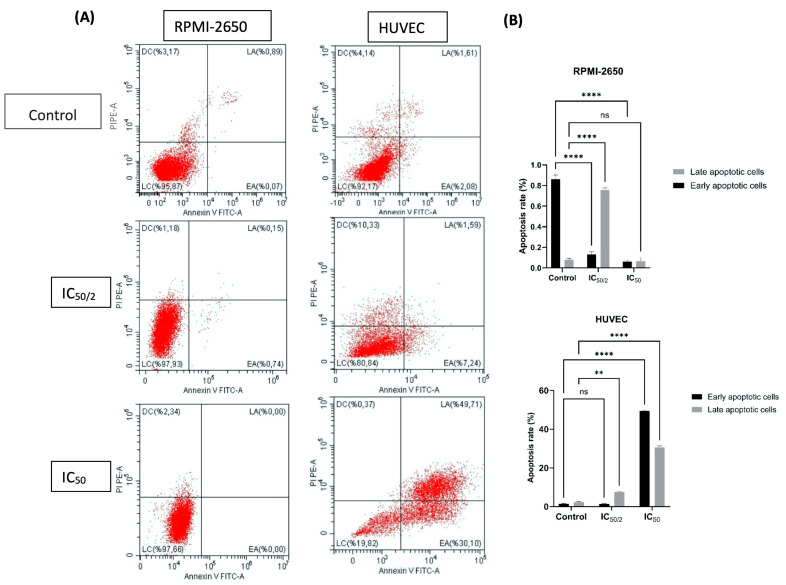 Figure 4
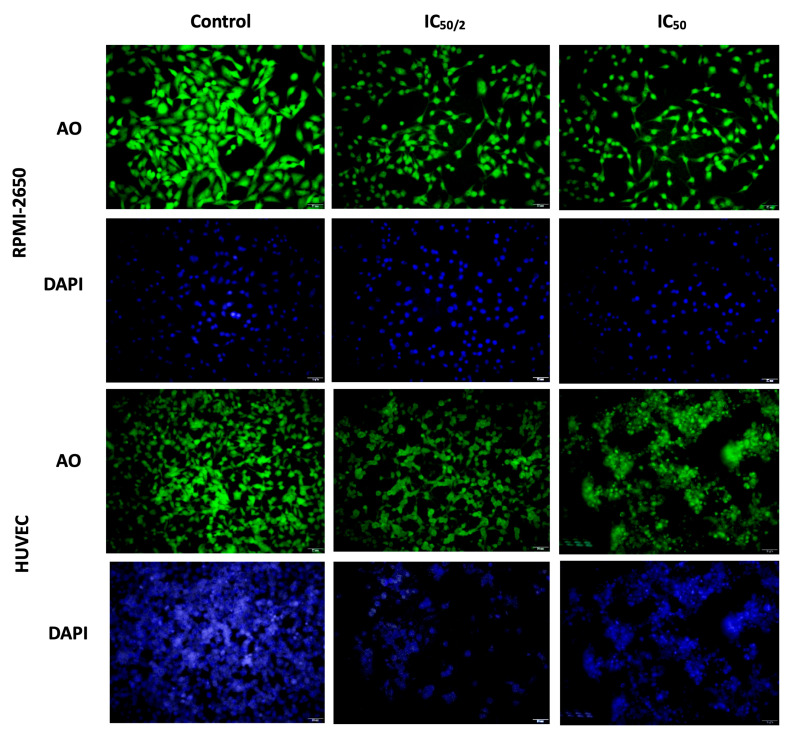 Figure 5
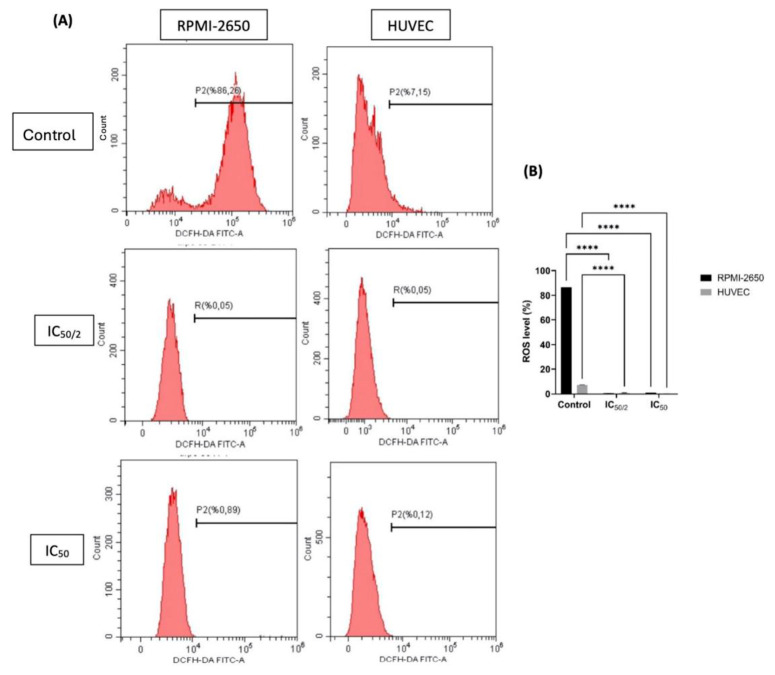 Figure 6
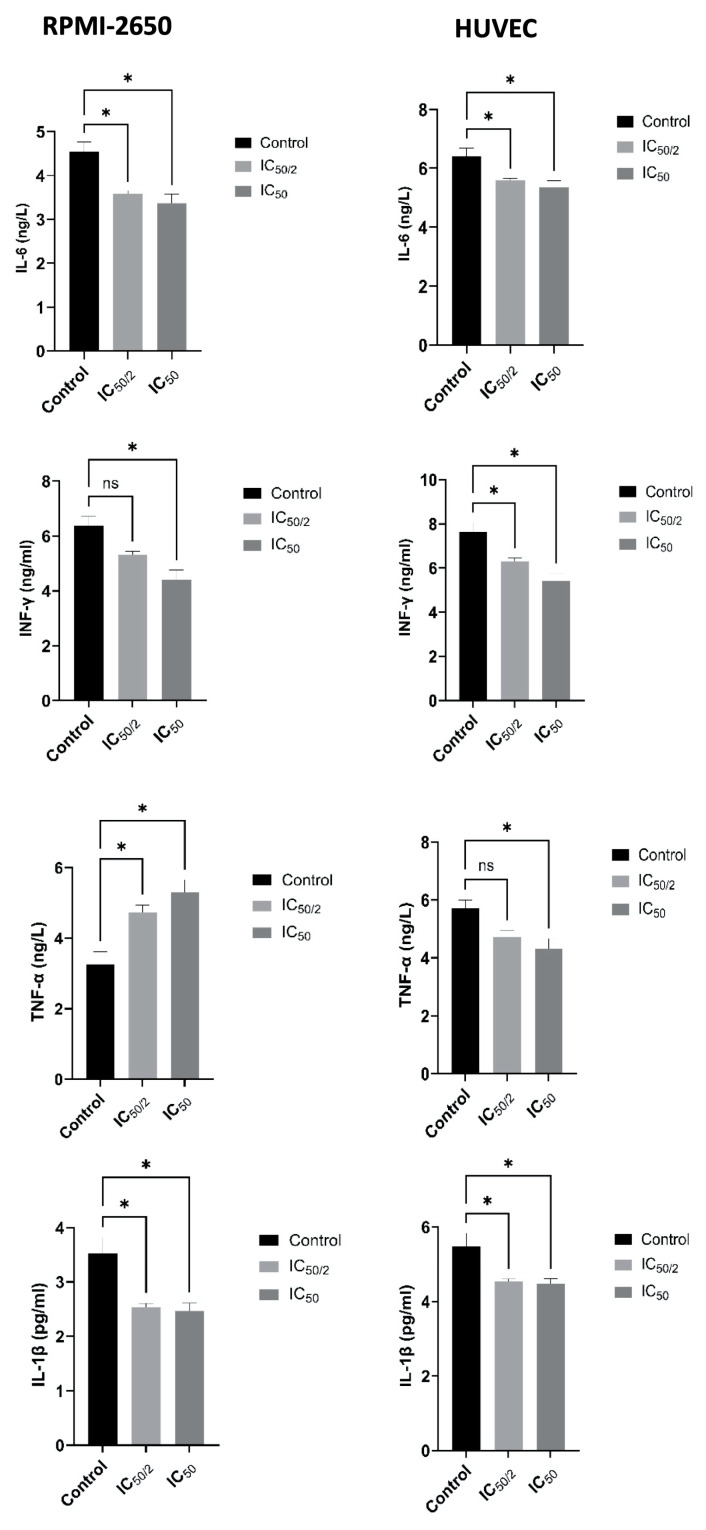 Figure 7
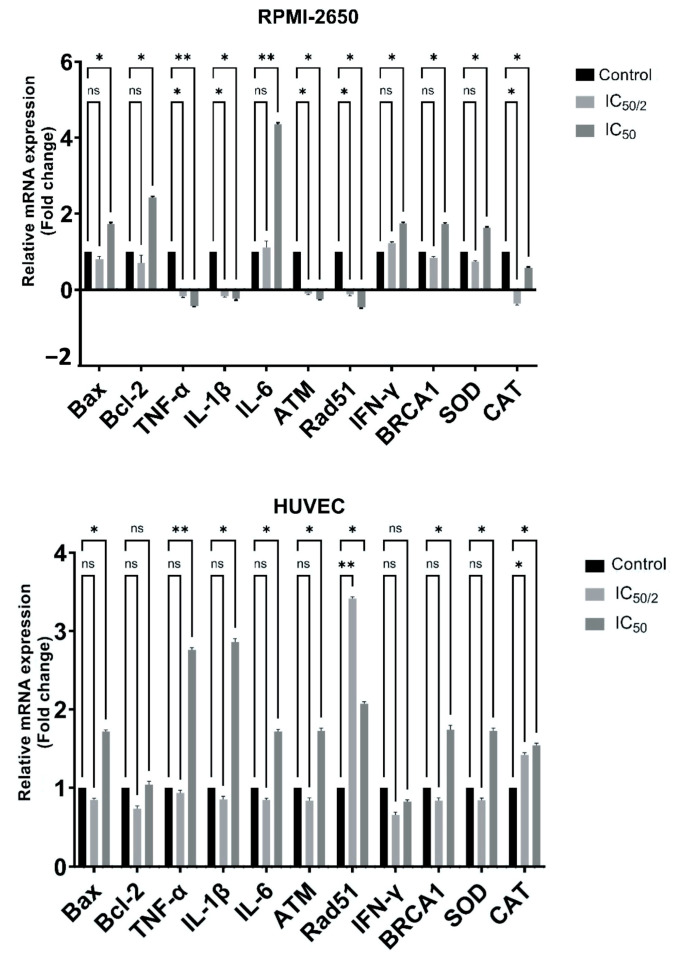 Figure 8
Peer Reviews
No public reviews on file for this paper yet. If you reviewed it on a platform where reviews are public (OpenReview, ICLR, NeurIPS, ICML), you can paste yours below so the community can read it here.
Videos
No videos yet. Explain this paper in a talk, walkthrough, or lecture? Add one.
Taxonomy
TopicsQuinazolinone synthesis and applications · Plant-based Medicinal Research · Synthesis and Biological Evaluation