Multi-Omics Reveals Active Components and Mechanisms of Heat-Processed Gypenosides Hepatoprotective Against APAP Injury
Peng Xie, Qiuru Li, Shu Jiang, Miao Sun, Yu Duan, Changping Hu, Xianglan Piao

TL;DR
This study identifies the active components and mechanisms of heat-processed Gypenosides in protecting the liver from APAP-induced injury using multi-omics approaches.
Contribution
The study reveals key bioactive compounds and molecular pathways involved in the hepatoprotective effects of heat-processed Gypenosides.
Findings
HGyp significantly reduced liver damage in mice as shown by biochemical and histopathological analyses.
38 bioactive compounds were identified, including 16 saponins and 11 metabolites.
HGyp targets multiple pathways, including PPAR, ferroptosis, and inflammatory mediator regulation of TRP channels.
Abstract
This study elucidates the hepatoprotective mechanisms of heat-processed Gynostemma pentaphyllum (Thunb.) Makino saponins (HGyp) against APAP-induced liver injury using serum pharmacochemistry, metabolomics, and network pharmacology. HGyp significantly mitigated liver damage in mice, as confirmed by biochemical and histopathological analyses. UPLC-MS identified 38 bioactive compounds, including 16 prototype saponins and 11 metabolites. Network pharmacology and molecular docking revealed damulin A/B, gypenosides (L/LI/LVI/XLVI), and ginsenosides (Rg3/Rd) as key components targeting GRB2, FGF2, MMP2, STAT3, CASP3, and HSP90A. Western blotting confirmed the HGyp-mediated downregulation of hepatic HSP90A and STAT3. Metabolomics identified four critical pathways, PPAR, ferroptosis, and the inflammatory mediator regulation of TRP channels involved in hepatoprotection. HGyp exerts multi-target…
Genes, proteins, chemicals, diseases, species, mutations and cell lines named across the full text — each resolved to its canonical identifier and authoritative record.
Click any figure to enlarge with its caption.
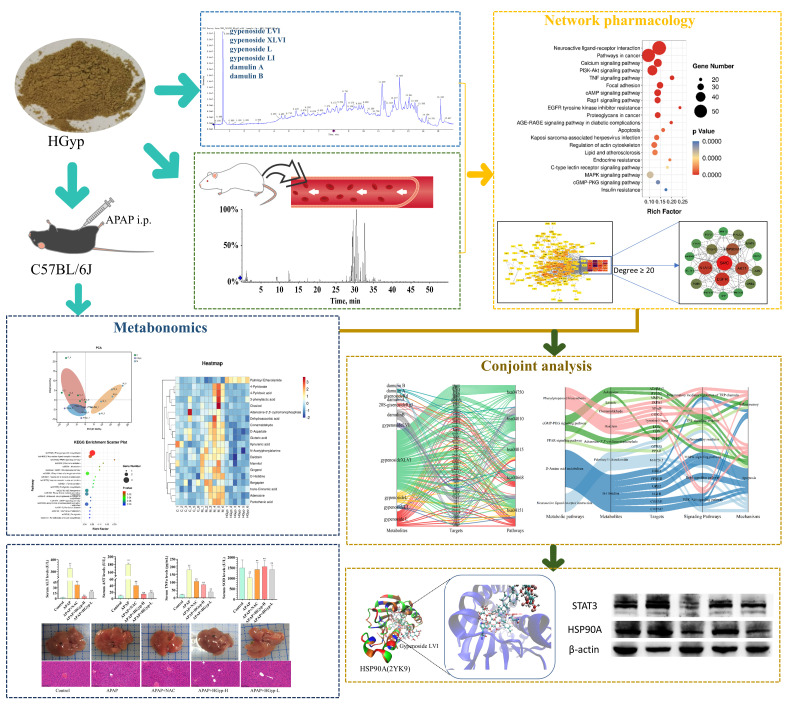 Figure 1
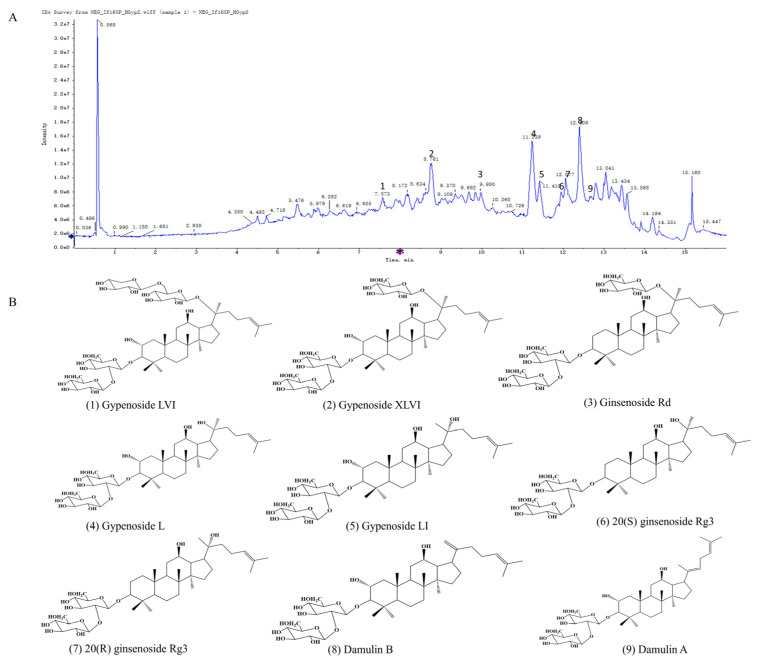 Figure 2
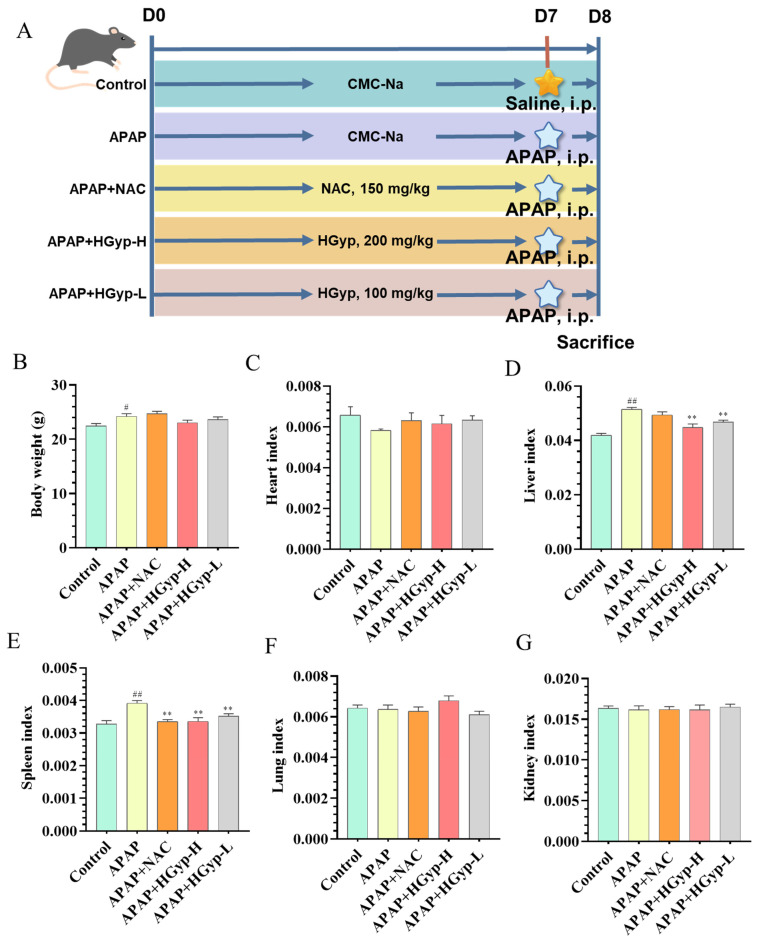 Figure 3
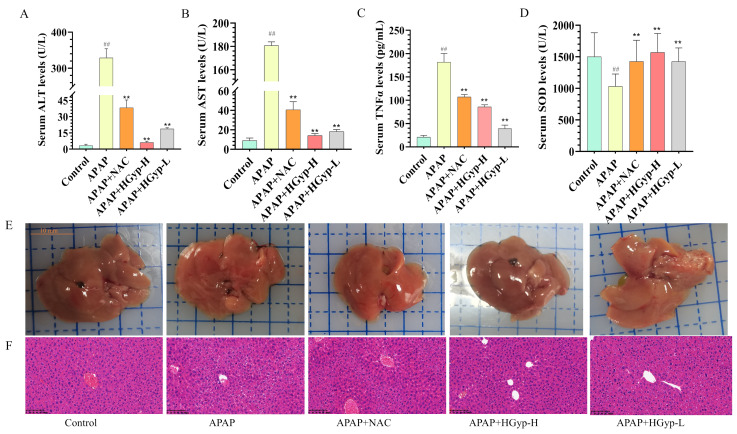 Figure 4
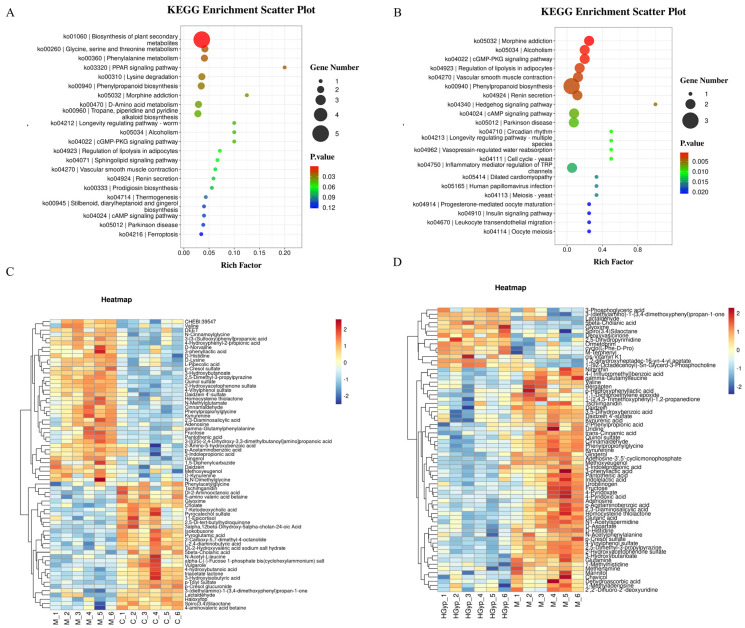 Figure 5
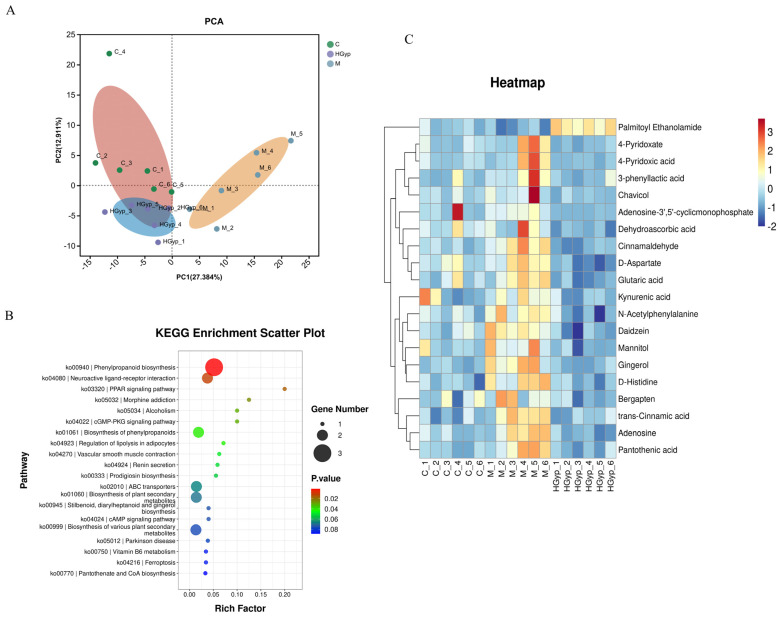 Figure 6
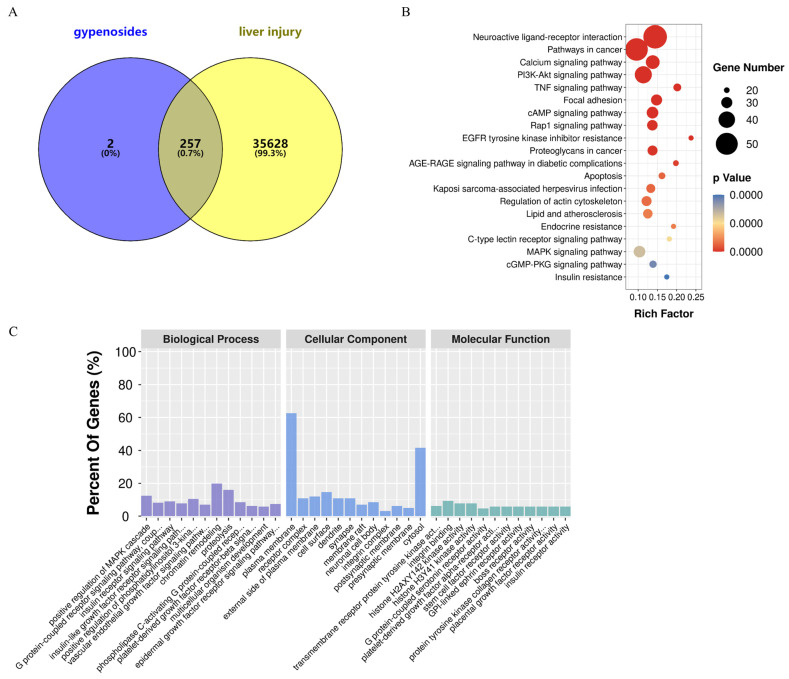 Figure 7
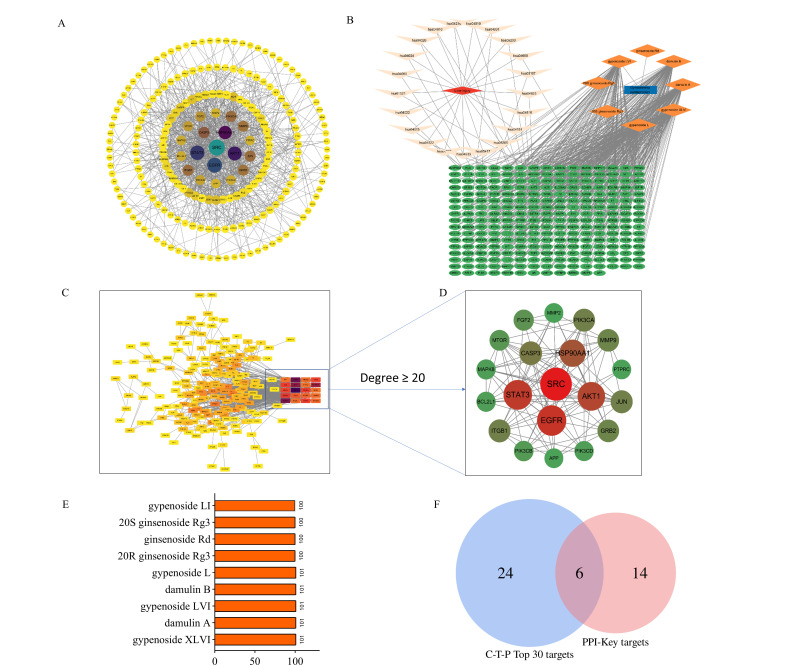 Figure 8
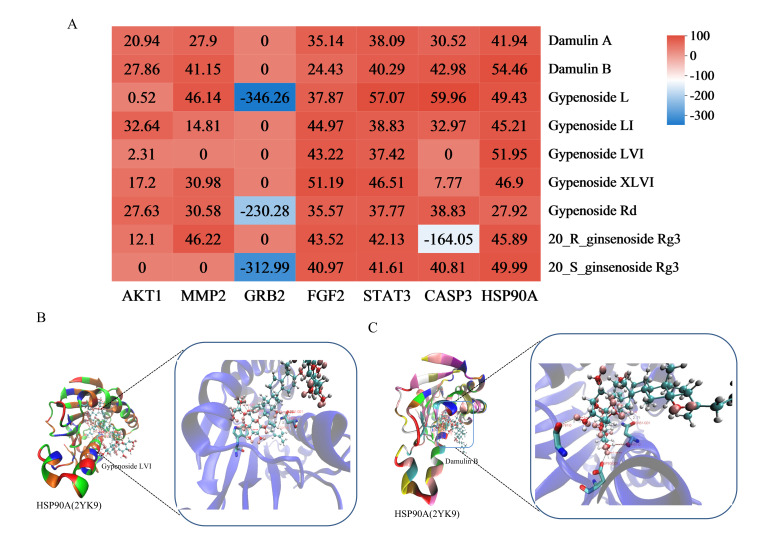 Figure 9
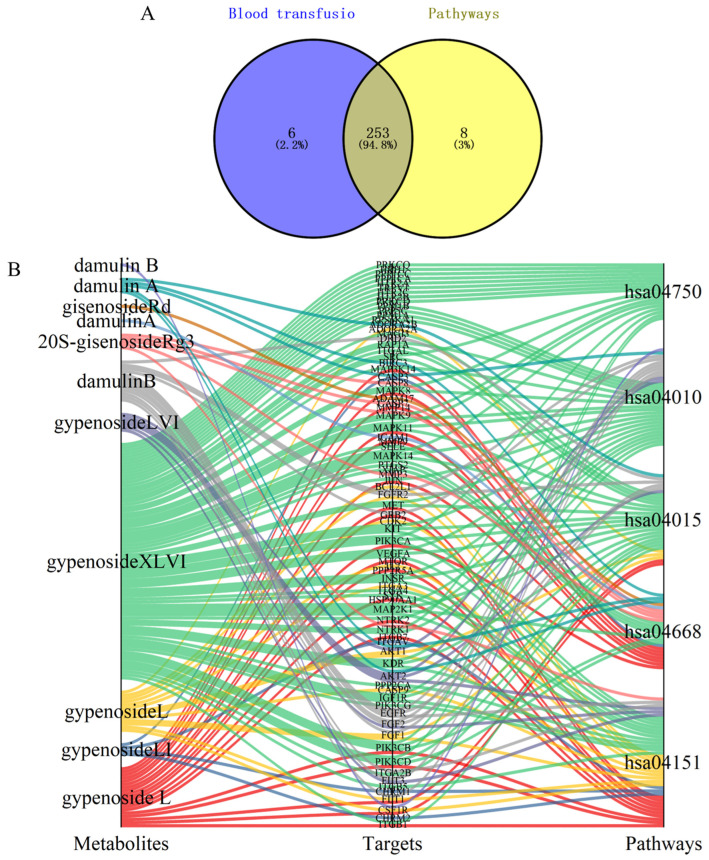 Figure 10
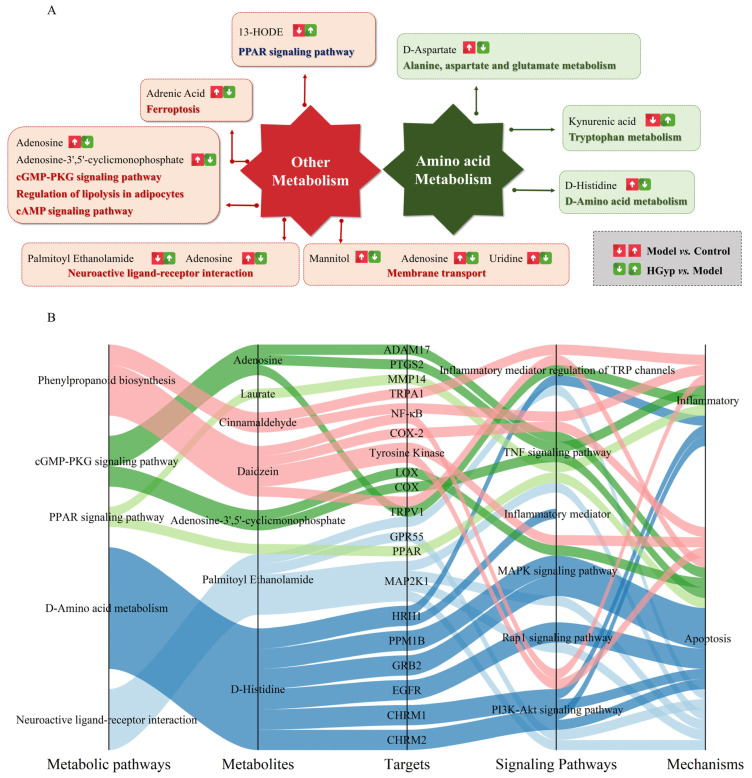 Figure 11
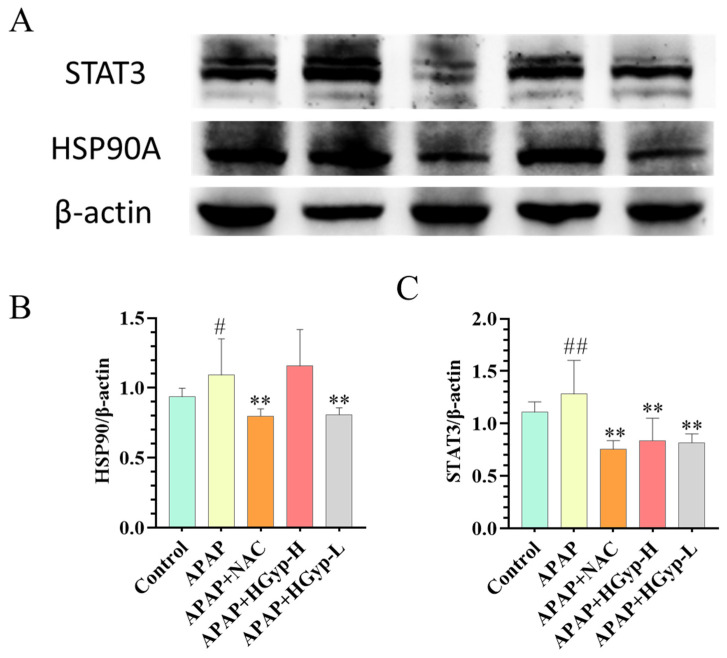 Figure 12
Peer Reviews
No public reviews on file for this paper yet. If you reviewed it on a platform where reviews are public (OpenReview, ICLR, NeurIPS, ICML), you can paste yours below so the community can read it here.
Videos
No videos yet. Explain this paper in a talk, walkthrough, or lecture? Add one.
Taxonomy
TopicsGinseng Biological Effects and Applications · Traditional Chinese Medicine Analysis · Ziziphus Jujuba Studies and Applications