Targeting Cognition and Behavior Post-Stroke: Combined Emotional Music Stimulation and Virtual Attention Training in a Quasi-Randomized Study
Rosaria De Luca, Federica Impellizzeri, Francesco Corallo, Andrea Calderone, Rosalia Calapai, Alessio Mirabile, Lilla Bonanno, Maria Grazia Maggio, Angelo Quartarone, Irene Ciancarelli, Rocco Salvatore Calabrò

TL;DR
A study found that adding personalized emotional music to virtual reality rehabilitation improved cognitive and emotional outcomes in stroke patients better than virtual reality alone.
Contribution
This study demonstrates that combining emotional music stimulation with virtual reality rehabilitation yields significant improvements in cognition, mood, and function in chronic stroke patients.
Findings
The experimental group showed large effect improvements in cognition, motivation, depression, anxiety, heart rate, and disability.
The music group outperformed controls on cognition, motivation, and disability at post-treatment.
Heart rate reductions correlated with improvements in depression and anxiety.
Abstract
Background: Emotionally salient music may enhance attention-focused rehabilitation, yet concurrent music plus virtual-reality programs in chronic stroke are largely untested. We assessed whether personalized emotional music stimulation (EMS) layered onto a standardized virtual reality rehabilitation system (VRRS) augments cognitive, affective, physiological, and functional outcomes. Methods: In a quasi-randomized outpatient trial, 20 adults ≥ 6 months post-ischemic stroke were allocated by order of recruitment to VRRS alone (control, n = 10) or VRRS+EMS (experimental, n = 10). Both groups performed 45 min of active VRRS cognitive training (3×/week, 8 weeks), while the EMS group received approximately 60 min sessions including setup and feedback phases. Primary outcomes were cognition and global function; secondary outcomes were intrinsic motivation, depression, anxiety, and heart rate.…
Genes, proteins, chemicals, diseases, species, mutations and cell lines named across the full text — each resolved to its canonical identifier and authoritative record.
Click any figure to enlarge with its caption.
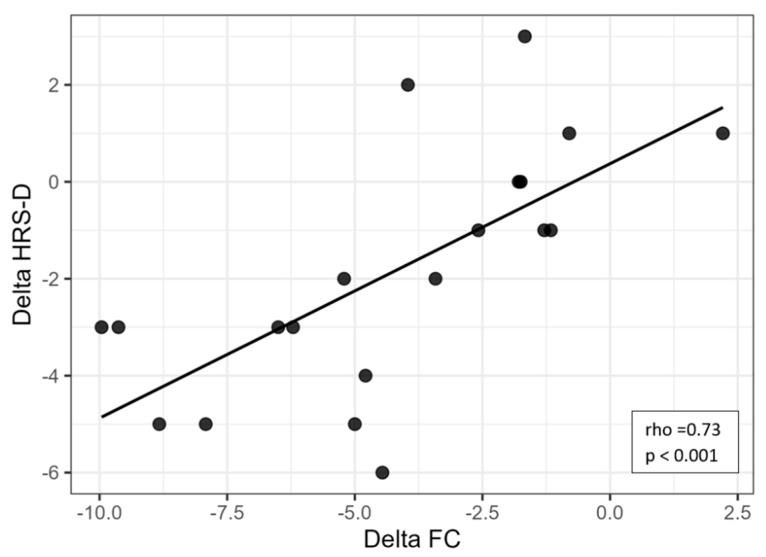 Figure 1
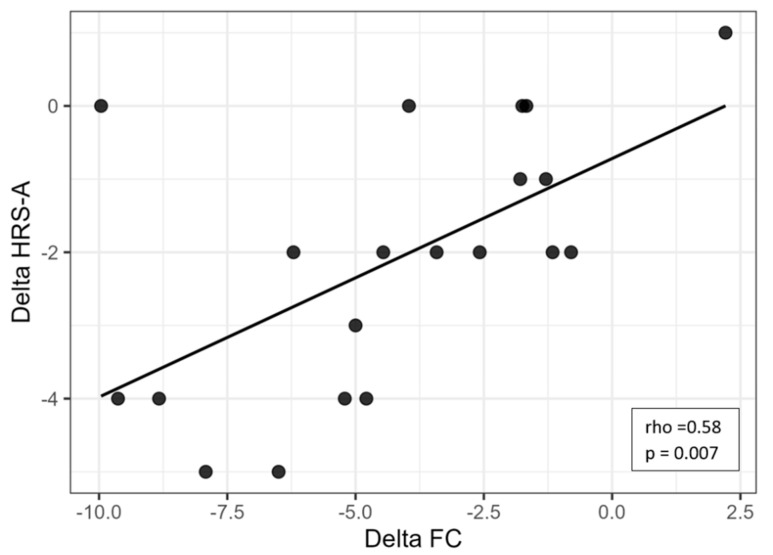 Figure 2
Peer Reviews
No public reviews on file for this paper yet. If you reviewed it on a platform where reviews are public (OpenReview, ICLR, NeurIPS, ICML), you can paste yours below so the community can read it here.
Videos
No videos yet. Explain this paper in a talk, walkthrough, or lecture? Add one.
Taxonomy
TopicsMusic Therapy and Health · Stroke Rehabilitation and Recovery · Neuroscience and Music Perception